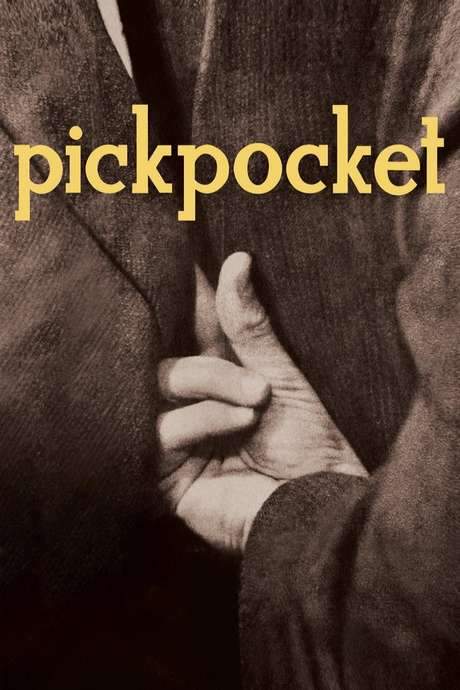
Pickpocket 1959


Directed by
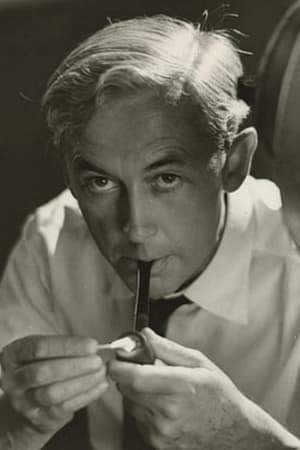
Robert Bresson

Where to Watch Pickpocket
See current US streaming, rental, and purchase options for Pickpocket (1959) via JustWatch.

Criterion Channel
HD
Amazon Video
HD
Apple TV Store
HD
Fandango At Home
SD Streaming availability powered by 
Pickpocket Plot Summary
Read the complete plot summary and ending explained for Pickpocket (1959). From turning points to emotional moments, uncover what really happened and why it matters.
Michel is an unemployed young man living in Paris. His The Mother is sickly, and his friends Jacques and Jeanne try to help him; Jacques finds him several jobs, but Michel considers them beneath him. He also has a distant relationship with his mother and frequently makes up excuses to avoid visiting her, despite his friends’ entreaties.
Michel steals money from a spectator at Longchamp Racecourse. To his surprise, the police arrest him, but Jean Pélégri (the chief inspector) is forced to release him for lack of proof.
At a bar, Michel asks Jacques for help finding a job. Jacques is skeptical, but agrees to help. Coincidentally, the chief inspector is also at the bar. Michel comes to life and subtly gloats to the inspector about his escape. Like Dostoyevsky’s Raskolnikov, he asserts that superior men should not be bound by the same laws as everyone else.
One day, Michel finds himself drawn to the graceful movements of a subway pickpocket. Michel tries to copy the pickpocket’s technique. After some early successes, he proudly tells Jacques he no longer needs a job. However, he is caught after a week, and is forced to lie low for a few days. He sees a mysterious man lurking outside his flat. Although Jacques and Jeanne ask him to visit his mother, who is very ill, Michel pursues the man, a pickpocket proposing a profitable partnership.
Michel’s focus on crime damages his relationship with his family and friends. He goes to a carnival with Jacques and Jeanne, but leaves to steal a man’s watch. Later, he resentfully questions Jacques about whether he is in love with Jeanne. In addition, he neglects to visit his mother until she is on her deathbed; she kindly tells him that he has enough talent to succeed in life “whenever you want.” After she dies, Michel and Jeanne argue about whether she will go to heaven. Michel asserts that moral rules do not exist. Jeanne asks Michel whether he believes in anything. Michel responds, > I believed in God—for three minutes.
Michel’s two accomplices are arrested. Although Michel escapes, the chief inspector visits his flat as a warning. The inspector explains that while he hoped Michel would go straight after the close call at Longchamp, he no longer believes Michel will change. He adds that a month before Michel was arrested at the racetrack, Jeanne filed a police report saying that someone had stolen money from Michel’s mother. However, the report was withdrawn the next day. He does not say who withdrew the complaint, but implies he knows Michel was the thief. After a conversation with Jeanne, Michel realizes that his mother withdrew the complaint, meaning that his mother knew her son stole from her. Jeanne is appalled, but tearfully hugs him.
To avoid the police, Michel flees to London, where he resumes pickpocketing. Two years later, he returns to Paris, having wasted all of his ill-gotten gains on gambling and women. He visits Jeanne and learns that while she had a child with Jacques, she decided to be a single mother because she did not love Jacques. Michel agrees to get an honest job to support the child, but his temptations remain.
One day, Michel finds himself following a racing enthusiast to Longchamp. Although Michel suspects a setup, he cannot resist stealing from him. As it turns out, the man is a plainclothes officer conducting a sting operation. This time, the police actually send Michel to jail.
Jeanne dutifully visits Michel in jail every week, but when she skips three straight weeks, Michel finds himself pained by her absence. She visits the following week, and Michel kisses her. Michel remarks to himself, “Oh, Jeanne, what a strange path I had to take to reach you at last.”
Pickpocket Timeline
Follow the complete movie timeline of Pickpocket (1959) with every major event in chronological order. Great for understanding complex plots and story progression.
Michel's life in Paris
Michel is an unemployed young man living in Paris. His friends Jacques and Jeanne try to help him find work, but he resists, believing opportunities are beneath him. He also has a distant, strained relationship with his ailing mother, whom he often avoids.
Friends try to help, but rejected
Jacques manages to find him several job leads, but Michel refuses them, insisting they are beneath him. He rebuffs help from both friends, keeping to his pride. This stubbornness distances him further from Jacques, Jeanne, and his sick mother.
Longchamp theft and arrest
Michel steals money from a spectator at Longchamp Racecourse and is arrested. The chief inspector is forced to release him due to lack of proof, leaving Michel free and emboldened. The incident reinforces his belief that he can slip away from consequences.
Bar encounter with inspector
At a bar, Michel asks Jacques for help finding a job. The chief inspector is there and Michel subtly gloats about his escape. He proclaims that superior men should not be bound by the same laws as everyone else.
Draw to the subway pickpocket
Michel is fascinated by the subway pickpocket's graceful movements and tries to imitate the technique. He experiences early successes and feels on top of the world as a thief. The thrill begins to eclipse honest work.
First crime spree ends; lie low
After a week of crime, Michel is caught and forced to lie low. He notices a mysterious man lurking outside his flat, hinting at a profitable partnership. Michel contemplates moving deeper into crime with a partner.
Carnival theft and strained ties
He attends a carnival with Jacques and Jeanne but leaves to steal a watch, deepening the rift with his friends. He later questions whether Jacques is in love with Jeanne, adding to the emotional tension.
Mother's dying lesson
Michel's mother falls gravely ill, and he delays visiting. She kindly tells him he has the talent to succeed in life 'whenever you want.' Her words hint at a potential path he could take, contrasting with his criminal path.
Death, heaven, and nihilism
After she dies, Michel and Jeanne argue about whether she will go to heaven. He declares that moral rules do not exist, while Jeanne asks if he believes in anything at all.
The sting plan revealed; consequences
Michel's two accomplices are arrested, but he escapes. The chief inspector visits his flat to warn him and reveals that Jeanne previously filed a police report claiming someone stole money from Michel's mother, but the report was withdrawn the next day.
Jeanne's revelation and realization
Following a conversation with Jeanne, Michel learns that his mother withdrew the complaint, meaning she knew he was the thief. Jeanne is appalled, yet she hugs him, showing a complicated tenderness in their bond.
Flight to London
To avoid the police, Michel flees to London where he resumes pickpocketing.
Two years later: return and shocking family news
Two years pass and Michel returns to Paris, having wasted his ill-gotten gains on gambling and women. He visits Jeanne and learns that she had a child with Jacques and chose to be a single mother.
A vow to go straight, yet temptation remains
He agrees to get an honest job to support the child, but his old temptations linger. He tails a racing enthusiast to Longchamp and suspects the encounter is a setup.
The sting, jail, and final kiss
The sting operation at Longchamp leads to Michel's imprisonment. Jeanne visits him weekly, but after missing three weeks, she returns and Michel kisses her, acknowledging the strange path that brought them together.
Pickpocket Characters
Explore all characters from Pickpocket (1959). Get detailed profiles with their roles, arcs, and key relationships explained.
Michel (Martin Lasalle)
Michel is an unemployed, prideful young man living in Paris who resents conventional work and is drawn to crime as a shortcut to meaning. He is restless, impulsive, and capable of charm, yet morally squinting and self-justifying. His relationship with his sick mother is distant, and his fixation on crime strains friendships with Jacques and Jeanne. He mutters existential justifications and ultimately faces the consequences of his choices.
Jeanne (Marika Green)
Jeanne serves as Michel’s love interest and moral counterweight, torn between affection and disillusionment as Michel’s thefts escalate. She supports him but is forced to confront the toll his choices take on their future together. After having a child with Jacques, she becomes a single mother who eventually visits Michel in jail, revealing her enduring concern for his well-being.
Jacques (Pierre Leymarie)
Jacques is Michel’s friend who tries to help him find legitimate work, showing a glimmer of hope amid street life. He becomes part of the social circle around Jeanne, and his relationship with Jeanne results in a child, complicating loyalties. He remains supportive, but ultimately the film’s events test his patience and trust.
Inspector (César Gattegno)
The lead inspector embodies societal order and judgment. He recognizes Michel’s skills but loses faith in the possibility of reform after a near escape. He reveals a deeper awareness of the case’s backstory, including a prior police report, and warns Michel that the game is up when confronted with the sting operation.
1st Accomplice (Kassagi)
The first accomplice partners with Michel in criminal schemes and is ultimately arrested during the course of their activities. Their collaboration showcases a shared hunger for easy gains, underlining Michel’s glide toward risk and exposure.
2nd Accomplice (Pierre Étaix)
The second accomplice accompanies Michel in illicit ventures and is also captured. The duo represents how crime accumulates risk and how temptation grows when opportunity appears.
The Mother (Dolly Scal)
Michel’s mother is sickly and emotionally supportive, offering a quiet moral counterpoint to his reckless behavior. Her death marks a turning point for Michel and underscores the cost of neglecting family bonds. She reminds him of his latent talent and where his life could go if he chose a different path.
Subway Passenger (Dominique Zardi)
A subway passenger appears briefly as part of the urban backdrop where pickpocketing unfolds. The scene anchors the film’s realism and illustrates how everyday life intersects with crime in the city.
Pickpocket Settings
Learn where and when Pickpocket (1959) takes place. Explore the film’s settings, era, and how they shape the narrative.
Time period
1950s
Set in a postwar urban Europe, the story traverses cafés, racecourses, and the Paris subway, capturing a city where opportunity and temptation are never far apart. The time period emphasizes a milieu of unemployment and street-level crime, contrasted with moments of tenderness and moral reflection. The plot also follows the protagonist's flight to London, before returning to Paris, highlighting a transient, itinerant life within a tight-knit urban frame.
Location
Paris, London, Longchamp Racecourse
The film unfolds across a densely populated Parisian landscape, with meandering streets, bars, and crowded public spaces that frame Michel’s life. Key locations include Longchamp Racecourse, city bars, subways, and a nightlife that mirrors the era’s public spaces. The settings juxtapose glamour with poverty, underscoring the social texture of mid-century Paris and the lure of quick gains in a bustling metropolis.
Pickpocket Themes
Discover the main themes in Pickpocket (1959). Analyze the deeper meanings, emotional layers, and social commentary behind the film.
⚖️
Morality
The film probes how rules govern ordinary life versus the allure of personal justice. Michel argues that so-called superior men should not be bound by common laws, echoing Dostoyevsky's nihilistic psychology. The inspector represents the social order that refuses to bend for charisma or talent, forcing a reckoning with guilt and consequences. The narrative suggests that moral choices persist even when temptations seem irresistible.
💔
Family
Michel’s relationship with his ill mother anchors the emotional core of the story, exposing his neglect as he chases criminal thrills. The mother's quiet wisdom and eventual death reveal a moral center that Michel ignores at his peril. Jeanne’s presence and the revelation about their shared child complicate loyalties and illuminate the cost of crime on loved ones. The eventual reconciliation is slim, underscoring how family bonds endure despite estrangement.
🧭
Freedom vs Rules
Michel’s life is driven by a relentless urge to escape conventional limits, rationalizing theft as a path to dignity. The repeated failures and near-misses highlight the fragile line between freedom and danger. The sting operation at Longchamp seals his fate, reminding him that personal control erodes under temptation. The film frames freedom as something morally contested, not simply a right to act without consequence.

Coming soon on iOS and Android
The Plot Explained Mobile App
From blockbusters to hidden gems — dive into movie stories anytime, anywhere. Save your favorites, discover plots faster, and never miss a twist again.
Sign up to be the first to know when we launch. Your email stays private — always.
Explore the mobile appPickpocket Spoiler-Free Summary
Discover the spoiler-free summary of Pickpocket (1959). Get a concise overview without any spoilers.
In the bustling streets of Paris, a restless young man named Michel drifts between the margins of society, haunted by a lingering sense of inadequacy. Unemployed and tethered to a frail mother whose health barely holds together, he is drawn to the fleeting rush of taking what isn’t his. The city’s rhythm—its cafés, subway tunnels, and crowded markets—offers both an escape and a mirror for his internal conflict, hinting at a world where morality is as negotiable as a fare.
Around him linger two steady presences: Jacques, a pragmatic friend who constantly attempts to steer Michel toward respectable work, and Jeanne, a compassionate neighbor whose kindness masks a deeper concern for his choices. Their attempts to pull him onto a steadier path clash with Michel’s yearning for a kind of freedom that feels only attainable through the art of the pickpocket. Their interactions thread a quiet tension through everyday moments, suggesting that personal loyalty may be the only anchor in a city that seems to reward cleverness over conscience.
Watching from a distance is Chief Inspector, a law‑enforcement figure who seems both intrigued and weary of Michel’s antics. Their silent cat‑and‑mouse dynamic underscores a broader philosophical debate about whether talent obliges one to obey the rules that bind ordinary people.
The film’s tone balances gritty realism with a subtle, almost literary introspection, inviting viewers to contemplate the allure of transgression against the backdrop of familial duty and friendship. As Paris pulses around them, the characters navigate a delicate dance between ambition, decay, and the fragile hope that one day, a different kind of life might finally feel within reach.
Movies with Similar Twists and Themes
Uncover films that echo the narrative beats, emotional arcs, or dramatic twists of the one you're exploring. These recommendations are handpicked based on story depth, thematic resonance, and spoiler-worthy moments — perfect for fans who crave more of the same intrigue.


Featured on this page

What's After the Movie?
Not sure whether to stay after the credits? Find out!
Check out our other apps:

SAT Sphere
Build confidence for the Digital SAT.

Mori Atlas
Discover wild places worth protecting.

Luntero
Search smarter for a home in Amsterdam.

Plot Explained
Unravel movie endings and hidden clues.

Pokechamp
Dive into Pokémon data and battle logic.

Driving Theory
Get ready for your European theory test.

Movie Dust
Plan your next cinema trip with ease.

Musemap
Find art and culture as you travel.

Selkobase
Compare credentials before committing.

Local Manual
Turn an unfamiliar country into practical next steps.

Lernavi
Compare school systems before your next move.

GymRoam
Find a workout stop wherever your plans take you.
Explore Our Movie Platform
New Movie Releases (2026)
Famous Movie Actors
Top Film Production Studios
Movie Plot Summaries & Endings
Major Movie Awards & Winners
Best Concert Films & Music Documentaries
Movie Collections and Curated Lists
© 2026 What's After the Movie. All rights reserved.
Privacy Policy