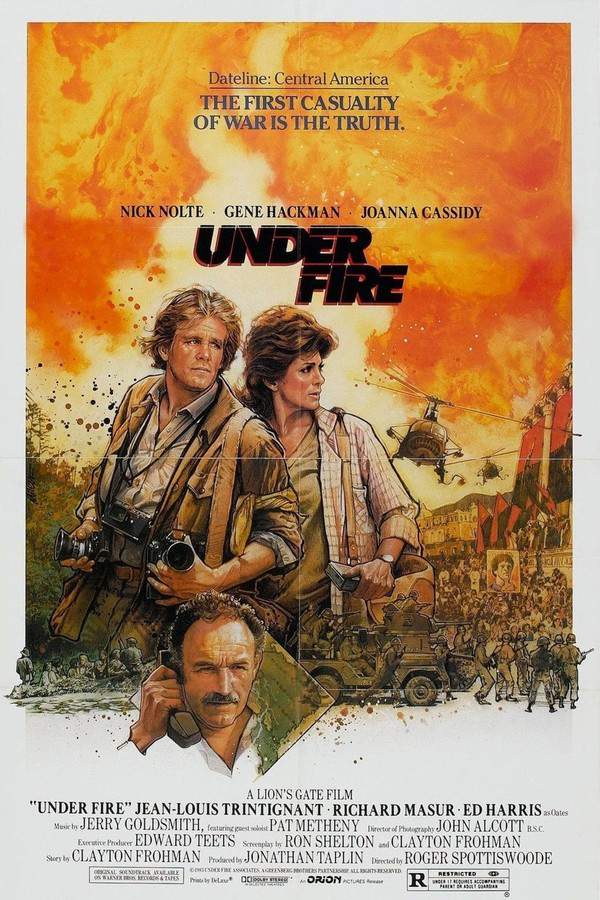
Under Fire 1983


Directed by
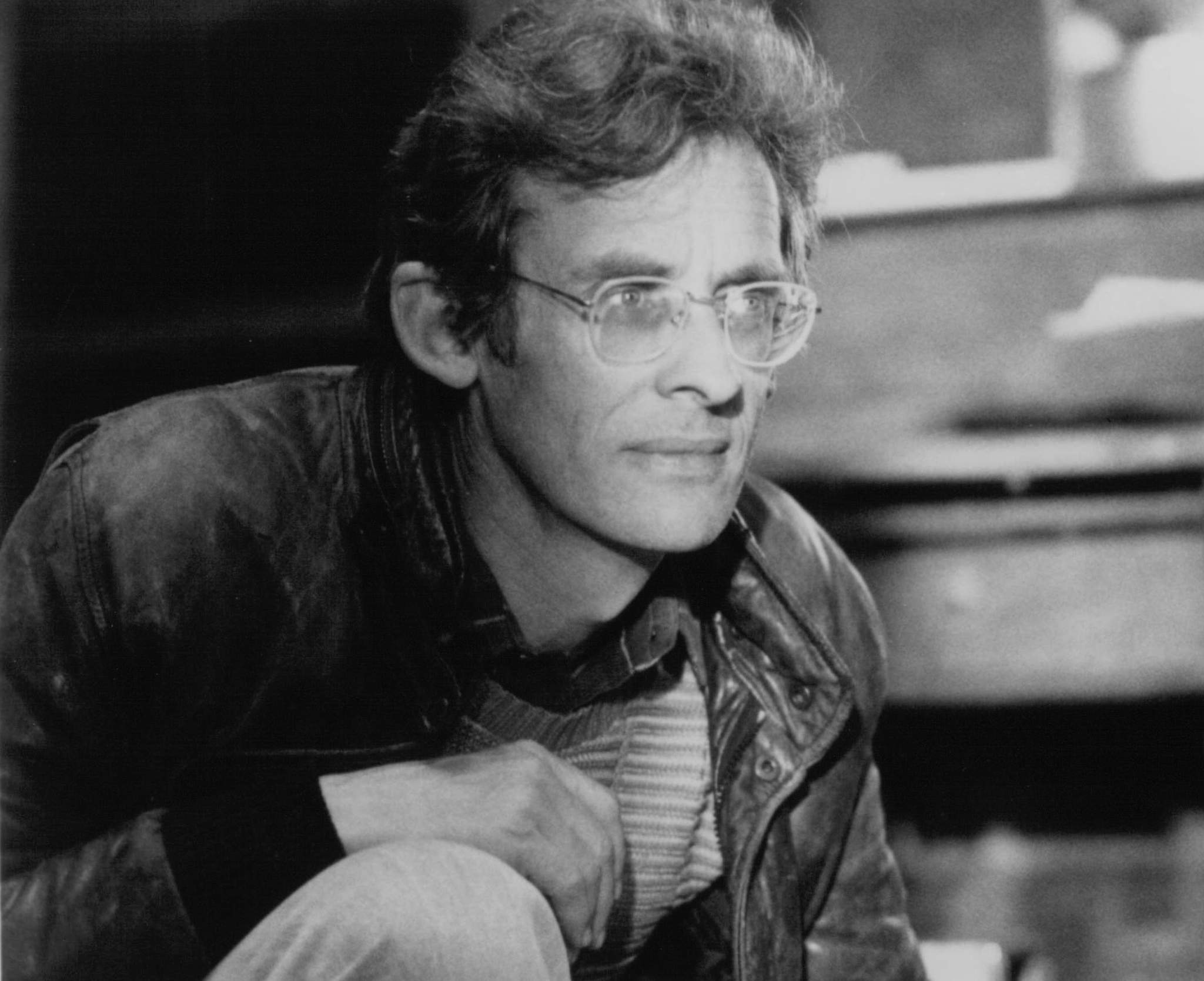
Roger Spottiswoode
Made by
Orion Pictures
Where to Watch Under Fire
See current US streaming, rental, and purchase options for Under Fire (1983) via JustWatch.

fuboTV
HD
MGM Plus
HD
MGM Plus Roku Premium Channel
HD
MGM+ Amazon Channel
HD
Philo
HD
Fandango at Home Free
HD
Tubi TV
SD
YouTube Free
HD
Apple TV Store
HD Fandango At Home
HD Streaming availability powered by 
Under Fire Plot Summary
Read the complete plot summary and ending explained for Under Fire (1983). From turning points to emotional moments, uncover what really happened and why it matters.
A tense, globe-trotting drama follows a photojournalist named Russell Price as his assignments pull him from one volatile scene to another. In Chad, Russell encounters a mercenary known as Oates, a figure tied to the very conflict he’s covering. After a long day of war reporting, Russell returns to his hotel and attends a farewell-style “Bon Voyage” party for his friend Alex Grazier, who is stepping away from frontline journalism to take a highly paid job as a New York news anchor. The party is complicated by personal history: Russell is secretly having an affair with Alex’s girlfriend, fellow journalist Claire Stryder. The professional arc thickens when Alex’s conflict piece is paired with Russell’s stark photographs to secure a cover story for Time magazine, signaling the start of a larger, shared ambition.
As the story moves south to Nicaragua, a new chapter of danger unfolds. The international press corps converges on a brutal clash between President Somoza’s government and rebels led by a shadowy leader named Rafael, who has never been photographed. Russell is detained without cause and spends a night behind bars, an experience that heightens the sense of risk that colors their reporting. A key contact emerges in Marcel Jazy, a French spy with deep ties to Somoza, who drops hints about Rafael’s possible whereabouts in León, even as the frontline seems to shift toward Masaya. The journalists push forward to León, where an intense rooftop battle between rebels and government troops provides the kind of access journalists crave, and Russell meets a rebel faction led by Pedro. Pedro entrusts him with a baseball to pass along to another rebel figure, Dennis Martinez, a small but telling human detail that underscores the everyday stakes hidden within the larger conflict.
The shifting alliances become more tangled as Oates reappears, this time aligned with the government. After Pedro is killed by a gunshot to the back, Russell chooses not to expose Oates’ location, a decision that underscores the moral ambiguity at the heart of war reporting: the danger of picking a side when the line between observer and participant is blurred. A press conference follows, where Somoza announces Rafael’s death, a development that prompts the rebels to promise access to Rafael but also pushes everyone toward a more dangerous, uncertain path. The rebels then take Russell and Claire to a remote stronghold, where they discover that Rafael is indeed dead. In a bid to sustain the movement, the rebels urge Russell to stage a living photo of Rafael, a deception they believe could buy time and legitimacy for their cause. Despite the ethical quagmire, Claire and Russell decide to help, drawn by the gravity of the moment and the possibility that their work could influence an outcome.
With the staged image a success, attention pivots to arranging an interview with Rafael. Alex arrives in Nicaragua, seeking access, and learns of Russell’s affair. Rather than sever ties, Alex stays with the crew, adding tension to their dynamic as they press on to locate Rafael in the thick of escalating violence. Detention and a chilling encounter with Oates—this time alongside government troops conducting mass executions—force Russell to confront the exploitation and manipulation at play, including the revelation that Jazy has been using him to photograph rebel leaders who are then targeted for assassination.
Alex then discovers that Rafael is dead, and the trio realizes they have violated journalistic ethics in their scramble for a story. Yet Alex chooses not to reveal the breach, opting instead for a softer piece on Jazy’s role in the game. Attempts to secure Rafael’s interview continue, but the conflict worsens as government forces lose ground and the road back to safety becomes perilous. In a haunting turn, a fearful path through the streets leads to a deadly incident where government troops kill Alex while Russell narrowly escapes with the help of a local woman who hides him away.
Back at the political high wire, Somoza denies responsibility for Alex’s death, insisting that rebels killed him and that Russell’s photographs must be silenced. The regime intensifies its efforts to destroy the evidence, while Russell witnesses Jazy’s death at the hands of rebels. Claire manages to retrieve the negatives and returns to the hotel, where she plans to locate Russell. The photographs eventually make their way to the world, forcing Somoza to flee to Miami as the rebels gain the upper hand.
In the aftermath, Claire and Russell reunite and leave the country, their bond tempered by the trials they endured. In the final moment, Claire asks, “Do you think we fell in love with too much?” and Russell answers with a quiet, resolute, “I’d do it again.” The film closes on the unsettling beauty and cost of journalism under fire, where truth is protected by those who choose to chase it, even at great personal risk.
Under Fire Timeline
Follow the complete movie timeline of Under Fire (1983) with every major event in chronological order. Great for understanding complex plots and story progression.
Chad frontline, party and affair revealed
Russell Price covers the Chad conflict and runs into Oates, a mercenary he knows. Back at his hotel, he attends Alex Grazier's Bon Voyage party and learns that Alex is leaving conflict reporting. He is also entangled in an affair with Claire Stryder, which strains both personal and professional loyalties. Alex's article paired with Russell's photographs is pitched for a Time magazine cover.
Nicaragua assignment begins; Jazy connection; Rafael clue
Journalists move to Nicaragua to cover the Somoza government and rebel fighting. They meet Marcel Jazy, a French spy tied to Somoza, who hints that Rafael—an elusive rebel leader who has never been photographed—may be found in León. The press corps believes the fighting is shifting toward Masaya, creating uncertainty about where Rafael appears.
Russell's arrest
Russell is arrested for no legitimate reason and spends a night in jail, a stark reminder of the risks journalists face. The experience deepens the strain between him and Claire as they navigate the dangers of reporting from a war zone.
León rooftop battle; Pedro's gift
In León, an intense rooftop battle pits rebels against government troops. Russell meets the rebel Pedro, who gives him a baseball to deliver to Dennis Martinez, creating a symbolic link between the war and a personal touch. The scene captures the chaos and immediacy of frontline reporting.
Oates switches sides; Pedro shot
Oates rejoins the fight on the government's side and shoots Pedro in the back. Russell chooses not to reveal Oates's location to avoid taking a side in the conflict. The moment underscores the moral ambiguity heavy on reporters in a civil war.
Press conference; Rafael killed; living photo plan
At a press conference, President Somoza proclaims that Rafael has been killed. Rebels then take the journalists to a remote stronghold and reveal Rafael is indeed dead, asking Russell to fake a living photo of their leader to sustain the movement. Claire and Russell grapple with the ethics of deception in wartime reporting.
Claire and Russell align with rebels; Alex arrives; affair revealed
Claire and Russell decide to help the rebels by staging the 'living Rafael' photograph. Alex Grazier arrives in Nicaragua and learns of Russell's affair but chooses to stay and plans a fluffy piece on Jazy rather than exposing them. The personal and professional loyalties collide as war coverage becomes more dangerous.
Return trip and mass execution; Oates appears
The trio's efforts bring them into an even more dangerous situation as fighting escalates. They are detained again and encounter Oates, now with government troops conducting a mass execution. Russell begins to see how espionage, not journalism, shapes what the world sees.
Jazy killed; Russell learns he was used
Russell learns that Jazy has been using him to photograph rebel leaders, who are promptly targeted for assassination. The revelation exposes the manipulation behind some press work and warns of the danger of relying on intermediaries.
Alex killed; Russell escapes; Claire recovers negatives
During a chaotic street scene, Alex is killed by paranoid government troops while seeking help, and Russell escapes with the aid of a local woman. Claire recovers the negatives and heads back to the hotel to reunite with Russell. The personal losses drive home the human cost of the conflict.
Somoza’s cover-up and Jazy's death
To control the fallout, Somoza proclaims that rebels killed Alex, and troops continue hunting Russell to destroy the photographs. Rebels also kill Jazy, removing another layer of espionage from the war's machinery. The regime's narrative begins to fracture as events spiral.
Global broadcast, regime falls, reunion
Claire delivers the negatives to the hotel, and Russell's photographs are broadcast worldwide, forcing Somoza to flee to Miami. With the rebels victorious, the couple reunites and decides to leave the country together. The final line hints at a perilous, but chosen, path of love amid chaos.
Under Fire Characters
Explore all characters from Under Fire (1983). Get detailed profiles with their roles, arcs, and key relationships explained.
Russell Price (Gene Hackman)
A veteran photojournalist who covers a Chad-based conflict and becomes entangled in a dangerous web of political intrigue. He grapples with whether to expose the truth or protect sources and colleagues, and his decisions are colored by personal loyalties and ethical concerns. Throughout the narrative, Russell remains driven to document events while avoiding taking sides in a volatile war.
Alex Grazier (Nick Nolte)
A friend of Russell who plans to leave frontline reporting for a lucrative anchoring job in New York. He is both a foil and ally, whose ambitions and shared history with Russell complicate journalistic choices and personal loyalties. His arc highlights the allure and cost of moving away from on-the-ground reporting.
Claire Stryder (Joanna Cassidy)
A fellow journalist involved with Russell, whose relationship with him tests ethical boundaries and professional loyalties. She assists in shaping the rebels' narrative while wrestling with personal betrayals and the consequences of sensational reporting. Claire's actions drive key moments of the story and the moral questions at its core.
Oates (Ed Harris)
A mercenary whose loyalties shift with the political winds, acting as both a dangerous ally and a ruthless antagonist. He participates in arrests and executions, and his actions force Russell and Claire to confront the human cost of war and the ethics of covering it. Oates embodies the ruthless pragmatism found in war zones.
Marcel Jazy
A French spy connected to Somoza who feeds information to both sides to manipulate journalists and capture photographs of rebel leadership for targeted assassinations. Jazy’s manipulation exposes how espionage can drive conflict and distort reporting. His presence underscores the moral hazards of external interference in war journalism.
Under Fire Settings
Learn where and when Under Fire (1983) takes place. Explore the film’s settings, era, and how they shape the narrative.
Time period
Late 1970s
The events unfold during the late 1970s in Central America, with Chad serving as the opening backdrop and Nicaragua at the center of a Somoza-era upheaval. Journalists navigate arrests, battlefield assignments, and political pressure while pursuing a story that could reshape public perception. The period's instability amplifies ethical compromises and personal risk in reporting.
Location
Chad, Nicaragua, León
The story begins in Chad, a frontline conflict zone where Russell Price covers danger as a journalist. It then shifts to Nicaragua, where the international press follows the fight between Somoza's government and rebel groups, including a controversial hunt for Rafael. León becomes a key backdrop for rooftop gun battles and tense reporting moments.
Under Fire Themes
Discover the main themes in Under Fire (1983). Analyze the deeper meanings, emotional layers, and social commentary behind the film.
📰
Journalism
The film places reporters at the center of political power, showing how images and stories can sway public opinion. Russell and Claire wrestle with truth, sensationalism, and the responsibilities of informing the world. Ethical boundaries blur as the quest for a defining photograph collides with personal loyalties.
⚔️
Conflict and Propaganda
Frontline warfare becomes both a story and a weapon, with photographs capable of shaping the course of events. Government and rebel actors manipulate media access and narrative to advance their aims. The film reveals how journalism can become part of a larger political game.
💔
Personal Loyalties
Affairs and friendships collide with professional judgment, testing trust and integrity. Russell's affair with Claire and the tension with Alex test how far characters will go to protect or reveal the truth. The pursuit of a dangerous truth strains relationships and complicates accountability.

Coming soon on iOS and Android
The Plot Explained Mobile App
From blockbusters to hidden gems — dive into movie stories anytime, anywhere. Save your favorites, discover plots faster, and never miss a twist again.
Sign up to be the first to know when we launch. Your email stays private — always.
Explore the mobile appUnder Fire Spoiler-Free Summary
Discover the spoiler-free summary of Under Fire (1983). Get a concise overview without any spoilers.
In the sweltering heat of late‑stage Nicaragua, a nation teeters on the brink of revolutionary collapse. The ferocious clash between Sandinista insurgents and the U.S.–backed Somoza regime transforms streets, cafés, and jungle clearings into front‑line newsrooms, where every shouted order and distant mortar strike could become tomorrow’s headline. The film captures this volatile landscape with a gritty, almost palpable urgency, letting the viewer feel the weight of history pressing down on a country whose future is still being written.
Amid this turmoil, Russell Price, a seasoned photojournalist, and Alex Grazier, his fellow correspondent, arrive with their cameras and notebooks, ready to document the chaos. Their colleague Claire Stryder joins them, bringing a sharp analytical mind and a personal history that subtly complicates the trio’s dynamic. As the three Americans weave through checkpoints, press briefings, and makeshift safe houses, they confront a tightening web of professional responsibility and personal allegiance. When a fellow journalist is brutally murdered, the shock reverberates through their tight‑knit circle, forcing them to question the very foundations of their vocation.
The film’s tone balances feverish tension with contemplative silence, reflecting the constant push‑and‑pull between observation and action. Its visual style—raw, handheld framing paired with stark, sun‑bleached vistas—mirrors the ethical fog that settles over the reporters’ choices. As the revolution swells around them, the journalists must decide whether to remain detached chroniclers of history or to step into the maelstrom, risking everything to shape the story they are meant only to record. The stakes are not just political; they are profoundly personal, leaving the audience to wonder how far one will go when truth and survival collide.
Movies with Similar Twists and Themes
Uncover films that echo the narrative beats, emotional arcs, or dramatic twists of the one you're exploring. These recommendations are handpicked based on story depth, thematic resonance, and spoiler-worthy moments — perfect for fans who crave more of the same intrigue.

Featured on this page

What's After the Movie?
Not sure whether to stay after the credits? Find out!
Check out our other apps:

SAT Sphere
Build confidence for the Digital SAT.

Mori Atlas
Discover wild places worth protecting.

Luntero
Search smarter for a home in Amsterdam.

Plot Explained
Unravel movie endings and hidden clues.

Pokechamp
Dive into Pokémon data and battle logic.

Driving Theory
Get ready for your European theory test.

Movie Dust
Plan your next cinema trip with ease.

Musemap
Find art and culture as you travel.

Selkobase
Compare credentials before committing.

Local Manual
Turn an unfamiliar country into practical next steps.

Lernavi
Compare school systems before your next move.

GymRoam
Find a workout stop wherever your plans take you.
Explore Our Movie Platform
New Movie Releases (2026)
Famous Movie Actors
Top Film Production Studios
Movie Plot Summaries & Endings
Major Movie Awards & Winners
Best Concert Films & Music Documentaries
Movie Collections and Curated Lists
© 2026 What's After the Movie. All rights reserved.
Privacy Policy