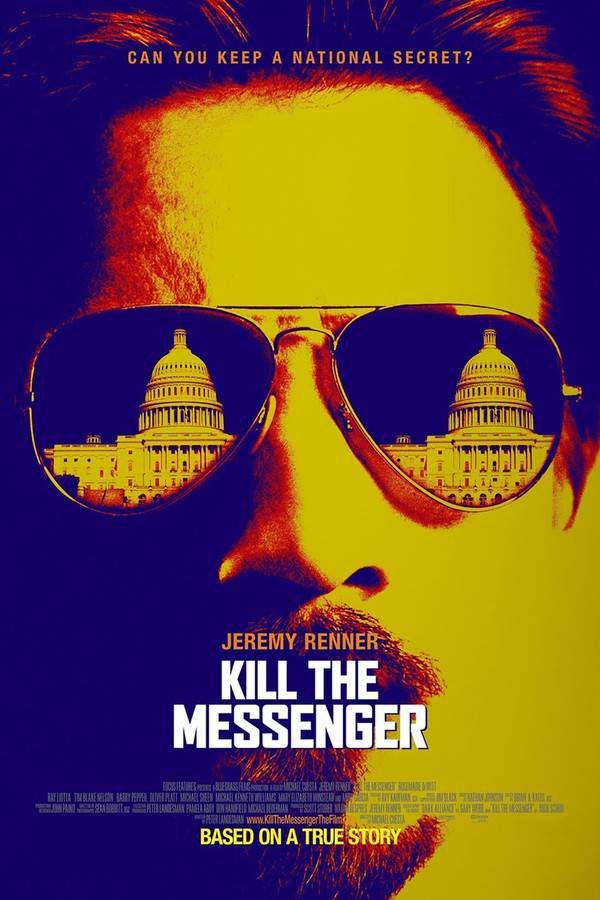
Kill the Messenger 2014

Directed by
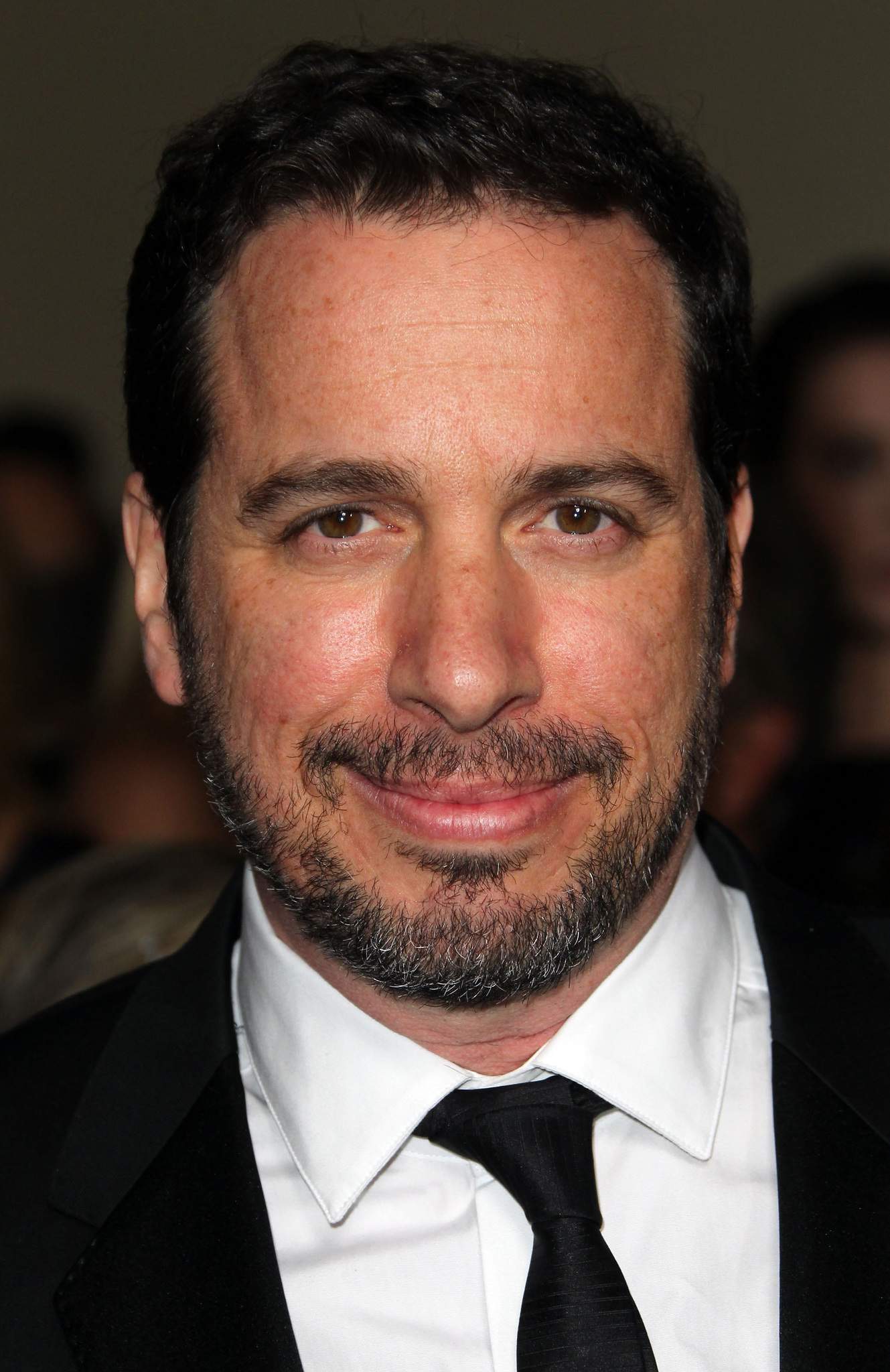
Michael Cuesta
Made by

Focus Features
Where to Watch Kill the Messenger
See current US streaming, rental, and purchase options for Kill the Messenger (2014) via JustWatch.







Kill the Messenger Plot Summary
Read the complete plot summary and ending explained for Kill the Messenger (2014). From turning points to emotional moments, uncover what really happened and why it matters.
In the mid-1990s, a San Jose Mercury News investigation kicks off when Gary Webb, a dedicated reporter, sits down with Ronny Quail, a drug dealer furious that civil asset forfeiture allowed the government to keep his house even after an acquittal. Webb’s probing about forfeiture abuses grows into a broader inquiry as a woman named Coral repeatedly reaches out, claiming to have documents that prove the government backed cocaine trafficking in the United States. Coral hands Webb a transcript of grand jury testimony—normally sealed—accidentally released to her boyfriend during discovery, a critical clue that starts to illuminate a much larger, unsettling pattern. When Webb reveals the existence of the transcript to a prosecutor, charges against Coral’s boyfriend are dropped, seemingly to protect the main witness: Oscar Danilo Blandón.
Webb’s research pushes him deeper into the case, linking Blandón to the infamous “Freeway” Ricky Ross and revealing that Blandón is a paid informant. Ross’s attorney relentlessly presses Blandón to testify under oath about the CIA’s role in Contra cocaine trafficking, suggesting that the agency used drug profits to fund the Contras. This revelation unsettles Webb and points to a government-sponsored ecosystem where illicit drug trafficking could be leveraged for political ends. Webb’s pursuit takes him from U.S. streets to the streets of Managua, where he interviews Blandón’s partner, Norwin Meneses, who corroborates the chain of complicity, including the involvement of Oliver North in the so‑called drugs-for-guns scheme.
Back in Washington, Webb encounters Fred Weil, a National Security Council figure tied to the Kerry Committee report, who warns that delving into this story could put him in danger. Webb is summoned by federal agents who caution him against publishing what he has uncovered, adding a palpable sense of risk to a tale already shrouded in secrecy. Undeterred, the Mercury News presses ahead, and Webb’s three‑part series titled “Dark Alliance” erupts into a national sensation. The piece roils the media landscape, spurring the Los Angeles Times, the Washington Post, and The New York Times to launch their own investigations that sometimes appear to Webb as overly deferential to the CIA, even as they acknowledge the core claims.
The intense coverage also touches Webb personally, as his reporting is met with professional pushback and a controversial personal life, including an affair he had while at The Plain Dealer. His editors eventually relocate him to Cupertino, relegating him to covering local news while he stubbornly continues to chase leads. A pivotal encounter with John Cullen—an individual Webb believes provides a direct CIA link—fuels his sense that the story has real, dangerous substance. Yet the paper balks at the full implications, even as it contemplates publishing an open letter that would challenge aspects of the “Dark Alliance” reporting. At a Society of Professional Journalists dinner that honors Webb as the Bay Area’s Journalist of the Year, he submits his resignation, signaling a fracturing relationship with his editors and a career‑long commitment to a truth he believes deserves public scrutiny.
An epilogue closes the arc with a stark reminder of Webb’s fate: in 2004, he is found dead in his apartment, shot twice in the head, with the death ruled a suicide. The narrative that Webb pursued—of covert dollars, covert power, and the murky intersections of government and crime—leaves a lasting question about accountability, the courage to report hard truths, and the price paid by journalists who dare to challenge powerful institutions.
Kill the Messenger Timeline
Follow the complete movie timeline of Kill the Messenger (2014) with every major event in chronological order. Great for understanding complex plots and story progression.
Webb interviews Ronny Quail about asset forfeiture
In 1996, Gary Webb interviews Ronny Quail, a drug dealer outraged that civil asset forfeiture allowed the government to keep his house even after an acquittal. The confrontation prompts Webb to consider broader abuses of forfeiture and government power. Quail's story anchors Webb's subsequent reporting on how law enforcement and prosecutors handle asset seizures.
Coral contacts Webb with documents proving government-sponsored cocaine sales
Coral calls Webb and agrees to meet after claiming to possess documents that prove government involvement in cocaine trafficking in the U.S. She provides a transcript of grand jury testimony that had been accidentally released to her boyfriend during discovery. Webb agrees to meet and verify the materials, sensing a potential breakthrough.
Webb learns the transcript and exposes it to the prosecutor
Coral gives Webb the grand jury transcript, a document normally kept secret. Webb informs the local prosecutor that he has the transcript, pressuring them to respond. In exchange, the government drops charges against Coral's boyfriend to protect their main witness: Oscar Blandón.
Webb investigates Blandón and the 'Freeway' Rick Ross angle
Webb deepens his research into Oscar Danilo Blandón and the pending case of 'Freeway' Rick Ross. He discovers that Blandón is a paid informant whose testimony could implicate CIA involvement in drug trafficking to fund Contra activities. The scope of the story broadens beyond local corruption to international intrigue.
Webb travels to Managua to interview Norwin Meneses
Webb travels to a prison in Managua and speaks with Norwin Meneses, Blandón's partner. Meneses corroborates Oliver North's involvement in the drugs-for-guns scheme used to fund the Contras. The interview adds direct testimony about the drug networks tied to U.S. foreign policy.
Webb interviews Fred Weil about the Kerry Committee
In Washington, D.C., Webb interviews Fred Weil, a National Security Council investigator connected to the Kerry Committee's work on similar allegations. Weil warns Webb that pursuing the story could put him in danger. The exchange underscores the potential risks of reporting on covert government activity.
Federal agents warn Webb about publishing
Shortly after gathering sensitive material, federal agents summon Webb to a meeting and warn him against publishing what he has learned. The confrontation signals resistance from official channels. Webb is reminded of the personal risks involved in pursuing the story to its conclusion.
Mercury News publishes the 'Dark Alliance' three-part series
The paper runs a three-part series titled 'Dark Alliance,' presenting Webb's findings on CIA involvement in Contra cocaine trafficking. The publication creates an immediate sensation and provokes intense national interest. Webb becomes the focal point for a growing debate about government accountability.
National papers follow up, but with caution
Los Angeles Times, Washington Post, and The New York Times publish follow-up reporting that scrutinizes Webb's work but appears deferential to the CIA. The broader media attention validates the story but also raises questions about sources and reliability. Webb sees his reporting treated as controversial and potentially dangerous.
Webb is reassigned to the Cupertino bureau
Feeling sidelined, Webb is banished to the newspaper's Cupertino bureau to cover mundane local news. He continues to work on the investigation privately, keeping the broader story alive in his notes and interviews. The move illustrates the newsroom's reluctance to fully commit to the controversial allegations.
John Cullen, a CIA source, reaches Webb
Webb is awakened one night by John Cullen, a source with direct knowledge of the scheme. The discovery excites him, but the moment is tempered when the paper reveals plans to publish an open letter casting doubt on aspects of the reporting. The encounter deepens the risk/reward dynamic of pursuing the story.
Webb resigns at a Society of Professional Journalists dinner
At a SPJ dinner honoring him as Bay Area Journalist of the Year, Webb submits his resignation to the editors. The moment signals a turning point as the newsroom's support erodes and his own confidence in the viability of the story shifts. The resignation foreshadows the looming conflicts over Dark Alliance.
Epilogue: Webb's 2004 death
An epilogue reveals that in 2004 Gary Webb was found dead in his apartment, shot twice in the head. His death was ruled a suicide, a conclusion that left many questions about the pressures and consequences of investigative journalism. The ending casts a somber light on the story he pursued for years.
Kill the Messenger Characters
Explore all characters from Kill the Messenger (2014). Get detailed profiles with their roles, arcs, and key relationships explained.
Gary Webb
A relentless investigative journalist who pursues a controversial story about government complicity in drug trafficking. He chases documents, sworn testimonies, and sources across cities, risking professional jeopardy and personal strain. His stubborn pursuit of truth drives the narrative, even as danger looms.
Coral
A key source who hands Webb transcripts and documents that challenge official narratives. She becomes a focal point of risk as the line between whistleblower and target blurs. Her cooperation catalyzes the investigation and highlights the personal stakes for those who expose secrets.
Ronny Quail
A drug dealer outraged by civil asset forfeiture and a symbol of how legal maneuvers intersect with illicit networks. His perspective exposes flaws in enforcement and the incentives behind the drug economy. He acts as a catalyst that pushes the investigation toward higher-level implications.
Oscar Danilo Blandón
A major trafficker whose testimony links covert operations to the drug trade. He shows how informants and political actors may be entwined, offering crucial details about government involvement. His role deepens the conspiracy narrative and broadens Webb's inquiry.
Norwin Meneses
Blandón's partner who corroborates key elements of the story. He provides a practical, ground-level view of how drug networks intersect with informant networks. His testimony helps anchor the broader claims of government complicity.
Fred Weil
A National Security Council investigator who cautions Webb and embodies the government's cautious posture. He represents the risk journalists face when challenging official narratives. His interactions reveal the tension between pursuing truth and preserving sources.
John Cullen
A CIA source who offers direct knowledge of the alleged scheme. His presence marks a potential breakthrough, tempered by the danger of exposure. He embodies the precarious balance between insider access and personal risk.
Rick Ross
A prominent cocaine trafficker whose case intersects with Blandón’s network, illustrating the wider flow of drugs into the U.S. His story expands the investigation beyond a single informant to systemic operations. He serves as a counterpoint to official narratives about the drug trade.
Kill the Messenger Settings
Learn where and when Kill the Messenger (2014) takes place. Explore the film’s settings, era, and how they shape the narrative.
Time period
1990s
Primarily set in the mid-1990s, the film follows Gary Webb's 1996 exposé into alleged CIA-linked cocaine trafficking to fund the Contras. It situates investigative journalism within a climate of political scandal and media pushback, characteristic of the era. An epilogue extends the timeline to 2004, framing the long aftermath of the revelations.
Location
San Jose, Cupertino, Managua, Washington D.C.
The film shifts between the newsroom in San Jose and the quiet Bay Area bureau in Cupertino, as well as Managua’s prisons where corrupt networks are exposed. Washington, D.C. serves as the nerve center of government and enforcement agencies, while the story's geography underscores the global reach of the alleged covert operations. The settings highlight the tension between local reporting and the corridors of power.
Kill the Messenger Themes
Discover the main themes in Kill the Messenger (2014). Analyze the deeper meanings, emotional layers, and social commentary behind the film.
🔎
Investigative Journalism
The story centers on the relentless pursuit of truth as Webb chases documents, sworn testimonies, and sources across cities. It highlights the dangers and pressures journalists face when confronting powerful institutions. The film portrays how in-depth investigation can reshape public understanding and provoke institutional scrutiny.
🗞️
Media and Power
The narrative contrasts Webb's findings with the media establishment's reactions and the government's pushback. It explores how major outlets can be slow to challenge powerful interests, while a regional paper risks greater courage and impact. It asks whether truth-telling justifies professional risk and personal cost.
💊
Conspiracy and War on Drugs
The plot centers on allegations of drug trafficking linked to government actions and funding contras. It examines how illicit profits intersect with politics, raising questions about accountability and the ethics of covert operations. The theme shows the ripple effects of clandestine schemes on everyday communities.

Coming soon on iOS and Android
The Plot Explained Mobile App
From blockbusters to hidden gems — dive into movie stories anytime, anywhere. Save your favorites, discover plots faster, and never miss a twist again.
Sign up to be the first to know when we launch. Your email stays private — always.
Explore the mobile appKill the Messenger Spoiler-Free Summary
Discover the spoiler-free summary of Kill the Messenger (2014). Get a concise overview without any spoilers.
In the simmering backdrop of 1990s America, a nation grapples with the unseen currents of a drug crisis that reaches far beyond the streets. The film immerses the viewer in a gritty journalistic world where headlines mask deeper currents of power, secrecy, and the uneasy alliance between government machinations and illicit trade. The tone is taut and unflinching, a blend of newsroom urgency and the shadowy pulse of covert operations, inviting the audience to feel the weight of information that could reshape public understanding.
At the story’s core is Gary Webb, a tenacious investigative reporter whose curiosity borders on obsession. Driven by a relentless desire to untangle the threads linking a devastating epidemic to clandestine forces, he navigates a maze of reluctant sources, cryptic documents, and institutional warnings. As he pushes deeper, the environment around him tightens—colleagues, officials, and unseen hands each radiate a quiet pressure that hints at the high stakes of his pursuit. The film paints his determination as both a professional calling and a personal crusade, underscored by a palpable sense of danger.
The world of the film is defined by the collision of ordinary life and hidden agendas. Streets bustling with everyday concerns contrast sharply with the labyrinthine corridors of power where decisions are made in hushed tones. A pervasive mood of suspense hangs over every interview, every paper trail, and every whispered caution, suggesting that the truth Webb seeks is as volatile as it is essential. The narrative promises a compelling exploration of journalistic bravery, the cost of exposing concealed truths, and the delicate balance between curiosity and peril.
Movies with Similar Twists and Themes
Uncover films that echo the narrative beats, emotional arcs, or dramatic twists of the one you're exploring. These recommendations are handpicked based on story depth, thematic resonance, and spoiler-worthy moments — perfect for fans who crave more of the same intrigue.

Featured on this page

What's After the Movie?
Not sure whether to stay after the credits? Find out!
Check out our other apps:

SAT Sphere
Build confidence for the Digital SAT.

Mori Atlas
Discover wild places worth protecting.

Luntero
Search smarter for a home in Amsterdam.

Plot Explained
Unravel movie endings and hidden clues.

Pokechamp
Dive into Pokémon data and battle logic.

Driving Theory
Get ready for your European theory test.

Movie Dust
Plan your next cinema trip with ease.

Musemap
Find art and culture as you travel.

Selkobase
Compare credentials before committing.

Local Manual
Turn an unfamiliar country into practical next steps.

Lernavi
Compare school systems before your next move.

GymRoam
Find a workout stop wherever your plans take you.
Explore Our Movie Platform
New Movie Releases (2026)
Famous Movie Actors
Top Film Production Studios
Movie Plot Summaries & Endings
Major Movie Awards & Winners
Best Concert Films & Music Documentaries
Movie Collections and Curated Lists
© 2026 What's After the Movie. All rights reserved.
Privacy Policy