
Umberto D. 1952


Directed by
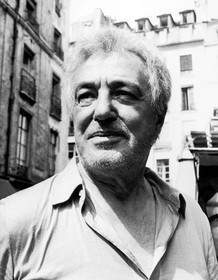
Vittorio De Sica
Made by

Amato Film
Where to Watch Umberto D.
See current US streaming, rental, and purchase options for Umberto D. (1952) via JustWatch.










Umberto D. Plot Summary
Read the complete plot summary and ending explained for Umberto D. (1952). From turning points to emotional moments, uncover what really happened and why it matters.
In a quiet, observant study of dignity under pressure, Carlo Battisti plays Umberto D. Ferrari, a retired government worker whose steady routine is challenged by the harsh tides of aging and poverty. The film opens with a tense street scene as police disperse a long-running protest by elderly men demanding better pensions, a backdrop that underscores Umberto’s precarious financial position and the fragile safety net he clings to.
Back in his modest room, Umberto faces a practical and emotional blow: his landlady has rented the room for an hour to a young couple for an intimate encounter, leaving him faced with eviction unless he can pay the overdue rent of fifteen thousand lire by month’s end. He liquidates some possessions, selling a watch and a few books, but the total falls far short. The landlady remains firm and refuses any partial payment, signaling how little space there is for negotiation in his current world.
The situation is complicated by a sympathetic, unnamed maid who confides in Umberto about her own troubles. She is three months pregnant and unsure which of two soldiers—one tall from Naples and one shorter from Florence—might be the father. This intimate moment reveals the thread of vulnerability running through the lives of those who share Umberto’s cramped quarters and precarious future.
Feeling ill, Umberto seeks medical help and checks into a hospital where he is diagnosed with tonsillitis. After a short stay, he is discharged, only to return to a scene of upheaval: the apartment is undergoing renovations, the landlady is soon to be married, and his room now features a gaping hole in the wall. The sympathetic maid had been caring for his dog, Flike, but a door left ajar allows the dog to slip away.
In a desperate rush to secure his companion, Umberto rushes to the city pound and finds Flike, a small, loyal creature who has become a touchstone for Umberto’s sense of purpose. A failed attempt to secure a loan from a friend—who cannot or will not listen—forces Umberto to confront the prospect of begging from strangers, a path he cannot bring himself to take. The thought of life without Flike gnaws at him, and for a moment, the plan to abandon the dog grows in his mind. Yet he cannot fully abandon the bond they share.
The story tracks Umberto’s attempts to place Flike with various caretakers. He tries first with a couple who board dogs, then with a young girl he knows, only to have Flike returned by the nanny. Flike eventually wanders into a play moment with other children, and Umberto discreetly slips away, hoping one of them will adopt the dog. Instead, Flike chooses Umberto, guiding them back toward a shared space of companionship.
As a final, poignant turn, Umberto and Flike are drawn together on a railway bridge and into a park, where fear and despair give way to a small, improvised window of joy. Flike seems to coax Umberto away from the danger of the tracks, and the chase subtly evolves into a tender game. Umberto reveals his longing not to relinquish the life he has left, and, in a quiet act of mutual trust, he and Flike run and play along the park path as evening light softens the edges of their world. This ending leaves viewers with a restrained but hopeful image: resilience found in companionship, and a glimpse of ordinary joy amid the fragility of a life lived on the edge of necessity.
- Maria Pia Casilio appears as Maria, the sympathetic maid who shares her own worries with Umberto, briefly cast in a supportive, human light.
- The Lady and the other unnamed figures around Umberto’s world interact with him in ways that underscore the film’s themes of dignity, aging, and the stubborn persistence of hope.
- The girl who briefly connects with Flike, the room’s renovation, and the patient and nun glimpsed in hospital settings all serve to frame Umberto’s journey as one of weathering loss while clinging to a small, stubborn ember of life.
The dog Flike remains a central, tender thread—a living symbol of loyalty and quiet companionship that grounds Umberto as he navigates the uncertainties of rent, health, and housing. The film’s balance of melancholy and warmth invites a careful, patient viewing, letting the quiet moments between Umberto and Flike carry the emotional weight that drives the story toward a human, hopeful note.
Umberto D. Timeline
Follow the complete movie timeline of Umberto D. (1952) with every major event in chronological order. Great for understanding complex plots and story progression.
Police disperse pension protest; Umberto D among the marchers
Police disperse an organized street demonstration of elderly men demanding a raise in their meager pensions. Umberto D. Ferrari is among the marchers, illustrating his precarious financial situation. The scene establishes the social pressures facing retirees in postwar Italy.
Landlady rents Umberto's room for an hour and threatens eviction
The landlady returns to Umberto's room and finds it rented for an hour to a young couple who want to have sex. She threatens to evict him at the end of the month if he cannot pay the overdue rent, fifteen thousand lire. This moment underscores the fragility of his housing situation.
Umberto sells possessions to raise money; partial payment refused
To raise money, Umberto sells a watch and some books, but the sum raised is only about a third of what he owes. The landlady refuses to accept partial payment, leaving him still in arrears. The weight of unpaid rent compounds his desperation.
Sympathetic maid reveals her pregnancy and lovers
The sympathetic maid confides in Umberto about her own problems: she is three months pregnant and unsure which of her two soldier lovers is the father. Her candor adds a personal layer to the hardships depicted in the film. Her confession foreshadows the precariousness of many characters' lives.
Umberto falls ill and is admitted to hospital
Feeling ill, Umberto checks into a hospital and is diagnosed with tonsillitis. He is discharged after a few days and returns to an unsettled home life. The illness temporarily relieves him from his immediate worries but intensifies his sense of fragility.
Renovations and a hole in the wall reveal a new living room plan
Back at the apartment, Umberto discovers workmen renovating the place and learns the landlady is getting married. His room has a gaping hole in the wall, and the maid explains the hole will become part of an enlarged living room. The changes strip away the room that had been his refuge.
Flike runs away as the door is left open
The maid had been taking care of his dog Flike, but a door is left open and Flike runs away. Umberto is left to cope with the loss as the household changes around him. The dog’s disappearance compounds his loneliness and practical worries.
Search at the city pound; Flike is found
Umberto goes to the city pound and is relieved to find Flike there. The reunion rekindles his resolve to care for the dog despite his mounting problems. It also highlights the harsh realities of keeping a pet without stable housing.
A loan request is refused; contemplation of suicide
Unable to secure a loan from a friend who has a job, Umberto refuses to beg from strangers and contemplates suicide. He clings to the idea of caring for Flike even as his own life spirals. The moment marks a turning point from despair toward a stubborn will to survive.
He packs up and leaves; parting advice to the maid
Umberto packs his belongings and leaves the apartment, offering the maid one last piece of advice: to get rid of the Florence boyfriend. His departure marks the end of his tenure in that place. He faces an uncertain future without a stable roof over his head.
Attempts to rehome Flike fail; first with a dog-boarding couple
First he tries to place Flike with a couple who board dogs, then with a little girl he knows, but the nanny makes the girl give the dog back. The attempts fail one after another, underscoring his inability to secure help. Flike remains a hopeful, fragile link to his former life.
Flike and Umberto at the park; a hopeful separation
Flike goes to play with some children, and Umberto slips away, hoping that one of the children will adopt him. The moment shifts the focus from survival to finding a possible home for his companion. The park setting becomes a stage for their tentative bond.
Approaching danger: the railway moment with Flike
Umberto carries Flike toward a railway track as a speeding train approaches. Flike becomes frightened, wriggles free, and flees into the surrounding area. The moment tests their bond as a real-life peril looms.
Chase turns to play; a pine cone guides them back
The chase slowly morphs into play as Umberto lures Flike with a pine cone. The dog responds with curiosity, easing the tension of the earlier peril. Their interaction hints at a renewed bond between man and dog.
Ending: Umberto and Flike run and play in the park
The movie ends with Umberto and Flike running and playing down the park lane. The moment offers a fragile sense of hope after poverty, loneliness, and loss. It leaves the audience with a humane, hopeful note about companionship.
Umberto D. Characters
Explore all characters from Umberto D. (1952). Get detailed profiles with their roles, arcs, and key relationships explained.
Umberto D. Ferrari (Carlo Battisti)
A retired government worker whose pension barely covers his needs. He is proud, stubborn, and deeply humane, refusing to rely on others even as his circumstances tighten. His bond with his dog Flike reveals his longing for companionship and a sense of purpose beyond financial security.
Maria (Maria Pia Casilio)
A sympathetic maid who shares her own troubles with Umberto. She is caring but overwhelmed by pregnancy and two lovers' uncertainty, revealing the precarious position of women in this world. Her conversations with Umberto expose the strain of personal choices in a constraining environment.
Antonia Belloni (Lina Gennari)
The landlady who is blunt and practical, enforcing rent collection and eviction threats. She embodies the social pressures that push the elderly toward precarity in the city. Her actions catalyze Umberto's scramble to keep his home and dignity.
The Woman in Umberto's Room (Ileana Simova)
A mysterious figure whose presence in Umberto's space shakes the sense of security he has left. Her appearance adds a layer of vulnerability and ambiguity to Umberto's already fragile world.
The Nun at the Hospital (Elena Rea)
A minor, compassionate figure encountered during Umberto's hospital stay. She reflects themes of care and spiritual solace in a world of material hardship.
The Patient at the Hospital (Memmo Carotenuto)
A fellow patient whose presence underscores the shared vulnerability of older people in medical settings. Their interaction contributes to the sense of community amid anonymity.
Flike (Napoleone the Dog)
Umberto's dog, a refuge and a source of warmth amid the hardship. The dog embodies loyalty and a simple joy that sustains Umberto through fear, loneliness, and small hopes.
Umberto D. Settings
Learn where and when Umberto D. (1952) takes place. Explore the film’s settings, era, and how they shape the narrative.
Location
Rome, Italy
The action unfolds in a cramped, working-class dwelling in Rome, with scenes in the landlady's building, the city pound, a hospital, and a nearby park. The urban setting highlights the struggles of an aging retiree, a landlady-driven rent system, and the small acts of kindness that punctuate daily life. The film uses these locations to show dignity amid poverty and the social margins of postwar Italy.
Umberto D. Themes
Discover the main themes in Umberto D. (1952). Analyze the deeper meanings, emotional layers, and social commentary behind the film.
💸
Poverty Struggle
Umberto D.'s battle with poverty frames the story: eviction threats, the sale of personal possessions, and the constant worry over basic necessities. The film shows how financial precarity erodes security and forces painful decisions. Yet it also presents moments of restraint and resilience, highlighting dignity beyond monetary worth.
🧓
Dignity Under Pressure
Umberto clings to his self-respect despite being short of money and social support. He resists begging, seeks small favors, and tries to plan for Flike's future. The pressure of aging and dependence on a fragile system tests his resolve and humanity.
🐾
Dog Bond
Flike the dog anchors Umberto's world and represents unconditional companionship. Their relationship evolves from practical responsibility to a shared will to live with dignity. The chase ending becomes a playful, hopeful moment rather than a tragedy, underscoring the power of bond to soften despair.

Coming soon on iOS and Android
The Plot Explained Mobile App
From blockbusters to hidden gems — dive into movie stories anytime, anywhere. Save your favorites, discover plots faster, and never miss a twist again.
Sign up to be the first to know when we launch. Your email stays private — always.
Explore the mobile appUmberto D. Spoiler-Free Summary
Discover the spoiler-free summary of Umberto D. (1952). Get a concise overview without any spoilers.
In the post‑war streets of Rome, a quiet protest of pensioners drifts past cramped cafés and weathered façades, underscoring a city where old promises clash with present scarcity. The atmosphere is spare and observant, a hallmark of Italian neorealism that lets everyday hardship speak louder than any grand spectacle. Within this world, a thin veil of dignity clings to the lives of those who have outlived the systems that once supported them.
Umberto D. Ferrari is a retired civil servant whose days are marked by modest routines and the soft companionship of his small dog, Flike. Returning from a rally demanding higher old‑age pensions, he discovers that his landlady has given him an ultimatum: pay fifteen thousand lire by the end of the month or face eviction. The looming loss of his modest room, the place where he has built a fragile sanctuary, forces him to consider desperate measures, including feigning illness to gain entry to a hospital. The relationship with Flike—a loyal, almost talismanic presence—highlights his struggle to preserve a sense of self amid shrinking comforts.
A sympathetic maid, Maria, shares her own precarious situation, offering a glimpse into the intertwined vulnerabilities of the building’s occupants. Their brief exchanges reveal a community bound by silent endurance, where simple gestures become acts of mutual support. The film’s tone remains unflinching yet tender, balancing melancholy with moments of understated warmth, allowing the audience to feel the weight of each unspoken worry.
Through measured camera work and restrained dialogue, the story invites viewers to linger on the texture of daily life: the creak of a floorboard, the patter of rain on a narrow balcony, the quiet resolve in an elderly man’s eyes. Umberto D.’s quiet battle to keep his home, his health, and his beloved dog becomes a meditation on dignity, hope, and the stubborn spark that refuses to be extinguished even when the world seems determined to dim it.
Movies with Similar Twists and Themes
Uncover films that echo the narrative beats, emotional arcs, or dramatic twists of the one you're exploring. These recommendations are handpicked based on story depth, thematic resonance, and spoiler-worthy moments — perfect for fans who crave more of the same intrigue.
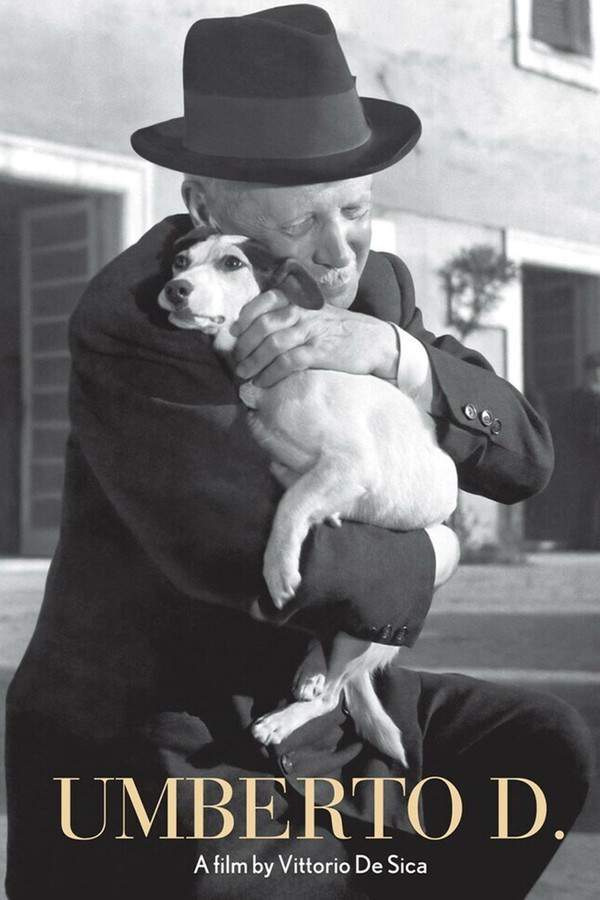



Featured on this page

What's After the Movie?
Not sure whether to stay after the credits? Find out!
Check out our other apps:

SAT Sphere
Build confidence for the Digital SAT.

Mori Atlas
Discover wild places worth protecting.

Luntero
Search smarter for a home in Amsterdam.

Plot Explained
Unravel movie endings and hidden clues.

Pokechamp
Dive into Pokémon data and battle logic.

Driving Theory
Get ready for your European theory test.

Movie Dust
Plan your next cinema trip with ease.

Musemap
Find art and culture as you travel.

Selkobase
Compare credentials before committing.

Local Manual
Turn an unfamiliar country into practical next steps.

Lernavi
Compare school systems before your next move.

GymRoam
Find a workout stop wherever your plans take you.
Explore Our Movie Platform
New Movie Releases (2026)
Famous Movie Actors
Top Film Production Studios
Movie Plot Summaries & Endings
Major Movie Awards & Winners
Best Concert Films & Music Documentaries
Movie Collections and Curated Lists
© 2026 What's After the Movie. All rights reserved.
Privacy Policy