
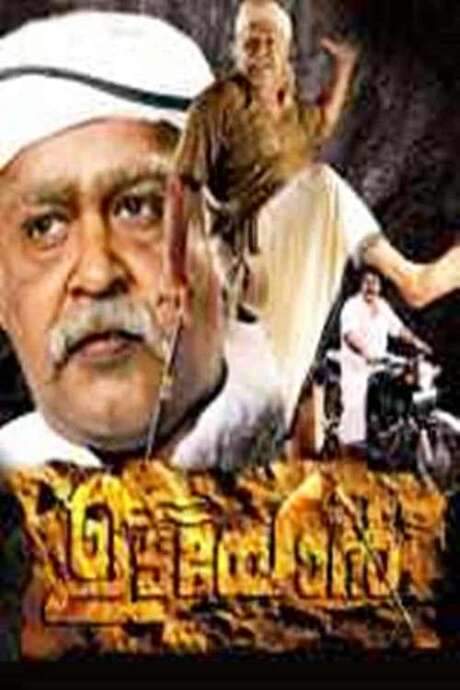



Udayon Plot Summary
Read the complete plot summary and ending explained for Udayon (2005). From turning points to emotional moments, uncover what really happened and why it matters.
Kunju, Mohanlal, the 75-year-old patriarch of the Shooranadu family, believes the heartbeat of the earth is found in soil and farming. He elevates agrarian living to a sacred ideal and treats farming as the ultimate measure of a person’s worth, a stance that repeatedly puts him at odds with his children. His rigid devotion to land and labor creates a constant tension at home, especially with his son Pappoyi, Mohanlal, as he tries to steer his life in directions that diverge from his father’s agricultural creed. The family’s dynamics are further shaped by Mammali, Siddique, and Pottan Pathru, Manoj K Jayan, two other sons who find themselves pulled between filial duty and their own aspirations, all under Kunju’s stern watch.
Kunju’s devotion to the soil is so strong that it colors every major decision, including the question of whom his daughters and sons should marry. He believes in marrying off his daughter to a fellow farmer rather than an educated, handsome doctor, a choice that sparks silent resentment and open frustration among the siblings. This moment crystallizes the idea that Kunju’s ideals are not merely about work but about control over the family’s future, and it unsettles the balance that the younger generation is trying to strike between tradition and opportunity.
Hidden under the surface of these clashes is a long-buried secret. Kunju had swindled a substantial portion of land—five acres—that should have gone to his sister Eechamma, by discreetly altering his Father’s Will with the help of the family lawyer. The deceit remains a ticking time bomb, waiting to redefine loyalties within the family. When the truth surfaces years later, it lands squarely on Eechamma, and she decides to reclaim what is rightfully hers through legitimate channels. Eechamma, played by Bindu Panicker, is pushed into a financial squeeze that makes legal redress feel like a necessity rather than a choice.
The revelation comes at a moment that forces old wounds to the surface. Mullassery Sreedharan, the family lawyer, reveals the truth to Eechamma, setting off a chain of actions that echo through generations. Eechamma’s decision to pursue her rightful share through lawful means deepens the rift within the family, turning a private grievance into a public dispute that involves siblings and in-laws alike. The backstory of an earlier tragedy—Eechamma’s husband, a toddy shop owner, taking his own life under financial strain after pleading for Kunju’s help—casts a pall over the present conflict and explains the emotional stakes behind the characters’ choices.
Into this already fragile balance step Mathan, Kalabhavan Mani and his brother-in-law Mundaparitha Perumal, a local Tamil village chieftain and arbitrator. Their interference injects a new layer of complexity into the property dispute, highlighting how communal power dynamics can complicate private family grievances. Yet Eecha, the sister who longs for fairness rather than harm, does not seek revenge against her brother. Her younger son Pottan Pathru, Manoj K Jayan and his voice-impaired perspective echo her stance, underscoring a family thread that values restraint even amid escalating tensions.
As the dispute escalates, Papoyi’s efforts to broker peace falter. The family’s internal strife grows more personal and dangerous as the plot tightens around the threads of property and loyalty. The tension culminates in a cruel turn: Kunju’s youngest son Ponnan becomes a pawn in the struggle and is killed in the process of pressuring the transfer of land. In a chilling act of retaliation, Kunju kills Perumal, and the keys to the family estate are handed to Eecha as Kunju is arrested and taken away in custody.
The prison doors close on Kunju, but his reaction as he leaves the house is one of stark, almost wailing repentance. The film closes on a conflicted note: a man who has built his life on uncompromising principles now confronted with the consequences of those choices. Across the arc of the story, the characters—Pappoyi, Mammali, Pottan Pathru, Mathan, and Eecha—reveal the human cost of stark ideals when they collide with family bonds and the stubborn pursuit of land and legacy. The narrative remains grounded in its careful portrayal of position and power within a traditional family, painting a portrait of pride, loss, and the quiet ache of a life spent trying to measure worth in soil.
Udayon Timeline
Follow the complete movie timeline of Udayon (2005) with every major event in chronological order. Great for understanding complex plots and story progression.
Kunju's agrarian gospel shapes the family
Kunju, the patriarch, elevates farming as the true measure of worth and treats the soil as sacred. His steadfast devotion to agricultural life colors every major decision within the Shooranadu family. This rigid stance puts him at odds with his children who seek different paths.
Preference for marrying daughters to farmers
Kunju insists his daughter marry a fellow farmer rather than an educated, handsome doctor. This stance triggers silent resentment and open frustration among the siblings. It crystallizes his belief that controlling the family’s future is as important as work.
The Will scandal begins: five acres redirected
With the help of the family lawyer, Kunju secretly alters his Father’s Will to divert five acres that should have gone to Eechamma. The deceit seeds a hidden rift that will surface years later. The act is a quiet abuse of trust that defines loyalties within the clan.
Backstory of Eechamma's late husband
Eechamma's husband, a toddy shop owner, faced financial strain and pleaded for Kunju’s help. When help did not come, he took his own life, casting a pall over the family. This tragedy foreshadows the emotional stakes behind Eechamma's demands for justice.
The truth surfaces: Mullassery Sreedharan reveals the deceit
Years later, Mullassery Sreedharan, the family lawyer, reveals the truth about the Will to Eechamma. He recounts the manipulated document and the five-acre swap. The revelation thrusts a private grievance into the public sphere.
Eechamma pursues redress through law
Shaken by the revelation, Eechamma decides to pursue her rightful share through legal channels. Her move deepens the family rift and invites scrutiny from in-laws and neighbors. The courtroom becomes a new battlefield where pride and inheritance clash.
Enter Mathan and Mundaparitha Perumal
Mathan and his brother-in-law Mundaparitha Perumal arrive as outsiders who claim to arbitrate the dispute. Their interference introduces new power dynamics and complicates private grievances. Their authority is contested by the core family interests.
Eecha and Pottan Pathru advocate restraint
Eecha, the sister who longs for fairness, resists revenge and seeks balanced resolution. Pottan Pathru's muted perspective echoes a family thread favoring restraint. Together they push for a path that avoids bloodshed.
The escalation ends in tragedy: Ponnan's death
As the dispute intensifies, Ponnan, Kunju's youngest son, becomes a pawn and is killed in the course of pressuring land transfer. The act underscores the grim cost of pride and control. The family is left to grapple with the consequences of their choices.
Kunju retaliates: murder of Perumal
In retaliation, Kunju kills Perumal, escalating the cycle of violence and cementing the feud. The act triggers legal action and reverses the balance of power within the family. The family is further fractured as loyalties shift under the weight of vengeance.
Estate passes to Eecha
With Kunju arrested, the keys to the family estate are handed to Eecha. Her ascent marks a formal shift in control away from Kunju's iron will. The transfer signals a fragile new order for the clan.
Kunju's arrest and departure
Kunju is taken into custody as the law closes around him. On leaving the house, his reaction is a wrenching scene of repentance and sorrow. The moment tests whether remorse can repair a lifetime of rigidity.
Closing note: repentance and cost
The prison doors close, but Kunju's public repentance remains ambiguous as the family confronts the consequences. The narrative closes on a conflicted note about pride, land, and the cost of uncompromising ideals. The cost lingers for Pappoyi, Mammali, Pottan Pathru, and Eecha.
Udayon Characters
Explore all characters from Udayon (2005). Get detailed profiles with their roles, arcs, and key relationships explained.
Shooranad Kunju (Mohanlal)
A 75-year-old patriarch whose life centers on farming and land. He elevates agriculture to a sacred ideal, compelling his children to conform to a rigid code. His uncompromising devotion to soil drives decisions about marriage and family loyalty, often at the expense of individual happiness. His willingness to retaliate when pressed reveals the moral cost of his principles.
Shooranad Pappoyi (Mohanlal)
Kunju’s son who seeks a life beyond the father’s agrarian creed. He clashes with Kunju’s rigidity as he pursues directions that diverge from farming’s sacred code. The tension between father and son drives much of the family’s conflict, forcing choices between loyalty and personal ambition. His struggle highlights the generation gap within a tradition-bound household.
Mammali (Siddique)
One of Kunju’s other sons, he navigates the family’s power dynamics and expectations. He is torn between filial duty and his own aspirations, often acting as a conduit for the family’s shifting loyalties. His stance reflects the complexities of loyalty when tradition and opportunity pull in different directions.
Pottan Pathru (Manoj K Jayan)
Another son whose voice is constrained within the family’s disputes. He becomes entwined in the land conflict through his ties to the estate and the property dispute, illustrating how family honor and financial pressures press individuals into difficult choices.
Mathan (Kalabhavan Mani)
A key figure in the dispute, along with Mundaparitha Perumal, who acts as an arbitrator and local power broker. His interference adds a layer of communal politics to private family conflict, showing how external authorities shape outcomes in the fight over land.
Ichamma (Eechamma) (Bindu Panicker)
The sister who longs for fairness and lawful redress, not revenge. She becomes a focal point for reclaiming her rightful share and resisting her brother’s control. Her stance grounds the drama in a sense of family justice beyond personal grudges.
Mullassery Sreedharan (Lawyer)
The family lawyer who uncovers the hidden truth about the will and land, triggering the legal battle. His actions propel the dispute from private grievance to public confrontation, revealing the moral costs of greed and deceit.
Mundaparitha Perumal
A Tamil village chieftain and arbitrator who becomes an external interference in the dispute. His involvement exposes cross-community power dynamics and complicates the fight over inheritance and land.
Udayon Settings
Learn where and when Udayon (2005) takes place. Explore the film’s settings, era, and how they shape the narrative.
Location
Shooranadu, Kerala, India
The story unfolds in a traditional agrarian community centered on the Shooranadu family. The setting emphasizes village life where farming and land ownership shape daily routines, social status, and intergenerational loyalties. The landscape and customs reflect a culture that treats soil as identity and duty.
Udayon Themes
Discover the main themes in Udayon (2005). Analyze the deeper meanings, emotional layers, and social commentary behind the film.
🌾
Land and Legacy
Land ownership drives the conflict, shaping loyalties and tests of character. The patriarch Kunju treats soil as sacred, turning property into a marker of worth and control. The fight over five acres exposes old wounds and questions of rightful inheritance.
👪
Family and Duty
Generational divides place tradition above individual dreams. Children push for new directions, while the father enforces a rigid code. The film explores how family bonds strain under pride, secrecy, and competing visions of what family is for.
⚖️
Truth and Justice
A long-buried secret, forged wills, and legal battles drive the drama. The revelation by the family lawyer exposes moral costs and tests loyalties. Violence and revenge collide with lawful redress, leaving characters to confront consequences of their choices.

Udayon Spoiler-Free Summary
Discover the spoiler-free summary of Udayon (2005). Get a concise overview without any spoilers.
In the sun‑kissed fields of Shooranadu, an elderly farmer named Kunju has built his life around the belief that the truest worth of a person is measured by the soil beneath their feet. His farm is more than a livelihood; it is a sanctuary of tradition where the rhythm of the seasons dictates the family’s values. The quiet, rust‑colored landscape frames a world where honor is tied to the plow, and the very air seems to pulse with the echo of generations who have tended the land.
Within this tightly knit household, Pappoyi, Mammali and Pottan Pathru navigate the weight of their father’s uncompromising ideals while yearning for their own paths. Their sister’s impending marriage becomes a flashpoint, as Kunju insists she wed a fellow farmer rather than a more cosmopolitan suitor, casting a subtle but persistent tension between duty and desire. The siblings’ quiet rebellions and polite disagreements hint at an undercurrent of generational conflict, each character balancing respect for the patriarch with the pull of personal aspirations.
Beneath the surface, the family’s legacy is intertwined with a hidden question of land and inheritance. Eechamma, the sister whose share was quietly altered years ago, senses an unresolved imbalance that threatens to surface. The presence of Mathan, a local arbitrator, and his associate Mundaparitha Perumal adds a communal dimension to the private dispute, while the family’s long‑standing lawyer, Mullassery Sreedharan, holds the keys to long‑buried truths. The film moves with a contemplative, earthy tone, letting the audience feel the weight of tradition, the ache of unspoken grievances, and the fragile hope that a family bound by soil might still find common ground.
Movies with Similar Twists and Themes
Uncover films that echo the narrative beats, emotional arcs, or dramatic twists of the one you're exploring. These recommendations are handpicked based on story depth, thematic resonance, and spoiler-worthy moments — perfect for fans who crave more of the same intrigue.








Featured on this page

What's After the Movie?
Not sure whether to stay after the credits? Find out!




Explore Our Movie Platform
New Movie Releases (2026)
Famous Movie Actors
Top Film Production Studios
Movie Plot Summaries & Endings
Major Movie Awards & Winners
Best Concert Films & Music Documentaries
Movie Collections and Curated Lists
© 2026 What's After the Movie. All rights reserved.