
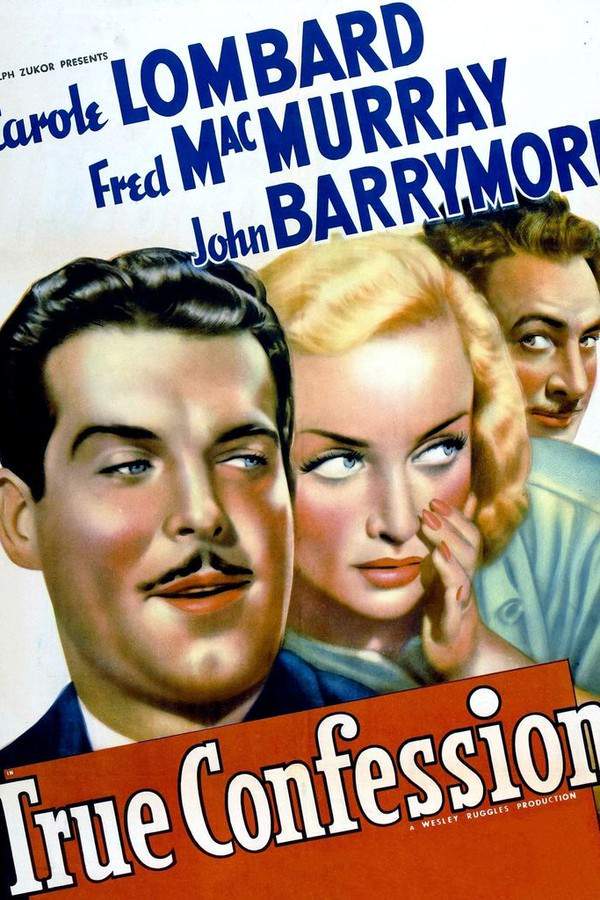
What Is True Confession About?
The premise of True Confession in 283 words, with nothing given away. The full story follows below.
In the smoky, post‑war streets of Los Angeles, the city’s glossy optimism masks a tangled web of ambition, faith, and whispered secrets. Against this backdrop, the sharp‑tongued attorney Michael Hart navigates the courtroom with the same flair he brings to his everyday life, a blend of razor‑edge wit and genuine empathy. At home, his steadfast partner Sara offers a grounding presence, their marriage a quiet sanctuary that feels increasingly fragile under the pressure of an unexpected trial.
When Sara is unexpectedly thrust into the spotlight of a sensational criminal accusation, Michael finds his professional instincts colliding with personal devotion. The case’s complexity—riddled with half‑truths and concealed motives—draws him into a labyrinth of testimonies and hidden alliances, challenging his reputation for clever legal maneuvering. The film’s tone walks a tightrope between tension and humor, letting the absurdities of the legal circus shine through while maintaining an undercurrent of heartfelt stakes.
As Michael delves deeper, his partnership with Sara becomes both his greatest strength and his most vulnerable point. Their dynamic, marked by playful banter and earnest concern, highlights the delicate balance between love and duty. Along the way, the story introduces a cast of colorful figures—clergy members, city officials, and old acquaintances—each adding a layer of intrigue without ever revealing the final shape of the puzzle.
The atmosphere is one of elegant melancholy punctuated by moments of bright comedy, inviting the audience to wonder how far truth can stretch when filtered through loyalty and affection. By the film’s end, the viewer is left with a lingering sense of curiosity about the surprising revelations that lie just beyond the courtroom doors, and a warm appreciation for the resilient bond at the heart of the story.
What Happens in True Confession?
The complete story of True Confession, from the first scene to the last, in 594 words (about 3 minutes). Spoilers throughout.
Spoilers ahead
In 1948, the narrative unfolds around Rev. Desmond Spellacy, a young Roman Catholic monsignor strategically navigating the intricate web of the Los Angeles archdiocese. Unbeknownst to many, he has an older brother named Tom—a seasoned homicide detective with the Los Angeles Police Department. This juxtaposition of faith and law enforcement sets the stage for a thrilling yet tumultuous journey, where the lines between morality and corruption begin to blur.
Des, with a talent for implementing church initiatives while maintaining a tight grip on the budget, often finds himself compromised by the morally ambiguous dealings of Jack Amsterdam, a construction mogul who masquerades as a lay Catholic. While Jack outwardly positions himself as a benefactor for the congregation, it becomes increasingly apparent that his self-serving motivations far eclipse his genuine interest in the church’s welfare.
The plot intensifies when the body of Lois Fazenda, a young woman, is discovered gruesomely severed in half in an abandoned lot, leading to a sensational media frenzy that labels her as “the Virgin Tramp.” This unfortunate title encapsulates both her status as a Catholic and her alleged profession as a prostitute, further complicating the investigation as Tom and his partner, Frank Crotty, are thrust into a case that stirs public outrage and intrigue alike.
As Tom delves deeper into this baffling murder case, he crosses paths with Brenda Samuels, a notorious madam with whom he shares a strained past, stemming from his earlier days as a bagman for Amsterdam. Brenda, feeling the weight of past injustices, asserts that she is connected to the deceased priest, implicating both herself and the broader web of corruption stemming from Jack and his associates. Her revelation prompts Tom to blackmail Brenda into providing him with critical leads, notably tied to a stag film featuring Fazenda.
Convinced that he can unveil the layers of deceit surrounding her death, Tom’s obsession grows. Alongside Frank, he discovers that Fazenda was a favored performer of Standard, a pornographic film director known for exploiting vulnerable women, driving the narrative deeper into a seedy underbelly of Los Angeles life. The investigation reveals hidden connections to corrupt community figures, laying bare the unsettling truth of power dynamics within the city.
Frustrations peak when a confrontation at a Catholic banquet meant to honor Amsterdam spirals out of control, leading to a dramatic showdown between Tom and Jack. Tom’s increasing desperation becomes evident as he seeks justice, unwilling to allow familial ties to deter him from unveiling the truth behind Brenda’s and Lois’s deaths.
As the noose of corruption tightens around Des, he finds himself at a crossroads; the very fabric of his faith is questioned amid swirling allegations and accusations. Caught between safeguarding his dignity as a clergy member and supporting his brother’s relentless pursuit of justice, the monk must navigate treacherous waters fraught with deceit.
When tragedy strikes again and Brenda is found suspected of suicide, Tom’s resolve only strengthens. He makes the bold decision to have Amsterdam detained, a choice that inadvertently ensnares Des in the unfolding storm. Their once-glimmering reputations are thrown into jeopardy, raising moral quandaries that resonate deeply.
Ultimately, with his career and credibility hanging by a thread, Des opts for seclusion in a remote desert parish—where he hopes to escape the suffocating shadow of betrayal and regret. Years later, a poignant reunion between the brothers occurs as Tom comes to reconcile with his brother, now facing his mortality. The encounter reveals a poignant layer of familial love and forgiveness, as Des offers absolution to Tom, lifting the burdens of guilt that have plagued their relationship.
True Confession Timeline: Every Key Event in Order
15 key events in the order they happen, from “Desmond Spellacy's Role” to “Final Reunion”. 6 events name a place, across 5 locations.
- 1
Desmond Spellacy's Role
In 1948, Rev. Desmond Spellacy serves as a young Roman Catholic monsignor in the bustling Los Angeles archdiocese. His ability to manage church projects economically stands out, though he occasionally ignores moral dilemmas in the construction dealings he oversees.
When:1948 Where:Los Angeles
- 2
Murder of Lois Fazenda
The gruesome discovery of Lois Fazenda's body in a vacant lot shocks the community, especially as her remains are found cut in two. This sensational murder case quickly catches the attention of the press, where she is dubbed 'the Virgin Tramp' due to her dual identity as both a Catholic and a prostitute.
Where:Vacant lot in Los Angeles
- 3
Tom's Investigation Begins
Tom, a seasoned homicide detective and Des's older brother, takes charge of the murder investigation along with his partner, Frank Crotty. They soon discover links to local corruption when they encounter Brenda Samuels, a madam with a troubled past and ties to the case.
- 4
Brenda's Revelation
Brenda Samuels contacts the police, disclosing that a Catholic priest was found dead while engaging with one of her prostitutes. During this encounter, she confronts Tom about her imprisonment, showcasing her deep resentment toward the corrupt dealings of Jack Amsterdam.
- 5
Stag Film Evidence
As Tom delves deeper into the investigation, he discovers that Fazenda was involved in a stag film. With Frank by his side, they locate this film and notice a crucial detail—a girl from the movie had connections to Brenda's brothel on the day of the priest's death.
- 6
Tracking the Girl
Following a lead, Tom and Frank spot the girl from the stag film as she is arrested during a police roundup. They learn she was favored by porno director Standard due to a distinctive tattoo, connecting her further to the ongoing investigation.
Where:Los Angeles
- 7
Family Tensions
During a lunch meeting, Tom confronts Amsterdam with knowledge about his dark dealings, putting Des in an uncomfortable position. Des, aware of the church's tarnished reputation, urges the Cardinal to sever ties with Amsterdam, cementing their moral conflict.
- 8
The Salutation Dinner
As a final gesture to Amsterdam, Des organizes a 'layman of the year' banquet, ostensibly to honor him. However, this act is laced with bitter irony, as it signifies the end of their tumultuous relationship, culminating in a public confrontation between Tom and Amsterdam.
Where:Banquet venue in Los Angeles
- 9
Discovery at Standard's Studio
Tom visits Standard's filming location and uncovers sinister clues, including evidence of violence. With the floor and bathtub marked by dried blood, he realizes the depths of corruption tied to the case, intensifying his resolve to seek justice.
Where:Deserted army post outside Los Angeles
- 10
The Death of Standard
Unexpectedly, Tom learns that Standard, the director embroiled in the scandal, died in a car accident shortly after Fazenda's murder. This shocking twist leaves Tom questioning the connections between all the ongoing events and heightens the urgency of his investigation.
Show the other 5 events of True Confession Hide the last 5 events
- 11
Amsterdam's Warning
Amsterdam's lawyer, Dan Campion, confronts Des, advising him to distance himself from Tom's relentless pursuit of justice. This warning underscores the potential dangers to Des's reputation, highlighting the interconnectedness of corruption in their lives.
- 12
Brenda's Tragic Death
The situation escalates when Tom discovers Brenda's lifeless body, ruled an apparent suicide. This devastating turn pushes Tom to intensify his efforts against Amsterdam, desperate to reveal the truth behind the layers of deceit plaguing their lives.
- 13
Confrontation and Fallout
Determined for justice, Tom insists on bringing Amsterdam in for questioning, leading to unexpected consequences for Des as well. The bond between the brothers becomes strained as they navigate the conflicts of loyalty versus the quest for truth.
- 14
Desmond's Relocation
Facing the fallout from the investigation, Des asks to be moved to a remote parish in the desert, marking a significant downturn in his career. This relocation symbolizes his internal conflict and the cost of navigating corruption within the church.
Where:Remote parish in the desert
- 15
Final Reunion
Years later, a dying Des is visited by Tom, who feels immense guilt for the path their lives have taken. In this poignant moment, Des finds peace and absolves his brother, offering a bittersweet resolution to their tumultuous journey together.
Who Are the Main Characters in True Confession?
4 characters, among them Rev. Desmond Spellacy, Tom Spellacy and Jack Amsterdam: who each one is and the part they play in the story. Every profile links to the actor’s page.
-

Rev. Desmond Spellacy
Played by Irving Bacon
Desmond Spellacy is a conflicted young monsignor who struggles to balance his duties to the church with the moral complexities of his relationships. He is dedicated yet flawed, often caught in the web of corruption surrounding him. His desire for integrity clashes with the darker sides of the institution he represents.
- ⛪ Religion
- ⚔️ Conflict
- 🤐 Secrecy
-
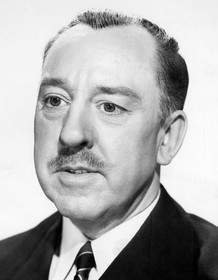
Tom Spellacy
Played by Porter Hall
Tom Spellacy is a determined homicide detective with a strong sense of justice. He is deeply affected by the investigation of Lois Fazenda’s murder, which intertwines with his family's reputation and his brother's life. His tenacity often puts him at odds with the corruption he uncovers, reflecting the broader themes of loyalty and ethical responsibility.
- 🔍 Investigation
- 👮♂️ Law
- 🧠 Determination
-

Jack Amsterdam
Played by Fritz Feld
Jack Amsterdam is a corrupt construction mogul manipulating his ties to the church for personal gain. His influence in the community raises significant ethical questions about power dynamics and moral integrity. As a lay Catholic, he embodies the intersection of religion and business chicanery.
- 💰 Corruption
- 🌆 Power
- ⚠️ Manipulation
-

Brenda Samuels
Played by Una Merkel
Brenda Samuels is a madam with a complicated history, reflecting the darker aspects of Los Angeles society. She is portrayed as both a victim and a manipulator, caught in the web of crime and the socio-political dynamics of her environment. Her interactions with Tom highlight the personal effects of systemic corruption.
- 🏙️ Prostitution
- ⚖️ Morality
- 🔥 Conflict
Where and When Is True Confession Set?
True Confession is set in Los Angeles and Desert (1948). Here is why the time and place matter to the story.
When
1948
The film is set in 1948, a post-World War II era characterized by a mix of prosperity and moral questioning. This period saw significant changes in societal values, particularly around topics like sexuality and crime, which are central to the film's plot. The tensions between personal ethics and public respectability are highlighted against the backdrop of the Catholic Church's influence in society.
Where
Los Angeles, Desert
The movie takes place primarily in Los Angeles, a bustling city known for its entertainment industry and diverse culture. The story unfolds in various locations, including a corrupt construction environment and a local prostitution ring, reflecting the city's darker underbelly. It also mentions a remote parish in the desert, symbolizing Desmond’s exile and inner turmoil.
- 🏙️ City
- 🌵 Desert
What Are the Themes of True Confession?
2 ideas the story keeps returning to, among them Justice and Corruption.
-
01
Justice
The theme of justice permeates the film as characters struggle with moral dilemmas and the pursuit of truth. Tom’s relentless investigation into the murder illustrates the conflict between personal loyalty and professional duty. The film raises questions about the accountability of those in power and the societal implications of corruption.
-
02
Corruption
Corruption is a central theme that manifests through the relationships between church officials, law enforcement, and the criminal underworld. Desmond's connection with Jack Amsterdam exposes the moral complexities individuals face when navigating their affiliations. This theme underscores the potential for moral decay within institutions meant to uphold societal values.
What Kind of Film Is True Confession?
Dark in tone, with steady pacing and a complex story, going by the plot summary.
- Tone
- Dark
- Pacing
- Steady
- Story
- Complex
- Intensity
- High
- Ending
- Bittersweet
A tense and atmospheric crime drama that follows two brothers navigating a corrosive web of corruption within the church and police force, creating a grim and morally complex viewing experience.
- tense
- grim
- frustrated
- corrupt
- melancholic
- atmospheric
- crime investigation
- moral corruption
- catholic church
- police procedural
Content notes: murder, suicide, exploitation, corruption.
Quiz
How well do you remember True Confession? Test yourself on the story.
