
Trapp Family Story 1991

Directed by

Kōzō Kusuba
Made by

Nippon Animation
Trapp Family Story Plot Summary
Read the complete plot summary and ending explained for Trapp Family Story (1991). From turning points to emotional moments, uncover what really happened and why it matters.
Maria Kutschera, Masako Katsuki, lost both her parents at a young age and faced many hardships. At eighteen, returning from her graduation trip from teacher training school, she suddenly decides to become a nun. She travels to Salzburg and visits the strictest convent, Nonnberg Abbey, where she applies and is accepted as a novice. Yet Maria’s cheerful and energetic personality and her indifference toward strict customs gradually make her a problematic presence in the convent, since the nuns expect discipline and proper manners above all. Maria tries to adapt, but she would rather honor her Lord through joy and gratitude for life and everything in it.
One day, the Mother Superior sends Maria to Baron Georg von Trapp’s house, an Austrian hero and aristocrat, for nine months as governess to his second daughter, a frail child who shares the same name, Maria. The Baron is a widower, and none of the twenty-five governesses he had previously hired had been accepted by his seven children. At first, the children are withdrawn and rebellious, but they gradually open up to Maria’s innocent and honest nature. Through joy, song, and poetry, Maria wins the children’s hearts and respect, filling them all with happiness. Maria also gains the Baron’s affection.
Georg realizes that he is in love with Maria, and he breaks off his engagement with his fiancée, Lady Yvonne. Later, at the insistence of his children, he asks Maria to marry him, against the opinion of Baroness Matilda, who manages the household. At first, Maria is hesitant and returns to the convent for a time, but soon she understands her feelings and comes back to marry the Baron and become a mother to his children.
Facing financial difficulties, the Trapp family turns their villa into a guesthouse. Lotte Lehmann, a visiting opera singer, discovers the children singing and encourages them to perform at the Salzburg Festival. Despite being amateurs, their enthusiasm and folk songs win the hearts of the audience, leading to radio appearances, a performance at Vienna’s Kleine Halle, and a meeting with American impresario Mr. Wagner, who offers them a U.S. tour, which they initially decline.
But trouble arises with the looming threat of World War II as the Nazis seize control of Austria a year before the conflict begins. The Trapps grow increasingly unhappy with their new life and resent the fact that Adolf Hitler himself wants them to sing at his parties. The Baron, a war hero and patriot, refuses to cooperate with the regime, and they discover that their butler Hans is a Nazi supporter assigned to watch them. For this reason, they decide to leave Austria and begin a new life far from the war. With the help of trusted friend Franz, Georg, Maria (now pregnant), and the seven children, they secretly flee their home, cross the mountains to Italy, and later reach New York, where, with Wagner’s assistance, they gain fame performing their native folk songs.
Trapp Family Story Timeline
Follow the complete movie timeline of Trapp Family Story (1991) with every major event in chronological order. Great for understanding complex plots and story progression.
Maria's decision to become a nun
After finishing her teacher training, Maria decides to become a nun at age 18. She travels to Salzburg to visit the strict Nonnberg Abbey and applies for admission, where she is accepted as a novice. Her cheerful, free-spirited nature often clashes with the convent’s discipline.
Maria adjusts to life as a novice
Maria begins life as a novice at Nonnberg Abbey, but her free-spirited nature clashes with the strict rules. The other sisters view her as a problematic presence, even as she remains kind and well-intentioned.
Governess to the von Trapp children
The Mother Superior sends Maria to Baron Georg von Trapp's house for nine months as a governess to his seven children. The children are withdrawn and rebellious at first, but Maria's sincere and joyful approach gradually earns their trust.
Maria wins the children over
During her stay, Maria's energy and kindness bring happiness to the seven children. Through music, stories, and poetry, they grow closer to her and begin to trust her as their caregiver.
Georg falls for Maria
Georg von Trapp realizes he is falling in love with Maria and ends his engagement to Lady Yvonne. He starts to imagine a future with Maria as the children open their hearts to her.
Maria considers marriage
Maria hesitates about marriage and even returns to the convent for a time. Ultimately, she recognizes her deep feelings for Georg and accepts his proposal, choosing to marry and become the children's mother.
Married life and becoming a family
Maria and Georg marry and form a blended family with seven children. Their life at the Trapp villa begins to incorporate love, discipline, and song as they adjust to a new everyday rhythm.
Financial troubles and the guesthouse plan
Facing financial difficulties, the Trapp family converts their villa into a guesthouse to attract guests. The plan helps sustain them, while the children continue to sing and perform wherever possible.
Lotte Lehmann discovers the children
Visiting opera singer Lotte Lehmann hears the children singing and encourages them to perform at the Salzburg Festival. Her encouragement marks the turning point toward public recognition.
Rising fame and major performances
Their performances captivate audiences, leading to radio appearances and a concert at Vienna's Kleine Halle. The rising fame expands beyond their local circle and invites wider attention.
Opportunities abroad but hesitation at first
They meet American impresario Mr. Wagner, who offers them a U.S. tour. The family initially declines, unsure about leaving their homeland and loved ones.
Nazis seize control of Austria
As Nazi influence grows, Austria comes under regime control and pressures the Trapps to sing at Hitler's parties. Georg, a war hero and patriot, refuses to cooperate, and their loyal butler Hans is revealed as a Nazi watcher.
Secret plan to flee the regime
With mounting pressure, trusted friend Franz helps the family devise a plan to escape. They decide to leave their home secretly, seeking safety far from the regime.
Escape to safety and new life in America
They reach Italy and eventually New York, starting anew in the United States. With Wagner's assistance, they gain fame performing their native folk songs and begin a new life abroad.
Trapp Family Story Characters
Explore all characters from Trapp Family Story (1991). Get detailed profiles with their roles, arcs, and key relationships explained.
Maria (Masako Katsuki)
A cheerful, energetic governess whose warmth and honesty quickly win over the von Trapp children. Her joyful approach to life and music helps the children open up and trust her. She ultimately accepts Georg's love and becomes mother to his seven children.
Hans (Masato Hirano)
The household butler who outwardly serves the family but is revealed to be a Nazi supporter assigned to watch them. His presence adds an element of danger and mistrust within the household.
Trapp Family Story Settings
Learn where and when Trapp Family Story (1991) takes place. Explore the film’s settings, era, and how they shape the narrative.
Time period
1930s Austria, pre-World War II
The film unfolds in the 1930s, a period of rising Nazi influence and political tension in Austria. As the regime tightens its grip, personal and familial loyalties are tested amid increasing societal pressure. The climax centers on the family’s decision to flee across the Alps to Italy and ultimately reach New York in search of safety and a new beginning.
Location
Salzburg, Nonnberg Abbey, Trapp Villa (Austria), Vienna, Italy, New York
Salzburg serves as the cultural backdrop where the story begins and music drives the family’s life. Nonnberg Abbey represents the strict convent world Maria leaves to become a governess. The Trapp Villa becomes the family’s home and a hub for their musical ascent, culminating in a voyage toward New York.
Trapp Family Story Themes
Discover the main themes in Trapp Family Story (1991). Analyze the deeper meanings, emotional layers, and social commentary behind the film.
🎶
Joyful Music
Music serves as the connective tissue that binds the family together and softens harsh rules. Maria’s songs break through boundaries, teaching trust and resilience to the children. Performances, from intimate gatherings to festival stages, show how art sustains identity and hope.
👪
Family Bond
Maria’s arrival reshapes the von Trapp household, transforming distance into closeness. The seven children learn to trust, cooperate, and find joy through shared moments of song and play. The family’s unity becomes their strongest defense against external pressures.
🕊️
Escape Freedom
The threat of tyranny pushes the family toward emigration, with the mountains and borders becoming routes to safety. Their journey from Austria to Italy and finally New York marks a triumph of courage over oppression. Freedom and a fresh start are pursued through collective resolve.
🛡️
Conscience Courage
Georg’s stance evolves from patriotic pride to a moral stand against totalitarian demands. The revelation of a Nazi-supporting butler adds personal risk, underscoring the cost of integrity. The family’s decision to flee embodies principled courage in perilous times.

Coming soon on iOS and Android
The Plot Explained Mobile App
From blockbusters to hidden gems — dive into movie stories anytime, anywhere. Save your favorites, discover plots faster, and never miss a twist again.
Sign up to be the first to know when we launch. Your email stays private — always.
Explore the mobile appTrapp Family Story Spoiler-Free Summary
Discover the spoiler-free summary of Trapp Family Story (1991). Get a concise overview without any spoilers.
In a picturesque Alpine town where convent bells mingle with the chatter of market stalls, a young woman whose childhood has been marked by loss seeks purpose beyond the ordinary. After a sudden decision to join the cloistered life, Maria arrives at the austere Nonnberg Abbey, where her bright spirit and innate kindness clash gently with the rigid expectations of the sisters. The world she steps into is one of disciplined routine, yet her laughter hints at a deeper, more joyful reverence for life itself.
A chance summons leads Maria to the stately home of Baron Georg von Trapp, a celebrated war hero now navigating the quiet complexities of single parenthood. Tasked with caring for his second daughter—a fragile child sharing her own name—she finds herself amid seven spirited youngsters who have grown wary of the countless governesses before her. Through simple songs, poetry, and an unwavering honesty, Maria begins to weave a fragile tapestry of trust, turning the manor’s hallways into a place where music and laughter slowly reclaim the space once held by silence.
The series unfolds with a warm, melodic tone that celebrates familial bonds and the transformative power of song. Its animation style captures the gentle rustle of Alpine breezes and the intimate glow of candlelit rooms, creating a world that feels both timeless and intimately personal. Baron Georg’s stoic exterior, Maria’s effervescent optimism, and the children’s budding curiosity set the stage for a story that cherishes everyday miracles more than grand gestures.
All the while, the serene beauty of the Austrian countryside is tinged with an undercurrent of change, as the quiet rhythms of domestic life begin to echo the distant drumbeats of a world on the brink. This delicate balance of serenity and subtle tension invites viewers to wonder how music, love, and resilience might shape the path ahead, without ever revealing the journey’s final destination.
Movies with Similar Twists and Themes
Uncover films that echo the narrative beats, emotional arcs, or dramatic twists of the one you're exploring. These recommendations are handpicked based on story depth, thematic resonance, and spoiler-worthy moments — perfect for fans who crave more of the same intrigue.

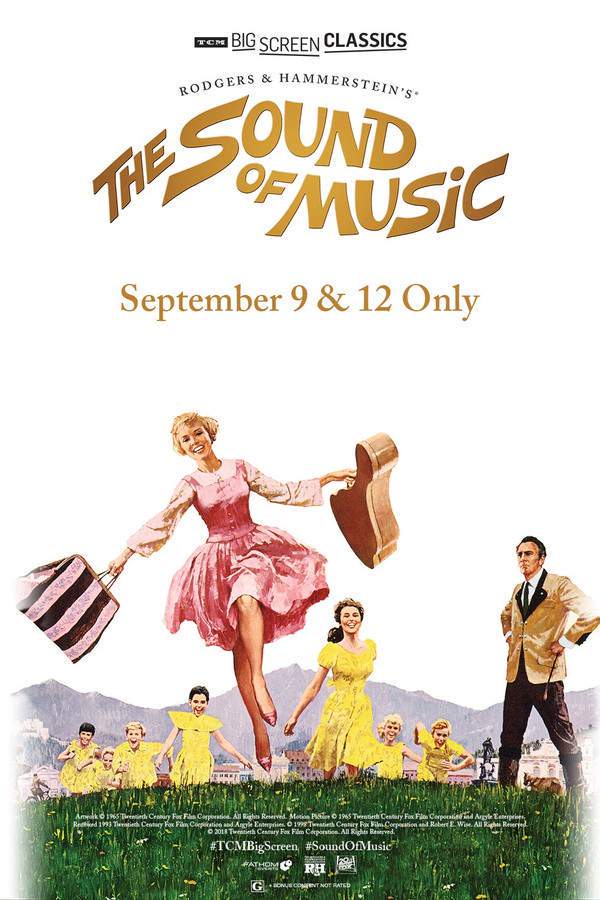


Featured on this page

What's After the Movie?
Not sure whether to stay after the credits? Find out!
Check out our other apps:

SAT Sphere
Build confidence for the Digital SAT.

Mori Atlas
Discover wild places worth protecting.

Luntero
Search smarter for a home in Amsterdam.

Plot Explained
Unravel movie endings and hidden clues.

Pokechamp
Dive into Pokémon data and battle logic.

Driving Theory
Get ready for your European theory test.

Movie Dust
Plan your next cinema trip with ease.

Musemap
Find art and culture as you travel.

Selkobase
Compare credentials before committing.

Local Manual
Turn an unfamiliar country into practical next steps.

Lernavi
Compare school systems before your next move.

GymRoam
Find a workout stop wherever your plans take you.
Explore Our Movie Platform
New Movie Releases (2026)
Famous Movie Actors
Top Film Production Studios
Movie Plot Summaries & Endings
Major Movie Awards & Winners
Best Concert Films & Music Documentaries
Movie Collections and Curated Lists
© 2026 What's After the Movie. All rights reserved.
Privacy Policy