
To the Ends of the Earth 2019

Directed by
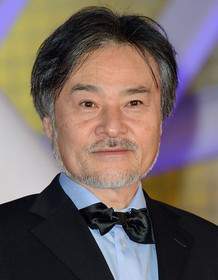
Kiyoshi Kurosawa
Made by

King Records
Where to Watch To the Ends of the Earth
See current US streaming, rental, and purchase options for To the Ends of the Earth (2019) via JustWatch.



Streaming availability powered by 
To the Ends of the Earth Plot Summary
Read the complete plot summary and ending explained for To the Ends of the Earth (2019). From turning points to emotional moments, uncover what really happened and why it matters.
Yoko is a television travel program reporter who travels to Uzbekistan with her crew to shoot an episode for the show. She dreams of becoming a singer, and the film places her upbeat on-screen persona beside a growing internal tension that only appears when she’s alone. What starts as a bright, globe-trotting assignment gradually reveals the gaps between performance and private longing, creating a quiet, observational mood that sticks with you after the credits.
The film unfolds as a mosaic of episodic moments that keep circling back to Yoko’s delicate balance between charm and doubt. In one scene, she wades into a lake in search of a possibly mythical Uzbeki fish, speaking to the moment with curiosity and a touch of whimsy. In another vignette, she proclaims the rice in a bowl of plov as deliciously crunchy, savoring a simple detail that underscores her love of food and sensation. The tone shifts as she endures several nausea-inducing turns on a fun-park pendulum ride, each swing captured with close, almost clinical focus by the cameras, until the crew finally gets enough B-camera footage of her face to tell a story beyond her lines. And in a poignant, humane moment, she tries to liberate a goat named Okoo, only to learn that freeing it would likely invite danger from wild dogs, a realization that underscores the fragility of intention in the face of consequence.
The journey takes the crew to historic cities, with visits to Samarkand and Tashkent that broaden the film’s texture and atmosphere. In Tashkent, a fantasy sequence set at the Navoi Theatre—a building that, as the film notes, had been constructed after the war by Japanese POWs—places Yoko in a dreamlike performance of a classic Italian song in a way that blurs the line between documentary and reverie. The moment is a meditation on memory, art, and the way place can shape longing. During a bazaar exploration, she wanders off with a handheld camera and finds herself filming in a restricted area, a reckless choice that leads to a tense encounter with local authorities. The capture is surprisingly humane; the officers treat her with a rare kindness, a response that becomes more meaningful when she learns that a firefighter boyfriend, who is never actually shown on screen, may have been involved in a devastating oil refinery fire in Tokyo Bay where he was stationed. The only window into his world comes from text messages he exchanges with Yoko, leaving a bittersweet sense of distance and unanswered questions.
As the journey continues, the film returns to the core tensions that tether Yoko to her ambitions. The crew heads into the mountains for a finale that feels both rugged and intimate, once again chasing a likely mythical creature while the singer within Yoko pushes through doubt toward something braver. In this final stretch, Hymne à l’amour returns as a thread that stitches together memory, desire, and the ache of distance, with Yoko imagining Okoo running free against a distant horizon. The result is a patient, lyrical look at a woman who uses travel and performance to explore who she might become, even as the road keeps pulling her toward an uncertain future.
- The closing image lingers on the contrast between public performance and private longing, inviting viewers to consider how travel, culture, and folklore intersect with personal dreams.
- Throughout, the film uses small, intimate beats—food, sound, crowds, and landscape—to build a portrait that is more observational than narrative, letting the audience fill in the gaps with feeling as much as with fact.
- The mood stays measured and reflective, never rushing to resolve the questions it raises about fame, authenticity, and the price of visibility.
To the Ends of the Earth Timeline
Follow the complete movie timeline of To the Ends of the Earth (2019) with every major event in chronological order. Great for understanding complex plots and story progression.
Arrival in Uzbekistan
Yoko arrives in Uzbekistan with her television crew to shoot a travel program. The trip is framed as a journey toward her singing dreams, while her bright on-camera persona masks deeper doubts. The opening segments establish the episodic, offbeat tone of the film.
Lake search for mythical Uzbeki fish
In a lakeside sequence, Yoko wades into the water to describe a possibly mythical Uzbeki fish. Her comments swing between curiosity and performative charm, highlighting the tension between what she says on camera and what she thinks off-screen. The moment blends folklore with the personality she projects for the show.
Plov crunchiness moment
During a street meal featuring plov, she proclaims the delicious crunch of undercooked rice. The line underlines the playful, sensory focus of the travel program while hinting at the gaps between reality and performance. The crew notes the humor and warmth in her delivery.
Nauseating pendulum ride
At a local amusement park, Yoko endures nauseating turns on a pendulum ride to satisfy the B-camera crew. They chase the perfect close-up of her face as the ride pushes her to the edge, mirroring the film's interest in performance under pressure. The scene emphasizes the episodic, performative nature of the production.
Okoo the goat
Yoko attempts to liberate the captive goat named Okoo, only to learn that freeing it would condemn it to danger from wild dogs. Her impulse collides with practical danger, revealing the moral complexity beneath her lighthearted adventures. The incident threads through the theme of freedom versus safety.
Journey to Samarkand and Tashkent
The crew visits Samarkand and Tashkent, enriching the travelogue with city textures and cultural settings. Yoko's presence there intersects with moments of singing and personal reflection, hinting at a larger inner arc. The journeys serve as backdrops for both spectacle and introspection.
Hymne à l'amour at Navoi Theatre
In Tashkent, she performs Hymne à l'amour in a fantasy sequence staged at the Navoi Theatre. The represented theatre had been built after the war by Japanese POWs, adding a historical layer to the dreamlike moment. The fantasy blurs fiction and history while amplifying her on-screen star persona.
Bazaar and restricted area
During a bazaar visit, she wanders off with a handheld camera and begins videotaping in a restricted area. The excursion triggers a tense pursuit by authorities and intensifies the sense of improvisation that defines the shoot. The scene juxtaposes carefree exploration with real-world risk.
Police pursuit and revelation about the boyfriend
Police chase finally catches up with her, but the officers treat her kindly, gently guiding her back. The encounter becomes a turning point as she learns that her firefighter boyfriend may have been involved in a major oil refinery fire in Tokyo Bay. The fragile link to a distant life adds a somber thread to the playful travelogue.
The boyfriend's texts
The boyfriend is never shown or heard on screen; the only information comes through texts exchanged with Yoko. The unknown man's presence haunts the narrative, reinforcing the film's focus on memory and interpretation from her perspective. The audience is left to piece together what his role might be.
Mountain finale and Hymne again
In the mountains, the crew pursues the mythical beast once more, heightening the sense of quest and uncertainty. Yoko sings Hymne à l'amour again as she imagines Okoo running free in the distance. The finale tightens the dual threads of performance and personal longing.
Closing reflection
The film closes on Yoko's reflection about the split between her upbeat on-camera persona and her private conflicts. The Uzbekistan trip remains a collage of moments that mix travelogue, vulnerability, and fantasy. Her voice lingers as the credits roll, unresolved but alive.
To the Ends of the Earth Characters
Explore all characters from To the Ends of the Earth (2019). Get detailed profiles with their roles, arcs, and key relationships explained.
Yoko (Atsuko Maeda)
A television travel reporter with a restless dream of becoming a singer. She projects charm on camera while wrestling with private conflicts, and her curiosity drives the journey through Uzbekistan as much as the crew's assignments do.
Iwao (Ryo Kase)
A practical member of the crew who provides steadiness and technical expertise. He often serves as a counterbalance to Yoko's exuberance, helping the team navigate unpredictable situations.
Sasaki (Tokio Emoto)
Another crew member who collaborates with Yoko on shoots, sometimes acting as a foil to her exuberance. He contributes a calm, methodical approach to filming and storytelling.
Yoshioka (Shota Sometani)
A crew companion who participates in the journey, observing and sometimes challenging the expectations placed on Yoko. His presence adds a layer of dynamic, interpersonal tension within the group.
Temur (Adiz Radjabov)
A local contact or guide who intersects with the crew's expedition, helping them navigate cultural spaces and local protocols.
Maruf Otajonov
Supporting cast member whose exact on-screen role is not specified in the provided summary, but contributes to the travel-set atmosphere and narrative texture.
Muyassar Berdiqulova
Supporting cast member whose specific character is not named in the summary, yet she participates in scenes that shape the film's mood and cultural context.
To the Ends of the Earth Settings
Learn where and when To the Ends of the Earth (2019) takes place. Explore the film’s settings, era, and how they shape the narrative.
Time period
Modern day
Set in a contemporary timeframe, the story follows a television crew filming in Uzbekistan's urban centers and rural environs. The vibe blends present-day media production with enduring cultural traditions, from bazaars to mountain landscapes. Historical memory surfaces through references to the Navoi Theatre, built after World War II by Japanese POWs, hinting at deeper layers beneath the surface of the modern journey.
Location
Uzbekistan, Samarkand, Tashkent
The film unfolds across Uzbekistan, visiting Samarkand and Tashkent as the main locations. It captures a travel program's lens on markets, historic sites, and lakes, blending on-camera performances with personal moments. A Navoi Theatre fantasy sequence anchors the journey, recalling a postwar building history tied to Japanese POWs, while the surrounding scenes span bazaars, rivers, and mountains.
To the Ends of the Earth Themes
Discover the main themes in To the Ends of the Earth (2019). Analyze the deeper meanings, emotional layers, and social commentary behind the film.
🎭
Identity
Yoko navigates the pressure of presenting an upbeat on-camera persona while wrestling with private doubts and desires. The contrast between performance and inner life drives her interactions with the crew and locals. The episodes become a reflection on authenticity in a media-saturated world, where a smile can mask vulnerability.
🌍
Travel & Culture
The group explores Uzbekistan's cities, bazaars, and landscapes, discovering how travel media shapes perception. Cultural encounters reveal both humor and tension as different worlds clash and compliment each other. The voyage becomes a study in observation, memory, and the power of storytelling to connect people.
🎶
Dreams & Music
Yoko's dream of becoming a singer threads through the episodes, punctuated by musical moments like Hymne à l'amour performed in a dreamlike Navoi Theatre sequence. Music functions as an emotional barometer, signaling longing, courage, and moments of self-discovery. The soundtrack frames intimate scenes as much as the literal footage captured by the crew.

Coming soon on iOS and Android
The Plot Explained Mobile App
From blockbusters to hidden gems — dive into movie stories anytime, anywhere. Save your favorites, discover plots faster, and never miss a twist again.
Sign up to be the first to know when we launch. Your email stays private — always.
Explore the mobile appTo the Ends of the Earth Spoiler-Free Summary
Discover the spoiler-free summary of To the Ends of the Earth (2019). Get a concise overview without any spoilers.
In the vibrant backdrop of Uzbekistan, a bustling crossroads of Silk‑Road history and modern ambition, a Japanese travel‑show crew arrives to capture the country’s color, sound, and flavor for a worldwide audience. The film opens to bustling bazaars, ornate theatres, and sweeping mountain vistas, each location humming with a mix of ancient ritual and contemporary life. The atmosphere balances lively curiosity with a gentle reverence for the places and people the cameras encounter, inviting viewers to feel both the excitement of discovery and the quiet moments that lie just beneath the surface.
Yoko, a young reporter whose on‑screen confidence masks a cautious, introspective nature, is tasked with guiding the audience through this journey. Though she projects an upbeat persona for the program, she privately wrestles with her own aspirations—most notably a longing to become a singer—and the contrast between her public role and private self. Her delicate balance between professionalism and personal yearning sets the emotional core of the story, as she navigates unfamiliar customs while quietly yearning for a voice that can express more than the script allows.
The crew’s dynamic adds another layer of texture, blending light‑hearted banter with moments of shared wonder as they explore historic cities like Samarkand and Tashkent, savor local dishes, and encounter the lingering echoes of history, such as the Navoi Theatre—a building with a poignant wartime past. Interspersed throughout are fleeting exchanges with her firefighter boyfriend, whose presence is felt through messages that hint at distant concerns and personal stakes, deepening Yoko’s internal conflict without ever pulling him onto the screen.
As the journey unfolds, the narrative drifts between the external spectacle of travel and the internal landscape of a young woman seeking authenticity. The film’s tone remains at once whimsical and contemplative, inviting the audience to linger on the beauty of each new scene while sensing the undercurrent of Yoko’s quiet, growing resolve to reconcile the person she shows the world with the one she hopes to become.
Movies with Similar Twists and Themes
Uncover films that echo the narrative beats, emotional arcs, or dramatic twists of the one you're exploring. These recommendations are handpicked based on story depth, thematic resonance, and spoiler-worthy moments — perfect for fans who crave more of the same intrigue.


Featured on this page

What's After the Movie?
Not sure whether to stay after the credits? Find out!
Check out our other apps:

SAT Sphere
Build confidence for the Digital SAT.

Mori Atlas
Discover wild places worth protecting.

Luntero
Search smarter for a home in Amsterdam.

Plot Explained
Unravel movie endings and hidden clues.

Pokechamp
Dive into Pokémon data and battle logic.

Driving Theory
Get ready for your European theory test.

Movie Dust
Plan your next cinema trip with ease.

Musemap
Find art and culture as you travel.

Selkobase
Compare credentials before committing.

Local Manual
Turn an unfamiliar country into practical next steps.

Lernavi
Compare school systems before your next move.

GymRoam
Find a workout stop wherever your plans take you.
Explore Our Movie Platform
New Movie Releases (2026)
Famous Movie Actors
Top Film Production Studios
Movie Plot Summaries & Endings
Major Movie Awards & Winners
Best Concert Films & Music Documentaries
Movie Collections and Curated Lists
© 2026 What's After the Movie. All rights reserved.
Privacy Policy