What Is Timbuktu About?
The premise of Timbuktu in 396 words, with nothing given away. The full story follows below.
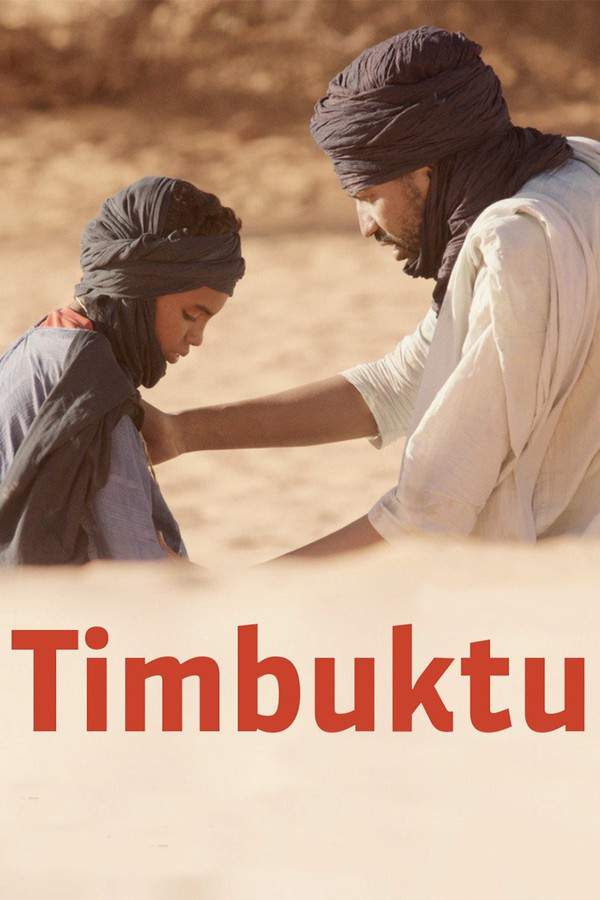
In the stark desert heart of Mali, the ancient city of Timbuktu stands at a fragile crossroads. Once celebrated for a tolerant blend of cultural and religious practice, the town is now shadowed by a strict new order that seeks to reshape every facet of public and private life. The sun‑baked streets pulse with a quiet tension, where the rhythm of daily routine is constantly tested by edicts that dictate clothing, music, and even the simple act of gathering. The atmosphere feels both timeless and eerily unsettled, as the vast dunes echo with whispers of resistance and resignation.
At the center of this shifting world lives a modest family tethered to the land. Kidane, a patient craftsman, shares his humble tent with his wife Satima, whose quiet strength is matched only by her subtle defiance of imposed norms. Their daughter, Toya, embodies youthful curiosity, while Issan, the adopted son, adds a layer of layered belonging to the household. Together they tend a modest herd of cattle and goats, their livelihood rooted in the rhythms of the desert and the promise of a future calf that would bring both practical sustenance and symbolic hope. Their daily life is a tapestry of simple chores, shared meals, and the unspoken determination to preserve their dignity amidst mounting pressure.
The new regime’s regulations seep into every corner of existence, from the color of a woman’s veil to the prohibition of music that once floated on the wind. Public spaces become monitored arenas where whispers of tradition clash with the weight of authoritarian rule. Yet within this tightening grip, the community finds subtle ways to assert its identity—a quiet game in the sand, the guarded exchange of a smile, the shared task of fetching water from the river. These small acts of humanity sketch a picture of resilience that colors the otherwise austere landscape.
For Kidane and his family, the challenge is not merely survival but the preservation of a way of life that feels increasingly out of step with the forces reshaping their world. Their story unfolds against a backdrop of stark beauty and oppressive control, hinting at choices that will test the limits of hope, courage, and the quiet strength that binds them together. The film invites the viewer to linger in the tension between the desert’s endless horizons and the intimate, fragile world the family strives to protect.
What Happens in Timbuktu?
The complete story of Timbuktu, from the first scene to the last, in 531 words (about 2 minutes). Spoilers throughout. Names in the text link to 4 cast member pages.
Spoilers ahead
Armed members of the Ansar Dine group drive a jeep across the sandy expanse in pursuit of a gazelle, setting a tense tone from the start. They shift their attention to intricately carved Bambara sculptures, including depictions of bare-breasted women, signaling a clash between sacred spaces and destructive intrusion. Upon reaching Timbuktu, a city celebrated for its relatively tolerant interpretation of Islam, the jihadists impose strict clothing rules, critique the length of pant legs, and mandate burkas, gloves, and stockings for women in public. Their grip tightens with swift prohibitions: television, radio, football, alcohol, music, and loitering are all banned. Yet when the foreigners enter a local mosque wearing shoes, the Imam offers a quiet but firm rebuke, diplomatically standing up to their rules.
Beyond Timbuktu, a nomadic family lives in a simple tent: Kidane, Ibrahim Ahmed the father; Satima, Layla Walet Mohamed the mother who chooses not to veil; Toya, Toulou Kiki the daughter; and Issan, Mehdi A.G. Mohamed the adopted son. They sustain themselves with modest livestock—eight cattle and goats—and their prized cow GPS is pregnant, with Kidane hoping to gift the calf to Issan. Issan tends the cows near the river, while Amadou, a fisherman, has nets cast into the water. Nearby, a water seller carries water from the river to tent-dwelling families on a motorcycle, a lifeline in the harsh landscape.
Back in the city, the jihadists intensify their control, producing propaganda videos, patrolling for music lovers, and debating football with a zeal that mirrors their broader mandate. The youth respond by playing “ball-less football,” a quiet defiance that the jihadists quickly confiscate. One jihadist, chauffeured through the desert, visits Satima in Kidane’s absence and offers his number, though she refuses and keeps her distance.
During a grazing excursion, GPS becomes tangled in Amadou’s nets, provoking a fatal reaction: Amadou spears the cow in a moment of rage. Issan returns to the tent in tears, recounting the tragedy to Kidane. Ignoring Satima’s counsel, Kidane confronts Amadou, and the ensuing struggle ends with Kidane fatally shooting Amadou. Kidane is soon captured by a patrol and jailed, facing a murder charge. He asks a guard to relay the news to Satima, and she along with Toya waits atop a dune, hoping for word.
Kidane’s trial unfolds in Arabic, with translation for him, as he tries to appeal to the judge’s sense of shared humanity by stressing his daughter’s plight and their language connection. Yet the translator—a Libyan by origin like many Tuareg jihadists—remains distant and unmoved, underscoring the impersonal nature of the proceedings.
As the regime tightens its grip, musicians and a singer are arrested and flogged, a couple is stoned for alleged romance, and a girl found with a cellphone is forced into an arranged marriage despite the Imam’s pleas for mercy. The moment before execution arrives, the water seller brings Satima to the site, and the lovers’ reunion is abruptly cut short by gunfire. Satima and Kidane are killed as they race to each other; the water seller escapes into the desert, leaving Toya and Issan to wander the dunes, overcome with grief and the weight of a world that suddenly feels stripped of safety and certainty.
Timbuktu Timeline: Every Key Event in Order
14 key events in the order they happen, from “Desert pursuit by Ansar Dine” to “Desert aftermath”. 14 events name a place, across 10 locations.
- 1
Desert pursuit by Ansar Dine
Armed members of Ansar Dine pursue a gazelle across the sandy desert in a jeep, establishing their patrol-driven authority over the landscape. The hunt underscores their intrusion into daily life and foreshadows the stronger control that will follow. The scene sets a tense mood for the militants' encroachment on the region.
Where:Desert
- 2
Destruction of Bambara sculptures
The militants turn their attention to intricately carved Bambara wooden sculptures, criticizing depictions of bare-breasted women as un-Islamic. They confiscate and threaten cultural artifacts as part of enforcing their rigid creed. The act signals a erasure of local heritage in the name of religious purity.
Where:Timbuktu
- 3
Arrival and rule in Timbuktu
Upon reaching Timbuktu, the jihadists impose strict clothing rules and ban television, radio, football, alcohol, music, and loitering. They deploy patrols to enforce the new order, turning public spaces into sites of surveillance and control. The city shifts from a tolerant hub to a place under rigid regulatory rule.
Where:Timbuktu
- 4
Imam challenged but defiant
In a local mosque, the Imam diplomatically rebukes the militants for entering with shoes, yet he dismisses their edicts as outside their spiritual jurisdiction. The exchange highlights the limits of militant authority within religious spaces. It also underscores the tension between imposed law and established local customs.
Where:Local mosque
- 5
Nomad family at the river
Beyond Timbuktu, a Tuareg family—Kidane, Satima, Toya, and adopted son Issan—lives in a nomad tent and subsists on livestock. Their prized cow GPS is pregnant, and Kidane plans to gift the calf to Issan, hoping to secure the family’s future. The scene establishes their fragile, everyday life under looming danger.
Where:Nomad tent near the river
- 6
Water and river life
A water seller transports water from the river to tent-dwelling families on a motorcycle, illustrating one of the vital lifelines under siege. Issan tends the cows by the river while Amadou, a fisherman, uses nets that will later intersect with the family’s world. The river remains a central, precarious source of sustenance.
Where:River and surrounding camps
- 7
Culture under siege
The jihadists tighten their grip by releasing propaganda videos, patrolling for music lovers, and debating football with zeal. The youth are forced to improvise, playing ball-less football while the militants confiscate the ball. The suppression of cultural activities underscores the regime's reach into daily life.
Where:Timbuktu
- 8
Militant contact with Satima
A jihadist driver visits Satima at the tent in Kidane's absence and offers his number, signaling an invasive reach into personal life. Satima rejects the intrusion, but the moment reveals how deeply the militants probe ordinary relationships. The encounter foreshadows broader encroachments on the family's safety.
Where:Kidane's tent
- 9
GPS dies at the nets
During a grazing trip, GPS becomes entangled in Amadou's nets, triggering a deadly confrontation. Enraged, Amadou fatally spears the cow, plunging the family into shock and grief. Issan runs back to the tent crying, bringing Kidane the grim news.
Where:Near the river
- 10
Confrontation and arrest
Kidane confronts Amadou in a violent struggle and fatally shoots him in defense of his livestock and family. Soon after, Kidane is apprehended by a patrol and jailed on murder charges. The incident sets the family on a path toward a legal ordeal under the militants’ regime.
Where:Near the river / patrol checkpoint
Show the other 4 events of Timbuktu Hide the last 4 events
- 11
Arabic trial and translator
Kidane’s murder trial proceeds in Arabic and requires translation for him to understand the proceedings. He appeals to the judge by describing his daughter Toya’s plight, hoping shared language or ethnicity might elicit sympathy. The translator, a Libyan-linked Tuareg himself, remains emotionally detached throughout.
Where:Court in Timbuktu
- 12
Praised punishments and abuses
While Kidane is tried, musicians and a singer are arrested and flogged, a couple is stoned for alleged romance, and a girl found with a cellphone is forcibly married against her will. The Imam’s pleas go unheeded as the regime enforces harsh penalties. The community witnesses a cascade of brutal enforcement of the militants' laws.
Where:Timbuktu
- 13
Fearful finale approaches
Just before Kidane's execution, the water seller brings Satima to the execution site, and the family reunites briefly in a hopeful moment. They rush toward each other, but fate intervenes as they are fatally shot. The moment marks a devastating culmination of the militants' crackdown on family life.
Where:Execution site near dunes
- 14
Desert aftermath
The water seller escapes into the desert as Toya and Issan are left wandering, grief-stricken by the day’s losses. The children are left to navigate a world that has abruptly upended their lives. The film closes on their fragile, uncertain future.
Where:Desert
Who Are the Main Characters in Timbuktu?
5 characters, among them Kidane, Satima and Toya: who each one is and the part they play in the story.
- K
Kidane
A shepherd and devoted father who guards his family’s fragile world. He confronts Amadou over the cow GPS and faces imprisonment, clinging to a sense of justice even as his fate looms. His stubborn protectiveness and moral posture anchor the family amid escalating danger.
- 🛡️ Protective
- 🗡️ Stubborn
- 🧭 Duty-bound
- S
Satima
Kidane’s wife, who defies veiling and maintains dignity within the perilous settlement. She endures the weight of crisis with quiet resolve, waiting for news as danger closes in. Her fate, intertwined with the family’s hopes, underscores the cost of conflict on women.
- 🌿 Resilient
- 🕊️ Defiant
- 💪 Courageous
- T
Toya
The couple’s daughter, observant and hopeful amidst hardship. She witnesses the disruptions of daily life, endures violence, and carries a sense of innocence that keeps the family connected to a future beyond fear.
- 👧 Curious
- 🌟 Hopeful
- ❤️ Vulnerable
- I
Issan
The adopted son who tends the livestock with a blend of earnestness and fragility. His grief over GPS’s death reveals the tenderness within a harsh world and reinforces the family’s reliance on each other.
- 👦 Loyal
- 🐄 Gentle
- 🎗️ Compassionate
- A
Amadou
A fisherman whose nets entangle GPS, triggering a deadly chain of events. His confrontation with Kidane marks a turning point in the family’s crisis and mirrors the broader frictions between livelihoods and violence.
- 🐟 Fisherman
- 🚣♂️ Frustrated
- 🔪 Tense
Where and When Is Timbuktu Set?
Timbuktu is set in Timbuktu and Mali (early 2010s (2012-2013)). Here is why the time and place matter to the story.
When
early 2010s (2012-2013)
The events unfold during the 2012 occupation of Timbuktu by Islamist militants, a period of rapid social upheaval and intrusive censorship. Daily life is marked by bans on music, football, television, and loitering, forcing people to navigate fear and suspicion. The time period emphasizes the aggression of extremist rule clashing with long-standing cultural and familial norms.
Where
Timbuktu, Mali
Timbuktu is presented as a historic trading city on the Niger River, renowned for its learning and mosques. In the film, the city falls under militant control, where public life is reshaped by a strict interpretation of Islam and cultural expressions are tightly regulated. The setting juxtaposes desert landscapes with a fragile urban life, illustrating how tradition and extremism collide in daily routines.
- 🏜️ Desert
- 🕌 Islam
- 🎨 Culture
What Are the Themes of Timbuktu?
4 ideas the story keeps returning to, among them Oppression, Heritage at Risk and Family and Resilience.
-
01
Oppression
The jihadists impose strict rules, outlaw cultural expressions, and mete out harsh punishments to enforce conformity. Public spaces become controlled zones where sound, movement, and dress are regulated. The theme centers on how power can tighten its grip and erode personal freedoms in everyday life.
-
02
Heritage at Risk
The film highlights the tension between cultural artifacts and militant ideology, including the destruction or prohibition of traditional crafts. Art and identity are endangered as authorities police what communities may revere or display. This theme shows how cultural heritage becomes a battleground in times of conflict.
-
03
Family and Resilience
A nomadic family clings to livestock, kinship, and small rituals of daily life amid violence. Their bonds give them moral grounding as tragedy and danger repeatedly threaten stability. The narrative emphasizes endurance, care, and the emotional costs of living under siege.
-
04
Justice and Translation
Kidane's trial unfolds in Arabic with a Libyan translator, underscoring how language and cultural distance shape perceptions of justice. The courtroom scenes reveal how empathy, law, and power intersect in a hostile environment. Translation becomes a lens through which truth and accountability are contested.
What Kind of Film Is Timbuktu?
Bleak in tone, with steady pacing and a moderate story, going by the plot summary.
- Tone
- Bleak
- Pacing
- Steady
- Story
- Moderate
- Intensity
- High
- Ending
- Bleak
A deeply oppressive and melancholic drama that unfolds with steady dread as a peaceful family is crushed by extremist rule, culminating in a bleak and tragic ending that leaves a profound sense of loss.
- oppressive
- melancholic
- tense
- somber
- desolate
- anxious
- religious extremism
- loss of freedom
- resistance
- family survival
Content notes: execution, stoning, flogging, forced marriage, murder, animal death.
Quiz
How well do you remember Timbuktu? Test yourself on the story.