What Is This Sporting Life About?
The premise of This Sporting Life in 295 words, with nothing given away. The full story follows below.
In the soot‑streaked steel towns of early‑1960s northern England, a world of coal pits, cramped flats and bruising rugby league matches forms the backdrop for a story of raw ambition. The industrial landscape hums with the clang of machinery and the roar of crowds, a place where strength is currency and reputation is forged in the bruises earned on the field. Within this gritty milieu, the film moves with a tense, almost tactile atmosphere, letting the viewer feel the damp chill of a miner’s shift and the electric pulse of a packed stadium in equal measure.
Frank Machin lives by brute force, a coal miner whose mouth can spit curses as easily as his fists can deliver tackles. He is a man who has never learned the language of tenderness, and his relentless drive propels him toward the coveted front rows of the local rugby league club. Yet beneath the hardened exterior lies a restless yearning for something steadier than the roar of the crowd—a glimpse of belonging that seems forever out of reach. His interactions are marked by a stark honesty that both intimidates and fascinates those around him, setting up a compelling contrast between his unvarnished masculinity and the softer world that edges ever closer.
Enter Margaret Hammond, a widowed mother whose own grief and guarded heart stand in sharp relief to Frank’s bluntness. Their tentative connection hints at the possibility of shared warmth amid the cold industrial shadows, while the presence of figures like Gerald Weaver—the club’s influential owner—underscores the clash between personal desire and public expectation. The tone remains one of quiet tension, a blend of hard‑won resilience and fragile hope, inviting the audience to wonder whether the forces that shape a man’s body can ever be redirected toward his heart.
What Happens in This Sporting Life?
The complete story of This Sporting Life, from the first scene to the last, in 940 words (about 4 minutes). Spoilers throughout. Names in the text link to 5 cast member pages.
Spoilers ahead
Frank Machin, Richard Harris, is a bitter young coal miner from the West Riding of Yorkshire, living in the fictional city of City. Set up in a two-part structure, the film opens with a series of flashbacks shown while he’s anaesthetised in a dentist’s chair after a rugby league match leaves him with broken front teeth, then shifts to a present-day narrative that moves forward without further flashbacks. The contrast between the rawness of his day-to-day grind and the vulnerable vulnerability beneath his rough exterior becomes a throughline that threads the entire story.
After a nightclub altercation where Frank takes on the captain of the local rugby league club and fights a couple of other players, he latches onto a chance to prove himself by approaching a scout, a man he nicknames “Dad.” In the trial game, Gerald Weaver, Alan Badel, one of the team’s owners, is struck by the unpolished intensity and brutal honesty of Frank’s playing. The trial performance leaves little doubt about his potential, and he earns a significant signing bonus to join the top team as a loose forward (number 13). On the field, Frank’s style is a relentless blend of power and aggression—piercing tackles, hard punches, and elbows that leave opponents reeling, and sometimes he even lashes out at teammates when frustration overflows.
Off the field, Frank’s life is far more precarious. He becomes entangled with Mrs. Margaret Hammond, a recently widowed mother of two who lives in the same building and resents the intrusions of a man she’s not sure she can trust. Margaret, played by Rachel Roberts, had lost her husband in an accident at Weaver’s engraving firm, a death clouded by whispers of suicide rather than a clear accident, and she guards her heart against Frank’s advances with sharpness and distance. The two eventually share a moment of kinship when Frank takes Margaret and the children to play by the River Wharfe near Bolton Priory, a scene that hints at a desire for stability in a man who has known little of it. Frank’s desire for a deeper connection grows, even as his drinking and volatile mood threaten to pull them apart.
At Weaver’s Christmas party, tensions flare as Frank clashes with Gerald Weaver and with Weaver’s predatory wife, whose advances Frank previously rejected. The conflict marks a turning point, and Slomer, the other owner, remains steadfast in his support of Frank—Charles Slomer, Arthur Lowe—even as the rest of the club seems wary of him. When Frank returns home after the party, Margaret agrees to share his bed to keep him warm, though the warmth is more about comfort than genuine affection. She appears worn by grief and guarded about giving her heart again, revealing a wary, protective stance toward both him and her children. The couple’s dinners and outings become charged with a mix of tenderness, embarrassment, and friction, culminating in moments where Frank’s bluntness and social awkwardness clash with Margaret’s sense of propriety and pride.
Maurice Braithwaite, Frank’s teammate and friend, Colin Blakely, starts a life of his own with marriage, an event that Frank and Margaret attend. The ceremony is a quiet counterpoint to Frank’s volatile world, and afterward, Margaret struggles with the idea of her life being tethered to a man who cannot quite escape his own primal instincts. She confides in moments of doubt, questioning whether she and her children can ever be “proper people” in a society that already judges them harshly because of Frank’s unpredictable nature. Frank, for his part, longs for something permanent, something that will anchor him beyond the roar of the crowd.
As time goes by, Frank’s longing for belonging grows louder, and so does his need for a place where his strength is valued rather than exploited. He considers a more stable career, even imagining a future away from the rough edges of coal mining and stadium lights. The tension between his desire for affection and his compulsion toward blunt, sometimes brutal behavior threads through his interactions with Margaret, Maurice, and the other people in his orbit. He eventually leaves for a period, moving to Dad’s cheap boarding house in a bombed-out district, leaving his Jaguar parked outside as a stark symbol of a life that cannot quite fit the man who inhabits it.
When Frank returns, forgiveness and reconciliation become his new aim, and he tries to rebuild with Margaret. But tragedy strikes when Margaret falls ill with a brain hemorrhage, and the doctors warn that she may not have the strength—or the will—to survive. Frank sits by her bedside, softly speaking to her as she lies unconscious, and in a moment of sudden distraction—a large spider on the wall—the quiet becomes a catalyst for his unraveling. Blood appears at the corner of Margaret’s mouth, and she dies. Overwhelmed with grief, Frank slams his fist into the spider, a primal release that leaves him shaken. He does not speak to the children or their minder on leaving the hospital; instead, he returns to Margaret’s house, enters through the back door, and collapses in tears, wandering through the empty spaces of a home that will never feel like his again.
In the closing scene, Frank is glimpsed once more on the rugby field, but he is no longer the irrepressible force he once was. Time has taken its toll, and the game, his body, and the choices he made have reshaped him into a worn, exhausted figure who faces the ravages of injury and age. The film ends on a note of quiet, unsettled vulnerability—the cost of a life lived with a fierce, unyielding energy that could never quite be contained.
This Sporting Life Timeline: Every Key Event in Order
13 key events in the order they happen, from “Dentist chair flashback: broken teeth from rugby” to “Final scene: an aging, exhausted athlete”. 13 events name a place, across 13 locations.
- 1
Dentist chair flashback: broken teeth from rugby
The film opens with Frank under anaesthetic in a dentist's chair after a rugby league collision leaves him with front teeth smashed. The flashback cuts back-and-forth, hinting at the pain and roughness that drive his character. The moment frames his isolation and the cost of his brutal sport.
When:Opening flashback Where:Dentist's chair
- 2
Christmas party flashback
During a Christmas party flashback, Frank is seen recovering from his injuries and observing the social world he craves to fit into. The scene contrasts warmth with the violence of his everyday life and foreshadows future conflicts. It sets up his longing for belonging and control.
When:Opening flashback Where:Christmas party
- 3
Nightclub altercation and decision to pursue a trial
After a nightclub altercation, Frank channels his aggression into securing a rugby trial. He seeks out a scout nicknamed 'Dad' and convinces him to help arrange a chance at professional play. The sequence marks his transition from rough street brawler to aspiring athlete.
When:Post-incident Where:Nightclub
- 4
Rugby trial performance
In the trial game, Frank's ferocity and tenacity make an impression on Gerald Weaver, one of the team's owners. His raw power earns him a chance at the top team and a sizable signing bonus. Despite initial awkwardness, his brutal forward play wins him a contract.
When:Trial day Where:Training ground / trial game
- 5
Signing with the top team
Frank signs with the top rugby team as a loose forward (number 13) and becomes a marquee presence on the field. He shockingly embraces a relentless, sometimes vicious style that draws both admiration and concerns. The deal cements his rise but foreshadows the personal costs.
When:After trial Where:Team offices
- 6
Meeting Margaret Hammond
Off the field, Frank pursues a relationship with Margaret Hammond, a recently widowed landlady with two children. She rebuffs his advances at first, wary of his volatility and the stigma he carries. Their dangerous chemistry begins to shape his off-field life.
When:Early after joining team Where:Margaret's residence
- 7
River Wharfe outing
Frank takes Margaret and her children to the River Wharfe near Bolton Priory, an outing that becomes a turning point in their relationship. The scene blends danger and tenderness as they share a fragile moment away from the club's gaze. It deepens Frank's pull toward her and complicates his loyalty to the team.
When:Early in affair Where:River Wharfe, Bolton Priory
- 8
First proper date and restaurant clash
On a proper date to a fancy restaurant, Frank's brash behavior clashes with social norms, humiliating Margaret and embarrassing both of them. She leaves in shame, a moment witnessed by their Weavers, who begin to icily distance themselves from Frank. The incident foreshadows the erosion of his standing with the club.
When:After River Wharfe outing Where:Fancy restaurant
- 9
Weaver’s Christmas party confrontation
At the club's Christmas party, Frank quarrels with Gerald Weaver and his predatory wife, highlighting the growing tension between him and the owners. Slomer remains a more steadfast ally, shifting the balance of power within the club. The scene signals Frank's precarious position.
When:Christmas party Where:Weaver's Christmas party
- 10
Maurice's wedding and the fur coat
Maurice's wedding brings a social display of status; Frank congratulates the couple while Margaret feels increasingly divided and ashamed of their relationship. Frank buys her a fur coat, underscoring the transactional edge to their bond. Their friction deepens as she rejects his possessive approach.
When:Wedding day Where:Maurice's wedding
Show the other 3 events of This Sporting Life Hide the last 3 events
- 11
Arguement at home and Frank's job search
A heated row with Margaret erupts after she defends her privacy and questions his intrusion. He proclaims his love, but she accuses him of driving her husband to suicide. Frustrated, Frank leaves to pursue a more permanent job, retreating to Dad's cheap boarding house.
When:After the wedding Where:Margaret's home; Dad's boarding house
- 12
Margaret's brain haemorrhage and death
Frank returns to Margaret's bedside and learns she is unconscious with a brain haemorrhage. The doctor warns she may not recover; blood seeping from her mouth marks the grim moment. Frank sits by her, then, in a fit of rage and despair, kills a spider and collapses in tears.
When:Hospitalization and death Where:Margaret's house / hospital
- 13
Final scene: an aging, exhausted athlete
In the closing scenes, Frank is shown on the rugby field, now worn by time and injury. The camera lingers on his fatigue and vulnerability as the sport continues beyond his prime. The ending underscores the cost of his relentless drive.
When:Closing scene Where:Rugby field
Who Are the Main Characters in This Sporting Life?
6 characters, among them Frank Machin — Richard Harris, Margaret Hammond — Rachel Roberts and Gerald Weaver — Alan Badel: who each one is and the part they play in the story. Every profile links to the actor’s page.
-
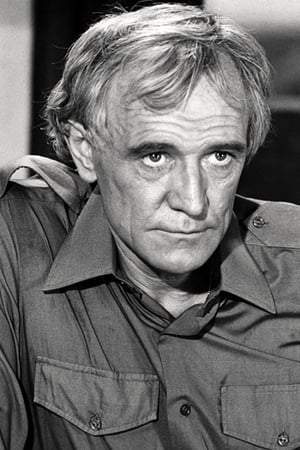
Frank Machin — Richard Harris
Played by Richard Harris
A bitter, physically imposing coal miner who becomes a ruthless rugby forward. His brutal playing style and blunt, impulsive nature drive his ascent, yet his violent temper and lack of emotional grounding undermine personal relationships, especially with Margaret.
- 💪 Toughness
- 🔥 Rage
- 🏉 Rugby
-

Margaret Hammond — Rachel Roberts
Played by Rachel Roberts
A recently widowed landlady with two young children who pursues a complicated relationship with Frank. Her guarded, proud demeanor masks vulnerability and a longing for stability, which Frank repeatedly unsettles and harms.
- 💔 Complex relationship
- 🏠 Domestic life
- ⚖️ Power dynamics
-
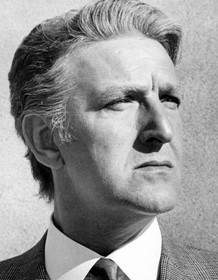
Gerald Weaver — Alan Badel
Played by Alan Badel
One of the rugby club owners who signs Frank, wielding financial and social influence. He embodies the business side of sport and the entanglement of power, money, and ambition that shapes the players' lives.
- 💼 Power
- 🏟️ Sports
- 🤝 Business
-
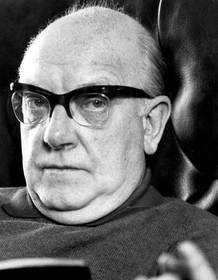
Charles Slomer — Arthur Lowe
Played by Arthur Lowe
The other club owner who offers steadier support for Frank at crucial moments. He represents a more cautious, perhaps more humane form of leadership within the ambiguous world of sport and ownership.
- 🤝 Allyship
- 🏛️ Ownership
- 🗺️ Guidance
-
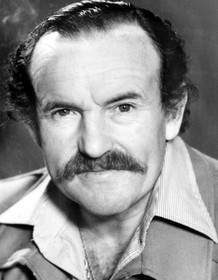
Maurice Braithwaite — Colin Blakely
Played by Colin Blakely
Frank's friend and teammate who embodies a more conventional path; his marriage and stable life highlight the contrast with Frank's volatile existence and the isolation that fame can bring.
- 🤝 Friendship
- 💍 Marriage
- 🕊️ Stability
- AW
Anne Weaver — Vanda Godsell
Played by Vanda Godsell
Mrs. Weaver, the club owner's predatory wife who actively pursues Frank, revealing the sexual and power intrigues woven into the team's social circle.
- 💋 Seduction
- 🕴️ Power
- 🎭 Manipulation
Where and When Is This Sporting Life Set?
This Sporting Life is set in City (fictional), Bolton Priory, River Wharfe, West Riding of Yorkshire and… (Post-World War II Britain). Here is why the time and place matter to the story.
When
Post-World War II Britain
The story unfolds in the immediate postwar era, a time of reconstruction, economic strain, and social change. The crumbling urban areas and bombed-out surroundings signal a Britain rebuilding itself while still clinging to traditional masculine codes. The rugby club's ascent mirrors aspirations for status amid industrial decline.
Where
City (fictional), Bolton Priory, River Wharfe, West Riding of Yorkshire, England
The film is set largely in a bleak industrial town in the West Riding of Yorkshire, reflecting working-class life after the war. Key locations include the riverbank near Bolton Priory and the club-filled streets that frame Frank's world. This landscape of factories, tenements, and rural outskirts creates a stark backdrop for ambition, sport, and personal conflict.
- 🏭 Industrial town
- 🕰️ Post-war Britain
- 🏞️ River and countryside
What Are the Themes of This Sporting Life?
4 ideas the story keeps returning to, among them Masculinity, Power and Class and Sport and Ambition.
-
01
Masculinity
Frank's brute physicality and aggressive temperament drive both his rise in rugby and his social downfall. The film examines how strength is used to dominate, intimidate, and secure status, often at the expense of intimate relationships. Beneath the surface, fragile vulnerabilities leak through his relentless pursuit of approval.
-
02
Power and Class
Weaver and his circle wield economic influence over sport and life choices, revealing class-based leverage in mid-century Britain. Frank's ascent exposes the fragility of workers' dreams when capital controls opportunities. The relationship between owners, players, and a struggling single mother shows how power can deform personal ethics.
-
03
Sport and Ambition
Rugby league is the engine of Frank's identity and social ascent, turning physical force into a pathway out of the mines. The sport is celebrated for its raw intensity, but the film shows its cost—relationships fray, and personal happiness erodes. The brutal, relentless style of play becomes a metaphor for the harsh realities of postwar life.
-
04
Love and Isolation
Frank's affair with Margaret is marked by coercion and unequal power dynamics, reflecting a longing for connection that science cannot fix. Margaret's vulnerability and past trauma intensify the emotional stakes as affection meets fear and abandonment. The relationship spirals toward tragedy, leaving Frank emotionally isolated.
What Kind of Film Is This Sporting Life?
Melancholic in tone, with steady pacing and a moderate story, going by the plot summary.
- Tone
- Melancholic
- Pacing
- Steady
- Story
- Moderate
- Intensity
- High
- Ending
- Bleak
A raw and unflinching portrait of a rugby player's brutal life, where his aggressive ambition clashes with a deep longing for connection, culminating in a tragic and emotionally devastating finale.
- gritty
- melancholic
- oppressive
- brutal
- lonely
- raw
- working class struggle
- self-destructive ambition
- unrequited love
- grief and loss
Content notes: suicide reference, graphic sports violence, disturbing death scene, alcohol abuse, emotional abuse.
Quiz
How well do you remember This Sporting Life? Test yourself on the story.
Where to Watch This Sporting Life
Stream it on Plex and Shout! Factory TV, or rent or buy it from Amazon Video and Apple TV Store. US availability and prices from JustWatch.
Stream 5
 Plex
Plex  Plex Channel
  Shout! Factory TV
  Tubi TV
  YouTube Free


Streaming availability in the US, powered by