What Is Things to Come About?
The premise of Things to Come in 305 words, with nothing given away. The full story follows below.
In a world scarred by a centuries‑long second World War, the remnants of humanity cling to the ruins of once‑great cities while a wandering disease turns the living into restless shadows. Out of this bleakness a pragmatic, rational order begins to take shape, determined to stitch together the fragments of civilization and turn its gaze toward the stars. The atmosphere is one of stark contrast: the cold, skeletal skylines of ruined metropolises stand beside the crisp, hopeful hum of newly imagined machines, suggesting both the weight of loss and the promise of renewal.
At the heart of this emerging order is an aging former pilot, John Cabal, whose wartime experience has forged a meticulous mind and an unshakable belief in humanity’s capacity to rebuild. His vision is carried forward by his grandson, Oswald Cabal, now the public face of the government, who balances the demands of stewardship with the restless ambition that drives the new regime. Across the fractured landscape, a charismatic warlord known only as the Boss commands a pocket of survivors, his pragmatic ruthlessness offering a foil to the idealism of the Cabals. Meanwhile, a contemplative sculptor, Theotocopulos, voices the growing public yearning for a pause in relentless progress, while scientists such as Catherine Cabal and Maurice Passworthy embody the drive to push humanity beyond Earth’s battered surface.
Together these figures embody the central tension of the film: a society poised between the necessity of order and the danger of unending acceleration. As the new government prepares to launch a bold extraterrestrial venture, the chorus of voices—political, artistic, scientific—asks whether the pursuit of the unknown must eclipse the simple act of simply being. The tone remains meditative, inviting the audience to feel the weight of a world rebuilding itself while wondering what price will be paid for the dream of reaching the stars.
What Happens in Things to Come?
The complete story of Things to Come, from the first scene to the last, in 963 words (about 4 minutes). Spoilers throughout. Names in the text link to 5 cast member pages.
Spoilers ahead
In 1940, John Cabal, a busy businessman living in the city of Everytown in Southern England, cannot enjoy Christmas Day as the news speaks of possible war. His guest, Harding, shares his worries, while another friend, the over-optimistic Pippa Passworthy Edward Chapman, believes that it will not come to pass, and if it does, it will accelerate technological progress. An aerial bombing raid on the city that night sparks general mobilisation and then a full-blown global conflict with an unnamed enemy. Cabal, driven by duty and curiosity, becomes a Royal Air Force pilot and serves bravely, even attempting to rescue an enemy pilot he has shot down, a choice that hints at a rare mercy beneath the fog of war.
The war drags on into the 1960s, dragging humanity into a weary, nearly unrecognisable era. Cities lie in ruins, economies collapse under hyperinflation, and much of the old technology is lost. A chilling pestilence, known as wandering sickness, is unleashed by more aerial bombings and sends victims wandering in a zombie-like trance before they die. The world has forgotten why it fights, and hope seems as exhausted as the machinery that once powered it. In this shattered landscape, Rudolf, who would come to be called the “Boss,” rises as a warlord, ruling what remains of Everytown with a hard grip and erasing the threat of the plague by shooting the infected. He launches yet another conflict, this time against the so-called hill people of the Floss Valley, driven by a brutal hunger for coal and shale to transform into oil for his ragtag fleet of prewar biplanes.
On May Day, a sleek new monoplane lands without warning in Everytown, startling its inhabitants who have not witnessed a new aircraft in years. The pilot, an aging John Cabal Raymond Massey, steps out and unveils a radical plan: the last surviving band of engineers and mechanics have formed an organisation called Wings Over the World. They are headquartered in Basra, Iraq, and their mission is to outlaw war and rebuild civilisation across the Near East and the Mediterranean. Cabal offers the Boss a chance to join Wings, but the Boss rejects the invitation and instead takes Cabal prisoner, forcing him to repair the obsolete biplanes that still keep the town aloft.
With Cabal’s technical know-how and the Boss’s strategic ruthlessness converging, the Boss’s disillusioned mechanic, Richard Gordon [Derrick De Marney], reaches out to Wings Over the World. Gigantic flying wing machines soon fill the skies above Everytown, and a devastating “Gas of Peace” is released, rendering the population unconscious for long enough to allow Wings to seize control. When the people awaken, they find themselves no longer free; the Boss lies dead from an allergic reaction to the gas, and Cabal steps forward with a promise that Wings Over the World will usher in a new era of progress and peace.
Under Cabal’s leadership, Wings Over the World begins a remarkable, if unsettling, reconstruction of civilisation. The world is redesigned around modern, efficient systems and, by 2036, humanity has begun to inhabit solid underground cities, including a newly rebuilt Everytown. Peaceful progress seems within reach, but the gleam of a perfect future comes with its own tensions. A sculptor named Theotocopulos [Cedric Hardwicke] fans the flames of public demand for a measured rest from ceaseless acceleration, foreshadowing resistance to the relentless push of advancement and the idea that perhaps humanity should slow down.
When a public mood threatens to demolish the space gun that will launch the first crewed flight around the Moon, Oswald Cabal [Raymond Massey], the grandson of John Cabal and the current head of government, is compelled to accelerate the timetable. The mission’s passengers are Catherine Cabal and fellow scientist Maurice Passworthy [Kenneth Villiers], racing against the crowd that craves respite from progress. As the countdown dwindles and a faint light breaks the night sky, Cabal confronts the deep philosophical question at the heart of their era: can humanity ever truly rest, or must it relentlessly push outward into the unknown?
In the tense minutes that follow the launch, the central debate intensifies. Cabal confronts Maurice Passworthy’s concerns about a possible future where humans are forever bound to the grind of discovery and conquest, while Oswald Cabal must balance political necessity with the well-being of a population that might demand an end to ambition. The dialogue crystallises into a stark choice: progress at any cost, or the quiet possibility of a different path. As the rocket arcs into space, a stark, almost prophetic line resonates in the dialogue, capturing the core dilemma of their civilization:
All the universe or nothingness…Which shall it be?
In this future-soaked parable, ambition and mercy, control and autonomy, invention and restraint collide. The world the Wings Over the World builds offers order and unparalleled scientific achievement, but it also questions whether a society can sustain itself without the will to rest, to pause, or to simply be. The characters—whether the calculating Ralph Richardson as The Boss, the steadfast Raymond Massey in his dual roles as John Cabal and Oswald Cabal, the perceptive Cedric Hardwicke as Theotocopulos, or the ambitious Pearl Argyle portraying Catherine Cabal—navigate a world where every major stride forward alters the very fabric of life.
Through triumph and tragedy, the saga remains a meditation on civilization itself: a society striving for harmony through knowledge, yet periodically brushed by the quiet fear that progress may outpace humanity’s oldest instincts. The tale ends not with a simple victory or defeat, but with an invitation to consider what kind of future a people choose when faced with the universe—whether in the form of unending invention or the hard-won wisdom to pause and listen to the voice that says maybe, just maybe, rest is also a form of progress.
Things to Come Timeline: Every Key Event in Order
12 key events in the order they happen, from “War arrives on Christmas Day in Everytown” to “All the universe or nothingness: Cabal's moral ultimatum”. 12 events name a place, across 10 locations.
- 1
War arrives on Christmas Day in Everytown
On Christmas Day 1940, the city of Everytown is filled with dread as broadcasts speak of an imminent war. A bombing raid that night triggers general mobilisation and the start of a global conflict. Cabal, a local businessman, becomes a Royal Air Force pilot and even tries to rescue a downed enemy pilot.
When:Christmas Day 1940 Where:Everytown, Southern England
- 2
The world sinks into a new dark age
The war rages on through the 1960s, leaving cities in ruins and economies collapsed by hyperinflation. A pestilence known as wandering sickness spreads via aerial bombing, turning victims into zombie-like wanderers who die soon after. Governments crumble and humanity forgets why the fighting began.
When:1960s Where:Across the world
- 3
Rudolf the Boss seizes control of Everytown
In 1970, Rudolf, known as the Boss, becomes chieftain of what remains of Everytown and purges the pestilence by shooting the infected. He starts another war, this time against the hill people of the Floss Valley, to secure coal and shale for turning into oil for his prewar biplanes. His rule deepens the cycle of conflict as resources dwindle.
When:1970 Where:Everytown; Floss Valley
- 4
A sleek monoplane lands; Wings Over the World is born
On May Day 1970, a sleek monoplane lands in Everytown, and the elderly pilot John Cabal emerges to announce Wings Over the World, an organization pledged to outlaw war and rebuild civilisation from Basra, Iraq. They vow to lift humanity toward progress in the Near East and Mediterranean. The Boss captures Cabal and forces him to repair the obsolete biplanes.
When:May Day 1970 Where:Everytown; Basra, Iraq
- 5
Gordon reaches out to Wings Over the World
With Cabal's cooperation, Gordon, the Boss's disillusioned mechanic, contacts Wings Over the World to seek support. The movement begins coordinating its plans to rebuild civilisation and reduce the grip of warfare. Their influence grows as hope returns to a world weary of destruction.
When:Circa 1970s Where:Everytown
- 6
Gas of Peace floods Everytown and the Boss dies
Gigantic flying wing aircraft release a Gas of Peace over Everytown, rendering the population unconscious. When people awaken, they find themselves under Wings Over the World's control, and the Boss dies from an allergic reaction to the gas. Cabal proclaims that Wings Over the World will usher in a new age of progress and peace.
When:Circa 1970s Where:Everytown
- 7
Wings Over the World rebuild civilisation
Under Cabal's guidance, Wings Over the World quickly rebuilds civilisation to greater heights, including modern underground cities. A new Everytown rises as a beacon of peace and scientific progress. The world begins to forget its wars as technology and governance stabilize.
When:By 2036 Where:Underground cities worldwide
- 8
A rest from progress sparks a Moon-flight debate
By 2036, sculptor Theotocopulos incites the populace to demand a rest from the rush of progress, signaling a backlash against rapid advancement. This unrest centers on a planned first crewed flight around the Moon and the mob threatens to destroy the space gun that would launch the mission.
When:2036 Where:Everytown
- 9
Oswald Cabal accelerates the Moon launch
Oswald Cabal, John Cabal's grandson and current head of government, is forced to move the launch ahead of schedule to appease the restless crowd. He pushes forward with the crewed Moon mission despite the public pressure. The tension between ambition and fear shapes the launch plan.
When:2036 (pre-launch) Where:Everytown Space Launch Site
- 10
Catherine and Passworthy board the Moon mission
Cabal's daughter Catherine and scientist Maurice Passworthy become passengers on the Moon mission. As the rocket lifts, they confront the implications of humanity's urge to explore and conquer new frontiers. Cabal debates with Passworthy about whether progress can or should be halted.
When:2036 (launch day) Where:Launch site
- 11
A tiny light signals humanity's leap into space
After the projectile launches, a tiny light appears in the night sky, symbolizing humanity's leap into space. The moment prompts reflection on the cost and purpose of progress. The mission marks a dramatic turning point in Wings Over the World's history.
When:2036 (shortly after launch) Where:Space / Moon trajectory
- 12
All the universe or nothingness: Cabal's moral ultimatum
In a tense exchange aboard the mission, Cabal contends that humanity must conquer the universe to endure, uttering the line 'All the universe or nothingness... Which shall it be?' The dialogue encapsulates the ethical tension between relentless advancement and restraint. The scene casts a long shadow over Wings Over the World’s philosophy.
When:2036 (during launch) Where:Space / aboard the mission
Who Are the Main Characters in Things to Come?
7 characters, among them John Cabal / Oswald Cabal (Raymond Massey), The Boss and Pippa Passworthy: who each one is and the part they play in the story. Every profile links to the actor’s page.
- JC
John Cabal / Oswald Cabal (Raymond Massey)
Played by Raymond Massey
An engineer and former RAF pilot who becomes a driving force behind Wings Over the World. He is initially imprisoned by the Boss and forced to repair old planes, showcasing resilience and technical skill. As Oswald Cabal in later years, he questions the costs of progress while guiding government decisions during the rebuilt era.
- 🧭 Visionary
- 🛡️ Leader
-
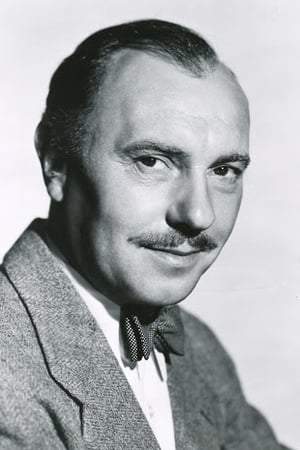
The Boss
Played by Ralph Richardson
A warlord who rules Everytown after the collapse, using coercive power and the Gas of Peace to subdue the population. He seeks coal and shale for a new war effort and is ultimately killed by an allergic reaction to the gas he deployed. His regime embodies the dangers of centralized control in a post-apocalyptic world.
- 🗝️ Ruler
- 🧯 Oppressor
- PP
Pippa Passworthy
Played by Edward Chapman
A relentlessly optimistic friend who believes that technological progress will rapidly resolve humanity’s problems. Her faith in progress contrasts with other characters’ more wary attitudes toward power and control. She represents the hopeful impulse that sustains effort through uncertainty.
- ✨ Optimist
- 🧭 Believer
- MP
Maurice Passworthy
Played by Kenneth Villiers
A scientist who debates with Cabal about whether society should rest from progress or push forward. His perspective grounds the intellectual conflict over how quickly civilization should advance and at what human cost. He serves as a counterpoint to the more aggressive pursuit of exploration.
- 🧪 Scientist
- 🧭 Intellectual
- RG
Richard Gordon
Played by Derrick De Marney
The disillusioned mechanic who becomes a conduit to Wings Over the World. His shift from skepticism to engagement helps bridge the old prewar world and the new order built by Wings. He plays a key role in connecting the Boss’s regime with the broader movement for rebuilding civilization.
- 🔧 Technician
- 🪄 Reformer
- CC
Catherine Cabal
Played by Pearl Argyle
Daughter of John Cabal, and a pivotal passenger during the new era’s pivotal flight. Her presence symbolizes the transmission of vision across generations and the human stakes in the push toward space exploration. She participates in the unfolding debate about the future direction of civilization.
- 👩🎓 Passenger
- 🧬 Heir
-
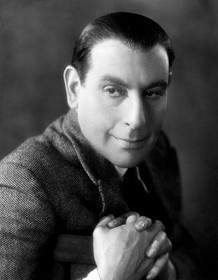
Theotocopulos
Played by Cedric Hardwicke
A sculptor who stirs public sentiment in favor of a ‘rest’ from fast-paced progress, becoming a provocative figure in the cultural debate about what civilization should value. He embodies the aesthetic and philosophical pushback against relentless advancement.
- 🎨 Artist
- 🗣️ Influencer
Where and When Is Things to Come Set?
Things to Come is set in Everytown, Southern England, Basra and Iraq (1940s to 2030s). Here is why the time and place matter to the story.
When
1940s to 2030s
The plot spans from the 1940s, beginning with World War II fears, through the 1960s’ dark age after global devastation, and into the 1970s and beyond as Wings Over the World reshapes civilization. By 2036, humanity has developed stable underground cities and a renewed, if contested, peace. The timeline juxtaposes wartime urgency with a long arc of rebuild and technological ambition. It culminates in a future where spaceflight and planetary exploration are debated by a governed society.
Where
Everytown, Southern England, Basra, Iraq
Everytown is a fictional city in Southern England where the story begins under the threat of war. Basra in the Near East becomes a pivotal base for Wings Over the World as civilisation is rebuilt. The narrative later shows humanity living in modern underground cities, a response to the collapse of surface civilization. The settings move from a wartime community to a global, technologically reorganized world.
- 🌆 Everytown
- 🗺️ Southern England
- 🗺️ Basra
- Iraq
- 🏙️ Underground cities
What Are the Themes of Things to Come?
3 ideas the story keeps returning to, among them Power, Progress and Freedom.
-
01
Power
The film explores who controls society: a postwar warlord, a global movement, and the governance built around technological promise. Coercive tools like the Gas of Peace illustrate how power can be exercised to silence dissent and propel a particular vision of order. The tension between leadership and resistance drives the narrative from tyranny to strategic manipulation of public opinion. Authority is depicted as both necessary for survival and potentially corrupting.
-
02
Progress
Progress is shown as a double-edged sword, delivering civilization’s renewal while accelerating social control. The pursuit of technological feats, from biplanes to spaceflight, propels humanity forward but also creates new dependencies and ethical choices. The idea of a ‘rest’ from progress conflicts with the drive to conquer space and master the universe. The story questions whether advancement justifies the costs it imposes on freedom.
-
03
Freedom
Freedom vs. order is a central tension: Wings Over the World promises peace but imposes governance on a weary population. The dialogue around whether humanity should rest or relentlessly chase discovery frames a moral struggle about autonomy. The climactic question, All the universe or nothingness, encapsulates the choice between expansive ambition and the preservation of individual liberty.
What Kind of Film Is Things to Come?
Tense in tone, with variable pacing and a moderate story, going by the plot summary.
- Tone
- Tense
- Pacing
- Variable
- Story
- Moderate
- Intensity
- High
- Ending
- Ambiguous
A tense and prophetic epic spanning a century that transitions from the bleak collapse of civilization into a technologically advanced but unsettling utopia, prompting a heavy philosophical debate about the nature of progress.
- prophetic
- tense
- hopeful
- melancholic
- oppressive
- philosophical
- utopia vs dystopia
- technological progress
- war and collapse
- social reconstruction
Content notes: war violence, child death, epidemic disease, authoritarian rule, summary execution.
Quiz
How well do you remember Things to Come? Test yourself on the story.