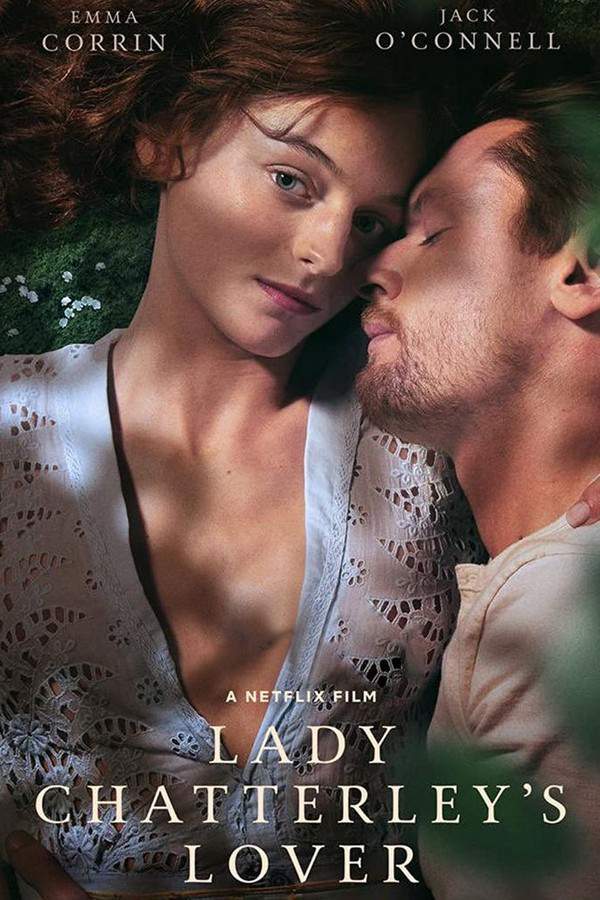
What Is The Rainbow About?
The premise of The Rainbow in 300 words, with nothing given away. The full story follows below.
In the waning light of the late Victorian countryside, a sprawling Derbyshire farm becomes both sanctuary and cage for the restless Ursula Brangwen. The daughter of prosperous landowners Will Brangwen and Anna Brangwen, she spends her childhood chasing rainbows across mist‑laden fields, a habit that turns the simple arc of colour into a metaphor for possibility. The Brangwen household, with its steady rhythms and genteel propriety, offers Ursula a world of comfort but also a set of invisible boundaries that quietly shape her expectations of duty and decorum.
As she steps into womanhood, Ursula’s imagination collides with a burgeoning desire for something fuller than the predictable life laid out before her. A magnetic connection with her older swimming and gym teacher, Winifred, introduces a sensual and intellectual awakening that challenges the era’s strict codes of conduct. Simultaneously, a spirited attraction to the charismatic Anton Skrebensky, a young man on the cusp of his own ambitions, pulls her toward a different sort of freedom—one rooted in adventure and self‑determination. These entanglements hint at a tension between inherited responsibility and the fierce pull of personal expression, setting the stage for a journey that is as much internal as it is external.
The film’s tone is a delicate blend of lush period detail and quiet rebellion, painting the Victorian world in muted but resonant hues while allowing Ursula’s inner light to flicker against the gloom of convention. Through soft lighting, whispered conversations, and the ever‑present motif of the rainbow, the story cultivates an atmosphere of longing and possibility. It invites viewers to contemplate the price of imagination in a time when social mores dictate every step, and to wonder whether a woman like Ursula can ever truly step beyond the arc of what is expected and chase the colour of her own destiny.
What Happens in The Rainbow?
The complete story of The Rainbow, from the first scene to the last, in 810 words (about 4 minutes). Spoilers throughout. Names in the text link to 4 cast member pages.
Spoilers ahead
Set in the late Victorian era, Ursula Brangwen, Sammi Davis, is the eldest child of Will Brangwen and his wife Anna Brangwen, a prosperous Derbyshire farmer family. Her world is defined by a steady country life and a childhood wonder for rainbows. Since the age of three, Ursula has chased those arcing colors, and after a particularly rainy spell she even collects a suitcase and heads out, hoping to find a pot of gold at the rainbow’s end. To calm her imagination, Will Brangwen, Christopher Gable, tries to dazzle her with a practical gesture—a jam sandwich layered with several spreads of different flavours that resemble a rainbow, a small act meant to tether fantasy to family routine. Anna Brangwen, Glenda Jackson, watches with a mix of love and concern as her daughter’s mind wanders beyond the hedges of the family land.
As Ursula grows into her teenage years, her curiosity expands in two directions that feel both intimate and forbidden. She falls into a same‑sex romance with Winifred Inger, her older swimming and gym teacher, while simultaneously developing strong feelings for Anton Skrebensky, a student from the nearby boys’ high school who plans to enlist after graduation. The pairings pull Ursula into hidden corners of affection and risk. She and Winifred steal weekends together at Winifred’s home and share long walks in the hills, a gentle rebellion against the strict mores of their time. Winifred even introduces Ursula to an artist friend who invites her to model nude; Ursula refuses the implied proposition, and the artist cuts the encounter short, but the sting lingers.
When Ursula visits Winifred alongside her own family, she meets Uncle Henry, a wealthy relative who is captivated by Winifred. Uncle Henry, David Hemmings, soon courts the woman, and after a brief engagement she agrees to marry him. This development awakens a ache of jealousy in Ursula, who finds herself torn between affection for her mentor and a longing for a different path she cannot yet name.
The wedding of Winifred to Uncle Henry coincides with a turning point for Ursula: the end of her romance with Winifred and the departure of Anton to fight in the Second Boer War in South Africa. Choosing to rebuild her life, Ursula leaves the countryside behind and becomes a schoolteacher. She moves to London, taking a position at a cramped, underfunded East End elementary school where discipline, hygiene, and poverty are daily challenges. The headmaster’s crude advances test her resolve, but she holds back at first, refusing to mirror the cruelty that surrounds her. Yet a belligerent boy wearing a sling-shot begins pestering her, and in a moment of loss of control, she disciplines him with a cane in full view of the class. The act quiets the classroom and halts the harassment, yet she is left guilt‑ridden by the violence of her outburst and ultimately resigns at the end of the school year.
A year and a half later, Ursula returns to her family farm with a newly restless sense of purpose. Anton has returned from war but has found another life; he is back for a time and proposes a rekindled romance, though Ursula’s heart is no longer tethered to a single course. After a brief, casual reunion with Winifred—who is now married to Uncle Henry and raising a child—Ursula makes a radical choice: she will chart her own path. She commits to helping others, joining a local miners’ union to advocate for better wages and security for underprivileged workers, and she begins to imagine a life defined by service rather than convention.
The relationship with Anton evolves into a complicated strand of independence and risk. When Ursula suspects she might be pregnant, Anton proposes marriage, but she declines, determined to pursue her own trajectory even if that means being alone. Her decision is tested further when she learns that she is not pregnant after all and that Anton has left for India with another woman.
The world reinforces her resolve to choose her own future. A heartfelt talk with her father solidifies the sense that life’s path is not fixed, but made through courage and action. In the spring of 1901 she sets out again—this time to teach in a new town, two hours away from home. The final image is a hopeful mirror of her childhood: Ursula packs a suitcase and, as a rainbow finally arcs across the rain-soaked sky, she runs toward it, chasing a possibility she has chosen for herself.
This portrait of Ursula Brangwen’s life unfolds with quiet dignity, tracing a girl’s awakening to adulthood against a backdrop of social change, familial love, and the stubborn pull of personal independence. It is a narrative about longing, consequence, and the enduring search for a path that aligns with one’s own sense of purpose, even as the world around her shifts beneath her feet.
The Rainbow Timeline: Every Key Event in Order
14 key events in the order they happen, from “Ursula's rainbow fascination begins” to “A new start and the final rainbow”. 14 events name a place, across 13 locations.
- 1
Ursula's rainbow fascination begins
From age 3 Ursula becomes obsessed with rainbows after a rainstorm. Will Brangwen tries to ease her fixation by making her a jam sandwich with several flavors that resemble a rainbow. This early curiosity foreshadows her lifelong search for color and meaning.
When:childhood Where:Derbyshire, Will Brangwen farm
- 2
First love: Winifred Inger
During her teenage years Ursula begins a same-sex romance with Winifred Inger, her swimming and gym teacher. They spend weekends together at Winifred's house and hike in the hills around the area. The relationship unsettles her as she navigates desire and loyalty.
When:teenage years Where:Derbyshire hills and Winifred's home
- 3
Artistic advances and boundaries
Winifred introduces Ursula to an artist friend who invites her to model nude for his paintings. She refuses his advances and is thrown out, demanding her fee be paid. The rejection forces Ursula to reassess her boundaries and dignity.
When:late adolescence Where:Winifred's social circle
- 4
Winifred's marriage to Uncle Henry
Winifred visits Uncle Henry, who falls for her and proposes marriage. Winifred accepts, stirring jealousy in Ursula who feels abandoned. The event marks a turning point in Ursula's relationships.
When:late adolescence/early adulthood Where:Uncle Henry's estate
- 5
Boer War separation
Feeling abandoned, Ursula focuses on her own life while Anton goes off to fight in the Second Boer War. The war drags on, creating distance and uncertainty for their future. Ursula begins to imagine life beyond the farm.
When:late 19th century Where:Derbyshire
- 6
London teaching begins
After finishing school, Ursula moves to London to teach at a poor East End elementary school. She is appalled by the lack of discipline, hygiene, and the harsh conditions under which the children live. She resists the headmaster's sexual advances but faces the daily grind, shaping her resolve.
When:early 1900s Where:East End, London
- 7
The breaking point at the school
The headmaster pressures her to use physical discipline to manage the class. After a belligerent boy pelt her with stones, Ursula loses her temper and beats him with a cane in full view of the class and staff. The outburst pacifies the students but leaves Ursula overwhelmed with guilt.
When:early 1900s Where:London school
- 8
Leaving teaching to return home
Her guilt over the outburst lingers, and she ultimately quits her job at the end of the school year. She returns to her family farm, choosing distance from the capital's cruelty. The experience hardens her sense of self and her limits.
When:early 1900s Where:East End school to Derbyshire farm
- 9
Reunion at the family farm
A year-and-a-half later in spring 1901 Ursula reunites with Anton at the family farm, and he wants to rekindle their romance. She also has a casual reunion with Winifred, who is now married with a baby, highlighting the changing lives around her.
When:Spring 1901 Where:Derbyshire family farm
- 10
Miners' union work begins
Ursula begins working with a local miners' union to help unprivileged workers with wages and security. The work broadens her sense of social justice and deepens her connection to Anton.
When:early 1900s Where:Derbyshire mining communities
Show the other 4 events of The Rainbow Hide the last 4 events
- 11
Pregnancy doubt and proposal
When she fears she might be pregnant, Anton proposes marriage, but Ursula declines. She chooses to pursue her own path instead, seeking independence and personal growth.
When:early 1900s Where:Derbyshire
- 12
Anton leaves for India
Not pregnant, Ursula learns Anton leaves her for another woman and moves to a military post in India. The separation marks another pivotal turn in her journey toward self-defined life.
When:early 1900s Where:Derbyshire to India
- 13
Attack, escape, and telegram
On the way home she is attacked by two mine workers who try to rape her. She escapes and hides in a rain-soaked forest before returning to the farm to find a telegram from Anton saying he has married and is in India.
When:early 1900s Where:Forest and Derbyshire farm
- 14
A new start and the final rainbow
After a heartfelt talk with her father, Ursula decides to start over with another teaching job in a new town two hours away. In the final scene she packs a suitcase and runs toward a rainbow that appears after a storm, echoing her childhood dream.
When:final moment Where:From farm to new town
Who Are the Main Characters in The Rainbow?
8 characters, among them Ursula Brangwen, Winifred Inger and Anton Skrebensky: who each one is and the part they play in the story. Every profile links to the actor’s page.
-
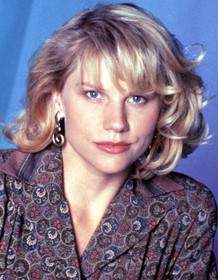
Ursula Brangwen
Played by Sammi Davis
The eldest Brangwen daughter, a bright and curious girl who grows from a farm-adjacent dreamer into a confident young woman. Her fascination with rainbows frames a lifelong quest for meaning, while her romantic awakenings challenge conventional norms. She becomes a schoolteacher, wrestles with violent impulses she later regrets, and ultimately pursues her own path beyond traditional expectations.
- 🌈 LGBTQ+ romance
- 🏫 Education
- 🧭 Personal growth
-
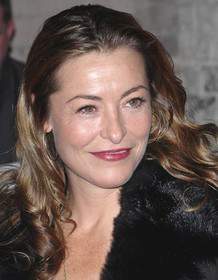
Winifred Inger
Played by Amanda Donohoe
Ursula's older mentor-figure and romantic connection, a swimming and gym teacher who later marries Ursula's Uncle Henry. She embodies female agency within a constrained society, balancing affection with social obligations. Her relationship with Ursula exposes the tensions between desire, loyalty, and societal expectations.
- 🌈 LGBTQ+ romance
- 👩🏫 Teacher
- 💞 Complex relationships
- AS
Anton Skrebensky
Played by Paul McGann
A student who becomes Ursula's lover and later plans to enlist in the Army. His presence represents youthful ambition and idealism tempered by the realities of duty and distance. He goes off to fight in the Boer War and ultimately ends their romance, pursuing his own path abroad.
- 💔 Romantic longing
- 🪖 Duty & war
- 📜 Young adulthood
- WB
Will Brangwen
Played by Christopher Gable
The wealthy Derbyshire farmer and Ursula's father, a practical, thoughtful presence who counsels his daughter on life’s choices. He embodies maternal-feminine resilience in the family and provides a grounding counterpoint to the changing social landscape. His conversations with Ursula frame themes of purpose and responsibility.
- 👨👩👧 Family
- 🧭 Guidance
- 🧡 Rural life
- AB
Anna Brangwen
Played by Glenda Jackson
Ursula's mother, a stabilizing force within the family who upholds tradition while supporting her daughter's growth. She represents the domestic sphere yet recognizes the need for evolution in a changing world. Her perspective anchors the family’s emotional center.
- 👩👧 Family bonds
- 🏡 Domestic life
- 🛡️ Support
-
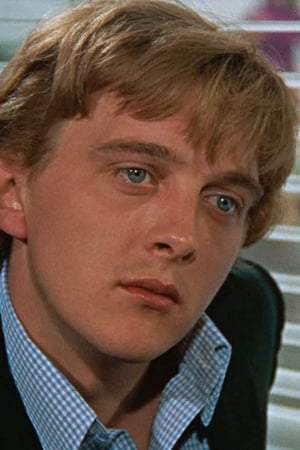
Uncle Henry
Played by David Hemmings
A wealthy, socially ambitious figure who becomes Winifred's husband after a brief courtship. His marriage to Winifred stirs jealousy in Ursula and underscores tensions between money, status, and genuine affection. He epitomizes the upper-class pressures that frame romantic choices.
- 💰 Wealth & power
- 💞 Jealousy
- 🕴️ Social status
- GB
Gudrun Brangwen
Played by Glenda McKay
Ursula's younger sister, part of the extended Brangwen clan whose presence highlights family dynamics and the seeds of future generations. She represents the continuing thread of the Brangwen lineage in a rapidly changing era. Her role underscores sibling relationships and shared family ties.
- 👭 Family ties
- 🧒 Sisterhood
- 🏡 Rural lineage
- MB
Molly Brangwen
Played by Molly Russell
Another Brangwen sister who expands the family circle and contributes to the domestic tapestry of life on the farm. She embodies the everyday experiences and close-knit kinship of a large rural family. Her presence reinforces the importance of family support throughout Ursula's journey.
- 👧 Family
- 🏡 Domestic life
- 🫶 Sibling care
Where and When Is The Rainbow Set?
The Rainbow is set in Derbyshire countryside, London East End and South Africa (Late Victorian era to the early 1900s (circa 1890s–1901)). Here is why the time and place matter to the story.
When
Late Victorian era to the early 1900s (circa 1890s–1901)
Set in the final years of Queen Victoria's reign and into the dawn of the 20th century, the narrative spans a period of social constraint and shifting gender roles. It captures rural aristocratic life, the rise of urban schooling, and the beginnings of organized labor movements. The Boer War backdrop places the characters within a wider imperial context that influences personal choices and loyalties.
Where
Derbyshire countryside, London East End, South Africa
The story unfolds across the rural, affluent Derbyshire farmstead of the Brangwens and later shifts to the crowded, industrial streets of London's East End. It also touches on the distant backdrop of the Second Boer War in South Africa, which interrupts personal lives and fuels the era’s imperial mood. These settings contrast provincial comfort with urban hardship and global conflict, shaping Ursula's journey from childlike wonder to adult responsibility.
- 🏞️ Derbyshire countryside
- 🏙️ London East End
- 🌍 South Africa
What Are the Themes of The Rainbow?
3 ideas the story keeps returning to, among them Romantic awakening, Independence & agency and Class & social change.
-
01
Romantic awakening
Ursula's first recognisable passions are intimate and unconventional, highlighting a same-sex attraction to Winifred. The relationship challenges social norms of the time and forces Ursula to question conventional paths for women. The theme traces how love and desire propel personal growth, secrecy, and eventual self-definition.
-
02
Independence & agency
The protagonist pursues education, teaching, and social activism rather than a traditional domestic role. Ursula seeks autonomy by joining a teaching job in London and later supporting miners, illustrating a shift from family-led expectations to individual path-making. Her choices reflect a broader move toward personal and professional self-determination.
-
03
Class & social change
The narrative contrasts privileged rural life with the harsh realities of urban schooling and working-class injustice. Ursula encounters ill-disciplined schools, exploitation, and the stark realities of child labor, prompting a sense of social responsibility. The film uses these contrasts to critique entrenched class hierarchies and to show the potential for reform.
What Kind of Film Is The Rainbow?
Hopeful in tone, with steady pacing and a moderate story, going by the plot summary.
- Tone
- Hopeful
- Pacing
- Steady
- Story
- Moderate
- Intensity
- Medium
- Ending
- Bittersweet
A steady-paced, coming-of-age drama that follows a young woman's yearning journey for sexual and creative freedom against restrictive Victorian norms, marked by both ecstatic discoveries and poignant setbacks, culminating in a hopeful but bittersweet independence.
- introspective
- hopeful
- restless
- dignified
- sensual
- coming of age
- sexual awakening
- personal independence
- victorian society
- teacher-student relationship
Content notes: teacher seduces student, power imbalance, corporal punishment.
Quiz
How well do you remember The Rainbow? Test yourself on the story.