

What Is The Racket About?
The premise of The Racket in 329 words, with nothing given away. The full story follows below.
In a Midwestern city where political ambition and shady deals have long kept the shadows at bay, a powerful national crime syndicate has slipped into the streets and forged an uneasy alliance with the local mob boss, Nick Scanlon. The Senate crime committee’s inquiry stalls, leaving the community vulnerable to a tide of corruption that seeps through city hall, the courts, and the police precinct. The atmosphere is thick with the hushed whispers of back‑room negotiations, neon‑lit nightclubs, and the ever‑present sense that justice has become a luxury.
At the heart of this turmoil stands Thomas McQuigg, a seasoned police captain whose reputation for honesty borders on legend. Unwilling to bend to bribes or intimidation, McQuigg is the solitary beacon of integrity inside a department increasingly compromised by the same forces that threaten the city. He works closely with his loyal patrolman, Bob Johnson, whose steady presence offers a quiet counterpoint to McQuigg’s fierce determination. Together they navigate a landscape where every step forward feels like a gamble against unseen powers.
Adding further complexity are the figures who orbit the conflict. Irene Hayes, a sultry nightclub singer with ties to both the underworld and the ordinary citizens, becomes an unexpected focal point for the battle lines being drawn. The city’s prosecuting attorney, Welsh, and a state police detective, Turk, hover on the periphery, their motives as ambiguous as the smoky rooms they occupy. Their involvement hints at a larger game being played, one where alliances shift as quickly as the night‑time traffic.
The film unfolds in classic noir fashion—crisp black‑and‑white visuals, terse dialogue, and a relentless tension that never quite releases its grip. It is a story of one man’s uncompromising stand against a system that seems designed to crush him, set against a backdrop of urban decay and moral ambiguity. The tone is both gritty and atmospheric, inviting the viewer to wonder how long an honest heart can survive in a city where corruption wears a respectable coat.
What Happens in The Racket?
The complete story of The Racket, from the first scene to the last, in 488 words (about 2 minutes). Spoilers throughout. Names in the text link to 7 cast member pages.
Spoilers ahead
Nick Scanlon, Robert Ryan, is a ruthless racketeer who has managed to buy off several of the city’s local government and law-enforcement officials in a sprawling Midwestern city. Yet one figure remains beyond his reach: Captain Thomas McQuigg, Robert Mitchum, an incorruptible police officer who refuses every bribe and every attempt at intimidation. The crooked edges of power are further twisted by Welsh, Ray Collins, the city’s prosecuting attorney, and Turk, William Conrad, a state police detective who pair up to complicate McQuigg’s mission. When Higgins, a corrupted deputy prosecutor, falls victim to a mob hit, the balance of fear and influence becomes even more fragile.
McQuigg’s strategy is steady and precise: he coaxes Irene Hayes, Lizabeth Scott, a sultry nightclub singer, to testify against Scanlon. Her impending testimony draws a target on her head, and McQuigg’s aim is twofold: to nail Scanlon and to root out the pervasive mob corruption without risking his witness—or his own life. To shore up the case, he keeps Irene under protection, a move that adds tension to every street corner and backroom meeting in the city.
A bomb blasts near McQuigg’s home, a chilling reminder that the stakes are deadly high and personal. The threat rattles his wife, Mary McQuigg, Joyce Mackenzie, and tests the captain’s resolve to shield those he loves while pursuing justice. The tension between duty and danger intensifies as Honest cop Bob Johnson is drawn into the perilous web and aides McQuigg, while reporter Dave Ames, Robert Hutton, covers the story and harbors a budding romance with Irene.
The night arrives when Scanlon confronts the protective custody room where Irene is held. He strides in alone, eyes the prize, and kills Johnson in a brutal struggle. A high-speed car chase follows, ending with Scanlon’s arrest. McQuigg then makes a decisive stand, tearing up the writ of habeas corpus and taking possession of the murder weapon—this gun still bears Scanlon’s fingerprints, a chilling clue that tightens the net around the crime boss.
Welsh and Turk place a chilling demand over the phone, instructing Scanlon to lie low until after the next election. Yet their whispered instructions only deepen Scanlon’s fury and cement the different kinds of leverage at play. In a tense moment of inevitability, Scanlon seizes the opportunity to flee, prompted by the crooked duo’s signals.
The confrontation reaches its grim close when Scanlon finally handles the weapon again, only to find it unloaded by McQuigg, who anticipated every move. The trap closes as Turk shoots Scanlon, and Turk and Welsh are soon escorted away by investigators bearing subpoenas, signaling the collapse of the mob’s grip on the city.
Irene’s departure with Dave signals a fragile but real personal shift amid the city’s political reckoning. McQuigg, weary but unbowed, returns home to his wife after a long day, aware that tomorrow will bring another round of challenges in this ongoing battle between honest law and corrupt power.
The Racket Timeline: Every Key Event in Order
13 key events in the order they happen, from “Scanlon buys influence in the city” to “McQuigg returns home with his wife”. 13 events name a place, across 10 locations.
- 1
Scanlon buys influence in the city
Racketeer Nick Scanlon manages to buy several local government and law-enforcement officials in a large midwestern city. His influence blocks honest enforcement and allows his criminal operations to continue with impunity. The city's institutions begin to bend to his power.
When:Opening phase Where:Midwestern city
- 2
McQuigg remains incorruptible
Captain Tom McQuigg refuses bribes and insists on enforcing the law despite the mob's reach. He becomes a target of the corrupt network as his integrity threatens their control. The city watches how far a single honest officer is willing to go.
When:Early phase Where:City police headquarters
- 3
Welsh and Turk's crooked operation
Welsh and Turk coordinate with Scanlon to keep the mob's power intact and obstruct legitimate prosecution. Their scheming undermines McQuigg's efforts and complicates the investigation. The corrupt duo's actions show the depth of the city's rot.
When:Midstage Where:Police headquarters
- 4
Higgins is killed by a mob hit
Higgins, a corrupted deputy prosecutor, falls victim to a mob hit, underscoring the mob's reach and the danger to anyone who would challenge them. The murder signals the widening danger to law enforcement and prosecutors alike. The case becomes personal for McQuigg.
When:Night Where:City offices
- 5
Bomb explodes near McQuigg's home
A bomb blasts near Captain McQuigg's residence, frightening his wife Mary and showing that the mob will target witnesses and families. The attack heightens the stakes for anyone testifying against Scanlon. McQuigg must balance his duty with family safety.
When:Night Where:McQuigg's home neighborhood
- 6
McQuigg persuades Irene Hayes to testify
McQuigg convinces nightclub singer Irene Hayes to testify against Scanlon, turning her into a key witness. Irene knows her life will be in danger now that she's linked to the case. The decision expands the conflict from the courtroom to the streets.
When:Evening Where:Irene Hayes's nightclub
- 7
Johnson is killed at the precinct
Honest officer Bob Johnson is killed in a confrontation at the police precinct when Scanlon confronts Irene in protective custody. The killing demonstrates that the mob will strike inside law enforcement to protect its interests. The tragedy raises the urgency of McQuigg's pursuit.
When:One night Where:Police precinct
- 8
Scanlon is arrested; gun with his fingerprints
Following a car chase, Scanlon is arrested and brought to the precinct. McQuigg rips up a writ of habeas corpus, signaling his commitment to pursuing the case on its merits. The gun that killed Johnson is recovered with Scanlon's fingerprints, tying him to the crime.
When:Night Where:Police precinct
- 9
Welsh and Turk consult the mob boss
Welsh and Turk phone Scanlon's unseen mob boss to report developments and seek instructions. They are told to keep Scanlon locked up until after the next election, a command that infuriates the mob. The political timing of justice becomes a fresh obstacle.
When:Evening Where:Police precinct office
- 10
Scanlon's escape attempt is foiled
Welsh and Turk imply an escape by coaxing Scanlon toward a window, but Scanlon only reaches for the murder weapon, which has been emptied of bullets by McQuigg. The maneuver shows McQuigg's foresight and the mob's struggle to regain control. The moment underscores the cat-and-mouse nature of the case.
When:Night Where:Police precinct
Show the other 3 events of The Racket Hide the last 3 events
- 11
Turk shoots Scanlon; subpoenas arrive
Turk shoots Scanlon dead, then he and Welsh are taken into a room with investigators bringing subpoenas. The killing eliminates a major mob enforcer while the legal process closes in. The mob's grip on the city continues to erode as the investigation tightens.
When:Night Where:Police precinct
- 12
Irene leaves with Dave Ames
Irene Hayes leaves with reporter Dave Ames, signaling her return to normal life as the case continues in the background. Their romance lingers amid danger and uncertainty. The affair provides a personal counterpoint to the public fight against corruption.
When:Following night Where:City streets / Irene's location
- 13
McQuigg returns home with his wife
After a long, exhausting day, McQuigg goes home to his wife Mary, aware that tomorrow will likely demand as much effort as today. He remains resolute to continue the fight against mob corruption. The day ends with a quiet close, but the struggle is far from over.
When:Night Where:McQuigg's home
Who Are the Main Characters in The Racket?
6 characters, among them Nick Scanlon (Robert Ryan), Captain Thomas McQuigg (Robert Mitchum) and Irene Hayes (Lizabeth Scott): who each one is and the part they play in the story. Every profile links to the actor’s page.
-
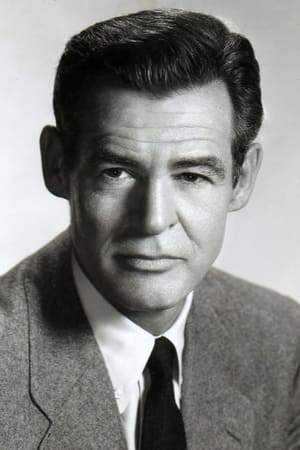
Nick Scanlon (Robert Ryan)
Played by Robert Ryan
Nick Scanlon is a ruthless racketeer who has bought much of the city's political and law-enforcement apparatus. He commands fear and uses bribery to steer cases and protect his operations. He becomes a direct target of Captain McQuigg as the investigation closes in.
- 🔗 Mobster
- 🎯 Ruthless
- 🧭 Corruption
-
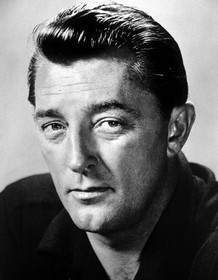
Captain Thomas McQuigg (Robert Mitchum)
Played by Robert Mitchum
An incorruptible police captain who resists bribery and fights mob corruption. He relentlessly pursues Scanlon while trying to protect his witness Irene Hayes. His resolve is tested by danger, including a bomb at his home.
- 🛡️ Heroism
- ⚖️ Integrity
- 🔎 Investigation
- IH
Irene Hayes (Lizabeth Scott)
Played by Lizabeth Scott
A nightclub singer whose testimony becomes pivotal to the case against Scanlon. She faces danger from the mob and develops a romantic connection with Dave Ames. Her role shifts the balance between fear and courage.
- 🎤 Singer
- 💃 Femme Fatale
- 🛡️ Witness
- DA
Dave Ames (Robert Hutton)
Played by Robert Hutton
A reporter who covers the corruption story and aids McQuigg. He shares a romantic interest with Irene and helps bring the case to public attention. His reporting frames the investigation and bolsters credibility.
- 📰 Reporter
- ❤️ Romance
- DA
D. A. Mortimer Welsh (Ray Collins)
Played by Ray Collins
A deputy prosecutor who is crooked and marks the mob's influence within the legal system. His manipulation of the case demonstrates how political power can shield crime.
- ⚖️ Corruption
- 🏛️ Politics
- DS
Det. Sgt. Turk (William Conrad)
Played by William Conrad
A state police detective who collaborates with the mob and complicates the pursuit of Scanlon. He embodies the pervasive corruption and the obstacles faced by honest investigators.
- 🕵️ Detective
- ⚖️ Corruption
Where and When Is The Racket Set?
The Racket is set in Midwestern city (1950s). Here is why the time and place matter to the story.
When
1950s
The events unfold in an early 1950s American city where organized crime exerts influence over politics and law enforcement. The era features a noir mood, rapid investigations, and a climate of bribes and threats. The struggle between reform-minded officers and corrupt officials drives the story.
Where
Midwestern city
Set in a large Midwestern American city plagued by mob influence and political corruption. The city functions as a backdrop for the clash between honest police and entrenched criminals. The plot follows the city’s cops, prosecutors, and journalists as they navigate threats to witnesses and public safety.
- 🏙️ City
- 🔗 Crime
- ⚖️ Corruption
What Are the Themes of The Racket?
3 ideas the story keeps returning to, among them Corruption, Integrity Under Pressure and Witness & Media.
-
01
Corruption
Corruption threads through city hall, the police, and the legal system as shown by Scanlon's bribery of officials. The film demonstrates how power can bend institutions to serve crime. Honest lawmen must navigate threats to themselves and their witnesses. The resolution hinges on exposing the mob's reach rather than a quick arrest.
-
02
Integrity Under Pressure
Captain McQuigg stands as the moral counterweight to the mob's influence. He risks his safety and family to uphold the law, resisting bribery and intimidation. His decisions reveal the grit required to pursue justice in a city under siege.
-
03
Witness & Media
Irene Hayes's testimony marks a turning point, and Dave Ames's reporting frames the public narrative. The film highlights the role of witnesses, journalists, and the press in fighting corruption. It shows how media attention can pressure prosecutors and police to act.
What Kind of Film Is The Racket?
Tense in tone, with steady pacing and a straightforward story, going by the plot summary.
- Tone
- Tense
- Pacing
- Steady
- Story
- Straightforward
- Intensity
- High
- Ending
- Mixed
A tense and gritty crime thriller that builds a palpable sense of urban corruption and danger, following an incorruptible captain's determined but weary battle against a violent and pervasive crime syndicate.
- gritty
- tense
- anxious
- oppressive
- determined
- corrosive
- organized crime
- political corruption
- police investigation
- witness protection
Content notes: murder, police officer killed, bomb threat, witness intimidation.
Quiz
How well do you remember The Racket? Test yourself on the story.


