
The Hunchback 1997

Directed by
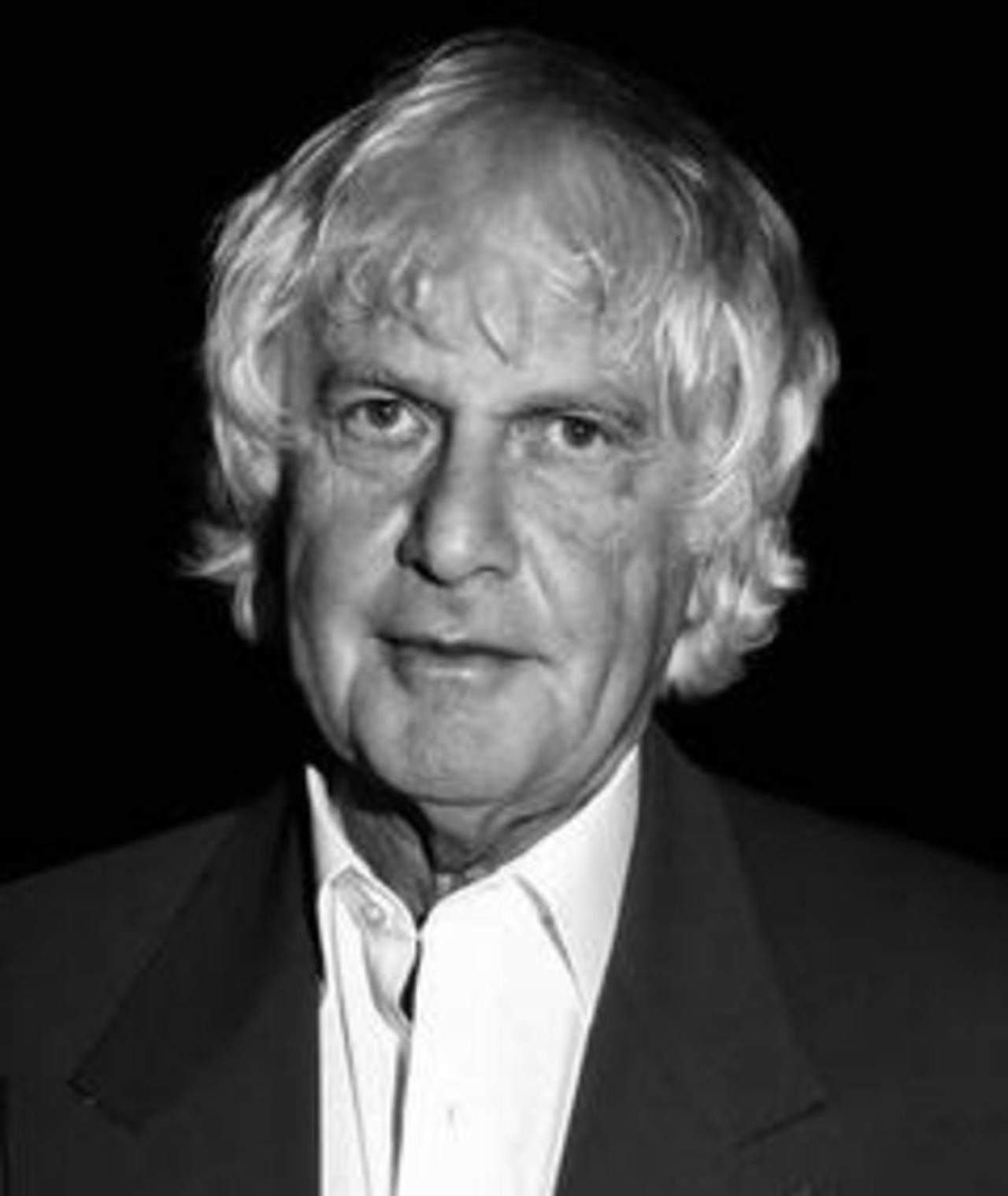
Peter Medak
Made by

Turner Pictures
The Hunchback Plot Summary
Read the complete plot summary and ending explained for The Hunchback (1997). From turning points to emotional moments, uncover what really happened and why it matters.
In 1480 Paris, Dom Claude Frollo discovers an abandoned, deformed baby on the steps of Notre Dame and feels a peculiar pity, convinced that the infant was sent by God. He names the child Quasimodo, Mandy Patinkin, and raises him within the cathedral walls, shaping the boy’s world around secrecy, dependence, and the strict boundaries of sanctuary. Over the years, Quasimodo grows under the watchful eye of the archdeacon, learning to navigate a life of bell-ringing, isolation, and a longing to glimpse the outside world beyond the stone gargoyles and hallowed towers.
Twenty-five years later, in 1505, Paris prepares for the Feast of Fools. Quasimodo is crowned King of Fools by Clopin, the ringleader of the Roma, while a dazzling dancer named Esmeralda captivates the crowd with a free-spirited performance. Her movements charm not only Quasimodo but also Frollo and Gringoire, a wandering poet who becomes entangled in the unfolding drama. Frollo, consumed by a dangerous mix of desire and anger, orders Quasimodo to stay within Notre Dame, warning that any outdoor excursions will be the hunchback’s last. His vow to control Quasimodo’s fate sets the stage for a collision between holy duty, personal hunger, and social cruelty.
When Frollo’s discipline fails to restrain his longing, he orchestrates a brutal kidnapping attempt aimed at Esmeralda. The guards’ plan is thwarted by Gringoire and Quasimodo, who intervene to protect her, and in the chaos Quasimodo is captured. Gringoire finds himself nearly hanged by the Roma for trespassing on the Court of Miracles, but Esmeralda offers to marry him if he helps secure Quasimodo’s rescue. In a twist of law and mercy, Esmeralda’s plea becomes a turning point, even as Frollo’s wrath deepens. Quasimodo is publicly whipped for an act he did not commit, and the crowd’s cruelty escalates as they mock him with cries of “Water” when he begs for relief. Esmeralda’s later mercy—giving him water—leads to a powerful, unsettling infatuation that Virgil-like sequence of events plants a fragile hope in Quasimodo’s heart. When he returns to Notre Dame, he finds Frollo consoling him, yet the emotional weather remains stormy and unsettled.
Amid growing tensions, Esmeralda’s relationship with Gringoire evolves from a political alliance into genuine affection. Frollo, now deeply jealous, disguises himself and confesses the depths of his own feelings to Esmeralda. She tries to read his future through his palm and sees death, a vision that unsettles her and foreshadows the tragedy to come. The tension erupts when Frollo murders Minister Gauchére, misreading his crime as a heresy, and Esmeralda is put on trial for murder. The jury imposes metal boot torture, and Frollo offers a cruel bargain: she could be spared if she yields to him. She refuses, and Quasimodo steps forward to defend her, declaring sanctuary for Esmeralda and fighting off Captain Phoebus and his guards who attempt to seize her.
As Esmeralda remains inside Notre Dame, Quasimodo forms a bond with her that grows into a quiet partnership. He introduces her to the bells he so loves and shares his dream of writing a 600-page book about life and longing. When Esmeralda learns of her own loneliness, Quasimodo goes to the Court of Miracles to retrieve Djali, her goat, before entrusting his manuscript to Gringoire to circulate among the people of Paris. Yet when he returns, Esmeralda has vanished, and he confronts Frollo, who finally admits his role in turning her over to the authorities. Frollo refuses to help clear Esmeralda’s name, and his cruelty towards Quasimodo intensifies, culminating in a cruel act of whipping.
The moment arrives when Esmeralda is again threatened with death. Quasimodo’s courage shines as he frees her from the gallows, and he invokes sanctuary as the two take shelter within Notre Dame. The city’s power plays press on, however, and Captain Phoebus and the guards storm the cathedral. Quasimodo wards off their assault by hurling objects and defending the sanctuary he swore to protect. Esmeralda remains in the cathedral, and Quasimodo’s devotion deepens as he reveals his plans and his longing for a life beyond stone and rope.
Eventually Quasimodo discovers that Esmeralda has been betrayed by Frollo, who refuses to aid in clearing her name and instead doubles down on his own obsessive fixation. He curses Quasimodo as a freak and tries to whip him again, but the hunchback rises with a newfound sense of self and refuses to be broken. The Gypsy resistance rises to demand Esmeralda’s freedom, and Frollo’s manipulations finally come to a head: he is forced to confess his crime to the crowd, a confession that stuns Louis XI. In a dramatic turn of fate, Esmeralda is freed and makes her way to Notre Dame to thank Quasimodo, while Frollo’s inner demons surface once more and he lunges at Esmeralda.
Quasimodo intervenes, taking the deadly blow himself as Frollo falls to his death from the cathedral’s ledge. The question of absolution lingers as the crowd bears witness to the collapse of the man who sought to command others’ fates. Quasimodo clings to the parapet, surviving only long enough to tell Esmeralda that the pain is too great, revealing that the deepest wound lies within his heart. Gringoire and Esmeralda ring the bells of Notre Dame in tribute to a life cut short, and Quasimodo dies with the city’s towers standing as quiet witnesses to a tragic, enduring devotion.
It was I
In the wake of these events, Notre Dame becomes not just a sanctuary of stone, but a symbol of mercy, resilience, and the quiet, costly beauty of choosing to protect others—even when the world around you does not understand. The story, through its ornate ceremonial life and brutal social hierarchies, invites readers to consider the line between sanctity and mercy, and how love can bloom in the most unlikely, and darkest, places. The film’s central relationship between Quasimodo and Esmeralda remains a poignant reminder that humanity often thrives not in power or spectacle, but in small acts of courage, compassion, and communal protection.
The Hunchback Timeline
Follow the complete movie timeline of The Hunchback (1997) with every major event in chronological order. Great for understanding complex plots and story progression.
Frollo finds Quasimodo
In 1480 Paris, Dom Claude Frollo discovers an abandoned, deformed baby on the steps of Notre Dame and takes him in. He names the child Quasimodo and raises him within the cathedral walls, treating him as his own son. Frollo believes Quasimodo's fate is a sign from God and watches over him with strict care.
Quasimodo crowned King of Fools
Twenty-five years later, during the Feast of Fools in Paris, Quasimodo is named the King of Fools by Clopin. Esmeralda dances and captivates both Frollo and Gringoire, stirring desire and envy. Frollo warns Quasimodo not to step outside Notre Dame again.
Esmeralda targeted by Frollo
Frollo secretly pays two guards to kidnap Esmeralda, hoping to bend her to his will. The attempt is thwarted when Gringoire and Quasimodo intervene to protect her, and Quasimodo is briefly apprehended. The incident plants seeds of conflict around Esmeralda and Quasimodo.
Gringoire's rescue and near hanging
Gringoire is nearly hanged by Roma for trespassing on the Court of Miracles, but Esmeralda promises to marry him if they rescue him. The plan succeeds, and a bond forms between Esmeralda and Gringoire, though Quasimodo remains loyal to Esmeralda. The event also intensifies Frollo's obsession.
Public punishment of Quasimodo
Angered by Quasimodo's disobedience, Frollo arranges for him to be whipped in public for attacking Esmeralda, though he is innocent. Esmeralda pleads with King Louis XII to stop the torture, but the king dismisses her pleas. The crowd's cruelty humiliates Quasimodo and deepens his bond with Esmeralda.
Quasimodo endures humiliation; Esmeralda shows kindness
Quasimodo endures an hour of fruit-throwing as the crowd taunts him, begging for water. Esmeralda finally gives him a drink, an act that deepens his affection for her. He returns to Notre Dame, where Frollo's cold consolation reveals their growing tension.
Esmeralda and Gringoire's bond grows
As Esmeralda and Gringoire's sham marriage grows into real love, they navigate Paris's divisions. Frollo's jealousy simmers as he contends with his own dangerous obsession. Esmeralda remains wary of Frollo's power while growing closer to Gringoire.
Frollo's disguise and confession
Frollo disguises himself and reveals the depths of his feelings to Esmeralda. She reads his palm and senses impending danger, which she interprets as death. Terrified, she flees, dropping her knife.
Esmeralda's trial and sanctuary
Esmeralda is put on trial for murder and sentenced after the metal boot torture. Frollo offers to spare her if she yields to him, but she refuses. Quasimodo saves Esmeralda from hanging and declares sanctuary at Notre Dame.
Siege of Notre Dame
Captain Phoebus and his guards assault Notre Dame, but Quasimodo defends the sanctuary by hurling objects at the invaders. The crowd supports Quasimodo and Esmeralda, recognizing his devotion. The cathedral becomes a fortress and symbol of sanctuary.
Frollo's confession and rise of the crowd
During a Gypsy rebellion, Quasimodo forces Frollo to confess his crimes to the crowd from the cathedral balcony. The revelation shatters Frollo's grip on power and enrages the crowd against him. The public confession marks the downfall of Frollo's tyranny.
Final confrontation and Frollo's death
Quasimodo intervenes as Frollo tries to stab Esmeralda again, forcing him to the edge of the parapet. Frollo falls to his death as Quasimodo clings to the ledge, severely wounded. The crowd watches the dramatic fall and the tarnished tyrant's end.
Quasimodo dies and bells toll
Quasimodo dies after the struggle, his life fading as Esmeralda and Gringoire ring the bells in tribute. He dies peacefully, having found family and purpose within the cathedral. Esmeralda grieves the loss of her friend and protector.
The Hunchback Characters
Explore all characters from The Hunchback (1997). Get detailed profiles with their roles, arcs, and key relationships explained.
Quasimodo (Mandy Patinkin)
The deformed bell ringer raised in Notre Dame by Frollo; ostracized by society yet marked by courage, loyalty, and a longing for belonging. He grows from obedience and humiliation into a figure who protects others and seeks sanctuary. His bond with Esmeralda and his devotion to the cathedral reveal a deeply human inner life.
Esmeralda (Salma Hayek Pinault)
A Romani dancer who captivates Paris and embodies compassion and resilience. She challenges social norms, helps Quasimodo, and navigates danger with wit and strength. Her influence sparks love and loyalty, and she becomes a central moral force in the story.
Dom Claude Frollo (Richard Harris)
Archdeacon of Notre Dame, a figure of authority driven by lust and power. His hypocrisy, manipulation, and cruelty drive much of the conflict, including the mistreatment of Quasimodo and Esmeralda. His moral descent culminates in tragedy.
Gringoire (Edward Atterton)
A wandering poet whose cleverness and charm make him a reluctant ally to Esmeralda. He shifts from a self-preserving observer to a participant in the dangers around Paris, serving as a bridge between worlds.
Phoebus (Benedick Blythe)
Captain of the guards, confident and charismatic, whose actions intertwine with Esmeralda’s fate. He participates in the rescue efforts and embodies a more complex loyalty within the city’s power structures.
Clopin (Jim Dale)
King of the Roma and ruler of the Court of Miracles; a bold, witty leader who defies the elite and protects his people. He embodies street-smarts and fierce independence, guiding the gypsy enclave through peril.
The Hunchback Settings
Learn where and when The Hunchback (1997) takes place. Explore the film’s settings, era, and how they shape the narrative.
Time period
1480–1505
The events unfold in the late 15th to early 16th century Paris, during the reigns of Louis XI and Louis XII. The Feast of Fools marks a cultural backdrop where the margins of society are momentarily visible. The period features strong religious influence, social hierarchy, and a vibrant, dangerous urban life.
Location
Paris, France
Set in late medieval Paris around Notre Dame Cathedral. The city is depicted as a crowded, stratified metropolis where religious authority, royal power, and street life collide. Key locales include the cathedral steps, the Court of Miracles, and the bustling riverfront districts that frame the story.
The Hunchback Themes
Discover the main themes in The Hunchback (1997). Analyze the deeper meanings, emotional layers, and social commentary behind the film.
💖
Love & Mercy
Love crosses social boundaries as Esmeralda shows kindness to Quasimodo and refuses to abandon him. Quasimodo’s growing affection for Esmeralda drives much of his courage and resilience. Sanctuary and mercy become central forces that challenge judgment and cruelty. The dynamic between love, loyalty, and compassion defines the characters’ choices.
⚖️
Power & Oppression
Authority figures manipulate law and religion to control others, with Frollo embodying corrupt power and obsession. The crowd’s cruelty toward the vulnerable reveals social hypocrisy and mob mentality. The Court of Miracles contrasts with Notre Dame’s sanctuary, highlighting how the powerful enforce rules that others must endure. The narrative exposes how oppression fuels rebellion and resistance.
🧭
Identity & Otherness
Quasimodo’s deformity marks him as an outsider in a judgmental society, yet his internal humanity proves brighter than public perception. Esmeralda challenges stereotypes with independence, courage, and empathy. The story probes how communities label the “other” and what it takes for individuals to resist those labels. Acceptance and self-definition emerge as key, hard-won victories.

Coming soon on iOS and Android
The Plot Explained Mobile App
From blockbusters to hidden gems — dive into movie stories anytime, anywhere. Save your favorites, discover plots faster, and never miss a twist again.
Sign up to be the first to know when we launch. Your email stays private — always.
Explore the mobile appThe Hunchback Spoiler-Free Summary
Discover the spoiler-free summary of The Hunchback (1997). Get a concise overview without any spoilers.
In the shadow of towering spires, 15th‑century Paris throbs with a mix of reverent incense and bustling streets. The great cathedral of Notre Dame dominates the skyline, its stone walls both sanctuary and prison, echoing with bells that mark the rhythm of a city caught between medieval devotion and restless festivity. The atmosphere is thick with mystery, the cobblestones humming with whispered prayers, street performers, and the ever‑present tension of a society bound by rigid hierarchies.
Quasimodo is introduced as the cathedral’s bell‑ringer, a man whose very body seems forged from the same stone he tends. Raised within the cloistered halls by a stern caretaker, he learns his craft in solitude, his world measured in the resonant clang of metal and the distant murmur of Paris beyond the rose‑window. Though his voice is hidden, his yearning to glimpse the life pulsing outside the cathedral’s thresholds is palpable, giving him a quiet, aching vulnerability that underlies every resonant toll.
Across the city’s lively squares, Esmeralda dances with a free‑spirited intensity that turns heads and lifts hearts. A gypsy performer whose movements seem to defy the weight of the world, she carries an aura of unbridled curiosity and compassion that stands in stark contrast to the stone‑cold corridors of Notre Dame. Her presence introduces a splash of color and motion to a world often cloaked in gloom, hinting at possibilities beyond the confines of tradition.
When the paths of these two souls brush, an unspoken tension flickers through the cathedral’s arches. Quasimodo finds himself drawn to the luminous spirit of Esmeralda, while she, in turn, glimpses the hidden humanity behind the famed hunchback’s exterior. Their dynamic hints at a delicate balance of longing and protection, set against a backdrop of soaring architecture, haunting chimes, and a city that both nurtures and restrains love in equal measure.
Movies with Similar Twists and Themes
Uncover films that echo the narrative beats, emotional arcs, or dramatic twists of the one you're exploring. These recommendations are handpicked based on story depth, thematic resonance, and spoiler-worthy moments — perfect for fans who crave more of the same intrigue.


Featured on this page

What's After the Movie?
Not sure whether to stay after the credits? Find out!
Check out our other apps:

SAT Sphere
Build confidence for the Digital SAT.

Mori Atlas
Discover wild places worth protecting.

Luntero
Search smarter for a home in Amsterdam.

Plot Explained
Unravel movie endings and hidden clues.

Pokechamp
Dive into Pokémon data and battle logic.

Driving Theory
Get ready for your European theory test.

Movie Dust
Plan your next cinema trip with ease.

Musemap
Find art and culture as you travel.

Selkobase
Compare credentials before committing.

Local Manual
Turn an unfamiliar country into practical next steps.

Lernavi
Compare school systems before your next move.

GymRoam
Find a workout stop wherever your plans take you.
Explore Our Movie Platform
New Movie Releases (2026)
Famous Movie Actors
Top Film Production Studios
Movie Plot Summaries & Endings
Major Movie Awards & Winners
Best Concert Films & Music Documentaries
Movie Collections and Curated Lists
© 2026 What's After the Movie. All rights reserved.
Privacy Policy