The Hunchback 1997


Based on Victor Hugo’s famed novel, the story of Quasimodo, the deformed bell ringer of Notre Dame, and his unrequited love for the gypsy girl, Esmeralda.

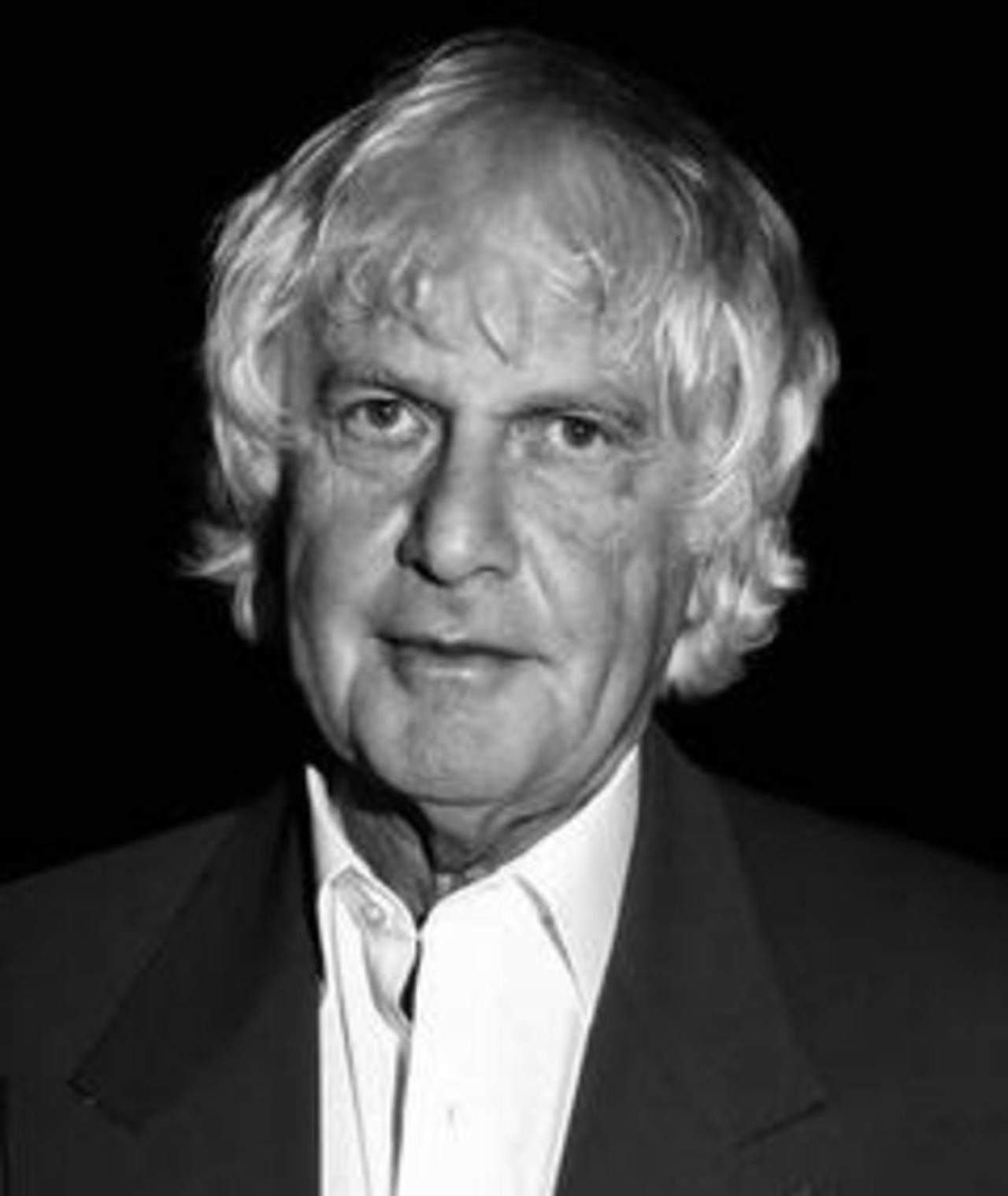
Does The Hunchback have end credit scenes?
No!
The Hunchback does not have end credit scenes. You can leave when the credits roll.
Meet the Full Cast and Actors of The Hunchback
Explore the complete cast of The Hunchback, including both lead and supporting actors. Learn who plays each character, discover their past roles and achievements, and find out what makes this ensemble cast stand out in the world of film and television.
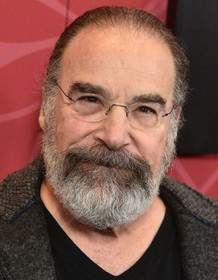
Mandy Patinkin
Quasimodo
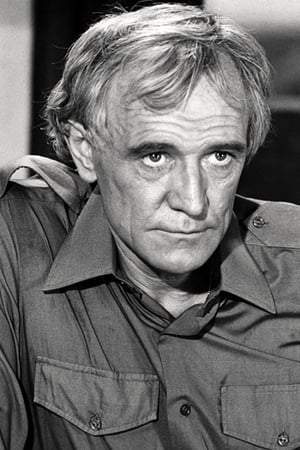
Richard Harris
Dom Frollo

Vernon Dobtcheff
Father Michel
Cassie Stuart
Colette
Nigel Terry
King Louis XI
Jim Dale
Clopin
Michael Mehlmann
Beggar
Nickolas Grace
Gauchére
Salma Hayek Pinault
Esmeralda
Erika Sajgál
Young Noble
Levente Tamási
Cut Purse
Edward Atterton
Gringoire
Zoltán Gera
Overweight Noble
István Hunyadkürthy
Man in Crowd #3
Zsolt Zágoni
Gallow's Guard
Benedick Blythe
Phoebus
Richard Toth
Prison Guard
Matthew Sim
Crippled Man
Zsolt Körtvélyessy
Soldier #2
Trevor Baxter
Chief Lawyer
Gábor Csíkos
Man in Crowd #2
Gabi Fón
Queen Anne
Olga Antal
Woman in Crowd
Sean Fuller
Prison Guard
Gabor Peter Vincze
Man in Crowd
Zoltán Bán
Printer
Scott Bellefeville
Prison Guard
Kálmán Hollai
Tough #1
Veronika Megyeri
Woman in Crowd
Zoltán Pálfi
Soldier
Bella Tanay
Noble Woman
External Links and Streaming Options
Discover where to watch The Hunchback online, including streaming platforms, rental options, and official sources. Compare reviews, ratings, and in-depth movie information across sites like IMDb, TMDb, Wikipedia or Rotten Tomatoes.





Take the Ultimate The Hunchback Movie Quiz
Challenge your knowledge of The Hunchback with this fun and interactive movie quiz. Test yourself on key plot points, iconic characters, hidden details, and memorable moments to see how well you really know the film.
The Hunchback (1997) Quiz: Test your knowledge of the 1997 film The Hunchback with these ten multiple‑choice questions ranging from easy to difficult.
Who discovers and raises the abandoned baby who becomes Quasimodo?
Full Plot Summary and Ending Explained for The Hunchback
Read the complete plot summary of The Hunchback, including all major events, twists, and the full ending explained in detail. Explore key characters, themes, hidden meanings, and everything you need to understand the story from beginning to end.
In 1480 Paris, Dom Claude Frollo discovers an abandoned, deformed baby on the steps of Notre Dame and feels a peculiar pity, convinced that the infant was sent by God. He names the child Quasimodo, Mandy Patinkin, and raises him within the cathedral walls, shaping the boy’s world around secrecy, dependence, and the strict boundaries of sanctuary. Over the years, Quasimodo grows under the watchful eye of the archdeacon, learning to navigate a life of bell-ringing, isolation, and a longing to glimpse the outside world beyond the stone gargoyles and hallowed towers.
Twenty-five years later, in 1505, Paris prepares for the Feast of Fools. Quasimodo is crowned King of Fools by Clopin, the ringleader of the Roma, while a dazzling dancer named Esmeralda captivates the crowd with a free-spirited performance. Her movements charm not only Quasimodo but also Frollo and Gringoire, a wandering poet who becomes entangled in the unfolding drama. Frollo, consumed by a dangerous mix of desire and anger, orders Quasimodo to stay within Notre Dame, warning that any outdoor excursions will be the hunchback’s last. His vow to control Quasimodo’s fate sets the stage for a collision between holy duty, personal hunger, and social cruelty.
When Frollo’s discipline fails to restrain his longing, he orchestrates a brutal kidnapping attempt aimed at Esmeralda. The guards’ plan is thwarted by Gringoire and Quasimodo, who intervene to protect her, and in the chaos Quasimodo is captured. Gringoire finds himself nearly hanged by the Roma for trespassing on the Court of Miracles, but Esmeralda offers to marry him if he helps secure Quasimodo’s rescue. In a twist of law and mercy, Esmeralda’s plea becomes a turning point, even as Frollo’s wrath deepens. Quasimodo is publicly whipped for an act he did not commit, and the crowd’s cruelty escalates as they mock him with cries of “Water” when he begs for relief. Esmeralda’s later mercy—giving him water—leads to a powerful, unsettling infatuation that Virgil-like sequence of events plants a fragile hope in Quasimodo’s heart. When he returns to Notre Dame, he finds Frollo consoling him, yet the emotional weather remains stormy and unsettled.
Amid growing tensions, Esmeralda’s relationship with Gringoire evolves from a political alliance into genuine affection. Frollo, now deeply jealous, disguises himself and confesses the depths of his own feelings to Esmeralda. She tries to read his future through his palm and sees death, a vision that unsettles her and foreshadows the tragedy to come. The tension erupts when Frollo murders Minister Gauchére, misreading his crime as a heresy, and Esmeralda is put on trial for murder. The jury imposes metal boot torture, and Frollo offers a cruel bargain: she could be spared if she yields to him. She refuses, and Quasimodo steps forward to defend her, declaring sanctuary for Esmeralda and fighting off Captain Phoebus and his guards who attempt to seize her.
As Esmeralda remains inside Notre Dame, Quasimodo forms a bond with her that grows into a quiet partnership. He introduces her to the bells he so loves and shares his dream of writing a 600-page book about life and longing. When Esmeralda learns of her own loneliness, Quasimodo goes to the Court of Miracles to retrieve Djali, her goat, before entrusting his manuscript to Gringoire to circulate among the people of Paris. Yet when he returns, Esmeralda has vanished, and he confronts Frollo, who finally admits his role in turning her over to the authorities. Frollo refuses to help clear Esmeralda’s name, and his cruelty towards Quasimodo intensifies, culminating in a cruel act of whipping.
The moment arrives when Esmeralda is again threatened with death. Quasimodo’s courage shines as he frees her from the gallows, and he invokes sanctuary as the two take shelter within Notre Dame. The city’s power plays press on, however, and Captain Phoebus and the guards storm the cathedral. Quasimodo wards off their assault by hurling objects and defending the sanctuary he swore to protect. Esmeralda remains in the cathedral, and Quasimodo’s devotion deepens as he reveals his plans and his longing for a life beyond stone and rope.
Eventually Quasimodo discovers that Esmeralda has been betrayed by Frollo, who refuses to aid in clearing her name and instead doubles down on his own obsessive fixation. He curses Quasimodo as a freak and tries to whip him again, but the hunchback rises with a newfound sense of self and refuses to be broken. The Gypsy resistance rises to demand Esmeralda’s freedom, and Frollo’s manipulations finally come to a head: he is forced to confess his crime to the crowd, a confession that stuns Louis XI. In a dramatic turn of fate, Esmeralda is freed and makes her way to Notre Dame to thank Quasimodo, while Frollo’s inner demons surface once more and he lunges at Esmeralda.
Quasimodo intervenes, taking the deadly blow himself as Frollo falls to his death from the cathedral’s ledge. The question of absolution lingers as the crowd bears witness to the collapse of the man who sought to command others’ fates. Quasimodo clings to the parapet, surviving only long enough to tell Esmeralda that the pain is too great, revealing that the deepest wound lies within his heart. Gringoire and Esmeralda ring the bells of Notre Dame in tribute to a life cut short, and Quasimodo dies with the city’s towers standing as quiet witnesses to a tragic, enduring devotion.
It was I
In the wake of these events, Notre Dame becomes not just a sanctuary of stone, but a symbol of mercy, resilience, and the quiet, costly beauty of choosing to protect others—even when the world around you does not understand. The story, through its ornate ceremonial life and brutal social hierarchies, invites readers to consider the line between sanctity and mercy, and how love can bloom in the most unlikely, and darkest, places. The film’s central relationship between Quasimodo and Esmeralda remains a poignant reminder that humanity often thrives not in power or spectacle, but in small acts of courage, compassion, and communal protection.

Coming soon on iOS and Android
The Plot Explained Mobile App
From blockbusters to hidden gems — dive into movie stories anytime, anywhere. Save your favorites, discover plots faster, and never miss a twist again.
Sign up to be the first to know when we launch. Your email stays private — always.
Explore the mobile appWatch Trailers, Clips & Behind-the-Scenes for The Hunchback
Watch official trailers, exclusive clips, cast interviews, and behind-the-scenes footage from The Hunchback. Dive deeper into the making of the film, its standout moments, and key production insights.
The Hunchback Themes and Keywords
Discover the central themes, ideas, and keywords that define the movie’s story, tone, and message. Analyze the film’s deeper meanings, genre influences, and recurring concepts.

Unlock the World of Movies with Our Comprehensive Wiki
Dive into our Movie Wiki for in-depth film encyclopedia entries, including cast biographies, production trivia, plot synopses, behind-the-scenes facts, and thematic analyses. Whether you’re researching iconic directors, exploring genre histories, or discovering hidden easter eggs, our expertly curated movie database has everything you need to fuel your cinematic passion.

Similar Movies To The Hunchback You Should Know About
Browse a curated list of movies similar in genre, tone, characters, or story structure. Discover new titles like the one you're watching, perfect for fans of related plots, vibes, or cinematic styles.


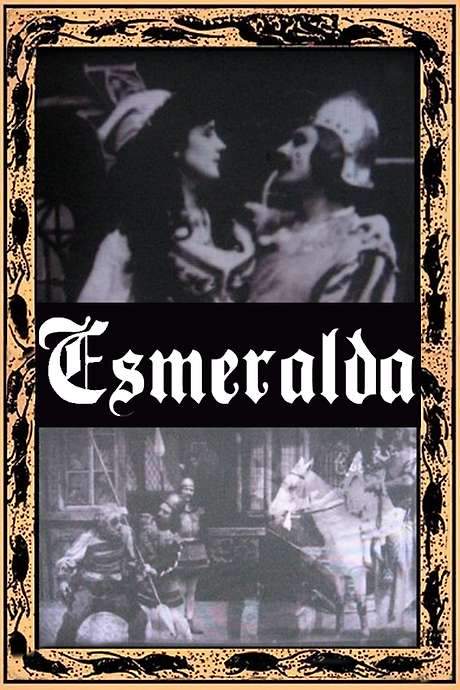


Quick Links: Summary, Cast, Ratings, More

What's After the Movie?
Not sure whether to stay after the credits? Find out!
Check out our other apps:

SAT Sphere
Build confidence for the Digital SAT.

Mori Atlas
Discover wild places worth protecting.

Luntero
Search smarter for a home in Amsterdam.

Plot Explained
Unravel movie endings and hidden clues.

Pokechamp
Dive into Pokémon data and battle logic.

Driving Theory
Get ready for your European theory test.

Movie Dust
Plan your next cinema trip with ease.

Musemap
Find art and culture as you travel.

Selkobase
Compare credentials before committing.

Local Manual
Turn an unfamiliar country into practical next steps.

Lernavi
Compare school systems before your next move.

GymRoam
Find a workout stop wherever your plans take you.
Explore Our Movie Platform
New Movie Releases (2026)
Famous Movie Actors
Top Film Production Studios
Movie Plot Summaries & Endings
Major Movie Awards & Winners
Best Concert Films & Music Documentaries
Movie Collections and Curated Lists
© 2026 What's After the Movie. All rights reserved.
Privacy Policy