
The Hucksters 1947

Directed by
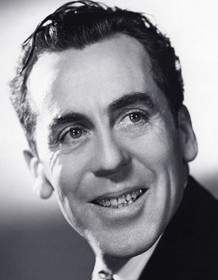
Jack Conway
Made by

Metro-Goldwyn-Mayer
The Hucksters Plot Summary
Read the complete plot summary and ending explained for The Hucksters (1947). From turning points to emotional moments, uncover what really happened and why it matters.
Victor Norman, Clark Gable, is a World War II veteran who returns home with a determination to reenter the radio advertising field, yet he doesn’t want to appear desperate. To project casual disinterest, he splurges a few dollars and ends up with only fifty to his name, then spends part of his journey to a crucial interview at the Kimberly Advertising Agency on a hand-painted necktie to seem earnest. A chaotic phone call from Evan Llewellyn Evans, the feared head of the agency’s biggest client, Beautee Soap, disrupts his plans, and Victor seizes the moment by proposing a clandestine strategy: recruit Kay Dorrance, Deborah Kerr, a poised widow of aristocratic British birth and the widow of a U.S. general, to spearhead a Beautee Soap campaign aimed at Manhattan’s social elite.
Victor lands a needless-but-clever appointment by pretending to represent the Charity League, and in the meeting he quickly wins Kay over with his mix of confidence and charm. The real work begins at the photo shoot, where the art director’s bold concept—an intimate depiction in a negligee—is vetoed by Victor. He pushes for a more dignified image: Kay portrayed in an evening gown, surrounded by her children, a tableau that feels real and respectful to her life. The next day, Evans and Mr. Kimberly confront the changes, yet Victor’s overnight radio commercial plays perfectly for them, and Evans announces that Victor has earned the job. The alliance is charged with electricity as Victor finds himself drawn to Kay, and a double date with the Kimballs deepens the personal stakes.
At a nightclub, a chance encounter with Jean Ogilvie, Ava Gardner—a torch singer and a former flame—stirs old passions and tests Victor’s commitment to Kay. To smooth things over, he invites Kay on a romantic Connecticut getaway, hoping the change of scenery will heal any lingering doubt. But the trip backfires when they discover the property has changed hands, and they’re assigned adjoining rooms with a connecting door. A sense of disillusionment settles over Kay, who leaves in frustration, her faith in Victor shaken.
Back in the mix of deals and deadlines, Evans pushes for a new radio variety show featuring Buddy Hare, Keenan Wynn, a volatile comedian with a string of tired jokes. Victor agrees to secure Hare by maneuvering Lash, Dave Lash, Edward Arnold, who will be leaving on an evening train, into the arrangement. Before the departure, a visit to Kay’s home makes the personal stakes clear once more; a train ride with Jean renews a complicated tug-of-war between past and present, and Victor enlists Jean’s help to seal the deal with Hare at a lower price. Lash, sensing the ruse, chooses to honor the bargain, even as he suspects manipulation.
The project moves to Hollywood, where Victor and his team assemble the show, but Hare is kept off the air due to his abrasive humor. A dinner with Jean rekindles the chemistry, yet Victor’s heart remains tethered to Kay. Returning to Kay after the trip, he recognizes that his affection for her runs deeper than ambition, and the two share a quiet reconciliation. Victor visualizes himself as a provider who can blend practicality with taste for Kay and her children, and this new self-image becomes a compass for his choices.
Yet the path to success proves morally fraught when a legal snag threatens the Hare contract. Victor, driven by the pressure of numbers and deadlines, uses innuendo and implied pressure against Lash to secure the deal, a decision he immediately regrets. He returns to New York to pitch the updated show to Evans, only to find that the old tactic—groveling for a break—no longer suits him. He confronts Evans, condemning the way the system operates, and chooses to walk away from the pressure to conform.
Outside, Kay waits in her car, and Victor delivers a candid verdict about their future: they will postpone marriage until he can establish financial stability. She retorts that money is not everything, as long as he can sell with dignity and taste, and in a symbolic final gesture, he tosses his last scraps of change into the street. The moment signals a fresh start—an honest partnership built on mutual respect rather than merely chasing success, and a quiet affirmation that their journey forward will be defined by integrity and shared dreams, not just the next big campaign.
The Hucksters Timeline
Follow the complete movie timeline of The Hucksters (1947) with every major event in chronological order. Great for understanding complex plots and story progression.
Return to civilian life and a careful reentry into advertising
World War II veteran Victor Norman returns home determined to reenter the radio advertising field without sounding desperate. He splurges a few dollars and ends up with only fifty to his name, a stark reminder of the odds he faces. To appear earnest when the crucial interview comes, he buys a hand-painted necktie on the way to Kimberly Advertising Agency.
A clandestine plan takes shape: recruit Kay Dorrance
A chaotic phone call from Evan Llewellyn Evans disrupts Victor's plan and pushes him toward a bold new strategy. He proposes recruiting Kay Dorrance, a poised widow, to spearhead the Beautee Soap campaign for Manhattan's social elite. The idea hinges on presenting Kay as credible and appealing, not as a desperate pitchwoman.
A Charity League ruse lands the meeting with Kay
Victor lands a needless-but-clever appointment by pretending to represent the Charity League. In the meeting he projects confidence and charm, and Kay is impressed by his poise. The real work begins as they discuss Kay heading the Beautee Soap campaign.
Photo shoot confrontation: dignified image over risqué concept
At the photo shoot, the art director's bold concept—a negligee image—is vetoed by Victor. He pushes for a more dignified tableau: Kay in an evening gown, surrounded by her children, a scene that feels real and respectful. The clash reveals Victor's instinct to honor Kay's life and status.
Overnight success seals the job
The changes are confronted by Evans and Mr. Kimberly, yet Victor's overnight radio commercial plays perfectly, proving the concept works. Evans announces that Victor has earned the job, strengthening the new alliance. Kay's involvement deepens as Victor's professional success becomes personal.
Growing alliance and personal stakes
Victor and Kay's alliance deepens as professional respect and budding romance intertwine. A double date with the Kimballs heightens the stakes and hints at a shared future. The line between ambition and affection begins to blur.
A torch singer from the past reappears
At a nightclub, Victor's chance encounter with Jean Ogilvie—Ava Gardner's character—stirs old passions and tests his commitment to Kay. The pull of the past adds emotional tension to their evolving relationship. Victor's longing creates a test Kay keenly feels.
Connecticut getaway turns sour
To smooth things over, Victor invites Kay on a romantic Connecticut getaway. They discover the property has changed hands and they are assigned adjoining rooms with a connecting door, sparking Kay's disappointment. A disillusioned mood settles in as faith in Victor wavers.
Hare contract on the horizon: Lash and the negotiation
Evans pushes for a new radio variety show featuring Buddy Hare, and Victor agrees to secure Hare by maneuvering Lash into the arrangement. Lash, about to leave on an evening train, suspects manipulation but goes along. The stakes are high as deadlines loom.
A train ride and a lower-price deal with Hare
On a train, Victor enlists Jean's help to seal the deal with Hare at a lower price. The trip with Jean rekindles old tensions while keeping his eye on the campaign. Lash's reaction remains guarded as the arrangement takes shape.
Hollywood show comes together but with a catch
The project moves to Hollywood, where the show is assembled but Hare is kept off the air due to his abrasive humor. The omission underscores the moral compromises Victor wrestles with. The production progresses amid unease.
Dinner with Jean, but love remains with Kay
A dinner with Jean rekindles chemistry, yet Victor's heart remains with Kay. He envisions himself as a provider who blends practicality with taste, and this self-image begins to guide his choices. The bond with Kay remains the emotional center of his decisions.
Contract snag prompts a moral crossroad
A legal snag threatens the Hare contract, and Victor, pressed by numbers, leans on innuendo against Lash before regretting the tactic. He returns to New York to pitch the updated show to Evans and confronts the system that rewards coercion. The confrontation marks a turning point in his ethics.
A vow to integrity and a fresh start
Victor rejects the urge to grovel for a break and refuses to conform for the sake of success. He tells Kay that they will postpone marriage until he can achieve financial stability. Kay counters that money isn't everything if he can sell with dignity and taste, and Victor tosses his last scraps of change into the street, signaling a new, honest beginning.
The Hucksters Characters
Explore all characters from The Hucksters (1947). Get detailed profiles with their roles, arcs, and key relationships explained.
Victor Norman (Clark Gable)
A World War II veteran and rising radio advertising executive who will do whatever it takes to land a big campaign. He’s charming and calculating, using appearances and deception to outmaneuver rivals. The story tracks his moral compromise and eventual longing for a more dignified, stable life with Kay.
Kay Dorrance (Deborah Kerr)
A widow from a noble British background, wife of a WWII general. She becomes Victor’s reluctant partner in the Beautee Soap campaign and represents grace, loyalty, and the pressure of public image. Her relationship with Victor tests trust and leads to a cautious hope for a future based on respect rather than profit.
Evan Llewellyn Evans (Sydney Greenstreet)
Head of Beautee Soap’s major client and a powerful figure who demands results. He’s shrewd, calculating, and quick to push back when the campaign door is closed. His authority drives the negotiation and fuels Victor’s race for a breakthrough.
Mr. Kimberly (Adolphe Menjou)
Head of the Kimberly Advertising Agency; a veteran of the industry who motivates Victor’s rise. He’s ambitious, pragmatic, and often acts as the conduit between agency goals and client demands. His relationship with Victor reveals the cutthroat nature of the business.
Jean Ogilvie (Ava Gardner)
A torch singer and former flame who re-enters Victor’s life, creating tension with Kay. She exemplifies the temptations of showbusiness and complicates Victor’s personal and professional decisions.
Buddy Hare (Keenan Wynn)
A C-list comedian whose high-spirited act becomes the target of Victor’s negotiation. His presence highlights the tension between radio entertainment and commercial strategy. He embodies the challenges of turning humor into a marketable asset.
Dave Lash (Edward Arnold)
A veteran agent who helps secure the deal with Buddy Hare. His realism and willingness to compromise under pressure reveal the mechanics of deal-making in the industry. He ultimately recognizes the manipulation but honors the contract.
The Hucksters Settings
Learn where and when The Hucksters (1947) takes place. Explore the film’s settings, era, and how they shape the narrative.
Time period
1940s
Set in the post-World War II era, the narrative follows veterans returning to civilian life and chasing big campaigns in a rapidly evolving media landscape. The period is defined by the rise of radio advertising, glamorous social circles, and the moral ambiguities of showbiz power. This era shapes the characters’ ambitions and the ethical compromises they navigate.
Location
Manhattan, Connecticut, Hollywood
The story moves through Manhattan’s high-stakes advertising scene, a Connecticut retreat that tests the couple’s chemistry, and Hollywood’s production milieu where the radio show is crafted. Manhattan anchors Victor’s power plays and social maneuvering among New York’s elite. The Connecticut getaway serves as a fragile spark for Victor and Kay, while Hollywood exposes the machinery behind mass-media campaigns.
The Hucksters Themes
Discover the main themes in The Hucksters (1947). Analyze the deeper meanings, emotional layers, and social commentary behind the film.
💼
Ambition vs Ethics
Victor’s climb in the advertising world hinges on bold moves and strategic deception. He reroutes Kay’s image, rewrites campaigns, and leverages social leverage to secure the Beautee Soap account. The tension centers on whether success can be achieved without compromising personal integrity.
💔
Romance and Manipulation
Victor’s relationships with Kay and Jean become tools in his professional playbook. Love is entangled with leverage, testing trust and exposing how affection can be shaped by ambition. The romance-driven dynamics reveal the cost of mixing affection with power.
🏙️
Power and Image
The film exposes how media campaigns craft public perception and social status. Evans, Kimberly, and Victor exploit glamour and controversy to win clients, often blurring ethical lines. The ending reframes success as something earned with dignity rather than bought through manipulation.

Coming soon on iOS and Android
The Plot Explained Mobile App
From blockbusters to hidden gems — dive into movie stories anytime, anywhere. Save your favorites, discover plots faster, and never miss a twist again.
Sign up to be the first to know when we launch. Your email stays private — always.
Explore the mobile appThe Hucksters Spoiler-Free Summary
Discover the spoiler-free summary of The Hucksters (1947). Get a concise overview without any spoilers.
In the bustling post‑war landscape of New York, a city still echoing with the clatter of typewriters and the hum of radio transmitters, a veteran seeks to rebuild a life that was put on hold by conflict. Victor Norman returns from the front lines with a blend of confidence earned on the battlefield and a yearning to prove himself in the high‑stakes world of advertising. The industry, glittering with promises of glamour and power, also bears the subtle pressures of compromise, setting the stage for a compelling clash between ambition and personal integrity.
The film paints an atmosphere thick with cigarette smoke, polished marble, and the relentless pitch of brass bands that accompany late‑night brainstorming sessions. Within this swirl of creativity and commerce, Kay Dorrance enters as a figure of aristocratic poise, a widow whose grace and social standing make her an ideal muse for a daring campaign. Their interactions hint at a chemistry that is as much about mutual respect as it is about unspoken attraction, offering a glimpse into how personal and professional worlds can intertwine.
Yet the advertising arena is not merely a backdrop for romance; it is a battlefield of its own. Deals are bartered with the same intensity once reserved for wartime negotiations, and the promise of success often flirts with the temptation to sacrifice ethical standards. As Victor navigates this terrain, he encounters other charismatic personalities who embody both the allure and the pitfalls of the industry, reminding him that every choice carries weight.
Against this rich tapestry of post‑war optimism and lingering uncertainty, the story promises a nuanced exploration of what it means to sell ideas—and oneself—while staying true to the values forged in the crucible of war.
Movies with Similar Twists and Themes
Uncover films that echo the narrative beats, emotional arcs, or dramatic twists of the one you're exploring. These recommendations are handpicked based on story depth, thematic resonance, and spoiler-worthy moments — perfect for fans who crave more of the same intrigue.



Featured on this page

What's After the Movie?
Not sure whether to stay after the credits? Find out!
Check out our other apps:

SAT Sphere
Build confidence for the Digital SAT.

Mori Atlas
Discover wild places worth protecting.

Luntero
Search smarter for a home in Amsterdam.

Plot Explained
Unravel movie endings and hidden clues.

Pokechamp
Dive into Pokémon data and battle logic.

Driving Theory
Get ready for your European theory test.

Movie Dust
Plan your next cinema trip with ease.

Musemap
Find art and culture as you travel.

Selkobase
Compare credentials before committing.

Local Manual
Turn an unfamiliar country into practical next steps.

Lernavi
Compare school systems before your next move.

GymRoam
Find a workout stop wherever your plans take you.
Explore Our Movie Platform
New Movie Releases (2026)
Famous Movie Actors
Top Film Production Studios
Movie Plot Summaries & Endings
Major Movie Awards & Winners
Best Concert Films & Music Documentaries
Movie Collections and Curated Lists
© 2026 What's After the Movie. All rights reserved.
Privacy Policy