
The Gamekeeper 1980

Directed by
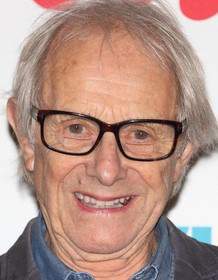
Ken Loach
Made by

ATV Network
The Gamekeeper Plot Summary
Read the complete plot summary and ending explained for The Gamekeeper (1980). From turning points to emotional moments, uncover what really happened and why it matters.
George Purse is a former steelworker who works as a gamekeeper on a large estate on the outskirts of Sheffield. The film even notes Hoyland Nether, just north of Sheffield, as the home of scriptwriter Barry Hines, grounding the story in a real place. George’s job involves catching trespassers and poachers on the land and delivering them to the police, a duty that often puts him in tense confrontations. His role also quietly shapes his family life: his son is bullied at school by classmates who he himself has previously apprehended, a detail that underscores the moral and social pressures swirling around this rural estate.
George remains loyal to the Duke of the estate, even as he struggles with basic repairs to the small cottage where he and his wife, Mary, live. The tension at home deepens as Mary feels increasingly isolated and uneasy about the annual pheasant shoot that George participates in. George himself is depicted as practical and unsentimental about animals; he does not want his son to have a pet cat, and the film does not shy away from showing George restraining, trapping, and sometimes killing animals. There is a stark moment in the credits noted by Ken Loach in the audio commentary: the fox shooting appears to be real, a detail that adds to the film’s raw and documentary feel.
In a pub discussion, two friends argue that poaching is not a grave crime, which opens a wider conversation about land ownership and the king’s influence in securing it. At first, George resists the notion, insisting that he “has a job to do.” Later, in another exchange with a fellow worker, he raises almost the same point to critique the Duke’s inherited wealth, hinting that he is beginning to question the system he serves.
A pivotal scene occurs while George is feeding the pheasants: he catches two former steelworks colleagues poaching on the land. One man escapes, but the other, a Durham man, stays behind because his dog cannot run with him. George threatens to shoot the dog unless the man accompanies him to the police station, a moment that vividly conveys the film’s hard-edged moral landscape.
Before the shoot even begins, trouble brews as the beaters threaten to strike for higher pay. George jokes that the request isn’t high enough, and a beater challenges him by asking which side he’s on, given George’s evasive stance. In the end, the pay rise is conceded, but the atmosphere remains fraught. Once the shoot starts, George’s behavior earns a guest’s complaint to the Duke, who then cautions him not to swear in front of ladies while subtly rewarding his work with a tip.
The other practical snag of daily life on the estate is a long-standing request about a window-frame repair that George had made months earlier; he is met with a rebuff, underscoring a sense of neglect and the strain of living under an imperious landlord. The film closes on a quietly stark note: George is alone, with Mary having left only a pie for him to heat up, leaving the viewer with a poignant image of a man who has navigated a shifting moral landscape and must face the consequences of his choices.
The Gamekeeper Timeline
Follow the complete movie timeline of The Gamekeeper (1980) with every major event in chronological order. Great for understanding complex plots and story progression.
George's role as gamekeeper
George Purse works as a gamekeeper on the Duke's estate on the outskirts of Sheffield. He is charged with apprehending any trespassers or poachers and delivering them to the police. The role strains his family life when his son is bullied at school by one of the people he has caught.
Mary's isolation and the pheasant shoot
Mary feels isolated inside their cottage and questions the annual pheasant shoot. She worries about the emotional distance growing between them and the effect of George's dangerous work on their family life. Her misgivings highlight the social cost of the estate's traditions.
Animal control as part of his duties
The film shows George restraining, trapping and sometimes killing animals as part of his duties. This depicts a pragmatic, unflinching approach to land management. The scenes emphasize the tension between his real-world work and his personal feelings about animals.
Pub debate on poaching and land ownership
In a pub, two friends argue that poaching is not a great crime. They discuss the origins of land ownership and how it is tied to monarchical patronage. George listens and begins to question his own stance.
Doubts about inherited wealth
Later, in a separate conversation with another worker, George echoes concerns about inherited wealth and the Duke's power. He starts to articulate a critical view of the social hierarchy that props up the estate. The exchange marks a turning point as he questions his own loyalty.
Caught two ex-colleagues poaching
While feeding the pheasants, George confronts two former steelworks colleagues who are poaching on the land. One man flees, but the other—a man from Durham—stays behind because his dog can't run. George threatens to shoot the dog unless the man accompanies him to the police station.
Beaters' pay dispute surfaces
Shortly before the shoot, George learns that the beaters intend to strike for higher pay. He jokes that their demand is not high enough, creating awkward tension about which side he is really on. The confrontation ends with the decision to concede the pay increase.
The shoot begins under pressure
With the shoot underway, George swears at the beaters and drives them to work harder. A guest at the event complains to the Duke about his behavior. George's tough management style continues to define his authority on the estate.
Duke's rebuke and subtle reward
The Duke tells George not to swear in front of ladies but subtly rewards his competence with a tip. The exchange reveals a complicated power dynamic: outward discipline paired with quiet patronage. George absorbs the rebuke and the tip, balancing respect for authority with his own harsh routines.
Repair request goes unanswered
George asks again about repairing a stubborn window-frame he had inquired about months earlier, but the request is rebuffed. The moment underscores the neglect he faces from the estate's hierarchy. It also foreshadows the personal cost of his service.
Tension persists through the shoot
The shoot continues under George's wary supervision, reflecting ongoing tensions with the beaters and the landowners. He maintains strict control, insisting on performance and obedience. The atmosphere is tense, hinting at the unsustainable strain in his life.
Ending: Mary leaves; George remains
At the end, Mary has left the cottage, and George is left alone. She leaves only a pie for him to heat up, a small domestic symbol of her withdrawal. The final image emphasizes isolation and the unresolved conflict between duty and personal happiness.
The Gamekeeper Characters
Explore all characters from The Gamekeeper (1980). Get detailed profiles with their roles, arcs, and key relationships explained.
George Purse (Phil Askham)
A former steelworker turned gamekeeper who remains fiercely loyal to the Duke. He is pragmatic and unromantic about animals, freely restraining and sometimes killing them to manage the estate. His personal life is strained by repairs to a neglected cottage, and his harsh treatment of animals contrasts with his concern for his son’s wellbeing, who is bullied at school by those he has apprehended.
Mary (Rita May)
George’s wife, who feels isolated in the cottage and harbors doubts about the annual pheasant shoot. Her perspective highlights the domestic cost of estate life and the emotional strain of living under the Duke’s authority. By the end, her disillusionment deepens, leaving George alone.
The Duke (Willoughby Gray)
The aristocratic owner of the estate who embodies established privilege. He interacts with his staff and guests with a measure of detachment, yet acknowledges the practicalities of managing the estate as seen in the pre-shoot discussions and the subtle tipping of George. He represents the distant power structure governing the lives of those on the grounds.
John (Andrew Grubb)
George Purse’s son, who suffers bullying at school by children who were previously apprehended by his father. His experience underscores the personal costs of George’s line of work and the broader impact of the rural labor system on families.
The Gamekeeper Settings
Learn where and when The Gamekeeper (1980) takes place. Explore the film’s settings, era, and how they shape the narrative.
Location
Outskirts of Sheffield, Hoyland Nether, estate grounds, the cottage
The story unfolds on a large estate on the outskirts of Sheffield, centering on the gamekeeper’s cottage and surrounding grounds. A scene explicitly mentions Hoyland Nether, anchoring the locale in the industrial Midlands countryside. The estate atmosphere blends rural working life with the social hierarchy of landowners and their keepers, framing frequent hunting and land-use activities.
The Gamekeeper Themes
Discover the main themes in The Gamekeeper (1980). Analyze the deeper meanings, emotional layers, and social commentary behind the film.
🎩
Class
The film uses the dynamic between the Duke and George Purse to explore entrenched social hierarchies. Wealth and privilege shape decisions, from how the beaters are paid to how power is exercised on the land. Tensions around land ownership and inherited wealth reveal cracks in loyalty and order. The setting of a stately estate serves as a microcosm of class friction in post-industrial Britain.
🛠️
Duty
George’s sense of duty as a gamekeeper comes into conflict with the realities of his working-class position and the estate’s demands. He performs his job with a mix of pragmatism and coercion, including trapping and shooting animals, which raises questions about necessity versus cruelty. His loyalty to the Duke is tested by disputes over wages, repairs, and the treatment of workers. The film frames duty as a contested moral stance within a rigid social order.
🦊
Animal Ethics
George restrains, traps, and sometimes kills animals as part of his role, prompting questions about necessity, mercy, and power over living beings. The depiction of hunting and animal harm is presented with stark realism, and the audio commentary notes that the fox shooting was real, reinforcing the harshness of rural practices. The animals become a proxy for the broader violence tied to class and ownership. This theme interrogates whether protection of property justifies cruelty toward other creatures.

Coming soon on iOS and Android
The Plot Explained Mobile App
From blockbusters to hidden gems — dive into movie stories anytime, anywhere. Save your favorites, discover plots faster, and never miss a twist again.
Sign up to be the first to know when we launch. Your email stays private — always.
Explore the mobile appThe Gamekeeper Spoiler-Free Summary
Discover the spoiler-free summary of The Gamekeeper (1980). Get a concise overview without any spoilers.
In the bleak outskirts of Sheffield, a vast estate stretches across fields that have long been the stage for class‑bound rituals and quiet power. George Purse, a former steelworker, now occupies the solitary post of gamekeeper, a role he approaches with a solemn devotion that borders on the ceremonial. The land itself feels austere, its hedgerows and pheasant runs echoing an older England that persists beneath the industrial soot of the nearby towns.
The estate is owned by an aristocratic Duke whose presence is felt more through deference than through any personal interaction. Beneath the polished veneer of annual shoots and well‑kept grounds lies a simmering tension with the surrounding community, where poaching and trespass are spoken of in hushed, uneasy tones. The film captures this friction with a stark, almost documentary realism, allowing the viewer to sense the weight of tradition and the quiet desperation of those who live in its shadow.
At home, George shares a modest cottage with his wife, Mary, whose growing sense of isolation mirrors the cracks in his own resolve. Their son, caught in the cross‑currents of his father’s duty, faces a world where the lines between right and wrong are blurred by the very job his father performs. George’s practical, unsentimental attitude toward the animals and the land he guards hints at an inner conflict, a questioning of the very system that gives his life purpose while demanding loyalty to an inherited hierarchy.
The tone of the story is gritty and unflinching, inviting the audience into a lived‑in world where duty, morality, and personal survival intersect. Through restrained performances and a muted palette, the film offers a portrait of a man standing at the edge of change, his every choice echoing the broader struggles of a rural community caught between past and present.
Movies with Similar Twists and Themes
Uncover films that echo the narrative beats, emotional arcs, or dramatic twists of the one you're exploring. These recommendations are handpicked based on story depth, thematic resonance, and spoiler-worthy moments — perfect for fans who crave more of the same intrigue.

Featured on this page

What's After the Movie?
Not sure whether to stay after the credits? Find out!
Check out our other apps:

SAT Sphere
Build confidence for the Digital SAT.

Mori Atlas
Discover wild places worth protecting.

Luntero
Search smarter for a home in Amsterdam.

Plot Explained
Unravel movie endings and hidden clues.

Pokechamp
Dive into Pokémon data and battle logic.

Driving Theory
Get ready for your European theory test.

Movie Dust
Plan your next cinema trip with ease.

Musemap
Find art and culture as you travel.

Selkobase
Compare credentials before committing.

Local Manual
Turn an unfamiliar country into practical next steps.

Lernavi
Compare school systems before your next move.

GymRoam
Find a workout stop wherever your plans take you.
Explore Our Movie Platform
New Movie Releases (2026)
Famous Movie Actors
Top Film Production Studios
Movie Plot Summaries & Endings
Major Movie Awards & Winners
Best Concert Films & Music Documentaries
Movie Collections and Curated Lists
© 2026 What's After the Movie. All rights reserved.
Privacy Policy