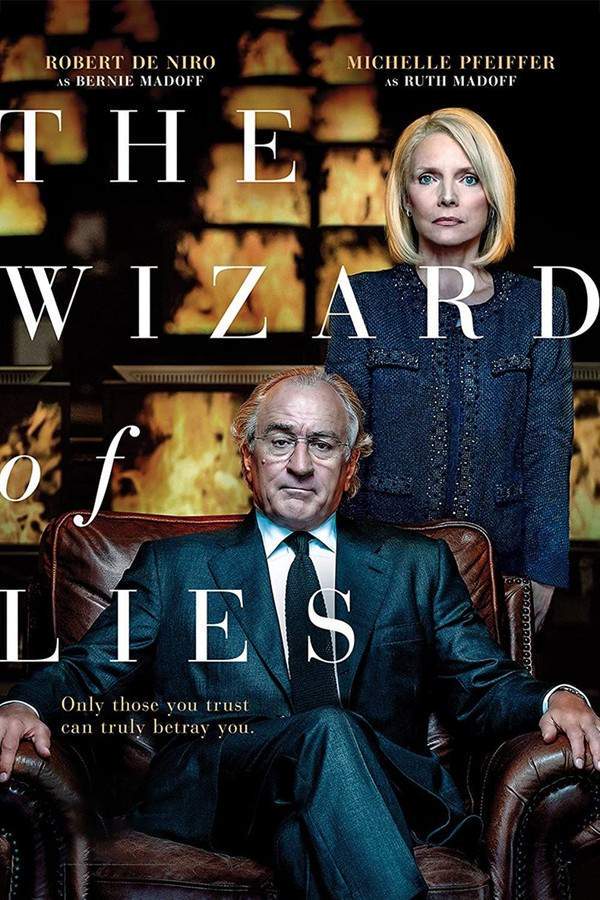
What Is The Wizard of Lies About?
The premise of The Wizard of Lies in 244 words, with nothing given away. The full story follows below.
In the glittering corridors of Wall Street, a charismatic financier builds a reputation that spans decades, weaving together high‑stakes investment advice, philanthropy, and an aura of unshakable trust. The world he inhabits is one where glittering successes mask deeper currents, and every handshake could hide a secret that threatens to upend an entire network of investors, colleagues, and loved ones.
At the heart of the story is Bernie Madoff, a figure whose charm and authority command both admiration and unease. Surrounded by a close‑knit family—his steadfast wife Ruth and their two sons, Mark and Andrew—the narrative explores the delicate balance between public acclaim and private doubt. As the demands of his empire grow, subtle tensions begin to surface, hinting that the foundations of his success may be far more fragile than they appear.
Adding another layer of complexity, Martin London, a lawyer and family confidant, offers counsel that underscores the moral ambiguities faced by those close to power. His presence amplifies the sense that loyalty, ambition, and conscience are constantly at odds, especially when the stakes involve not just fortunes but the very integrity of relationships.
The film’s tone is unsettlingly intimate, blending the sleek veneer of high finance with a quietly mounting dread. Through measured pacing and a focus on character dynamics, it invites viewers to peer behind the polished façade and wonder what lies beneath—a world where personal bonds are tested, and the line between success and deceit becomes ever more blurred.
What Happens in The Wizard of Lies?
The complete story of The Wizard of Lies, from the first scene to the last, in 847 words (about 4 minutes). Spoilers throughout. Names in the text link to 9 cast member pages.
Spoilers ahead
Bernard Madoff, Robert De Niro, founded his company on Wall Street in the early 1960s, growing it into one of the largest investment funds of its time. He cultivated a public image as a successful and influential financier, a broker, financial consultant, and generous philanthropist. He surrounded himself with family and loyalty: his wife Ruth Michelle Pfeiffer Madoff, and his two sons, Mark Alessandro Nivola Madoff and Andrew Nathan Darrow Madoff, who worked alongside him and shared in the seemingly pristine façade of their father’s empire. The family name carried prestige, even as whispers about the enterprise’s true finances circulated beneath the surface.
As the years passed, the veneer of stability persisted, even as questions about assets and accounts began to gnaw at the edges of trust. By the time the 2000s rolled in, signs of strain appeared, though the public narrative continued to praise Madoff’s extraordinary returns and unwavering confidence. The film traces how a single, colossal fraud could coexist with a courtroom-ready aura of legitimacy, and it paints a portrait of a man who managed to maintain control over a vast operation while simultaneously eroding the lives of those around him.
The unraveling accelerates with a cascade of legal and financial reckonings. Lawyer Martin London, Steve Coulter Mark Madoff’s father-in-law, becomes a visible voice in urging Mark and Andrew to confront the truth and to turn their father in to the authorities. The tension mounts as Bernie Madoff finally confesses to FBI agents that the Ponzi scheme had been operating for decades, dating back to the 1970s. The admission reframes the family’s complicity and the scale of the deception, turning a private catastrophe into a national scandal.
Public scrutiny intensifies when independent investigators, including those who had long warned about the impossibility of consistently steady gains, testify to the House about suspicions surrounding the firm’s claimed profits. In 2009, Harry Markopolos testifies that he believed the operation was fraudulent, arguing that the apparent gains never fluctuated in a way that would be expected in a legitimate market environment. These testimonies contribute to a broader chorus of doubt that finally closes in on the Madoff operation.
Within the internal mechanics of the case, a critical moment concerns a 2005 request from investigators for the Depository Trust Company (DTC) account numbers. Madoff’s reluctance gives way to a cautious compliance, with the explanation that the SEC could verify assets with a simple call to DTC. What unfolds is a stark reminder that no such verification occurred: no phone call from the SEC to DTC was made, allowing the fraud to remain hidden for longer than it should have.
As the 2008 financial crisis erupts, the scale of the damage becomes impossible to contain. With clients clamoring to withdraw their money, Madoff realizes he cannot honor the requests without collapsing the entire house of cards. The personal toll is devastating: he confesses the truth to his wife and sons, leaving them with a stark choice and a sense of betrayal that will echo for years. In the aftermath, clawback lawsuits are filed against the family, and tragedy compounds tragedy. Mark Madoff commits suicide, and Andrew dies of cancer. Before his death, Andrew uttered the cutting line, “My father is dead to me,” a stark indictment of the life he believed his father had led and the consequences of the fraud that devastated so many lives. Ruth, grappling with the collapse of the life she had built, tells Bernie that she will no longer visit him or take his calls from prison, while still wrestling with her own role in the narrative she never expected to inhabit. She seeks a relationship with their son and blames Bernie for Mark’s death, a reminder of the human fallout that outlived the courtroom drama.
In prison, Madoff’s posture hardens. He refuses to shoulder full responsibility for the devastation he caused, even as he confronts the irreparable harm his actions inflicted on countless victims. His remark to a journalist encapsulates the defiance that punctuated his public persona: > Do you think I’m a sociopath? The film leaves viewers grappling with the question of moral accountability, the consequences of unchecked ambition, and the fraught dynamics of a family drawn into a crisis of unprecedented scope.
Throughout, the narrative maintains a measured, documentary-like tone that emphasizes factual sequence while offering a humanized look at the people behind the headlines. The story is not only about numbers and lawsuits, but about the fragile ties of family, the pressure to preserve a flawless image, and the devastating ripple effects when a single decision unravels the very foundation of trust. The characters are brought to life through a carefully balanced ensemble, including Sophie von Haselberg as Nicole De Bello, Kathrine Narducci as Eleanor Squillari, Kristen Connolly as Stephanie Madoff, and David Little as Irving Picard, among others, each adding texture to a story that is as much about the people touched by the crime as it is about the crime itself. The result is a long, introspective look at a famously elusive figure and the far-reaching consequences of his choices.
The Wizard of Lies Timeline: Every Key Event in Order
14 key events in the order they happen, from “Founding on Wall Street” to “Final prison interview and sociopath question”. 14 events name a place, across 8 locations.
- 1
Founding on Wall Street
Bernard Madoff founded his company on Wall Street in the early 1960s, growing it into one of the largest investment funds. He earned a reputation as a successful and influential financier, broker, and philanthropist. His operation would shape his family's life for decades.
When:early 1960s Where:Wall Street, New York
- 2
Family involvement
Over time he employed his sons, Mark and Andrew, and relied on his wife Ruth as part of the operation. The family-run business presented an image of stability and trust to clients. This close access would later worsen the fallout when fraud was exposed.
When:1960s-2000s Where:New York
- 3
Ponzi scheme begins
In the 1970s, Madoff admits he had been operating a Ponzi scheme for years. He used new investors' funds to pay returns to earlier clients, masking true profits. The scheme seemed legitimate for decades, helping the firm grow into a financial powerhouse.
When:1970s Where:New York
- 4
2005 DTC/SEC asset verification
In 2005, investigators asked for Madoff's Depository Trust Company (DTC) account numbers to verify assets. Madoff claimed he did not want to share them but complied in an unsuspecting way, saying the SEC could call DTC to verify assets. No such verification phone call was made, allowing the fraud to remain hidden.
When:2005 Where:New York / SEC offices
- 5
2008 withdrawals and looming exposure
As the 2008 Great Recession began, clients rushed to withdraw their money from the fund. Madoff realized he did not have the funds to return, and the impending exposure threatened to destroy his operation. He began telling his wife and sons about the Ponzi scheme, setting the stage for a final reckoning.
When:2008 Where:New York
- 6
Lawyer's advice to turn him in
Lawyer Martin London, Mark Madoff's father-in-law, advised Bernie Madoff's sons to turn their father in to the authorities. This counsel reflected the collapse of the facade and the necessity of legal exposure. The family faced the moral and legal implications of reporting him.
When:2008-2009 Where:New York
- 7
Sons report him to authorities
Bernie Madoff's sons were left with no choice but to turn him in to the authorities. The revelation led to rapid investigations and the unraveling of the long-running fraud. The case would become one of the most infamous financial crimes in history.
When:2008-2009 Where:New York
- 8
Ambien suicide attempt
Following the exposure, Madoff and his wife attempted suicide by taking Ambien, but did not die. The desperate act underscored the personal toll of the scandal on the family. Authorities would proceed with arrests and charges soon after.
When:2008-2009 Where:Home
- 9
Arrest, plea, and sentencing
Madoff was arrested and later pleaded guilty to fraud charges. He received a 150-year prison sentence for the magnitude of his crimes. The case became a landmark example of white-collar crime and its devastating impact.
When:2009 Where:Federal court, New York
- 10
FBI confession
While in custody, Madoff admitted to FBI agents that he had been operating the Ponzi scheme since the 1970s. The admission framed the scope of the deception and confirmed long-held suspicions. The confession reinforced the narrative of a deliberate, unrepentant fraudster.
When:2009 Where:FBI
Show the other 4 events of The Wizard of Lies Hide the last 4 events
- 11
Markopolos testimony
In 2009, Harry Markopolos testified before the U.S. House that he believed the firm was a fraudulent Ponzi scheme. He argued that the gains never fluctuated like true market profits. His testimony added pressure on regulators to scrutinize Madoff’s operation.
When:2009 Where:U.S. House of Representatives, Washington D.C.
- 12
Clawback suits
Clawback lawsuits were filed against Madoff's sons as beneficiaries of his fraud. The suits sought to recover funds tied to the scheme and to compensate victims. The legal battles intensified the scandal's toll on the family.
When:2009-2010 Where:New York
- 13
Mark's suicide and Andrew's death
Mark Madoff committed suicide amid the aftermath of the collapse, and his brother Andrew later died of cancer. Ruth distanced herself, vowing not to visit Bernie in prison and blaming him for Mark's death. The double tragedy underscored the personal cost of the fraud on the family.
When:2010-2011 Where:New York
- 14
Final prison interview and sociopath question
In a prison interview, Bernie Madoff refused to take responsibility for ruining his victims' lives. He suggested others had let him take advantage of them, shifting blame. He ended the exchange by asking, 'Do you think I'm a sociopath?'
Where:Prison
Who Are the Main Characters in The Wizard of Lies?
8 characters, among them Bernie Madoff (Robert De Niro), Ruth Madoff (Michelle Pfeiffer) and Mark Madoff (Alessandro Nivola): who each one is and the part they play in the story. Every profile links to the actor’s page.
-
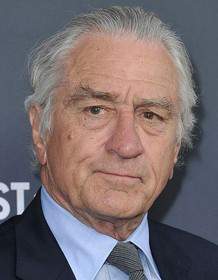
Bernie Madoff (Robert De Niro)
Played by Robert De Niro
Charismatic and inscrutable, Bernie becomes the architect of the largest Ponzi scheme in history, presenting himself as a trusted financial genius. He builds a public persona of legitimacy and philanthropy to mask the fraud. In the end, he shocks investigators with a frank admission of decades-long deception, even asking, 'Do you think I'm a sociopath?'
- 💼 Finance
- 🧠 Calculated
- 🎭 Deception
-
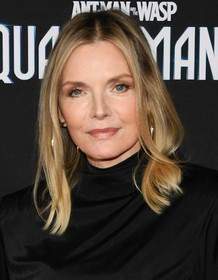
Ruth Madoff (Michelle Pfeiffer)
Played by Michelle Pfeiffer
Bernie’s wife and a longtime beneficiary of the couple’s wealth. She rides the crest of their public image and then faces the collapse of their world as the fraud is exposed. The relationship frays as she confronts the consequences and ultimately distances herself from Bernie.
- 👪 Family
- 💔 Marriage
-
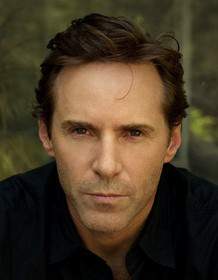
Mark Madoff (Alessandro Nivola)
Played by Alessandro Nivola
One of Bernie’s sons who grows up around the family business and grapples with loyalty to his father and duty to victims. As the scheme unravels, he is faced with a moral choice: expose the truth or protect his family. His struggle ends in tragedy as he is overwhelmed by the fallout.
- ⚖️ Law
- 💹 Finance
- AM
Andrew Madoff (Nathan Darrow)
Played by Nathan Darrow
The younger son who navigates the fallout of the fraud and its impact on his family. He confronts the consequences of his father’s actions and ultimately dies with memories of the family’s complex legacy. His farewell moment underscores the personal toll of the scandal.
- ⚖️ Law
- 💔 Family
-
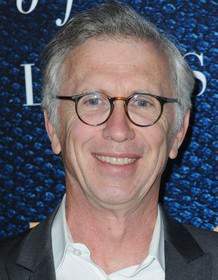
Martin London (Steve Coulter)
Played by Steve Coulter
A lawyer who becomes a critical voice urging accountability. He represents the legal pressure that ultimately pushes Bernie’s family to confront the truth and consider turning him in to authorities. His guidance anchors the legal response to the crisis.
- 📜 Legal
- 🧭 Trust
-
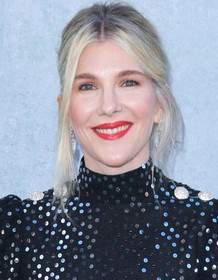
Catherine Hooper (Lily Rabe)
Played by Lily Rabe
Mark Madoff’s wife who is drawn into the social circle around the family while witnessing the unfolding crisis. Her perspective reflects the ripple effect of the fraud on those closest to the Madoffs. She embodies the personal dimension of how deceit disrupts ordinary lives.
- 👪 Family
- 🗨 Social
- ND
Nicole De Bello (Sophie von Haselberg)
Played by Sophie von Haselberg
A member of the social circle surrounding the Madoffs, whose presence highlights the expansive reach of the family’s wealth and influence. Her perspective offers a window into the lavish world the fraud funds. She stands as a witness to the consequences of deception at a community level.
- 🎉 Social
- 🗺 Lifestyle
- IP
Irving Picard (David Little)
Played by David Little
The trustee who leads clawback efforts to recover losses for victims. His pursuit of justice places pressure on the Madoff family and investors alike, shaping the legal battle that dominates the latter part of the story. His role embodies the long arc of accountability that follows a financial collapse.
- ⚖️ Law
- 🧭 Trustee
Where and When Is The Wizard of Lies Set?
The Wizard of Lies is set in Wall Street, New York and Palm Beach (1960s–2009). Here is why the time and place matter to the story.
When
1960s–2009
The film traces Bernie Madoff's ascent on Wall Street from the early 1960s, through decades of growth, to the exposure of the Ponzi scheme in 2008–2009. It touches on events in the mid-2000s, including interactions with regulators, and culminates with the 2009 legal actions and prison sentence, illustrating a long arc from prosperity to catastrophe.
Where
Wall Street, New York, Palm Beach
The story centers on the financial world of Wall Street in New York, where Bernie Madoff builds a legendary investment firm. It also moves into the affluent Palm Beach circles where the scheme's beneficiaries mingle with the victims. The high-stakes environment of finance and the lavish lifestyle it funds are central to the narrative.
- 💼 Finance
- 🗽 New York
- 🏝 Palm Beach
What Are the Themes of The Wizard of Lies?
3 ideas the story keeps returning to, among them Greed, Investigation and Family.
-
01
Greed
Greed drives the creation and maintenance of the Ponzi scheme, as the pursuit of ever-greater wealth cloaks itself in philanthropy and prestige. The film shows how the veneer of success can enable deception on a massive scale. Victims' losses and the erosion of trust reveal the human cost behind inflated numbers.
-
02
Investigation
The narrative builds toward scrutiny from regulators, auditors, and investigators who question the firm’s assets and statements. The tension between appearances and reality escalates as documents and testimonies reveal inconsistencies. The pursuit of truth exposes how fragile trust in financial systems can be.
-
03
Family
The Madoff family is drawn into the consequences of the fraud, illustrating loyalties, fear, and moral conflict. The dual pressures of protecting loved ones and facing the truth create a personal crisis that mirrors the public unraveling. The eventual betrayals and tragedies test family bonds to their breaking point.
What Kind of Film Is The Wizard of Lies?
Dark in tone, with steady pacing and a moderate story, going by the plot summary.
- Tone
- Dark
- Pacing
- Steady
- Story
- Moderate
- Intensity
- High
- Ending
- Sad
A steadily paced, dark, and heavy drama that methodically documents the devastating collapse of a family and their fraudulent empire, creating a tense and morally complex viewing experience.
- somber
- tense
- cautionary
- documentary-like
- introspective
- claustrophobic
- financial fraud
- betrayal
- family collapse
- moral accountability
Content notes: suicide, financial ruin, family trauma.
Quiz
How well do you remember The Wizard of Lies? Test yourself on the story.