
The Way We Weren’t 2019

Made by

DiMuccio Entertainment Syndicate
The Way We Weren’t Plot Summary
Read the complete plot summary and ending explained for The Way We Weren’t (2019). From turning points to emotional moments, uncover what really happened and why it matters.
1937, a crossroads of passion and principle unfolds as two college students from starkly different worlds cross paths: a staunch Marxist Jew named Katie Morosky and a carefree WASP named Hubbell Gardiner. Katie’s fierce commitment to social causes and anti-war ideals stands in sharp contrast to Hubbell’s easygoing charm and talent for writing. As they get to know one another, Katie admires Hubbell’s looks and wit, while Hubbell is drawn to Katie’s unwavering conviction. Their unlikely pairing is met with skepticism from Hubbell’s circle, who tease Katie’s political stances and lifestyle. Their brief moment of closeness culminates in a long, glorious dance at the senior prom, a sign of chemistry that fate will repeatedly test, before they drift apart.
Fast forward to New York City near the end of World War II, where time and circumstance bring them back into each other’s orbit. Katie is juggling multiple jobs, while Hubbell returns from active duty in the South Pacific as a naval officer, carrying with him stories from the front and the weight of his own comfortable, apolitical orbit. The spark rekindles into a deeper bond, and they fall in love. The momentous era that follows carries the weight of public life and private longing, especially after the death of President Franklin D. Roosevelt. Katie’s indignation toward Hubbell’s friends who crack jokes at her expense clashes with Hubbell’s growing sense of frustration at Katie’s blunt candor and his own reluctance to fully engage with the political storms around them. What begins as a tender romance evolves into a complicated dynamic: Hubbell backs away, and they briefly part, only to eventually reunite.
As their relationship grows more complicated, Hubbell receives an opportunity to adapt his novel into a screenplay. Katie worries that Hollywood might squander his talent, but the couple moves to Malibu, drawn by the glimmer of a film industry lifestyle and the security it promises. It is during this relocation that a revelation sinks in: in the bustle of unpacking, they discover they have already married, sealing their commitment in a world that feels bright yet precarious. The glamour of their new life—furnished by studio contracts and coastal living—shadows the creeping dawn of fear and suspicion that would soon define a nation.
The creeping shadow is the Hollywood blacklist and the rise of McCarthyism, which begin to touch even the couple’s carefully constructed world. Katie’s activist instincts flare anew, pushing against a system that threatens personal privacy and free speech. The clash between her principled stances and Hubbell’s desire for a more secluded, career-centered life strains their marriage. Katie’s pregnancy marks a hopeful milestone, yet it is followed by heartbreak: Hubbell’s affair with a former college girlfriend reveals the limits of what he’s willing to give, and the distance between their dreams becomes increasingly hard to bridge. Katie comes to see that Hubbell may never be the partner she imagined possible, and the emotional toll leaves him exhausted, unable to meet her expectations.
The arrival of their daughter, whom Katie names Rachel, becomes a defining moment. The couple ultimately decides to part ways, their marriage dissolving under the pressure of conflicting values and ambitions. Years pass, and destiny nudges them back into each other’s orbit, briefly and poignantly, in front of the Plaza Hotel in New York City. Katie, a persistent advocate for change, is demonstrating to ban the bomb when a taxi interrupts the moment they almost reconnect. The farewell is tender, bittersweet, and honest—a quiet acknowledgment that the love they shared was real, even if their paths diverged.
In the grand arc of their lives, the story traces the pull between idealism and practicality, love and duty, and the personal costs of standing in the public arena. The timeline—from their fraying youth in the 1930s to the later confrontations with censorship and war-era anxieties—paints a portrait of two people who collide, connect, and ultimately learn to navigate the world on terms that feel true to themselves, even as they walk separate roads. The film remains a nuanced meditation on memory, resilience, and the enduring question of what it means to love in a world that continually tests one’s beliefs.
The Way We Weren’t Timeline
Follow the complete movie timeline of The Way We Weren’t (2019) with every major event in chronological order. Great for understanding complex plots and story progression.
College days meet and prom
Katie Morosky and Hubbell Gardiner are two college students with starkly different lives. Katie is a staunch Marxist Jew with anti-war beliefs, while Hubbell is carefree and charming. They feel a spark as she admires his looks and his writing, and they share a brief dance at the senior prom before their paths diverge.
Reunion in New York and falling in love again
Near the end of World War II, Katie and Hubbell meet again in New York City. Katie works multiple jobs while Hubbell returns from the South Pacific as a naval officer. Despite their differences, they fall in love again and pick up where they left off.
FDR dies and a clash of beliefs
After Franklin D. Roosevelt dies, Hubbell's friends disparage Katie's political stance, leaving her livid. She confronts their insensitivity and Hubbell's apparent indifference to it. The quarrel exposes the fault lines in their renewed relationship.
Breakup and reconciliation
Hubbell grows frustrated by Katie's bluntness and strong opinions and ends their relationship. Yet the couple's feelings endure, and they reconcile later, choosing to continue despite their conflicts.
Screenplay offer raises Hollywood concerns
Hubbell receives an offer to adapt his novel into a screenplay. Katie worries that Hollywood could waste his talent and undermine his integrity. The debate foreshadows the friction that will challenge their marriage.
Move to Malibu and marriage revealed
Despite her misgivings, they move to Malibu where Hubbell signs a studio contract offering an affluent lifestyle. As they unpack, they realize they are already legally married, which ties their relationship to a new, domestic frame.
Red Scare looms and McCarthyism
The Hollywood blacklist grows and McCarthyism closes in. Katie's political activism resurfaces, threatening Hubbell's reputation and livelihood in this climate of fear. The couple feels the pressure of public scrutiny squeezing their private lives.
Public confrontation over privacy and free speech
Katie and others publicly confront the government over personal privacy and free speech. Their activism strains the marriage, and Hubbell grows alienated by Katie's relentless political combativeness. The couple finds themselves pulled in opposite directions by the era's political pressures.
Pregnant and Hubbell's affair
Although Katie is pregnant, Hubbell begins an affair with his former college girlfriend. Katie confronts the reality that Hubbell may not be the man she idealized and will choose the easier path. The personal and political fractures deepen in this period.
Birth of Rachel and divorce
Katie gives birth to their daughter, Rachel. The accumulating fractures of their relationship lead to a divorce, leaving them to redefine life separately while still bound by their child.
Years later: Plaza Hotel reunion and Ban the Bomb
Years after the divorce, Katie and Hubbell meet by chance in front of the Plaza Hotel in New York City, where Katie is leading a Ban the Bomb demonstration. A taxi interrupts their reunion, and they part with a tender, bittersweet farewell.
The Way We Weren’t Characters
Explore all characters from The Way We Weren’t (2019). Get detailed profiles with their roles, arcs, and key relationships explained.
Katie Morosky
An impassioned Marxist Jew with unwavering anti-war convictions, Katie embodies fierce political commitment and intellect. She challenges Hubbell's apathy and is relentless in her pursuit of social justice, even when it complicates their relationship. Her intensity fuels the romance and drives the couple toward public activism, personal sacrifice, and ultimately a difficult separation.
Hubbell Gardiner
A carefree WASP with writing talent, Hubbell exudes charm and literary skill but often resists Katie's political fervor. He alternates between affection and indifference, seeking a comfortable path through life that clashes with Katie's activism. His success in Hollywood contrasts with his romantic missteps, including an affair, and contributes to the eventual dissolution of their marriage.
The Way We Weren’t Settings
Learn where and when The Way We Weren’t (2019) takes place. Explore the film’s settings, era, and how they shape the narrative.
Time period
1937–1950s
The story begins in 1937 and follows the couple through the wartime era and into the early Cold War. It traverses the late 1930s, World War II, and the postwar period when Hollywood's glamour sits alongside growing political paranoia. The timeline culminates in late-1950s tension and a bittersweet reunion at the Plaza Hotel.
Location
New York City, Malibu, Hollywood
New York City serves as the narrative crossroads where Katie and Hubbell's worlds collide, especially as their paths cross again near World War II's end. Malibu represents the dream of Hollywood success and the ease that money and status can bring. Hollywood becomes the arena where careers are tested by public scrutiny and political fear.
The Way We Weren’t Themes
Discover the main themes in The Way We Weren’t (2019). Analyze the deeper meanings, emotional layers, and social commentary behind the film.
❤️
Love vs Ideology
A romance unfolds across sharp political divides, showing how Katie's Marxist ideals challenge Hubbell's carefree, apolitical charm. Their bond grows and strains as ideological disagreements spill into daily life, public campaigns, and personal choices. The film uses their relationship to explore how love can endure or falter under the weight of competing beliefs.
🗣️
Privacy & Free Speech
The plot places personal life under political microscope as activism collides with career ambitions and social norms. Katie's push for political engagement clashes with the Hollywood status quo, reflecting the era's push for conformity and the fear of dissent. The couple's experiences during the blacklist era highlight the cost of speaking out.
🎬
Dreams vs Reality
Hubbell's talent and cinematic aspirations contrast with Katie's uncompromising activism, revealing the tension between personal dreams and public obligations. The relationship tests whether ambition can coexist with political conviction or if comfort and success erode principled commitments. The eventual arc—marriage, infidelity, divorce, and a bittersweet reunion—embodies this clash.

Coming soon on iOS and Android
The Plot Explained Mobile App
From blockbusters to hidden gems — dive into movie stories anytime, anywhere. Save your favorites, discover plots faster, and never miss a twist again.
Sign up to be the first to know when we launch. Your email stays private — always.
Explore the mobile appThe Way We Weren’t Spoiler-Free Summary
Discover the spoiler-free summary of The Way We Weren’t (2019). Get a concise overview without any spoilers.
In the buzz of a digitally‑driven world, Charlotte and Brandon find themselves navigating the aftershocks of recent break‑ups, each scrolling through endless profiles in search of something that feels real. Their shared yearning for a fresh start brings them together on a dating platform, where the glow of a screen masks the uncertainty of real‑life connection. The film settles into a witty, slightly self‑aware tone, balancing the charm of new‑found romance with the nervous humor that comes from trying to impress an audience of one.
Both protagonists arrive at the budding relationship already equipped with polished résumés of their lives—tiny embellishments and outright fabrications that sparkle just enough to catch the other’s eye. Charlotte, with her sharp wit and a knack for turning vulnerability into a confident front, meets Brandon, whose easy‑going charisma hides his own insecurities about love and commitment. Their banter crackles with an energy that feels both contemporary and timeless, hinting at the delicate dance between authenticity and the desire to be seen as the “perfect match.”
As the couple moves from casual chats to deeper conversations, the stakes quietly rise: the excitement of wedding planning looms on the horizon, turning ordinary moments into a test of how well their curated personas will hold up under the pressure of a shared future. The setting—a blend of cozy coffee shops, bustling city streets, and the intimate corners of their homes—provides a warm backdrop for their exploration of what it truly means to know someone beyond the highlights reel.
The movie’s tone stays light and observant, inviting the audience to laugh at the absurdities of modern courtship while feeling the undercurrent of genuine curiosity about whether love can survive when it’s built on a foundation of half‑truths. As Charlotte and Brandon inch closer to saying “I do,” the story teases the inevitable moment when the veil lifts, prompting the question: can a connection forged in fantasy find its footing in reality?
Movies with Similar Twists and Themes
Uncover films that echo the narrative beats, emotional arcs, or dramatic twists of the one you're exploring. These recommendations are handpicked based on story depth, thematic resonance, and spoiler-worthy moments — perfect for fans who crave more of the same intrigue.

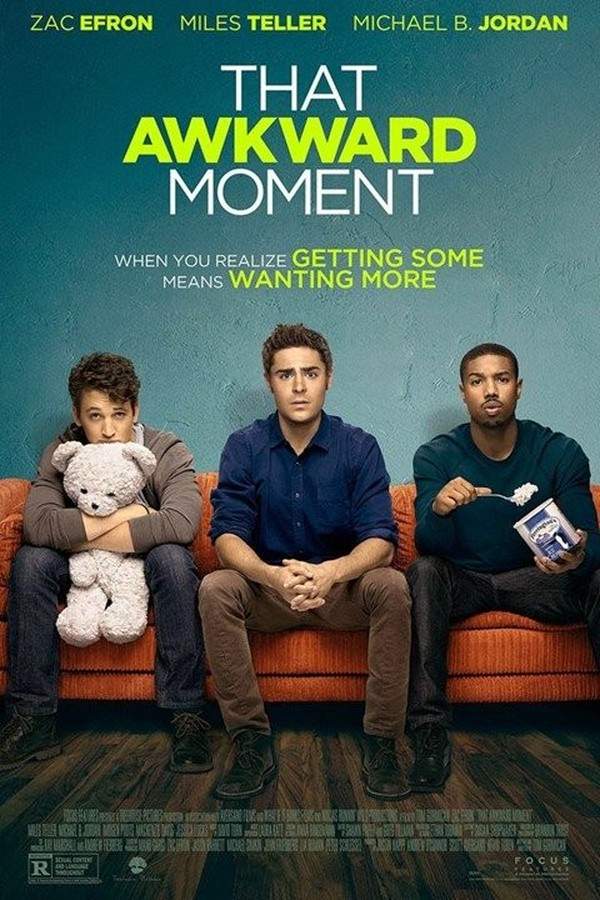
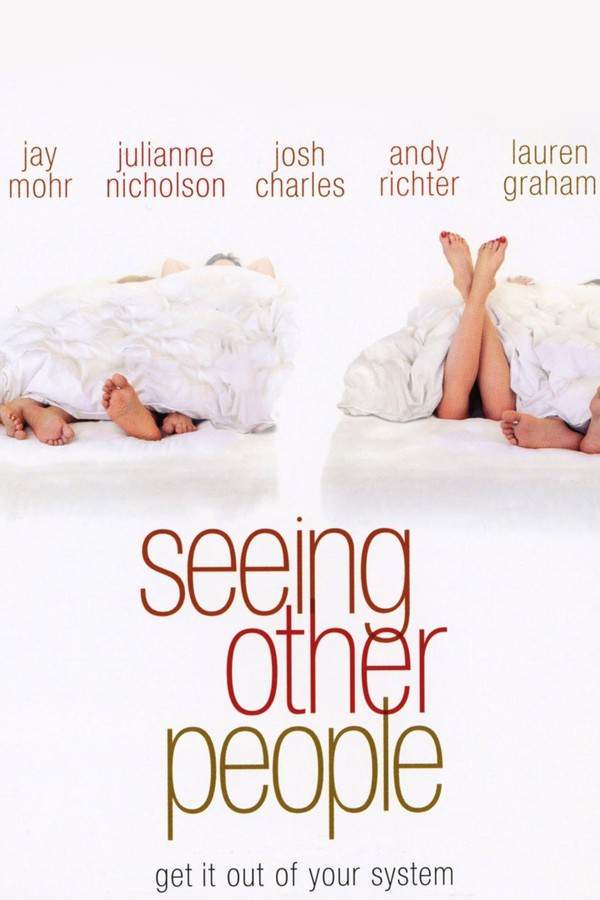


Featured on this page

What's After the Movie?
Not sure whether to stay after the credits? Find out!
Check out our other apps:

SAT Sphere
Build confidence for the Digital SAT.

Mori Atlas
Discover wild places worth protecting.

Luntero
Search smarter for a home in Amsterdam.

Plot Explained
Unravel movie endings and hidden clues.

Pokechamp
Dive into Pokémon data and battle logic.

Driving Theory
Get ready for your European theory test.

Movie Dust
Plan your next cinema trip with ease.

Musemap
Find art and culture as you travel.

Selkobase
Compare credentials before committing.

Local Manual
Turn an unfamiliar country into practical next steps.

Lernavi
Compare school systems before your next move.

GymRoam
Find a workout stop wherever your plans take you.
Explore Our Movie Platform
New Movie Releases (2026)
Famous Movie Actors
Top Film Production Studios
Movie Plot Summaries & Endings
Major Movie Awards & Winners
Best Concert Films & Music Documentaries
Movie Collections and Curated Lists
© 2026 What's After the Movie. All rights reserved.
Privacy Policy