The Way We Weren’t 2019


Charlotte and Brandon connect online after both experience relationship failures. Eager to find a perfect match, they embellish and fabricate details about their pasts. As they prepare for their wedding, they soon discover the truth about each other, leading to a humorous and revealing look at the foundations of their relationship. They must confront the lies they’ve told and decide if their connection can survive.

Does The Way We Weren’t have end credit scenes?
No!
The Way We Weren’t does not have end credit scenes. You can leave when the credits roll.
Meet the Full Cast and Actors of The Way We Weren’t
Explore the complete cast of The Way We Weren’t, including both lead and supporting actors. Learn who plays each character, discover their past roles and achievements, and find out what makes this ensemble cast stand out in the world of film and television.
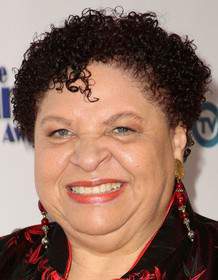
Patricia Belcher
Dr. Dietz

Harriet Dyer
Miss Darling

Ronnie Gene Blevins
Al
Alyssa Diaz
Rita
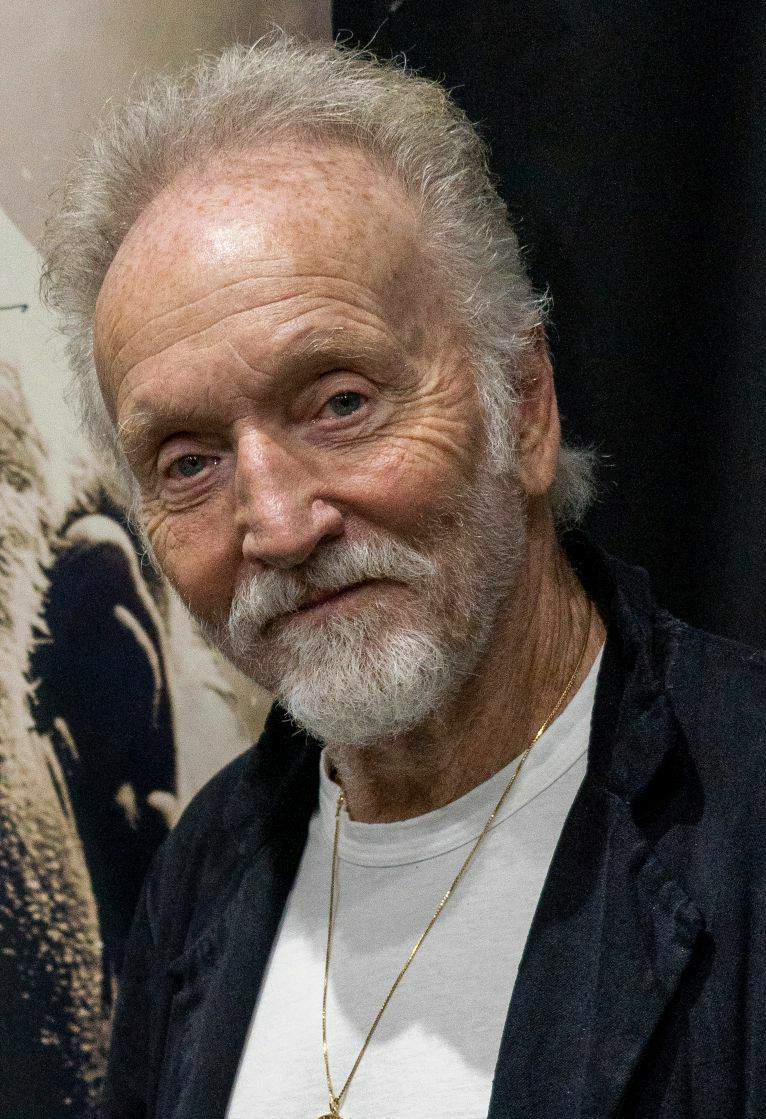
Tobin Bell
Jerry

Jose Rosete
Party Dad
Keith Powell
Dan
Christian Ganiere
First Grade Boy
Rita Rani Ahuja
Dr. Sahni
Ronnie Alvarez
Bar DJ
Jolene Kim
Mrs. Halvorsen
Petra Wright
Narrator (voice)
Fiona Gubelmann
Charlotte
Alexandra Davies
Judy
Irene Roseen
Mother Wooster
Kristi Clainos
Ashley
Alex Weed
Dr. Palmer
Amanda Reed
Linda-Loco
Ben Lawson
Brandon
Aubrey Manning
Mrs. Newton
Amber Stevens West
Carly
Alan Simpson
Steven
John Cirigliano
Billwood Meyer
Cloe Tichelli
Schweitzer Polizei Frau
Rick Hays
German Priest
Thomas Pilla
Glenn Wooster
Veronica Burgess
Anais
Alana M. Hroziencik
Hors d'oeuvre Girl
Alain Rittiner
Swiss Cop
Michael Benchaa
Swiss Pickpocket
Ashley Diane Currie
SVP Nummer Zwei
Brent Witt
Super Lover
Karen Levine
Nurse
Melania Castillo
Bartender
Bryan Snyder
Big Drunkard
Mark Melanson
Little Drunkard
James Gregory Capps
Board Member
Cooper Gorman
Charlotte's Tutoree
Carolyn Dietz
Olive
Patrick O'Melveny
Party Cellist
Theresa Gomez
Party Server #1
Savannah Perez
Party Server #2
Ann Greenhaw
Shrimped Party Woman
James Greenhaw
Shrimped Party Man
Madelyn Leff
Party Teen
Joyce Alexander
Garden Party Guest
Patti Haverty
Party Mom
Roxanne Kohlmyer
Biker Girl
Cheryl Alexander
Teacher at Garden Party
Francine Gomez
Garden Party Guest #2
Janelle Clough
Woman in Blue Dress
Joe Hays
Student
Marilyn Sheriff
Sister Mary-Angelica
Suzanne Perez
Shocked Guest
Brian DiMuccio
Intergalactic Unicorn Commander (voice)
Genevieve Kohlmyer
Swiss Girl
Maria Miller
Narrator (voice)
Caroline Wilson
Sofia
External Links and Streaming Options
Discover where to watch The Way We Weren’t online, including streaming platforms, rental options, and official sources. Compare reviews, ratings, and in-depth movie information across sites like IMDb, TMDb, Wikipedia or Rotten Tomatoes.







Ratings and Reviews for The Way We Weren’t
See how The Way We Weren’t is rated across major platforms like IMDb, Metacritic, and TMDb. Compare audience scores and critic reviews to understand where The Way We Weren’t stands among top-rated movies in its genre.

The Movie Echo Score
The film generates a polarized response, with many reviewers highlighting its low-budget production shortcomings while a minority praise its humor and occasional charm. Direction and technical execution are frequently described as subpar, yet the central performance by Fiona Gubelmann and some supporting characters receive moderate approval. Narrative ideas receive mixed appraisal, resulting in an overall middling impression that leans toward the negative side of the spectrum.
The Movie Echo Score Breakdown for The Way We Weren’t

Art & Craft
In terms of art and craft, the film is consistently critiqued for its amateurish cinematography, erratic lighting, and rudimentary editing. Reviewers note that the visual quality often resembles footage from a low-end device, detracting from immersion. While a few comments mention that the low budget did not always feel cheap, the prevailing view is that technical execution undermines the overall experience.

Character & Emotion
When evaluating character and emotion, acting quality is a major point of contention. Several reviewers label the performances as poor and casting as mismatched, whereas others commend Fiona Gubelmann's presence and the likability of the ensemble. The inconsistency in acting efficacy leads to a generally lukewarm assessment of the film's emotional resonance and character depth.

Story & Flow
The story and flow receive mixed feedback, with criticism aimed at a weak script, uneven pacing, and derivative plot elements. Conversely, some viewers find the premise entertaining, describing the narrative as a humorous rollercoaster that maintains reasonable momentum. The balance of these opinions yields an average rating that reflects a modestly engaging but imperfect storyline.

Sensory Experience
Sensory experience is predominantly described as lacking, with repeated remarks about poor sound design, low-quality effects, and unrefined visual style. The soundtrack and auditory elements fail to elevate the film, and technical flaws in lighting and camera work further diminish cohesion. Consequently, the sensory dimension is judged to be notably deficient.

Rewatch Factor
Rewatch factor shows a divided response; some audience members express intent to view the film again, citing enjoyable humor and a pleasant overall feeling. Others advise against recommendation, pointing to the numerous shortcomings that reduce repeat appeal. This split leads to a moderate score that acknowledges both the film's occasional replay value and its limitations.
Take the Ultimate The Way We Weren’t Movie Quiz
Challenge your knowledge of The Way We Weren’t with this fun and interactive movie quiz. Test yourself on key plot points, iconic characters, hidden details, and memorable moments to see how well you really know the film.
The Way We Weren’t Quiz: Test your knowledge of the 2019 film "The Way We Weren’t" with these ten questions ranging from easy to challenging.
In which year does the story begin, introducing Katie and Hubbell as college students?
Full Plot Summary and Ending Explained for The Way We Weren’t
Read the complete plot summary of The Way We Weren’t, including all major events, twists, and the full ending explained in detail. Explore key characters, themes, hidden meanings, and everything you need to understand the story from beginning to end.
1937, a crossroads of passion and principle unfolds as two college students from starkly different worlds cross paths: a staunch Marxist Jew named Katie Morosky and a carefree WASP named Hubbell Gardiner. Katie’s fierce commitment to social causes and anti-war ideals stands in sharp contrast to Hubbell’s easygoing charm and talent for writing. As they get to know one another, Katie admires Hubbell’s looks and wit, while Hubbell is drawn to Katie’s unwavering conviction. Their unlikely pairing is met with skepticism from Hubbell’s circle, who tease Katie’s political stances and lifestyle. Their brief moment of closeness culminates in a long, glorious dance at the senior prom, a sign of chemistry that fate will repeatedly test, before they drift apart.
Fast forward to New York City near the end of World War II, where time and circumstance bring them back into each other’s orbit. Katie is juggling multiple jobs, while Hubbell returns from active duty in the South Pacific as a naval officer, carrying with him stories from the front and the weight of his own comfortable, apolitical orbit. The spark rekindles into a deeper bond, and they fall in love. The momentous era that follows carries the weight of public life and private longing, especially after the death of President Franklin D. Roosevelt. Katie’s indignation toward Hubbell’s friends who crack jokes at her expense clashes with Hubbell’s growing sense of frustration at Katie’s blunt candor and his own reluctance to fully engage with the political storms around them. What begins as a tender romance evolves into a complicated dynamic: Hubbell backs away, and they briefly part, only to eventually reunite.
As their relationship grows more complicated, Hubbell receives an opportunity to adapt his novel into a screenplay. Katie worries that Hollywood might squander his talent, but the couple moves to Malibu, drawn by the glimmer of a film industry lifestyle and the security it promises. It is during this relocation that a revelation sinks in: in the bustle of unpacking, they discover they have already married, sealing their commitment in a world that feels bright yet precarious. The glamour of their new life—furnished by studio contracts and coastal living—shadows the creeping dawn of fear and suspicion that would soon define a nation.
The creeping shadow is the Hollywood blacklist and the rise of McCarthyism, which begin to touch even the couple’s carefully constructed world. Katie’s activist instincts flare anew, pushing against a system that threatens personal privacy and free speech. The clash between her principled stances and Hubbell’s desire for a more secluded, career-centered life strains their marriage. Katie’s pregnancy marks a hopeful milestone, yet it is followed by heartbreak: Hubbell’s affair with a former college girlfriend reveals the limits of what he’s willing to give, and the distance between their dreams becomes increasingly hard to bridge. Katie comes to see that Hubbell may never be the partner she imagined possible, and the emotional toll leaves him exhausted, unable to meet her expectations.
The arrival of their daughter, whom Katie names Rachel, becomes a defining moment. The couple ultimately decides to part ways, their marriage dissolving under the pressure of conflicting values and ambitions. Years pass, and destiny nudges them back into each other’s orbit, briefly and poignantly, in front of the Plaza Hotel in New York City. Katie, a persistent advocate for change, is demonstrating to ban the bomb when a taxi interrupts the moment they almost reconnect. The farewell is tender, bittersweet, and honest—a quiet acknowledgment that the love they shared was real, even if their paths diverged.
In the grand arc of their lives, the story traces the pull between idealism and practicality, love and duty, and the personal costs of standing in the public arena. The timeline—from their fraying youth in the 1930s to the later confrontations with censorship and war-era anxieties—paints a portrait of two people who collide, connect, and ultimately learn to navigate the world on terms that feel true to themselves, even as they walk separate roads. The film remains a nuanced meditation on memory, resilience, and the enduring question of what it means to love in a world that continually tests one’s beliefs.

Coming soon on iOS and Android
The Plot Explained Mobile App
From blockbusters to hidden gems — dive into movie stories anytime, anywhere. Save your favorites, discover plots faster, and never miss a twist again.
Sign up to be the first to know when we launch. Your email stays private — always.
Explore the mobile appWatch Trailers, Clips & Behind-the-Scenes for The Way We Weren’t
Watch official trailers, exclusive clips, cast interviews, and behind-the-scenes footage from The Way We Weren’t. Dive deeper into the making of the film, its standout moments, and key production insights.
Cars Featured in The Way We Weren’t
Explore all cars featured in The Way We Weren’t, including their makes, models, scenes they appear in, and their significance to the plot. A must-read for car enthusiasts and movie buffs alike.
The Way We Weren’t Themes and Keywords
Discover the central themes, ideas, and keywords that define the movie’s story, tone, and message. Analyze the film’s deeper meanings, genre influences, and recurring concepts.
The Way We Weren’t Other Names and Titles
Explore the various alternative titles, translations, and other names used for The Way We Weren’t across different regions and languages. Understand how the film is marketed and recognized worldwide.
Similar Movies To The Way We Weren’t You Should Know About
Browse a curated list of movies similar in genre, tone, characters, or story structure. Discover new titles like the one you're watching, perfect for fans of related plots, vibes, or cinematic styles.


Quick Links: Summary, Cast, Ratings, More

What's After the Movie?
Not sure whether to stay after the credits? Find out!
Check out our other apps:

SAT Sphere
Build confidence for the Digital SAT.

Mori Atlas
Discover wild places worth protecting.

Luntero
Search smarter for a home in Amsterdam.

Plot Explained
Unravel movie endings and hidden clues.

Pokechamp
Dive into Pokémon data and battle logic.

Driving Theory
Get ready for your European theory test.

Movie Dust
Plan your next cinema trip with ease.

Musemap
Find art and culture as you travel.

Selkobase
Compare credentials before committing.

Local Manual
Turn an unfamiliar country into practical next steps.

Lernavi
Compare school systems before your next move.

GymRoam
Find a workout stop wherever your plans take you.
Explore Our Movie Platform
New Movie Releases (2026)
Famous Movie Actors
Top Film Production Studios
Movie Plot Summaries & Endings
Major Movie Awards & Winners
Best Concert Films & Music Documentaries
Movie Collections and Curated Lists
© 2026 What's After the Movie. All rights reserved.
Privacy Policy