What Is The Unknown Man About?
The premise of The Unknown Man in 232 words, with nothing given away. The full story follows below.
Dwight Bradley Masen is a defense attorney renowned for his sharp intellect and unwavering integrity, navigating the courtroom with a skill that commands respect. The film introduces him at the peak of his professional prowess, having just secured an acquittal for a young man named Rudi Walchek. While the victory should be a cause for celebration, the atmosphere is heavy with an unsettling quiet, suggesting that a legal win does not always equate to moral absolution.
The narrative quickly shifts from the triumph of the courtroom to a more shadowy exploration of conscience. A subtle slip in the defendant’s demeanor plants a seed of doubt in Masen’s mind, hinting that the not-guilty verdict may have been a terrible mistake. This realization transforms the story into a tense psychological drama, where the protagonist is forced to question the very foundations of his career and the nature of the truth he helped construct.
As Masen looks closer at the world surrounding his client, he finds himself pulling at threads that lead to darker, more complex criminal undercurrents lurking beneath the surface of the city. The film maintains a suspenseful mood, focusing on the attorney’s internal struggle and his relentless pursuit of ethical clarity in a system designed to be final and unyielding. It is a character-driven mystery that asks how far one man will go to right a wrong that the law considers settled.
What Happens in The Unknown Man?
The complete story of The Unknown Man, from the first scene to the last, in 225 words (about 1 minute). Spoilers throughout. Names in the text link to 4 cast member pages.
Spoilers ahead
Dwight Bradley Masen is a skilled defense attorney who wins an acquittal for a young man, Rudi Walchek, accused of knifing to death the 19-year-old son of a local locksmith. Yet the victory feels hollow when a remark made by the defendant after the trial hints at something darker beneath the surface. As Masen investigates, he uncovers that Rudi is part of a shadowy syndicate that extorts money from the frightened merchants in the neighborhood around the locksmith’s shop.
After unearthing new evidence, Masen tries to persuade the District Attorney Joe Bucknor to retry the case, but the DA refuses, citing double jeopardy. Masen then discovers that the head of the citizens’ crime commission is tied to the same syndicate, a revelation that fuels his determination. In a fit of rage, Masen kills Andrew Jason ‘Andy’ Layford, but the murder is promptly pinned on Rudi, turning the case on its head.
Despite sensing a higher justice at work, Masen feels duty-bound to defend Rudi once again. This time, however, the jury convicts him. Masen confesses to the DA that he is the real killer, but the DA believes justice has already been served and refuses to reopen the case. In a final, quietly defiant gesture, Masen visits Rudi in prison, hands him the murder weapon, and, with his back turned, awaits whatever fate may come.
The Unknown Man Timeline: Every Key Event in Order
12 key events in the order they happen, from “Acquittal in the courtroom” to “Masen contemplates justice”. 12 events name a place, across 9 locations.
- 1
Acquittal in the courtroom
In the courtroom, Masen engineers a defense that leads to Rudi Walchek's acquittal in the knife murder case. The not guilty verdict relieves the defendant but leaves Masen uneasy about the possibility of innocence amid surrounding corruption. This initial victory sets the stage for Masen's growing moral conflict.
When:During the first trial Where:Courtroom
- 2
Rudi's remark reveals hidden guilt
Immediately after the verdict, Rudi lets slip a casual remark that hints at his own guilt. Masen is stunned, realizing he may have defended a guilty man for reasons he had not fully uncovered. The moment seeds Masen's dawning disillusionment with the case.
When:Immediately after verdict Where:Courtroom lobby
- 3
Masen uncovers syndicate ties
Masen begins digging deeper and discovers that Rudi is part of a syndicate extorting merchants in the locksmiths' neighborhood. The link widens the scope of the crime from a single murder to organized criminal influence. This discovery shifts Masen's focus from acquittal to exposing corruption.
When:After acquittal Where:Masen's office
- 4
Effort to retry the case
Masen finds new evidence and urges the D.A. to retry the case, arguing that the fresh facts justify reopening proceedings. The D.A. refuses, citing double jeopardy and the protection of the prior verdict. Masen's quest for justice meets institutional resistance.
When:Post-acquittal Where:D.A.'s office
- 5
Corruption reaches the crime commission
Masen learns that the head of the citizens' crime commission is involved in the syndicate. The revelation exposes a web of corruption that reaches into city governance. Masen's pursuit grows more perilous as he nears powerful, entrenched figures.
When:After discovery of new evidence Where:Commission office / City hall
- 6
Layford's murder
In a rage over the corruption he has uncovered, Masen kills Layford, a figure connected to the syndicate. The murder is then pinned on Rudi, creating a grim reversal where the guilty may escape accountability while the innocent face punishment. The act marks a drastic turn in Masen's moral arc.
When:After the discovery of Layford's involvement Where:Unknown location tied to the syndicate
- 7
Masen defends Rudi again
Despite the mounting evidence against the corruption, Masen decides to defend Rudi once more. In this second trial, Rudi is found guilty, contrasting sharply with the earlier acquittal and deepening the tragedy. The verdict underscores the power of manipulation over justice.
When:During the second trial Where:Courtroom
- 8
Masen confesses to the D.A.
Masen confesses to the D.A. that he is the actual killer, an admission born of guilt and a desire to expose the truth. The D.A. weighs the confession against the existing verdict and remains unmoved, feeling that justice has already been served. This admission seals Masen's moral crisis.
When:After the second trial Where:D.A.'s office
- 9
D.A. refuses to reopen
The D.A. insists on not reopening the case, insisting that the line between justice and legality has been drawn and cannot be crossed. Masen's confession does not alter the legal outcome, illustrating the limits of personal guilt against the framework of the system. The moment crystallizes the tragedy of Masen's choices.
When:Following Masen's confession Where:D.A.'s office
- 10
Final prison visit begins
Masen makes a final visit to Rudi in prison, where he fully confesses and hands over the murder weapon. He then turns away, unable to face the consequences ahead but resolved to reveal the truth in the only way he can. The scene marks the culmination of Masen's moral journey.
When:Endgame Where:Prison
- 11
Rudi's grim fate
With the second verdict and Masen's confession, Rudi remains ensnared by a corrupt system, his fate sealed by legal and criminal forces beyond his control. The underworld's influence and the courtroom's inertia leave him trapped in a cycle of guilt and punishment. The story highlights the perils of trying to fight organized crime within a compromised framework.
When:After final verdict Where:Courtroom / Prison
- 12
Masen contemplates justice
In the aftermath, Masen contemplates the heavy price of pursuing justice within a corrupted system. He acknowledges the limits of law in the face of criminal power, even as he bears the burden of truth. The closing image suggests a quiet, unresolved quest for meaning beyond the courtroom.
When:After final visit Where:Masen's office / City street
Who Are the Main Characters in The Unknown Man?
5 characters, among them Dwight Bradley Masen (Walter Pidgeon), Rudi Walchek (Keefe Brasselle) and Stella Masen (Ann Harding): who each one is and the part they play in the story. Every profile links to the actor’s page.
-
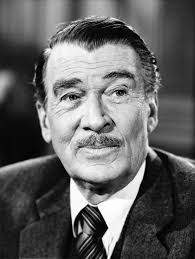
Dwight Bradley Masen (Walter Pidgeon)
Played by Walter Pidgeon
A defense attorney who initially wins acquittals but discovers his client’s ties to a criminal syndicate. He grapples with professional duty and personal conscience as he uncovers the extent of corruption surrounding the case. His choices propel the film’s moral center and lead to a pivotal confession.
- ⚖️ Lawyer
- 🧭 Moral conflict
- 🕯️ Conscience
- RW
Rudi Walchek (Keefe Brasselle)
Played by Keefe Brasselle
A young man accused of murder who is linked to a crime syndicate, illustrating how appearances can mask deeper criminal ties. The case exposes how pressure from criminal networks can skew justice and test Masen’s resolve. His ultimate fate becomes the catalyst for the attorney’s moral reckoning.
- 🎭 Youth
- 🕵️♂️ Underworld
- 💼 Vulnerability
- SM
Stella Masen (Ann Harding)
Played by Ann Harding
A member of the Masen family whose presence underscores the personal stakes surrounding the case. Her involvement emphasizes how the pursuit of justice affects loved ones and informs the attorney’s decisions.
- ❤️ Family
- 🧠 Intellect
-
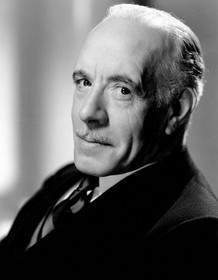
Judge James V. Hulbrook (Lewis Stone)
Played by Lewis Stone
A judge who embodies the formal constraints of the legal system during the trial. He represents procedural boundaries and the limits of overturning verdicts, shaping the narrative around double jeopardy.
- ⚖️ Judge
- 🏛️ Legal system
-
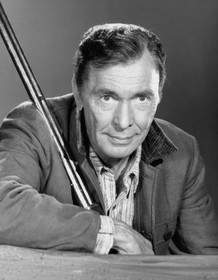
District Attorney Joe Bucknor (Barry Sullivan)
Played by Barry Sullivan
The district attorney who refuses to retry the case due to double jeopardy, reflecting the system’s emphasis on finality and procedural caution. He serves as a counterpoint to Masen’s evolving moral stance.
- ⚖️ Prosecutor
- 🧭 Legal principle
What Are the Themes of The Unknown Man?
3 ideas the story keeps returning to, among them Justice, Guilt and Conscience and Corruption.
-
01
Justice
The film centers on the scales of justice challenged by truth and corruption. Masen’s early victories as a defense attorney give way to a moral crisis when he uncovers his client’s connections to a crime syndicate. The story questions whether legal procedure alone can deliver true justice when evidence reveals a deeper wrongdoing. It highlights the friction between courtroom outcomes and ethical truth.
-
02
Guilt and Conscience
Masen’s growing realization that he defended a guilty man forces a reckoning with his own conscience. The narrative tracks how personal responsibility weighs as he confronts the consequences of his previous acquittal. His eventual confession and attempts to rectify the situation reveal a commitment to moral integrity over procedural victory.
-
03
Corruption
The story exposes a crime syndicate extorting local merchants and the involvement of the head of the citizens’ crime commission. It shows how power and influence infiltrate the justice system, complicating investigators and prosecutors. The investigation uncovers the entanglement between crime and official authority, driving the tragedy at the story’s heart.
What Kind of Film Is The Unknown Man?
Tense in tone, with steady pacing and a moderate story, going by the plot summary.
- Tone
- Tense
- Pacing
- Steady
- Story
- Moderate
- Intensity
- High
- Ending
- Ambiguous
A morally complex and tense legal thriller that follows a lawyer's devastating realization of his client's guilt, plunging him into a world of corruption and leading to a fatal act of rage and ambiguous justice.
- tense
- gripping
- morally conflicted
- suspenseful
- somber
- anxious
- moral corruption
- criminal justice system
- murder
- guilt and innocence
Content notes: murder, violent death, corruption, crime syndicate.
Where to Watch The Unknown Man
. US availability and prices from JustWatch.
Streaming availability in the US, powered by