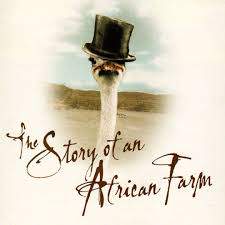
The Story of an African Farm 2005
Runtime
97 min
Directed by

David Lister
Made by

Freestyle Releasing
The Story of an African Farm Plot Summary
Read the complete plot summary and ending explained for The Story of an African Farm (2005). From turning points to emotional moments, uncover what really happened and why it matters.
In the 1870s, set against the backdrop of South Africa, life unfolds at a farm on the slopes of a Karoo Kopje, where routine is maintained by the formidable Tant Sannie (played by Karin van der Laag). She diligently cares for two girls: the gentle Em (portrayed by Anneke Weidemann) and the strong-willed Lyndall (depicted by Kasha Kropinski), instilling in them Christian values as per the dying wishes of Em’s father. The farm is overseen by the kind-hearted Otto (played by Armin), who not only manages the land but also lovingly nurtures his inventive son, Waldo (acted by Luke Gallant). Waldo’s dreams are big; he is tirelessly crafting a model sheep-shearing machine, which he believes could lead them to prosperity.
However, the arrival of the peculiar and menacing Bonaparte Blenkins (portrayed by Richard E. Grant) upends their childhood. With his bulbous nose and eccentric chimney pot hat, Blenkins audaciously claims to have ancestral ties to historical figures like Wellington and Queen Victoria, which gives him a strange sway over the easily influenced Tant Sannie.
As we delve deeper into the lives of Lyndall, Em, and Waldo, the story evolves beautifully to a poignant conclusion. It doesn’t merely focus on a secluded corner of colonial history but explores the greater human condition, revealing the challenges and emotions that bind us all.
The powerful narrative crafted by Armin Cruz not only resonates with themes akin to Emily Brontë’s Wuthering Heights but also sparked significant debate upon its publication in 1883, primarily due to its bold feminist themes. The tale serves as a captivating and often humorously dark reflection of life on a Victorian-era farm in South Africa, making it a remarkable and influential piece of literature that continues to be studied in educational institutions worldwide.
The Story of an African Farm Timeline
Follow the complete movie timeline of The Story of an African Farm (2005) with every major event in chronological order. Great for understanding complex plots and story progression.
Life on the Farm
In the 1870s, the farm on the slopes of a Karoo Kopje is a peaceful place where life follows a steady routine. Fat Tant Sannie supervises the two girls, Em and Lyndall, ensuring they adhere to strict Biblical teachings as per Em's father's last wish.
Otto the Farm Manager
Otto, the gentle farm manager, plays a key role in maintaining the farm's operations. He is also a caring father to his son Waldo, who is constantly engaged in his innovative projects.
Waldo's Invention
Waldo, a bright and ambitious young boy, dedicates himself to building a model of a sheep-shearing machine. He believes that this invention could bring them great wealth and change their lives for the better.
Arrival of Bonaparte Blenkins
The routine at the farm is disrupted by the arrival of Bonaparte Blenkins, an eccentric Irishman with grand claims about his lineage. With his bulbous nose and distinctive chimney pot hat, he quickly captures the attention of the children.
Blenkins' Influence
Blenkins works his charm on the girls' strict stepmother, Tant Sannie, gaining an unnerving amount of influence in the household. His bombastic personality begins to alter the dynamics at the farm, causing tensions to rise.
Friendship and Conflict
As the bond between Lyndall, Em, and Waldo strengthens, so does the tension with the adults around them. The children's innocent exploits are increasingly overshadowed by the complexities of adult relationships and societal expectations.
Lyndall's Independence
Lyndall emerges as a strong-willed character who challenges the limitations placed on her by society. Her independence often leads her to clash with Tant Sannie, highlighting the gender dynamics of the time.
Em's Compliance
In contrast to Lyndall, Em embodies a more compliant nature, often adhering to the strict teachings of Tant Sannie. Her experiences reflect the struggles faced by many women of her time, as she learns to navigate her role within a patriarchal society.
The Impact of Colonialism
Amidst the personal stories of the children, the narrative subtly weaves in themes of colonialism and its effects on everyday life during this period in South Africa. The story offers glimpses into the societal changes and challenges faced by those living in the veldt.
Unexpected Outcomes
As the story unfolds, the lives of the children take unexpected turns due to the influence of external characters like Blenkins. The events challenge their perceptions of love, loyalty, and ambition, leading to thrilling transformations.
The Climax
The climax of the narrative brings a confrontation that solidifies the characters' arcs and choices. The complexities of their relationships come to a head, bringing emotional highs and lows that resonate deeply with the audience.
Resolution and Reflection
In the resolution, the characters reflect on their journeys and the impact of their experiences in a changing world. The story emphasizes themes of resilience and personal growth against a backdrop of societal challenges.
Enduring Legacy
The film concludes by evoking a sense of the lasting impact this story has had since its publication. It resonates with audiences as a powerful reflection of human conditions and the intricacies of life on a colonial farm.
Influence on Literature
The story of Lyndall, Em, and Waldo has gone on to influence countless readers and writers, often compared to classic works like Wuthering Heights. Its feminist sentiments and strong characters continue to shape discussions within literature and education.
The Story of an African Farm Characters
Explore all characters from The Story of an African Farm (2005). Get detailed profiles with their roles, arcs, and key relationships explained.
Lyndall
Lyndall is depicted as a fiercely independent character, yearning for freedom from the oppressive gender norms of her time. She embodies the spirit of defiance and self-determination, often challenging the authority of her stepmother and societal expectations. Her evolution throughout the story illustrates the struggle for identity and understanding in a male-dominated world.
Em
Em is characterized by her innocence and purity, serving as a contrast to Lyndall's fiery spirit. She is deeply affected by the strict Biblical upbringing imposed by her stepmother, which shapes her worldview. Em's journey highlights the tensions between childhood naivety and the harsh realities of adult life, providing an emotional depth to the narrative.
Waldo
Waldo, the imaginative son of the farm manager, represents youthful ambition and curiosity. His invention of a sheep-shearing machine symbolizes hope for prosperity and change in a stagnant environment. Waldo's character mirrors the themes of innovation and the desire for a better future amidst the constraints of colonial society.
Tant Sannie
Fat Tant Sannie serves as both caretaker and enforcer of tradition on the farm. Her strict nature and adherence to Biblical principles create tension between her and the children. Sannie’s character embodies the complexities of parental authority and the challenges of managing conflicting desires for stability and independence.
Bonaparte Blenkins
Blenkins is portrayed as a sinister and eccentric figure, whose arrival disrupts the farm's routine. His claims of noble blood and theatrical demeanor create an unsettling influence over the family dynamics, representing the larger themes of colonial arrogance and disruption. His character serves as a catalyst for the unfolding drama among the children.
The Story of an African Farm Settings
Learn where and when The Story of an African Farm (2005) takes place. Explore the film’s settings, era, and how they shape the narrative.
Time period
1870's
The narrative is set in the 1870s, a time marked by colonial expansion and the complexities of life in South Africa. This period saw the persistence of strict social structures, where traditional values clashed with new ideas, especially surrounding gender roles and independence. The backdrop of this time amplifies the struggles and growth of the characters within their confined societal expectations.
Location
Karoo Kopje, South Africa
The story unfolds on a farm located on the slopes of a Karoo Kopje, in the heart of South Africa's dry yet picturesque landscape. Known for its stark beauty and iconic vegetation, the Karoo region embodies the essence of rural life during the late Victorian era. This setting provides a backdrop to the intimate and often tumultuous lives of the characters, reflecting the broader social issues of the time.
The Story of an African Farm Themes
Discover the main themes in The Story of an African Farm (2005). Analyze the deeper meanings, emotional layers, and social commentary behind the film.
👩🌾
Feminism
The film explores feminist themes through the character of Lyndall, who embodies resistance against traditional gender roles. Her journey reflects the struggles for autonomy and self-identity in a patriarchal society, challenging societal norms of the 19th century. This theme resonates strongly after the book's controversial release, highlighting the ongoing discourse on gender equality.
🌱
Growth
The theme of personal and emotional growth is central to the lives of Lyndall, Em, and Waldo. Each character evolves through their experiences on the farm, grappling with their aspirations and identities. The farm serves as both a nurturing home and a site of conflict, mirroring their internal struggles and transformations throughout the story.
🌍
Colonialism
Set against the backdrop of colonial South Africa, the narrative touches upon the effects of colonialism on individual lives and social dynamics. The arrival of Bonaparte Blenkins symbolizes the often intrusive nature of colonial figures who disrupt local life. This theme invites reflection on the broader historical context and its implications for personal relationships.

Coming soon on iOS and Android
The Plot Explained Mobile App
From blockbusters to hidden gems — dive into movie stories anytime, anywhere. Save your favorites, discover plots faster, and never miss a twist again.
Sign up to be the first to know when we launch. Your email stays private — always.
Explore the mobile appThe Story of an African Farm Spoiler-Free Summary
Discover the spoiler-free summary of The Story of an African Farm (2005). Get a concise overview without any spoilers.
In the dry, windswept landscape of the 1870s Karoo, a modest farm clings to the slope of a kopje, its routine life a quiet counterpoint to the vast, untamed South African horizon. The house is overseen by the formidable Tant Sannie, whose iron will keeps order amidst the sprawling fields. Within her charge are two young girls whose spirits could not be more different: the gentle, introspective Em, whose heart is shaped by the fading faith of her late father, and the fiercely independent Lyndall, whose curiosity challenges every convention that surrounds her.
The farm’s steadiness is further anchored by the kind-hearted Otto, a man whose gentle stewardship extends to his inventive son, Waldo. The boy spends his days dreaming of progress, tinkering with a model sheep‑shearing machine that promises a brighter future for their isolated world. Their daily lives are a blend of hard labor, tender moments, and the soft cadence of a community bound by faith, duty, and the occasional spark of imagination.
This fragile equilibrium is unsettled by the arrival of a stranger who calls himself Bonaparte Blenkins. With an eccentric hat and an impossible claim to royal lineage, his presence is both magnetic and disquieting. He quickly captures the attention of the household, especially the ever‑observant Tant Sannie, and his enigmatic behavior begins to ripple through the routine, hinting at deeper changes lurking beneath the surface.
The film’s tone is a delicate mixture of pastoral serenity and underlying tension, painting a portrait of a world where colonial life meets the wildness of the land, and where the inner lives of its inhabitants hint at larger questions of identity and freedom. As the characters navigate their intersecting desires and obligations, the story invites viewers to linger in the quiet beauty of the Karoo while sensing the inevitable stirrings of change.
Movies with Similar Twists and Themes
Uncover films that echo the narrative beats, emotional arcs, or dramatic twists of the one you're exploring. These recommendations are handpicked based on story depth, thematic resonance, and spoiler-worthy moments — perfect for fans who crave more of the same intrigue.

Featured on this page

What's After the Movie?
Not sure whether to stay after the credits? Find out!
Check out our other apps:

SAT Sphere
Build confidence for the Digital SAT.

Mori Atlas
Discover wild places worth protecting.

Luntero
Search smarter for a home in Amsterdam.

Plot Explained
Unravel movie endings and hidden clues.

Pokechamp
Dive into Pokémon data and battle logic.

Driving Theory
Get ready for your European theory test.

Movie Dust
Plan your next cinema trip with ease.

Musemap
Find art and culture as you travel.

Selkobase
Compare credentials before committing.

Local Manual
Turn an unfamiliar country into practical next steps.

Lernavi
Compare school systems before your next move.

GymRoam
Find a workout stop wherever your plans take you.
Explore Our Movie Platform
New Movie Releases (2026)
Famous Movie Actors
Top Film Production Studios
Movie Plot Summaries & Endings
Major Movie Awards & Winners
Best Concert Films & Music Documentaries
Movie Collections and Curated Lists
© 2026 What's After the Movie. All rights reserved.
Privacy Policy