
The Smallest Show on Earth 1957


Directed by
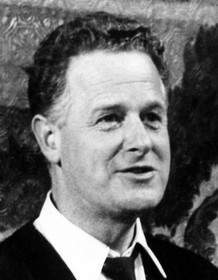
Basil Dearden
Made by

Hallmark Productions
Where to Watch The Smallest Show on Earth
See current US streaming, rental, and purchase options for The Smallest Show on Earth (1957) via JustWatch.

Artiflix
4K
FlixFling
SD
Fawesome
HD
Mometu
HD
Plex
HD
Plex Channel
HD
Amazon Video
SD Streaming availability powered by 
The Smallest Show on Earth Plot Summary
Read the complete plot summary and ending explained for The Smallest Show on Earth (1957). From turning points to emotional moments, uncover what really happened and why it matters.
Matt Spenser and Jean Spenser are a young married couple with dreams of travelling to exotic destinations such as Samarkand, though they cannot afford it. Their prospects seem to improve when Matt inherits a cinema from his great-uncle, raising hopes that they might run something successful at last. They expect to take over the glamorous “Grand” cinema, but the estate’s solicitor, Robin Carter, reveals a harder truth: the legacy is the decrepit Bijou Kinema, locally nicknamed “the Fleapit.” The venue sits tucked between two railway bridges and relies on three loyal but eccentric staff: Mrs. Fazackalee, the steady cashier and bookkeeper; Percy Quill, the aging projectionist with a fondness for alcohol; and Old Tom, the quiet commissionaire who works as doorman and usher.
Robin explains that the Grand’s owner, Albert Hardcastle, once offered £5,000 for the Bijou with the intention of demolishing it to build a car park. But with cinema audiences dwindling in the age of television, Hardcastle now offers only £500. On Robin’s advice, Matt and Jean bluff that they intend to reopen the Bijou in the hope of forcing Hardcastle to raise his bid. Their plan teeters on the edge of collapse when Old Tom innocently lets slip what he overheard, but the couple press on, convinced they can turn the odds in their favor.
The Bijou reopens and, despite a string of mishaps, begins to attract audiences. Business picks up further when Marlene Hogg is hired to sell ice cream and snacks, and a cheeky scheme to boost foot traffic—cranking up the heating during a desert film—draws people to the refreshments counter. Hardcastle counters by arranging for a bottle of whisky to be hidden in the next batch of film reels, knowing Quill cannot resist. The projectionist finally succumbs, and when a film breaks during a showing, Matt struggles to manage the outdated machinery. The crowd grows angry, demanding refunds, leaving the couple discouraged and ready to abandon the venture.
That evening, Matt admits a longing for the Grand to burn, a thought that flits through his mind as Old Tom is seen quietly carrying a petrol can out of the cinema. The next morning, the Grand has indeed burned to the ground, forcing a scramble to find a temporary venue while the property is rebuilt. Hardcastle and his partners reluctantly agree to buy the Bijou for £10,000, but only on the condition that its three long-serving staff are retained: [Mrs. Fazackalee], [Percy Quill], and [Old Tom]. As Matt and Jean depart by train for their long-dreamed-of travels, Old Tom tells Matt, “It were the only way, weren’t it?” Disturbed, Matt considers writing to Old Tom for clarification, but instead he and Jean send him a postcard—from Samarkand.
The Smallest Show on Earth Timeline
Follow the complete movie timeline of The Smallest Show on Earth (1957) with every major event in chronological order. Great for understanding complex plots and story progression.
Inheritance reveals Bijou Kinema instead of Grand
Matt and Jean learn that the inheritance is not the modern Grand but the dilapidated Bijou Kinema. Robin explains Hardcastle would demolish it for a car park and offers only £500 instead of £5,000. The couple decide to bluff that they intend to reopen the Bijou to force a higher bid, hoping to secure their dream of travel.
Bluffing to reopen the Bijou to force a bid
They announce plans to reopen the Bijou to create pressure on Hardcastle to raise his offer. Old Tom innocently lets slip the overheard scheme, but the couple press on regardless.
Bijou reopens with loyal staff
The Bijou reopens under Matt and Jean's management, with three loyal staff: Mrs Fazackalee, Mr Quill, and Old Tom. There are initial mishaps, but gradually audiences begin to return.
Marlene Hogg hired to boost sales
Matt hires the glamorous Marlene Hogg to run ice-cream and snacks at the counter. Her flair attracts more visitors and boosts profits, giving the Bijou a tastier edge.
Heating scheme attracts crowds
They devise a scheme to turn up the heating during a desert film to drive customers toward refreshments. The tactic works, and profits begin to rise as audiences stay longer.
Hardcastle counters with whisky in reels
Hardcastle counters by hiding a bottle of whisky in the next batch of film reels, knowing Quill cannot resist. The temptation threatens to undermine the Bijou's plans.
Quill drinks; film breaks; refunds demanded
During a screening, the projectionist succumbs to drink and fails to handle the outdated machinery when a film breaks. The break ruins the show and angry patrons demand refunds, threatening the Bijou's momentum.
Patrons demand refunds; prospects dim
The chaos leaves Matt and Jean discouraged, contemplating abandoning the venture as the audience dwindles. The revenue hit strains the couple's resolve.
Morning discovery: Grand burns; Old Tom with petrol
Old Tom is seen quietly carrying a petrol can out of the cinema the night before. In the morning, the Grand cinema has burned to the ground near the two railway bridges, changing the town's balance of power.
Grand destroyed; Bijou bought for £10,000
With the Grand destroyed, Hardcastle and his partners decide to buy the Bijou for £10,000, provided its three long-serving staff are retained. The Bijou's future becomes tied to the vengeance of the larger plan.
Deal closes; staff retained
The sale proceeds with the condition that Mrs Fazackalee, Mr Quill, and Old Tom stay on. The Bijou continues under new ownership, its loyal staff securing its survival for the moment.
Departure to Samarkand; postcard ending
Matt and Jean depart by train to pursue their dream of travel. Old Tom murmurs, 'It were the only way, weren't it?' and they send a postcard from Samarkand to mark the farewell.
The Smallest Show on Earth Characters
Explore all characters from The Smallest Show on Earth (1957). Get detailed profiles with their roles, arcs, and key relationships explained.
Matt Spenser (Bill Travers)
Young, hopeful husband who inherits the Bijou and dreams of travel. He masterminds the plan to reopen the decrepit cinema to press Hardcastle for a higher bid, proving himself daring but occasionally reckless. Matt embodies entrepreneurial spirit and a stubborn faith in cinema's place in a changing world.
Jean Spenser (Virginia McKenna)
Matt's wife and partner in crime for the Bijou project, she balances romance with pragmatism. She supports the reopening scheme and helps run the business, showing resilience and loyalty. Jean is the steadier counterpoint to Matt's impulsiveness.
Robin Carter (Leslie Phillips)
The sharp-witted solicitor who explains the deal and counsels the couple. He serves as a reminder that there are legal and financial risks behind every bluff. Robin's guidance is pivotal to the tactical moves that drive the plot.
Mrs. Fazackalee (Margaret Rutherford)
The cinema's cashier and bookkeeper, a loyal and sharp-witted presence on the floor. She keeps the finances steady and supplies a steady stream of comic observations. Her veteran perspective anchors the staff's daily life at the Bijou.
Percy Quill (Peter Sellers)
The ageing projectionist, a boozy but talented figure whose flaws threaten the screenings. He embodies the tension between craftsmanship and personal weakness. Quintessentially, he both sustains and sabotages the cinema's fragile operation.
Old Tom (Bernard Miles)
The loyal commissionaire who doubles as doorman and usher. Quietly observant, he overhears crucial information that could change the fate of the Bijou. His steady presence hints at the quiet dignity of long-tenured cinema staff.
Marlene Hogg (June Cunningham)
Glamorous ice-cream seller who boosts crowds with a friendly presence and sales savvy. Her energy helps turn the Bijou into a lively, inviting space. She represents the community's everyday actors who support cinema's survival.
Albert Hardcastle (Francis de Wolff)
The Grand cinema's owner and chief antagonist, who uses market pressure to push Matt and Jean. He embodies the corporate threat to small-town venues in an era of TV domination. His schemes escalate the stakes and speed the Bijou's fate.
The Smallest Show on Earth Settings
Learn where and when The Smallest Show on Earth (1957) takes place. Explore the film’s settings, era, and how they shape the narrative.
Time period
Mid-20th century Britain
Set in the era when television began to erode cinema audiences, the film captures post-war optimism and the struggle to keep traditional entertainment afloat. The story unfolds in a small town where the rise of TV challenges the relevance of the local cinema. The events highlight how communities cling to shared experiences of film despite new technology.
Location
Bijou Kinema, Grand cinema
The Bijou Kinema sits wedged between two railway bridges, a cramped but beloved local cinema known to locals as the Fleapit. It becomes the battleground for a couple's dream to revive cinema against the Grand's looming plans. The venue's aging projection equipment and loyal staff symbolize the stubborn charm of old cinemas in a changing world.
The Smallest Show on Earth Themes
Discover the main themes in The Smallest Show on Earth (1957). Analyze the deeper meanings, emotional layers, and social commentary behind the film.
🕰️
Nostalgia
The film leans on nostalgia for the heyday of single-screen cinemas to frame its central conflict. The Bijou Kinema embodies memory, loyalty, and the enduring charm of communal viewing. Characters revisit old rituals—queuing for snacks, previews, and late-night showings—while confronting a changing entertainment landscape.
💰
Survival
A struggle for economic survival drives the plot, with Matt and Jean reopening the Bijou to press Hardcastle for a higher bid, proving the fragility of small-town entertainment in a TV-dominated era. The staff ingeniously boosts revenue—through heated screenings and snack sales—only to face sabotage and misfortune. The looming fire and the sale offer crystallize the delicate balance between ambition and financial reality.
👥
Community
The film centers on a tight-knit cast of staff and patrons who rally around the Bijou. Loyalty and camaraderie surface as the trio of long-serving workers keep the cinema alive while the couple dreams of travel. The community's resilience shines when the Grand burns and life at the Bijou is forced to reassemble, underscoring cinema as a shared social space.

Coming soon on iOS and Android
The Plot Explained Mobile App
From blockbusters to hidden gems — dive into movie stories anytime, anywhere. Save your favorites, discover plots faster, and never miss a twist again.
Sign up to be the first to know when we launch. Your email stays private — always.
Explore the mobile appThe Smallest Show on Earth Spoiler-Free Summary
Discover the spoiler-free summary of The Smallest Show on Earth (1957). Get a concise overview without any spoilers.
In the modest town of Sloughborough, Jean Spenser and Matt Spenser are a newlywed pair whose day‑to‑day routine is marked by modest ambitions and a shared yearning for far‑off places like Samarkand. Their lives take an unexpected turn when a terse telegram announces that Matt’s long‑lost great‑uncle has died, bequeathing them a cinema. The prospect of a quick windfall promises a ticket out of routine, yet the inheritance quickly proves to be more of a curious curiosity than a golden goose.
The cinema they inherit, known locally as the Bijou Kinema, sits cramped between railway bridges and bears the affectionate nickname “the Fleapit.” Its worn façade and aging equipment hint at a bygone era of reel‑spooling community gatherings. Upon arrival, the couple meets the three long‑serving staff who have kept the lights flickering for years: the pragmatic cashier Mrs. Fazackalee, the weary projectionist Percy Quill, and the quiet doorman Old Tom. Their solicitor, Robin Carter, paints a realistic picture of the venue’s dilapidated state, while also suggesting the couple might still extract some value from the property. The tone of the film balances gentle comedy with a touch of melancholy, inviting the audience to feel both the charm and the strain of trying to revive a relic.
As Matt and Jean weigh their dreams against the stubborn reality of a crumbling theater, their partnership becomes a study in optimism, ingenuity, and the subtle friction that arises when hope meets hardship. The story unfolds against a backdrop of a small‑town community that clings to its quirks, offering a warm, slightly off‑beat atmosphere that keeps the audience curious about whether the Spensers will manage to turn this little‑known cinema into a stepping stone toward their larger aspirations.
Movies with Similar Twists and Themes
Uncover films that echo the narrative beats, emotional arcs, or dramatic twists of the one you're exploring. These recommendations are handpicked based on story depth, thematic resonance, and spoiler-worthy moments — perfect for fans who crave more of the same intrigue.

Featured on this page

What's After the Movie?
Not sure whether to stay after the credits? Find out!
Check out our other apps:

SAT Sphere
Build confidence for the Digital SAT.

Mori Atlas
Discover wild places worth protecting.

Luntero
Search smarter for a home in Amsterdam.

Plot Explained
Unravel movie endings and hidden clues.

Pokechamp
Dive into Pokémon data and battle logic.

Driving Theory
Get ready for your European theory test.

Movie Dust
Plan your next cinema trip with ease.

Musemap
Find art and culture as you travel.

Selkobase
Compare credentials before committing.

Local Manual
Turn an unfamiliar country into practical next steps.

Lernavi
Compare school systems before your next move.

GymRoam
Find a workout stop wherever your plans take you.
Explore Our Movie Platform
New Movie Releases (2026)
Famous Movie Actors
Top Film Production Studios
Movie Plot Summaries & Endings
Major Movie Awards & Winners
Best Concert Films & Music Documentaries
Movie Collections and Curated Lists
© 2026 What's After the Movie. All rights reserved.
Privacy Policy