

What Is The Six-Sided Triangle About?
The premise of The Six-Sided Triangle in 306 words, with nothing given away. The full story follows below.
In this inventive short film from 1963, director Christopher Miles transforms a familiar domestic scenario into something strikingly original. When a husband returns home to discover his wife with a lover, the classic eternal triangle receives a fresh treatment—presented through six distinct national viewpoints. The same three performers—Sarah Miles as the Wife, Nicol Williamson as the Lover, and Bill Meilen as the Husband—portray the central trio across all segments, allowing the same essential story to refract through different cultural prisms while the core dynamic remains intact.
The film’s structure serves as both narrative device and cinematic commentary. Each national segment—American, British, Japanese, Swedish, Italian, and French—brings its own visual language, emotional register, and storytelling conventions to the identical setup. From desert-draped mythic imagery to rain-soaked English restraint, from Japanese fatalism to Swedish snowbound melancholy, the film explores how different cultures interpret jealousy, passion, and compromise through radically different lenses. Even subtitles become part of the playful approach, with mischievous mistranslations adding layers of comedy and commentary.
Beyond its narrative premise, the work functions as a gentle satire of cinema itself. The filmmakers poke fun at the styles and pretensions of well-known directors and stars from each country, turning what could be a simple domestic drama into a witty examination of film language. Visual styles shift dramatically, and tone swings from ritualistic gravity to breezy comedy—all while the fundamental human situation remains constant and recognizable.
This border-transcending approach earned the film an Academy Award nomination for Best Live-Action Short Film, recognizing both its technical ingenuity and its ability to find fresh meaning in familiar material. The result is a tapestry of perspectives that treats its subject with curiosity and wit, inviting viewers to consider how the same story transforms when viewed through different cultural assumptions about love, honor, and the tangled emotions that bind three people together.
What Happens in The Six-Sided Triangle?
The complete story of The Six-Sided Triangle, from the first scene to the last, in 471 words (about 2 minutes). Spoilers throughout. Names in the text link to 3 cast member pages.
Spoilers ahead
In this inventive exploration of the eternal triangle, the film uses a single trio to play all roles across six nations, turning jealousy into a cultural mosaic. Starring Sarah Miles as the Wife, Nicol Williamson as the Lover, and Bill Meilen as the Husband, the movie keeps the same core setup while letting each country reinterpret the dynamics with its own flair, all while gently poking fun at the styles of well-known directors and stars from each place.
The opening thread treats the story through a desert-draped, almost mythic lens: desert sheiks, tents, Persian brocades, and an Arab husband’s quiet, escalating sense of revenge. This segment frames passion as a ritualized spectacle, rich in color and cadence, even as a modern notice of the triangle moves beneath the surface.
Next, the English section coolly reframes the drama around restraint and domestic compromise. Rain taps on windows, the cricket pauses for the moment, and a whisky becomes a small, practical treaty between lovers and spouses, signifying how restraint can mask the fire beneath.
I admire your bust.
The Japanese take a stark, ritual edge, leaning into a fatalist mood and an emphasis on ritual endings, with harakiri appearing as a dramatic counterpoint to any perceived foreign intrusion. The tone shifts toward a fatalistic dignity, even as personal loyalties fracture within the compact, intimate triangle.
I should never have married a Neapolitan lady of the town!
In Italy, the subtitles famously misinterpret emotional heat with a cheeky, half-serious mistranslation, turning flirtation and anger into comic misreadings that underscore how language can distort truth. The dialogue ring is off-kilter, playful, and pointed, casting the lovers’ and husband’s feelings in a light that’s at once breezy and sharp.
The Swedes lume the scene in a snowbound, minimalist hush, where time seems to stop in a handless clock and the overall mood fuses melancholy with quiet infidelity. The trio persists in their mischief as the cold landscape and isolation reinforce the emotional distance, all while the snow keeps the outside world at bay.
The French segment rides a different current altogether, pulling the story into the kinetic energy of the New Wave. Handheld cameras skim through interiors and streets as a lover searches for a cigarette, while the line “ça va?” becomes a shorthand for a wide range of unspoken feelings until a surprising close.
This playful, border-transcending approach not only dramatizes the same relationship from multiple cultural angles but also acts as a satire of cinema itself—its clichés, its pretensions, and its language—while staying anchored in a straightforward, human core: a husband who returns to find his wife with a lover, and the trio who carry the scene across dozens of moods, silences, and gags. The result is a sustained, multilayered tapestry that is both faithful to its premise and refreshingly inventive in its execution.
The Six-Sided Triangle Timeline: Every Key Event in Order
12 key events in the order they happen, from “Arab desert opening” to “Cumulative ending”. 10 events name a place, across 6 locations.
- 1
Arab desert opening
The film opens in a desert setting with sheiks, tents and Persian brocades, establishing the theme of the eternal triangle through an Arab lens. The husband’s revenge is staged against the backdrop of ceremony and ritual, setting the tone for the film’s self-parody of national styles.
Where:Arabia/Desert
- 2
Arab husband’s revenge
In the Arab segment, the husband confronts the infidelity within the desert setting, turning on the lover as a figure of vengeance. The visuals emphasize arid landscapes and ritualized confrontation, underscoring the motif of honor and retribution.
Where:Arabia/Desert
- 3
English restraint at discovery
The English segment contrasts with more volatile approaches, presenting a restrained reaction to the moment of discovery. Rain interrupts cricket, and the characters choose calm negotiation rather than melodramatic violence.
Where:England
- 4
Whisky compromise
A whisky-fueled negotiation provides the English resolution to the affair, with boundaries discussed and negotiable terms offered to preserve the marriage. The tone remains cool and pragmatic, avoiding overt passion.
Where:England
- 5
Japanese harakiri
The Japanese segment resorts to harakiri as the ultimate display of honor in response to external intervention. The act marks a dramatic boundary between personal passion and national pride.
Where:Japan
- 6
Reaction to American intervention
The Japanese segment includes a reaction to American intervention, intensifying the clash between personal betrayal and foreign influence. Harakiri remains framed as a cultural code rather than a mere plot device.
Where:Japan
- 7
Italian misinterpretations
In the Italian version, the subtitles misread the lover's hot-blooded feelings as "I admire your bust." The husband’s anger is expressed with the line "I should never have married a Neapolitan lady of the town!" The humor underscores how translation shapes emotion.
Where:Italy
- 8
Swedish silent gloom
The Swedish segment sits in a snow-bound house, virtually silent as a handless clock ticks away time. The characters carry on with infidelities even after poison and wild strawberries are consumed, heightening the sense of pervading gloom.
Where:Sweden
- 9
French New Wave cigarette chase
The French New Wave sequence uses handheld cameras to follow a lover’s search for a cigarette, injecting spontaneity into the melodrama. The rapid cuts and improvisational energy mirror the era’s style while probing the couple’s shifting loyalties.
Where:France
- 10
Ça va? emotional range
While 'ça va?' tries to cover most emotions, the French segment builds toward a surprise ending that unsettles the expected outcome. The finale reframes the infidelity triangle with a final twist.
Where:France
- 11
Six-country parody frame
Across all segments, the same three actors play all roles, and each country’s director parodies their national cinema style. The film’s structure itself becomes part of the joke, celebrating and lampooning cinematic trends.
- 12
Cumulative ending
All segments converge toward a surprising ending that critiques stereotypes and emphasizes the universality of love, jealousy and the triangle at the heart of the story. The ending suggests the shared humanity behind national differences, uniting the portrayals across cultures.
Who Are the Main Characters in The Six-Sided Triangle?
3 characters, among them The Wife (Sarah Miles), The Lover (Nicol Williamson) and The Husband (Bill Meilen): who each one is and the part they play in the story. Every profile links to the actor’s page.
-

The Wife (Sarah Miles)
Played by Sarah Miles
The Wife embodies universal feminine agency within a sensual, conflicted role. Across the six country-set scenes, she navigates temptation, loyalty, and self-definition. Her expressions and choices anchor the film’s exploration of personal truth amidst theatrical exaggeration.
- 💔 Infidelity
- 👩 Protagonist
- 🎭 Dramatic
-
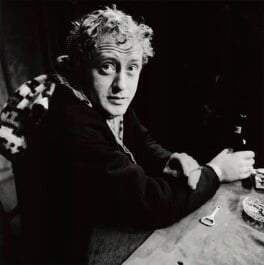
The Lover (Nicol Williamson)
Played by Nicol Williamson
The Lover represents fevered passion and transgressive desire, often clashing with the social codes of each locale. His intensity drives the tension, while his responses to the Wife’s independence reveal what each culture expects of romance.
- 🔥 Passion
- 💢 Jealousy
- 🎭 Antagonist
- TH
The Husband (Bill Meilen)
Played by Bill Meilen
The Husband is the catalyst who triggers the triangle's crisis, his reactions ranging from restraint to explosive anger in different cultural mirrors. He embodies the consequences of infidelity and the complexities of male pride.
- 🕵️♂️ Suspense
- 😡 Jealousy
- 🗡️ Violence
Where and When Is The Six-Sided Triangle Set?
The Six-Sided Triangle is set in Desert tents of the Arab world, England, Japan, Italy, Sweden, France. Here is why the place matters to the story.
When
The movie functions as a meta-cinematic pastiche rather than a single historical period, drawing on mid-20th-century international cinema styles. It uses varied era cues—from desert epics to New Wave handhelds—so the timing feels like a collage rather than a fixed decade. This approach highlights how different eras would react to the same triangle, underscoring the film’s satirical stance on cultural film traditions.
Where
Desert tents of the Arab world, England, Japan, Italy, Sweden, France
The film shifts across six cultural landscapes, from desert camps with Persian brocades to rain-soaked English settings, silent snowbound houses in Sweden, and bustling urban tones in France and Italy. Each locale acts as a mirror for the characters’ emotions, turning infidelity into a national theater. The visual palette ranges from austere modernism to theatrical pastiche, highlighting how culture shapes perception of love and betrayal. Across these settings, the same trio of actors plays all roles, emphasizing universal themes behind local aesthetics.
- 🏜️ Desert
- 🇬🇧 England
- 🗾 Japan
- 🇮🇹 Italy
- ❄️ Sweden
- 🗼 France
What Are the Themes of The Six-Sided Triangle?
5 ideas the story keeps returning to, among them Love Triangle, Cinematic Pastiche and Time and Perception.
-
01
Love Triangle
A single husband, wife, and lover framework is stretched across six national stylizations, turning a personal betrayal into a canvas for cultural commentary. The film explores jealousy, desire, and reconciliation, while constantly resetting expectations with each country’s cliché. The repetition of the same trio in different contexts underscores the universality of romantic tension across cultures.
-
02
Cinematic Pastiche
By parodying the dominant directorial styles of each country, the film becomes a satire of international cinema itself. Subtitles, staging, and camera choices mirror Italian neorealism, French New Wave spontaneity, British understatement, and Japanese ritualized emotion. The result is a playful critique of genre conventions rather than a straight drama.
-
03
Time and Perception
Time in the narrative is fluid, presenting a collage of eras rather than a single timeline. The ticking clock motif in the Swedish segment and the rapid stylistic shifts emphasize how memory and momentary reactions define romance. Viewers are invited to interpret events as shaped by cultural temporality as much as by character intent.
-
04
Agency of The Wife
The Wife drives the central conflict across all six settings, negotiating fidelity, autonomy, and social expectation. Her choices reveal different facets of female agency under varying national lenses. The performances suggest that despite changing styles, the wife’s desires and doubts remain the emotional core of the triangle.
-
05
Miscommunication and Satire
Language and perception errors—like misinterpreted lines in Italian subtitles or exaggerated expressions—reveal how audiences read emotion. The film uses dialogue as a weapon and a joke, reflecting on how cultural context can distort truth. This thread ties the six segments together with a common thread of playful misreading.
What Kind of Film Is The Six-Sided Triangle?
Whimsical in tone, with variable pacing and a complex story, going by the plot summary.
- Tone
- Whimsical
- Pacing
- Variable
- Story
- Complex
- Intensity
- Medium
- Ending
- Mixed
A clever and whimsical short film that playfully explores the same marital drama through six distinct cultural lenses, offering a satirical and intellectually engaging viewing experience.
- whimsical
- satirical
- playful
- observational
- stylized
- intellectual
- infidelity
- cultural perspectives
- storytelling structure
- relationship drama
Quiz
How well do you remember The Six-Sided Triangle? Test yourself on the story.

