What Is The Second Act About?
The premise of The Second Act in 295 words, with nothing given away. The full story follows below.
At the heart of this modern comedy is Florence, eager to introduce David, the man she is deeply infatuated with, to her father, Guillaume. Her excitement clashes with David’s hidden agenda: he is not genuinely interested in her and hopes to redirect her affections toward his friend, Willy. What begins as an awkward introduction is therefore built on crossed motives, romantic uncertainty, and the kind of social tension that can turn an ordinary meeting into an elaborate comedy of errors.
The four characters’ paths converge at a restaurant in a remote location, where private intentions collide with public conversation. Florence approaches the occasion with affectionate optimism, David carries a calculated purpose, Willy is caught within the scheme, and Guillaume watches the emotional dynamics with the perspective of a father. Their interactions promise sharp misunderstandings and unexpected warmth, with dialogue carrying equal weight as the increasingly complicated circumstances behind it.
The film also embraces a playfully self-aware style, shifting between the fiction being performed and the actors stepping out of their lines to reflect on their own lives, their work, and the peculiar world of filmmaking. These departures blur the boundary between performance and reality, lending the story an essayistic edge without abandoning its comic tone. Questions about acting, contemporary life, technology, and the value of making films hover beneath the characters’ banter.
Visually, the remote setting and extended tracking shots give the production a deliberate, almost hypnotic rhythm. Long stretches of continuous movement invite the audience to observe every glance, hesitation, and argumentative aside, while the seemingly straightforward journey becomes a showcase for ensemble chemistry. The result is a witty, self-reflexive comedy in which romance, friendship, artistic anxiety, and the machinery of filmmaking remain intimately entangled, leaving the promise of connection hanging in the air.
What Happens in The Second Act?
The complete story of The Second Act, from the first scene to the last, in 189 words (about 1 minute). Spoilers throughout. Names in the text link to 5 cast member pages.
Spoilers ahead
The story follows Florence, played by Léa Seydoux, who is deeply in love and eager to introduce her partner, David (Louis Garrel), to her father, Guillaume (Vincent Lindon). However, David does not reciprocate her feelings and attempts to distance himself by pushing her toward his friend, Willy (Raphaël Quenard). The narrative centers on these four characters as they meet at a remote restaurant.
The film utilizes a meta-cinematic approach, seamlessly blending the scenes of an indie production with moments where the actors break character to comment on their professional lives. A standout feature of the movie is a strikingly long, uncut dolly shot capturing a walk to the restaurant.
During this sequence, David and Willy debate David’s lack of interest in Florence and argue over the fear of being “cancelled” in the modern era. Meanwhile, Guillaume and Florence engage in a philosophical discussion regarding the purpose of acting in a world plagued by war and the desire to quit the production. This exploration of technology and art culminates in a satirical twist: the film’s director is revealed to be a monotone A.I. Avatar (Laurent Nicolas) operating from a laptop.
The Second Act Timeline: Every Key Event in Order
14 key events in the order they happen, from “Florence Is Madly in Love” to “The AI Is Carried by a Set Runner”. 11 events name a place, across 3 locations.
- 1
Florence Is Madly in Love
Florence is madly in love with David and dreams of taking their relationship to the next level. She wants nothing more than to introduce the man she loves to her father, Guillaume, hoping for his approval. Her deep affection, however, is entirely one-sided.
- 2
David's Scheme to Escape
David, feeling no attraction to Florence whatsoever, looks for a way to get rid of her. Rather than ending things directly, he devises a plan to throw her into the arms of his friend Willy. This scheme forms the comedic engine that drives the entire story forward.
- 3
The Film Within the Film
The story is revealed to be an indie film production, with the movie constantly bouncing between the scenes being shot and the reality around them. The actors seamlessly break out from their lines to give commentary on the film itself and their lives as actors. This blurring of fiction and reality becomes the film's signature style.
Where:Film set
- 4
The Famous Long Walk Begins
The four characters set out on the famously long walk to the restaurant where their meeting is supposed to take place. The sequence is captured using a very long dolly track, impressively achieved with no cuts. This uninterrupted technical feat becomes one of the film's most celebrated moments.
Where:Road to the restaurant
- 5
David and Willy's Private Conversation
During the long walk, David and Willy discuss David's genuine dislike for Florence. Their conversation constantly drifts away from the scripted lines they are meant to deliver. The two friends repeatedly argue, stepping out of the scene to speak candidly with each other.
Where:Road to the restaurant
- 6
A Discussion on How Not to Be Cancelled
Breaking free from their roles, David and Willy engage in an extended argument about how not to be cancelled. The discussion reflects the anxieties of navigating modern public life and reputation. Their off-script banter further dissolves the boundary between the actors and their characters.
Where:Road to the restaurant
- 7
Guillaume and Florence Clash
Meanwhile, Guillaume and Florence fall into a heated argument about quitting the film production altogether. The disagreement exposes the tensions simmering beneath the surface of the shoot. Their clash adds another layer of conflict to the already unstable production.
Where:Road to the restaurant
- 8
Acting in a World Full of War
The argument between Guillaume and Florence broadens into a bigger philosophical question: what is the point of acting in a world full of war? They debate whether performance and art hold any meaning amid global crisis. The exchange carries the film's deeper meditation on purpose and creativity.
Where:Road to the restaurant
- 9
What It Means to Be an Actor
Guillaume and Florence continue wrestling with what it truly means to be an actor. The conversation touches on identity, performance, and the value of their craft in a chaotic world. These meta-commentary moments make the actors question the very production they are part of.
Where:Road to the restaurant
- 10
Commentary on Modern Life and Technology
Throughout the journey, the film weaves in commentary on modern life, technology, and the art of filmmaking itself. The actors speak as much about their own lives as performers as about the story they are playing. This self-aware tone permeates nearly every scene of the movie.
When:Present day
Show the other 4 events of The Second Act Hide the last 4 events
- 11
Arrival at the Restaurant
The group finally reaches the restaurant, which sits in the middle of nowhere. This isolated location is where the pivotal meeting between Florence, David, Guillaume, and Willy is meant to happen. The arrival brings the long walk, and its many digressions, to a close.
Where:Restaurant in the middle of nowhere
- 12
The Four Characters Meet
Florence introduces David, the man she loves, to her father Guillaume as she has always wanted. At the same time, David quietly works his plan to push Florence toward his friend Willy. The meeting brings all four characters and their conflicting agendas into the same room.
Where:Restaurant in the middle of nowhere
- 13
The Director's True Identity Revealed
The film's punchline is finally delivered: the director orchestrating the entire production is not a human being. It is actually a flatly spoken artificial intelligence. The absurd revelation lands as the movie's final statement on technology and the art of filmmaking.
Where:Film set
- 14
The AI Is Carried by a Set Runner
The full absurdity of the situation becomes clear as the AI director is shown being held up on a laptop by a set runner. The image of a crew member literally carrying the film's creative leadership underscores the movie's commentary on modern production. It serves as the memorable closing punchline of the film.
Where:Film set
Who Are the Main Characters in The Second Act?
5 characters, among them Florence, David and Guillaume: who each one is and the part they play in the story. Every profile links to the actor’s page.
-
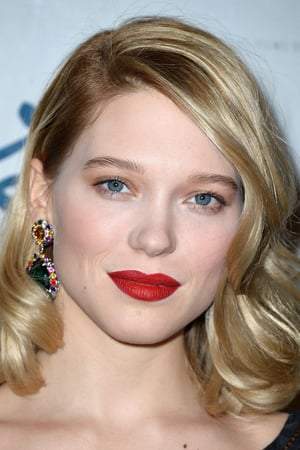
Florence
Played by Léa Seydoux
Florence is a passionate and hopeful individual eager to share her love for David with her father. Her vulnerability is evident as she grapples with the complexities of love and the harsh realities of rejection. Her journey reflects the struggles of self-acceptance and seeking approval.
- 💔 Love
- 😔 Vulnerability
-
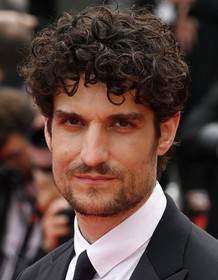
David
Played by Louis Garrel
David is portrayed as conflicted and reluctant, rejecting Florence's affections while relying on his friend Willy for support. His character embodies modern insecurities and the fear of vulnerability, ultimately questioning societal expectations of masculinity. David's internal struggle reflects a deeper commentary on relationships today.
- 😟 Conflict
- 👫 Love
-
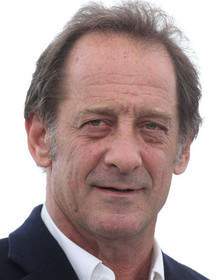
Guillaume
Played by Vincent Lindon
Guillaume, Florence's father, offers a philosophical perspective on acting and life. His discussions with Florence reveal a complex understanding of the artistic world, grappling with the purpose of their craft amidst chaos. He represents a traditional viewpoint that contrasts with the modern anxieties of the younger generation.
- 🎓 Wisdom
- 🎭 Art
-
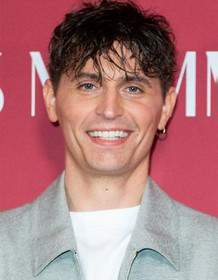
Willy
Played by Raphaël Quenard
Willy serves as David's friend and a source of comedic relief, providing a contrast to David's more serious demeanor. His character explores themes of friendship and loyalty while also participating in the discussions on societal pressures. Willy's role adds depth to the dynamic between the four main characters.
- 😂 Humor
- 🤝 Friendship
- AA
A.I. Avatar
Played by Laurent Nicolas
The A.I. Avatar serves as a unique and unconventional character, representing the intersection of technology and creativity. Its monotone personality offers a satirical twist to the film, highlighting the increasing role of technology in artistic endeavors. The avatar questions the authenticity of art in the modern age.
- 🤖 Technology
- 🎬 Art
Where and When Is The Second Act Set?
The Second Act is set in Remote Restaurant. Here is why the place matters to the story.
When
The story is set in a contemporary context, reflecting modern societal concerns and interactions. The characters grapple with themes relevant to today's world, such as relationships, technology, and the influence of social media.
Where
Remote Restaurant
The movie features a remote restaurant that serves as the primary setting for the emotional encounters between the characters. This secluded location allows for an intimate atmosphere, encouraging deep conversations amidst the backdrop of nature. It can be seen as a refuge from the outside world, offering a space for personal revelations.
- 🍽️ Restaurant
- 🌳 Nature
What Are the Themes of The Second Act?
3 ideas the story keeps returning to, among them Meta-cinema, Unrequited Love and Technology and Art.
-
01
Meta-cinema
The film incorporates a meta-cinematic approach, where the boundaries between fiction and reality blur. Actors break character to discuss real-life issues in the film industry, creating a self-reflective narrative. This theme allows viewers to contemplate the nature of acting and the role of artists in society.
-
02
Unrequited Love
A significant theme is unrequited love, as Florence longs for David's affection, which he does not reciprocate. This emotional tension drives the narrative, showcasing the complexity of human relationships and the pain of unreturned feelings. The dynamics between the characters highlight the struggle of navigating love and friendship.
-
03
Technology and Art
The film presents a commentary on the intersection of technology and art, culminating in the reveal of the A.I. Avatar as the director. This twist provokes questions about authenticity and creativity in an age dominated by technology. The characters discuss the implications of modern advancements on their artistic endeavors.
What Kind of Film Is The Second Act?
Bittersweet in tone, with variable pacing and a complex story, going by the plot summary.
- Tone
- Bittersweet
- Pacing
- Variable
- Story
- Complex
- Intensity
- Medium
A witty, bittersweet meta-comedy where romantic friction, artistic doubt, and AI absurdity unfold in long, talky passages that reward attention while gently unsettling the divide between performance and reality.
- playful
- bittersweet
- self-aware
- conversational
- unsettling
- deadpan
- romantic triangle
- filmmaking
- artificial intelligence
- actor authenticity
Content notes: suicide.
Quiz
How well do you remember The Second Act? Test yourself on the story.