

What Is Actors and Sin About?
The premise of Actors and Sin in 311 words, with nothing given away. The full story follows below.
Actors and Sin unfolds as a two-part satirical portrait of the entertainment industry, presented as a double feature that juxtaposes the dramatic weight of the New York stage with the glossy cynicism of Hollywood. The film peels back the curtain on the vanities and vulnerabilities of show business, exploring how the relentless pursuit of fame can distort relationships and erode judgment. Through a blend of irony and morality-play structure, it offers a winking critique of a world obsessed with image, success, and control.
The first segment, Actor’s Blood, centers on Maurice Tillayou, a washed-up Broadway actor watching his career fade into the shadows. His struggle is compounded by his complex relationship with his fiercely independent daughter, Marcia, whose rising stardom has completely eclipsed his own. As Maurice navigates the emotional friction of being both a proud father and a jealous competitor, the narrative hints at the dark undercurrents of ambition and the precariousness of a life lived in the spotlight.
The second tale, Woman of Sin, shifts to the other side of the camera to follow Orlando Higgens, a disreputable literary agent inundated with frantic calls from a surprising new client: a nine-year-old author. When the child’s controversially explicit manuscript lands on the desk of a powerful Hollywood producer, the situation spirals into a sharp skewering of industry greed. The story exposes the crooked logic of deals and the opportunism that drives the movie business, creating a farcical contrast between the innocence of the writer and the cynicism of the dealmakers.
United by narrators who guide the audience through the moral currents of each story, the film maintains a keen eye for the way appearances are curated in a system that rewards power. It is a nuanced look at a business capable of elevating talent to myth just as easily as it consumes it, capturing the tension between art and commerce.
What Happens in Actors and Sin?
The complete story of Actors and Sin, from the first scene to the last, in 548 words (about 2 minutes). Spoilers throughout. Names in the text link to 4 cast member pages.
Spoilers ahead
Two-part satirical look at the film industry, presented as a double feature split between two worlds: Actor’s Blood and Woman of Sin. In New York City, Actor’s Blood unfolds as a morality play about legitimate theater, while in Hollywood, Woman of Sin skewers the greed and vanity that run the movie business.
In the NYC segment, tragedy centers on a Broadway star who becomes the focal point of a public and private undoing. Marcia Tillayou, a dazzling stage presence portrayed by [Marsha Hunt], meets a grim fate when she is found dead in her apartment. Her father, Maurice Tillayou, a once-thriving actor, watches with a mix of pride and worry as his daughter’s ascent casts a long shadow over his own fading career. The film thoughtfully traces how success can sour relationships with critics, fans, and the very people who shape a show’s fate—the producers and her playwright husband. The arc suggests that ambition can erode judgment and leave a legend in danger of becoming a cautionary tale. The narrative is presented with the voice of Dan O’Herlihy, who guides the audience through the moral currents swirling around Marcia’s world, while the darker undercurrents of ambition are kept in sharp relief by the performances and the script’s courtroom-like questioning of what it costs to be on stage.
The Hollywood segment, Woman of Sin, pivots to the other side of the camera, where a seemingly harmless screenplay arrives at the desk of a weary mogul. Orlando Higgens, a disreputable writers’ agent played by [Eddie Albert], is inundated with frantic calls from Daisy Marcher, a naïve nine-year-old writer whose script bears a provocative title: Woman of Sin. A mail mixup suddenly thrusts the child’s work into the hands of a powerful producer, J.B. Cobb, a man who had once rejected a famous project on the counsel of others. Alan Reed brings Cobb to life as he contemplates the unexpected treasure that has fallen into his lap, a situation that exposes the crooked logic of deals, rights, and opportunism in Hollywood. The tale of the script’s journey reveals a broader satire of how reach and influence in the film industry can bend truth, shape fates, and blur lines between art and commerce. The segment is framed by a narrator’s perspective that adds a sharp, sly edge to the commentary, with Ben Hecht lending his voice to the storytelling and the film’s winking critique of show business.
Throughout both halves, the film layers its skewering of fame with a sense of irony and a keen eye for the way people curate appearances while chasing power and reward. The production itself foregrounds archival touches and period textures, including a nod to Louis B. Mayer’s era in film history, reminding viewers that the pressures and prizes of Hollywood have long been part of the industry’s fabric. The cast’s interwoven performances—alongside key figures like Betty Field appearing in archival footage in the Woman of Sin sequence and the involvement of other colorful characters such as Miss Flanagan and Miss Wright—build a broader picture of a system obsessed with image, success, and control. The result is a nuanced, long-form satire that stays true to its premise: it is a double-edged portrait of a business that can elevate talent to myth and just as easily consume it.
Actors and Sin Timeline: Every Key Event in Order
14 key events in the order they happen, from “Marcia Tillayou found shot dead in New York City apartment” to “Open-ended conclusion about Daisy's fate”. 14 events name a place, across 7 locations.
- 1
Marcia Tillayou found shot dead in New York City apartment
Broadway star Marcia Tillayou is discovered shot in her apartment in New York City, kicking off the narrative with a high-profile murder. The event casts a shadow over the theater world that celebrated her rise and foreshadows the moral implications the film will explore. The investigation and public reaction highlight the fragility beneath her glossy public image.
Where:Marcia Tillayou's apartment, New York City
- 2
Marcia's ascent and the cost of fame
The Actor's Blood section follows Marcia's ascent in legitimate theater as she earns acclaim and attention. Her father Maurice watches his own career decline alongside hers, underscoring the personal toll of success. As Marcia's star rises, she alienates critics, fans, producers, and her playwright husband, hinting at the future tragedy.
Where:New York City theater circuit
- 3
Maurice Tillayou's fading career
Maurice, also an actor, experiences his own professional decline as his daughter's fame grows. His perspective reveals the generational and competitive strains in show business. The subplot emphasizes how personal ambition can erode family bonds.
Where:New York City
- 4
Recent stage flops foreshadow tragedy
The summary notes that Marcia had several recent stage flops before her murder, signaling vulnerability beneath public triumph. These failures contribute to the sense that external success does not shield her from personal and professional peril. The juxtaposition with her earlier achievements deepens the satire on the industry.
Where:New York City theater
- 5
Daisy Marcher writes Woman of Sin
In Hollywood, Daisy Marcher crafts a screenplay titled Woman of Sin, which becomes a focal point of the second act. The script embodies the film's satirical take on Hollywood's temptations and greed. Daisy's creation begins the chain of events that leads to mogul interest later in the plot.
Where:Hollywood
- 6
Orlando Higgens receives Daisy's calls
Orlando Higgens, a dishonest writers' agent, starts receiving frantic calls from Daisy about her screenplay. He initially dismisses the calls, failing to recognize potential significance. The scene sets up the tension between exploitation and artistic intent within the industry.
Where:Higgens's office, Hollywood
- 7
Mail mixup delivers the script to J.B. Cobb
Due to a mail mixup, Daisy's screenplay ends up with film mogul J.B. Cobb, who has a history of passing on major projects. The mistake places the script in the hands of someone who could dramatically alter its fate. The moment marks a turning point in the Hollywood plotline.
Where:Hollywood
- 8
Cobb assumes Higgens sent the script
Cobb believes the screenplay came from Higgens, adding misattribution to the web of deception. This misunderstanding fuels the investor's interest and complicates the creator's true origin. The error underscores how appearances can drive decisions in the industry.
Where:Hollywood
- 9
Higgens is offered a lucrative rights deal
Higgens is offered a large sum for the rights to Woman of Sin, highlighting the industry’s greed and willingness to profit from a project's potential. The deal proceeds without fully verifying the author, which mirrors the broader critique of Hollywood practices. The moment elevates the tension between money and integrity.
Where:Higgens's office, Hollywood
- 10
Higgens unaware of Daisy's location and age
The summary notes that Higgens does not know where Daisy is or that she is a nine-year-old child. This ignorance reveals the moral hazards of handling someone else’s work for profit without proper context. The element adds a layer of ethical critique to the plot.
Where:Hollywood
Show the other 4 events of Actors and Sin Hide the last 4 events
- 11
Two-part structure and its thematic contrast
The film is divided into Actor's Blood and Woman of Sin, juxtaposing the theater world's morality with Hollywood greed. This structure shapes the narrative by alternating between two ecosystems of ambition and corruption. The contrast reinforces the satirical message about the entertainment industry.
Where:Film-world structure (New York and Hollywood)
- 12
Marcia's murder as the central catalyst
Marcia Tillayou's murder serves as the dramatic catalyst that ties the theater satire to the Hollywood exposé. The event motivates characters' actions and underscores the consequences of ambition. The dual threads converge as the narrative moves into the Hollywood subplot.
Where:New York City
- 13
Daisy's baby-writer vulnerability highlighted
The Daisy subplot emphasizes exploitation risks in which a child writer becomes a pawn for profit. The summary presents a tension between creative innocence and commercial manipulation within Hollywood. This theme anchors the critique of the industry’s appetite for lucrative ideas.
Where:Hollywood
- 14
Open-ended conclusion about Daisy's fate
The summary concludes with Higgens's ignorance about Daisy's whereabouts and her true age, leaving questions about control of the screenplay and the writer's identity. The open-ended notes contribute to the film's satirical tone about truth and power in entertainment. The ending emphasizes ambiguity over moral clarity.
Where:Hollywood
Who Are the Main Characters in Actors and Sin?
5 characters, among them Marcia Tillayou (Marsha Hunt), Maurice Tillayou (Edward G. Robinson) and Orlando Higgens (Eddie Albert): who each one is and the part they play in the story. Every profile links to the actor’s page.
- MT
Marcia Tillayou (Marsha Hunt)
Played by Marsha Hunt
Broadway star whose rise exposes a fragile ego and mounting tensions with critics, fans, and collaborators. In Actor's Blood, she becomes the victim of a city where success breeds pressure and backstabbing. Her charm and talent mask insecurities about legitimacy and relevance in a fickle industry. The character's flaws illuminate how stardom can erode loyalty and heighten danger.
- 🎭 Broadway Star
-
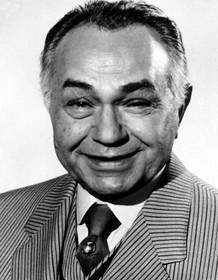
Maurice Tillayou (Edward G. Robinson)
Played by Edward G. Robinson
A fading actor and father watching his daughter's career rise as his own declines. His pride, resentment, and protective instincts contribute to the film's dramatic tension. The dynamic between a once-powerful performer and a younger, rising star offers insight into intergenerational conflict in the entertainment world.
- 🎭 Stage Veteran
-

Orlando Higgens (Eddie Albert)
Played by Eddie Albert
Dishonest writers' agent who sees Daisy's script as a windfall and pursues the deal with oily persistence. His fear of loss drives manipulative tactics and miscommunication. He embodies the opportunistic side of the industry that prioritizes profit over people.
- 💼 Greedy Agent
- DM
Daisy Marcher (Jenny Hecht)
Played by Jenny Hecht
A precocious nine-year-old writer whose screenplay triggers a lucrative offer, highlighting innocence exploited by adults in Hollywood. Her manuscript becomes a catalyst for deals and power plays beyond her understanding. The situation exposes the vulnerability of child creativity in a profit-driven system.
- 👶 Child Prodigy
- JC
J.B. Cobb (George Keymas)
Played by George Keymas
Hollywood mogul who buys the rights to the screenplay and is depicted as a profit-driven operator who previously passed on Gone with the Wind. He embodies the ruthless, deal-making side of the studio era and the commodification of stories.
- 🏛️ Studio Mogul
Where and When Is Actors and Sin Set?
Actors and Sin is set in New York City and Hollywood (1930s–1940s). Here is why the time and place matter to the story.
When
1930s–1940s
Set across the Broadway and Hollywood circuits during the studio era, the film captures a period when stage actors sought fortune amid a growing film industry. During the 1930s and 1940s, theaters and studios were powerful cultural engines, shaping careers with as much risk as reward. Black-and-white productions and sharp satire defined both halves of the film as it lampoons industry practices. The timeline aligns with references such as Gone with the Wind and the appearance of Louis B. Mayer in archive footage, signaling a mid-century Hollywood milieu.
Where
New York City, Hollywood
New York City provides the gritty Broadway world backdrop for Actor's Blood, featuring theatres, rehearsal rooms, and nightlife where ambition and jealousy simmer. In Hollywood's glamour-filled landscape of Woman of Sin, the industry machinery hums with deals, premieres, and behind-the-scenes manipulation. The two settings reflect the contrast between stage reality and film industry spectacle.
- 🗽 New York City
- 🎬 Hollywood
What Are the Themes of Actors and Sin?
3 ideas the story keeps returning to, among them Greed, Art vs Commerce and Illusion vs Reality.
-
01
Greed
Greed drives the plot as producers, writers, and moguls chase profits at the expense of integrity. The Daisy Marcher screenplay becomes a bargaining chip in deals that reveal how money can bend art. The narrative shows a cycle where ambition, power, and commerce corrode trust among artists and executives. Through its satire, the film exposes a system that values marketable sensationalism over genuine craft.
-
02
Art vs Commerce
Two worlds collide: Broadway's live performance ethos versus Hollywood's market-driven machine. The Actor's Blood segment centers on legitimate theater, while Woman of Sin skewers the greed and control of studio executives. Characters navigate pressure to satisfy both audiences and investors, often compromising artistic ethics. The film suggests that both art forms are susceptible to sensationalism and manipulation.
-
03
Illusion vs Reality
Appearances are carefully constructed in both settings, masking insecurities and ambitions. Satire reveals how polished images conceal real motives and personal failings. Script, performance, and public perception intertwine, inviting viewers to question what is genuine. Fame, as portrayed, depends on controlling the narrative as much as the talent.
What Kind of Film Is Actors and Sin?
Whimsical in tone, with steady pacing and a moderate story, going by the plot summary.
- Tone
- Whimsical
- Pacing
- Steady
- Story
- Moderate
- Intensity
- Medium
- Ending
- Ambiguous
A witty and theatrical satire that playfully skewers the vanity and greed of show business through two interconnected tales of downfall and farcical misunderstanding.
- satirical
- witty
- playful
- cynical
- bittersweet
- theatrical
- hollywood satire
- show business
- fame and ego
- father daughter relationship
Where to Watch Actors and Sin
. US availability and prices from JustWatch.
Streaming availability in the US, powered by 


