
The Ron Clark Story 2006


Directed by

Randa Haines
Made by

Old Beantown Films
Where to Watch The Ron Clark Story
See current US streaming, rental, and purchase options for The Ron Clark Story (2006) via JustWatch.

Amazon Prime Video
HD
Amazon Prime Video with Ads
HD
Shout! Factory Amazon Channel
HD
Fawesome
HD
Amazon Prime Video Free with Ads
HD
Plex
HD
Plex Channel
HD
The Roku Channel
HD
Tubi TV
SD
Xumo Play
HD
YouTube Free
HD
Amazon Video
SD Streaming availability powered by 
The Ron Clark Story Plot Summary
Read the complete plot summary and ending explained for The Ron Clark Story (2006). From turning points to emotional moments, uncover what really happened and why it matters.
In 1998, Ron Clark, Matthew Perry, earns a reputation for innovative teaching methods that push his students to excel on tests, and he leaves North Carolina to seek a fresh start in New York City. After a stretch waiting tables, he lands at an inner‑city elementary school in Harlem where students are sorted by their perceived potential. The first days in his sixth‑grade classroom are tense and demanding, as he faces a group of disruptive students who largely ignore his efforts. At one point, he confronts Shameika Wallace — Hannah Hodson — slamming her table as she and many of her peers resist his approach.
A turning point comes when he tours the city with Marissa Vega, Melissa De Sousa, a colleague from his restaurant days. She inspires him to stay, and he gradually shifts from doubt to commitment, choosing to teach in a different way. He spends months building rapport with his students by blending lessons with their hobbies and by striking improvised deals, even as Principal Turner — Ernie Hudson — remains focused on improving test scores that are tied to school funding.
Clark’s method expands beyond the classroom as he introduces creative, engaging ways to cover difficult material. He raps about the Revolutionary War to capture the students’ attention and invites them to participate in learning beyond the traditional setup. In one moment of tension, he arranges a coffee‑shop meeting with Tayshawn Mitchell — Brandon Mychal Smith — only for another student, Julio Vasquez — Micah Williams — to appear, triggering concerns about favoritism that lead to conflict with the foster system. Yet Clark’s willingness to engage personal interests begins to win over some of the more skeptical students.
At Shameika’s apartment, he helps her cook dinner for herself and her siblings while she finishes her homework, a gesture that softens the daughter’s view of school and helps ease the mother’s worries about Clark’s presence in her child’s life. The principal, skeptical of nontraditional methods, presses for results, but Clark’s dedication helps the class steadily improve, even as his health falters: pneumonia sends him to the hospital, an illness that briefly interrupts the momentum.
Back at home with Marissa, he and she record video lessons so the students can continue learning while he recovers, a move that proves crucial when the class’s overall progress is assessed. Upon returning to school, some papers show gains while others lag behind, signaling that more work remains before the state exams. As the state tests approach, Marissa reveals that her colleague Jason — Aaron Grain — is pursuing a job in Los Angeles, and Clark supports his friend’s aspirations while keeping the students focused on their own goals.
Clark buys the students tickets to The Phantom of the Opera on Broadway, hoping to reward their effort and broaden their horizons. When Tayshawn does not show up, he eventually finds him in a nearby alley, where the boy has been hurt by his alcoholic foster father after painting a mural of the Phantom. Clark consoles him and arranges for someone to look after him while he searches for help, underscoring his commitment to the students’ well‑being beyond academics.
Months pass, and the sixth grade not only passes the state exam but achieves the highest scores of Harlem’s classes, a triumph celebrated by families and the school. The students thank Clark for his unwavering dedication, and they begin to rap about the Revolutionary War with renewed energy, their success serving as a living testament to his unorthodox approach. The postscript confirms that the students advance to prestigious schools nationwide, and that Clark’s own program – the Ron Clark Academy – is planned to open in Atlanta in 2007, marking a lasting impact on his career and on the lives of his students.
Clark’s story closes with a reminder of the lasting ties he forms with his students and their families, a testament to the belief that education can be transformative when driven by care, creativity, and steady perseverance.
The Ron Clark Story Timeline
Follow the complete movie timeline of The Ron Clark Story (2006) with every major event in chronological order. Great for understanding complex plots and story progression.
Ron Clark moves to New York to pursue teaching
In 1998, Ron Clark leaves North Carolina to seek a new teaching post in New York City. He spends time waitering between interviews before landing at an urban elementary school in Harlem. He faces a daunting transition from a small town to a high-need classroom.
First challenging days as a sixth-grade teacher
Clark's initial days are rough and the class resists his new methods. The disruptive students struggle with scoring and warm reception is scarce, testing his patience. He struggles to establish authority in Harlem.
Confrontation with Shameika Wallace
During a tense moment in the classroom, Clark vents his frustration at Shameika Wallace by slamming her table, escalating the stress in the room. The outburst exposes the emotional strain of teaching a high-need class. The moment becomes a catalyst for reflection and repair.
Marissa Vega persuades him to stay in teaching
While touring New York City with Marissa Vega, Clark considers resigning from teaching. She convinces him to stay, and he commits to continuing in the classroom. This moment marks a turning point toward a longer-term dedication.
Building relationships through shared interests
Over several months, Clark teaches basic curriculum while earning the students' trust by making deals and engaging in their hobbies. The class begins to respond more positively as connections grow. Clark's approach slowly reshapes the classroom into a collaborative space.
Rapping the Revolutionary War to engage students
Clark presents the Revolutionary War through a creative rap, inviting students to join along. The lesson blends history, music, and performance to capture attention and participation. The approach helps the students see learning as dynamic.
Coffee shop plan leads to a confrontation
Clark asks Tayshawn Mitchell to meet at a coffee shop at noon, but Julio Vasquez arrives and a confrontation ensues over perceived favoritism. The incident strains the boy's circumstances and trust in the system. Mitchell's foster parents subsequently demand that Tayshawn be sent to juvenile detention.
Shameika's home dinner and a mother's warning
At Shameika's apartment, Clark helps cook dinner for her and her siblings, and the moment softens their relationship. Shameika's mother asks Turner to fire him, but Clark convinces her to give him a chance. The scene highlights the delicate balance of support and accountability.
Clark falls ill with pneumonia and is hospitalized
Clark contracts pneumonia while teaching science and is hospitalized for treatment. During his recovery at Marissa's house, he and Marissa record video lessons for the students to learn from at home. This work keeps the class connected while he cannot be in the classroom.
Return to school and mixed test results
Clark returns to the classroom, and some test scores improve, but others remain too low for the state exams that are a week away. He works with students to pull together the final push to pass. The moment underscores the pressure of accountability in urban schools.
State exam and LA audition news
After participating in the state exam, Marissa tells Clark that her colleague Jason has a job audition in Los Angeles and seeks his advice. The class nerves are tempered by this transition toward potential opportunities beyond Harlem. Clark supports colleagues while maintaining focus on his students.
Phantom tickets, Tayshawn found, and Turner takes charge
Clark buys tickets for The Phantom of the Opera for the class, but Tayshawn is missing from the outing. He tracks down Tayshawn in an alley, where the boy has been beaten by his alcoholic foster father after painting a mural of the Phantom. Clark comforts him and arranges care while Turner becomes involved with finding long-term arrangements.
A few months pass and the class shines
In the following months, Turner reveals that the sixth-grade class achieved the state's highest Harlem score. The students celebrate with pride as they rap about the Revolutionary War, recognizing Clark's influence. The entire class solidifies his reputation as an inspirational teacher.
Legacy and future: students prosper and a new academy opens
The students go on to attend prestigious schools across the country. Clark opens the Ron Clark Academy in Atlanta in 2007, symbolizing his ongoing commitment to innovative teaching. He remains personally close with his students and their families long after the classroom.
The Ron Clark Story Characters
Explore all characters from The Ron Clark Story (2006). Get detailed profiles with their roles, arcs, and key relationships explained.
Ron Clark (Matthew Perry)
A determined and inventive teacher who refuses to give up on his students. He blends tough standards with personal attention, earns trust through consistency, and uses humor and creativity to make lessons memorable. His resilience drives dramatic improvements in the sixth-graders' engagement and achievement.
Marissa Vega (Melissa De Sousa)
Clark's colleague who believes in his approach and helps keep him motivated. She helps translate his ideas into classroom practice, including recording video lessons to reach students at home. Her support is crucial to sustaining reform after initial setbacks.
Shameika Wallace (Hannah Hodson)
A 12-year-old student who initially resists Clark but gradually responds to his attention and methods. She embodies the challenges and potential of Harlem students, showing how personal investment can transform behavior and performance.
Principal Turner (Ernie Hudson)
The school principal who prioritizes test scores and stability. He represents the pressures of administration and the demand for measurable results, often clashing with Clark's nontraditional approach. His perspective frames the stakes of reform in the school.
Tayshawn (Brandon Mychal Smith)
A student whose circumstances and talent highlight the gap between potential and opportunity. His journey with Clark includes moments of risk and trust, illustrating how mentoring can steer a student toward better choices.
Julio Vasquez (Micah Williams)
A student involved in a dispute that exposes disparities and favoritism concerns. His interactions with Clark and peers reveal the complexity of mentoring in a multi-ethnic urban classroom.
The Ron Clark Story Settings
Learn where and when The Ron Clark Story (2006) takes place. Explore the film’s settings, era, and how they shape the narrative.
Time period
Late 1990s
The events begin in 1998 as Ron Clark arrives to teach sixth grade in Harlem amid the city’s evolving educational landscape. The film portrays the pressures of standardized testing and achievement during this era, before moving toward later milestones like the opening of the Ron Clark Academy. The period captures urban schooling, community life, and reform efforts at the end of the millennium.
Location
Harlem, New York City
Set in inner Harlem, a dense urban district of New York City, the story centers on a public elementary school where teachers grapple with limited resources, behavior issues, and high-stakes testing. The neighborhood's culture, challenges, and resilience frame the learning environment. The school itself becomes a focal point of hope and reform for students and families.
The Ron Clark Story Themes
Discover the main themes in The Ron Clark Story (2006). Analyze the deeper meanings, emotional layers, and social commentary behind the film.
🎯
Achievement
A core motive is turning around underperforming students by combining discipline with creative, student-centered instruction. The film shows Clark pushing for measurable gains, using unconventional methods to boost confidence and test scores. It highlights perseverance in the face of systemic obstacles.
🤝
Collaboration
The story emphasizes partnerships with colleagues, parents, and the community as essential to student success. Marissa Vega's support and the involvement of families help sustain Clark's methods. It portrays how teamwork can amplify impact beyond the classroom.
🎨
Creativity
Clark's use of rap, performance, and engaging activities shows how creative teaching can illuminate difficult topics. The Revolutionary War rap becomes a tool to capture attention and foster participation. The theme demonstrates education as an art form as well as a discipline.

Coming soon on iOS and Android
The Plot Explained Mobile App
From blockbusters to hidden gems — dive into movie stories anytime, anywhere. Save your favorites, discover plots faster, and never miss a twist again.
Sign up to be the first to know when we launch. Your email stays private — always.
Explore the mobile appThe Ron Clark Story Spoiler-Free Summary
Discover the spoiler-free summary of The Ron Clark Story (2006). Get a concise overview without any spoilers.
Ron Clark is a passionate teacher whose reputation for innovative methods has already transformed students in his small hometown. Yet despite his local success, he feels compelled to seek a greater challenge — one that would push him beyond his comfort zone and test the limits of his approach. He sets his sights on New York City, drawn by a belief that his skills might make the biggest difference where they are needed most.
The school he finds in Harlem represents a world far removed from anything he has experienced. It stands among the toughest educational environments in the city, where students have learned to expect little from the adults who cycle through their lives. Classrooms are defined by resistance and disengagement, and the weight of systemic challenges presses down on everyone within the building’s walls. Widespread doubt surrounds the possibility of meaningful change, and few believe that any single teacher can alter the trajectory of young lives that have already been written off by others.
Undeterred, Clark brings with him a set of unconventional classroom rules and innovative methods born from genuine care and creative instinct. His philosophy centers on the radical notion that students will rise to meet expectations when those expectations are paired with trust, engagement, and respect. But translating that belief into practice in an environment built on skepticism requires more than enthusiasm — it demands a fundamental shift in how education is imagined and delivered.
Based on a true story, the film captures the tension between institutional tradition and the courage to challenge it. It invites viewers into a classroom where the stakes are high, the obstacles are real, and the potential for transformation exists — though nothing is guaranteed. What unfolds is a meditation on perseverance, creativity, and the profound impact one person can have when they refuse to accept the status quo.
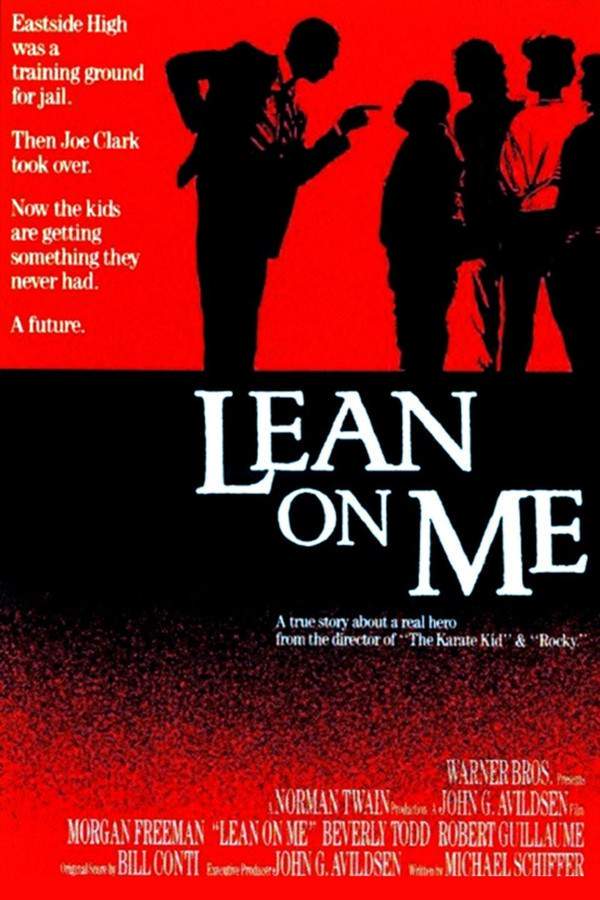
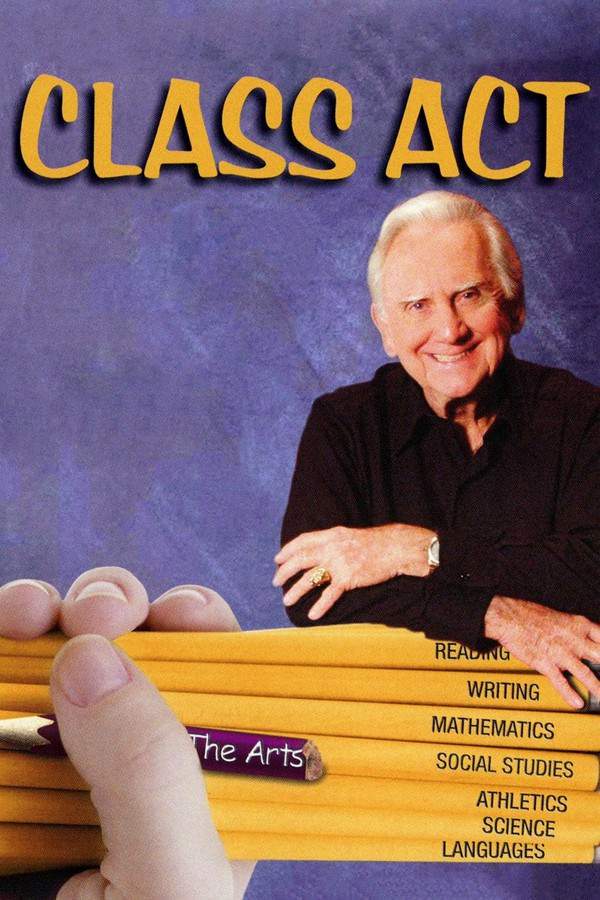
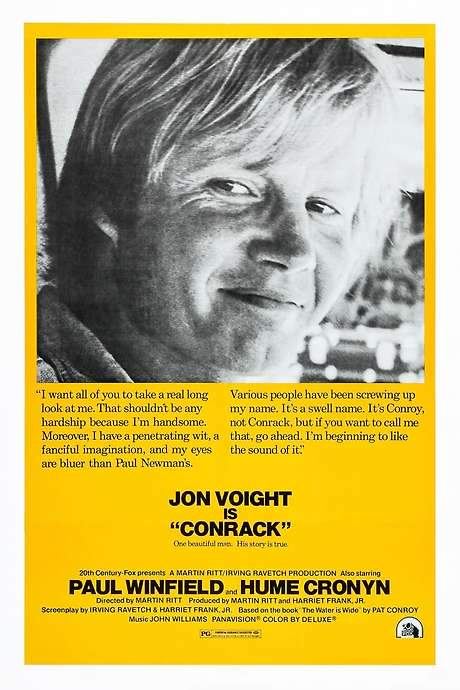
Movies with Similar Twists and Themes
Uncover films that echo the narrative beats, emotional arcs, or dramatic twists of the one you're exploring. These recommendations are handpicked based on story depth, thematic resonance, and spoiler-worthy moments — perfect for fans who crave more of the same intrigue.


Featured on this page

What's After the Movie?
Not sure whether to stay after the credits? Find out!
Check out our other apps:

SAT Sphere
Build confidence for the Digital SAT.

Mori Atlas
Discover wild places worth protecting.

Luntero
Search smarter for a home in Amsterdam.

Plot Explained
Unravel movie endings and hidden clues.

Pokechamp
Dive into Pokémon data and battle logic.

Driving Theory
Get ready for your European theory test.

Movie Dust
Plan your next cinema trip with ease.

Musemap
Find art and culture as you travel.

Selkobase
Compare credentials before committing.

Local Manual
Turn an unfamiliar country into practical next steps.

Lernavi
Compare school systems before your next move.

GymRoam
Find a workout stop wherever your plans take you.
Explore Our Movie Platform
New Movie Releases (2026)
Famous Movie Actors
Top Film Production Studios
Movie Plot Summaries & Endings
Major Movie Awards & Winners
Best Concert Films & Music Documentaries
Movie Collections and Curated Lists
© 2026 What's After the Movie. All rights reserved.
Privacy Policy