What Is The Plague About?
The premise of The Plague in 302 words, with nothing given away. The full story follows below.
In the sweltering heat of a 2003 summer, a secluded water‑polo camp becomes the backdrop for a quiet boy’s attempt to find his place. Ben, a socially anxious twelve‑year‑old, arrives hopeful yet uncertain, thrust into a tight‑knit world where hierarchies are enforced with the same intensity as the sport itself. The camp’s rhythm is dictated by relentless drills, sweaty afternoons by the pool, and an unspoken code that measures worth by conformity and bravado.
At the heart of the camp’s social order is Jake, the charismatic leader whose confidence masks a volatility that keeps everyone on edge. Around him circles a group whose loyalty is as fluid as the water they train in, and whose amusement often rides on the misfortune of those who stand out. Among the boys is Eli, an eccentric misfit plagued—both literally and figuratively—by a mysterious skin condition that earns him a cruel nickname. The illness becomes a mythic label, a twisted rite that the campers use to cement their own identities while projecting fear onto the other.
Guiding the whole operation is the gruff coach known only as Daddy Wags. His blunt demeanor and terse pep talks create an atmosphere where empathy is scarce and the line between encouragement and intimidation blurs. Under his watch, the camp’s routine feels like a perpetual initiation, a game that escalates from harmless teasing to something more unsettling, especially as rumors about “the plague” spread like a silent contagion among the boys.
Caught between the desire to belong and the growing discomfort with the cruelty that surrounds him, Ben navigates a world where every splash of water and whispered gossip carries weight. The summer becomes a crucible of anxiety and curiosity, hinting at deeper truths hidden beneath the surface of the sport and the collective desire to survive—both socially and personally.
What Happens in The Plague?
The complete story of The Plague, from the first scene to the last, in 457 words (about 2 minutes). Spoilers throughout. Names in the text link to 3 cast member pages.
Spoilers ahead
In 2003, middle schooler Ben Everett Blunck attends an all-boys water polo summer camp run by the blunt, hard-edged coach known as “Daddy Wags.” The camp’s social life revolves around the popular Jake Kayo Martin and his tight-knit circle, with Eli Kenny Rasmussen treated as the eccentric misfit who suffers from severe eczema. The others nickname Eli “the plague,” elevating his condition to a mythical stigma that they pretend to fear and laugh at, even as it deeply wears on him.
Desperate to belong, Ben tries to befriend Jake, which drags him further into the group’s cruelty toward Eli. As Ben grows conflicted—feeling complicit in the bullying yet moved by Eli’s quiet resilience—he begins to privately connect with Eli, even as he remains unsettled by Jake’s volatile temper and the urge to fit in at any cost. The tension escalates when Jake circulates a rumor that Ben has contracted the plague from Eli, and the rest of the camp shuns him. Ben denies the accusation, but a spreading rash signals that the social damage may be symbolic of something more fragile forming inside him.
Humiliation peaks after a night marked by a disturbing wet dream, and Ben tries to flee the camp. Daddy Wags offers a lukewarm pep talk that ends up doing little to ease the mounting pressure. The following day, Ben sees Daddy Wags rebuking Jake in private; Jake later suspecting that Ben has sided with Eli, the bullying intensifies. That night, the boys retaliate in a brutal prank, filling Ben’s bed with cockroaches and trapping him as punishment for his perceived betrayal. The cruelty continues during a practice game, where Ben plays with unrestrained gusto against Jake, scratching him and drawing blood. In retaliation, Jake lands a brutal punch and nearly drowns him, and Ben is expelled from the program.
The camp hosts a co-ed dance, a rare moment of communal cheer that highlights Eli’s ongoing isolation—he dances alone with a cardboard cutout he found earlier. Frustrated by Eli’s stubborn refusal to conform, Ben breaks the cutout, triggering Eli to retreat to the locker room. Ben trails after him, and a heated exchange ensues: Eli’s vulnerability is laid bare, and he ultimately cuts off one of his own fingers with a pair of scissors before leaving for the hospital with Daddy Wags. Ben re-enters the dance covered in Eli’s blood, and, witnessing Eli’s raw openness, he sheds his own restraint and begins to dance in the same wild, uninhibited way Eli had earlier, ignoring the stares and judgments of those around him. Through these events, Ben’s empathy deepens, and he experiences a moment of release that mirrors Eli’s fearless authenticity, signaling a painful but powerful turn away from cruelty toward a more honest self-expression.
The Plague Timeline: Every Key Event in Order
12 key events in the order they happen, from “Ben arrives at the summer water polo camp” to “End of summer and a new Bennet self-acceptance”. 12 events name a place, across 11 locations.
- 1
Ben arrives at the summer water polo camp
Ben arrives at the all-boys water polo camp and meets the staff and campers, including Daddy Wags, Jake, and Eli. He is anxious to fit in and watches the social dynamics closely. He hopes to find a place where he belongs among the peers.
When:Summer 2003 Where:All-boys water polo summer camp
- 2
Ben tries to fit in by befriending Jake
Desperate to belong, Ben tries to align with Jake and his friends. He goes along with their exclusion of Eli and begins to participate in the bullying. The dynamic reveals the hierarchy and the cruelty that comes with wanting acceptance.
When:Day 1 Where:Camp grounds
- 3
Rumor of the plague targets Ben
Jake starts a rumor that Ben contracted the plague from Eli, and the accusation spreads through the group. Ben finds himself increasingly isolated as friends and bystanders avoid him. He also notices a rash appearing on his own body, amplifying his fear and humiliation.
When:Day 2 Where:Camp grounds
- 4
Ben's humiliation after a night incident
Following a humiliating incident after a wet dream, Ben considers running away from the camp. Daddy Wags delivers a lukewarm pep talk that urges him to stay for now. The moment deepens Ben's internal conflict about belonging and self-worth.
When:That night Where:Camp dormitory
- 5
Daddy Wags privately reprimands Jake
The next day, Ben witnesses Daddy Wags reprimanding Jake in private, and Jake denies involvement when later confronted. The exchange hints at a tension between leadership and the group’s behavior. The seed of conspiracy and resentment grows beneath the surface.
When:Next day Where:Coach's area
- 6
Cockroach prank traps Ben in his bed
That night, Jake and the others execute a revenge prank by filling Ben's bed with cockroaches and trapping him inside. The attack is designed to humiliate and further isolate him from the camp. Ben endures the torment while the mob seems to relish their power.
When:That night Where:Dormitory
- 7
Ben and Jake clash during a practice game
During a practice game, Ben plays aggressively against Jake, scratching him and drawing blood. In retaliation, Jake punches Ben and attempts to drown him, leading to Ben's expulsion from the program. The confrontation marks a dramatic turning point in the camp's dynamics.
When:During practice Where:Practice field
- 8
Co-ed dance reveals Eli's outsider status
The camp hosts a co-ed dance, during which Eli dances alone with a cardboard cutout he'd found earlier. His continued outsider status is highlighted by his isolation from the others. The scene underscores Eli's ongoing loneliness within the camp environment.
When:Evening Where:Camp dance venue
- 9
Ben confronts Eli after breaking the cutout
Ben breaks Eli's cardboard cutout, prompting Eli to depart to repair it. Ben follows him to the locker room and berates him for not fitting in, arguing that nobody will befriend him if he remains himself. The confrontation sharpens the rift between them.
When:That evening Where:Locker room
- 10
Eli cuts off a finger and goes to the hospital
In a distraught moment, Eli cuts off one of his fingers with a pair of scissors and leaves for the hospital with Daddy Wags. The act reveals the depth of his pain and how unseen torment can drive someone to drastic action. Ben's presence feels incidental as chaos unfolds around him.
When:Later that night Where:Hospital
- 11
Ben returns to the crowd and dances freely
Back at the event, Ben appears covered in Eli's blood and begins to dance in the same wild, uninhibited way Eli showed earlier. He ignores the stares of the others and expresses himself without restraint. The moment signals a breakthrough in Ben's self-acceptance.
When:That night Where:Dance floor
- 12
End of summer and a new Bennet self-acceptance
As the summer ends, the traumatic events leave a lasting impression on Ben. He steps into personal growth by embracing his own movement and refusing to be defined by others' cruelty. The film closes with a sense of resilience and uncertain optimism for his future.
When:End of summer Where:Camp
Who Are the Main Characters in The Plague?
10 characters, among them Ben (Everett Blunck), Jake (Kayo Martin) and Eli (Kenny Rasmussen): who each one is and the part they play in the story. Every profile links to the actor’s page.
- B(
Ben (Everett Blunck)
Played by Everett Blunck
Ben is a middle schooler who starts out eager to fit in with Jake’s group, which leads him into participating in the bullying of Eli. He experiences guilt as he witnesses Eli’s outsider status and gradually grows empathy. A pivotal arc shows him confronting the dynamics of the camp and choosing a more compassionate path, even amid social pressures. His transformation culminates in a dance that mirrors Eli’s uninhibited spirit.
- 🌀 teenager
- 📚 self-discovery
- 💔 peer-pressure
- J(
Jake (Kayo Martin)
Played by Kayo Martin
Jake is a popular, callous member of the camp’s social circle who leads the exclusion of Eli and spreads rumors. He embodies the aggressive hierarchy that triggers fear and division among the campers. His actions escalate to physical confrontation and a harsh attempt to assert dominance. Jake’s bullying sets the central conflict of the story, forcing others to choose sides.
- 👊 bully
- 🧭 leadership
- 🧪 rivalry
- E(
Eli (Kenny Rasmussen)
Played by Kenny Rasmussen
Eli is the misfit of the group, defined by his severe eczema and outsider status. He Endures taunts while showing quiet resilience and a stubborn sense of self. He uses a cardboard cutout as a symbol of his individuality and dances with it after being spurned by the others. His presence challenges the other boys to confront their judgments and empathy.
- 🌟 outsider
- 🩹 resilience
- 🧴 eczema
- C(
Corbin (Kolton Lee)
Played by Kolton Lee
Corbin is part of Jake’s circle, contributing to the group’s dynamic and the bullying atmosphere. He represents the social pressure to conform and participate in the exclusion of Eli and Ben. His actions illustrate how peer influence can reinforce cruelty unless challenged by a turning point.
- 🤝 peer-pressure
- 🧭 follower
- 🕹 group-dynamics
- J(
Julian (Lennox Espy)
Played by Lennox Espy
Julian is another member of the camp’s social set aligned with the group that excludes Eli and later Ben. He embodies the early-2000s teen culture that prizes popularity and belonging over empathy. As events unfold, his stance helps to reveal the moral complexity within the group.
- 👥 popularity
- 🧭 conformity
- 🧩 social-dynamics
- M(
Matt (Caden Burris)
Played by Caden Burris
Matt is part of Jake’s friend group, contributing to the camp’s social hierarchy and the teasing environment. He mirrors how easily bystanders can become participants when a social ritual is involved. His actions help dramatize the pressures of group approval.
- 🧍 bystander
- 🧪 social-hierarchy
- 🧱 peer-pressure
- L(
Logan (Lucas Adler)
Played by Lucas Adler
Logan is another member of the upper-tier camp crowd who engages in the group dynamics that shape Ben’s experience. He helps illustrate how reputations are formed and sustained in competitive youth cultures. His presence adds to the sense of a tightly-knit but fragile social order.
- 👤 status
- 🧷 youth-culture
- 🕊 conformity
- TT
Tic Tac (Elliott Heffernan)
Played by Elliott Heffernan
Tic Tac is a distinctive member of Jake’s crew, contributing to the group’s energy and the obstacles Ben faces. The character represents the cohesiveness of the circle that polices behavior and excludes Eli and Ben. His role helps drive the tension and the eventual moral reckoning.
- 🎯 enforcer
- 🧩 team-dynamics
- 🌀 subgroup
-
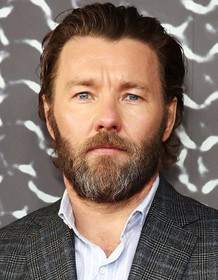
Daddy Wags (Joel Edgerton)
Played by Joel Edgerton
Daddy Wags is the camp coach who navigates the tension between discipline and support. He reprimands Jake privately and offers a moment of accountability in the group. He also escorts Eli to the hospital after a violent incident, underscoring the stakes of the boys' behavior and Ben’s evolving sense of responsibility.
- 🏆 authority
- 🧭 mentorship
- 🛟 responsibility
- SC
Special Cameo (Arianna Baraitaru)
Played by Arianna Baraitaru
A brief cameo appearance by Arianna Baraitaru's character at the camp, adding a moment of contrast to the male-centric setting. The exact role is not central to the main plot but contributes to the camp's atmosphere of social interaction.
- 🎬 cameo
- 🧩 side-plot
- 🕰 brief
Where and When Is The Plague Set?
The Plague is set in All-boys water polo summer camp (2003). Here is why the time and place matter to the story.
When
2003
Set in 2003, the story unfolds over a summer camp season for middle schoolers. The year anchors the social dynamics of early-2000s teen culture, where in-person interactions and peer pressure drive much of the action. Ben's internal conflict and eventual shift toward empathy are framed by this period's expectations of masculinity and belonging.
Where
All-boys water polo summer camp
The setting centers on an all-boys water polo summer camp with a pool, dorm-style housing, and a coaching staff. The facility becomes a compact social world where friendships form, rivalries emerge, and the boundaries of inclusion are tested. The locker rooms and practice fields illustrate how quickly group dynamics can shift, climaxing in a co-ed dance that heightens the social stakes.
- 🏊 Water polo
- 🏕 Summer camp
- 👥 Drama
What Are the Themes of The Plague?
3 ideas the story keeps returning to, among them Bullying, Identity and Empathy.
-
01
Bullying
The film centers on how a dominant group enforces exclusion, turning Eli into a target and pressuring Ben to participate. It shows how cruelty can be normalized in a peer group and the damage it does to victims and bystanders alike. The turning point comes when Ben reassesses his actions and chooses empathy over conformity. The consequences of the bullying drive the narrative toward accountability and change.
-
02
Identity
Eli’s outsider status highlights the pressures of fitting in within a male-dominated camp culture. The film explores masks people wear to maintain social standing, and how true self-expression can clash with group expectations. Ben’s awakening involves recognizing the humanity of someone who looks or behaves differently. The clashing identities push characters toward moments of vulnerability and truth.
-
03
Empathy
Ben shifts from complicity to allyship as he grows aware of Eli’s experiences and pain. The story shows how empathy can emerge from shared moments and private conversations, even when it costs him social standing. The climax demonstrates that understanding others’ suffering can redefine a person’s actions. The final dance scene crystallizes a new, compassionate impulse that replaces cruelty.
What Kind of Film Is The Plague?
Dark in tone, with steady pacing and a moderate story, going by the plot summary.
- Tone
- Dark
- Pacing
- Steady
- Story
- Moderate
- Intensity
- High
- Ending
- Ambiguous
An oppressively tense and unsettling drama about adolescent cruelty and psychological unraveling, where the line between a cruel joke and a genuine threat blurs with disturbing consequences.
- anxious
- oppressive
- unsettling
- claustrophobic
- melancholic
- grim
- coming of age
- bullying and hazing
- psychological distress
- groupthink
Content notes: bullying, self harm, psychological abuse, hazing, child endangerment.
Quiz
How well do you remember The Plague? Test yourself on the story.