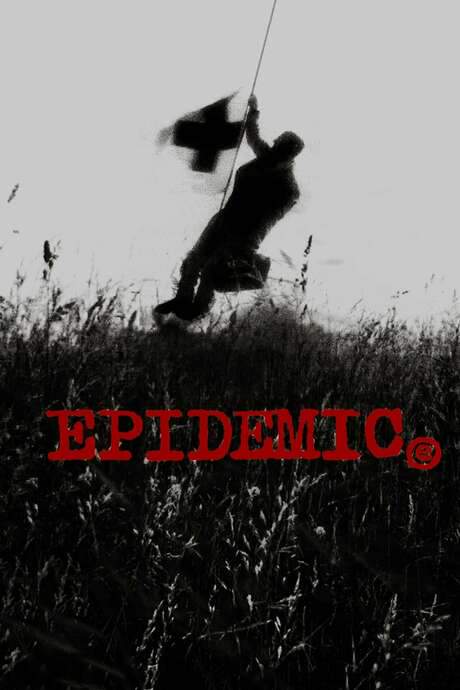
What Is Epidemic About?
The premise of Epidemic in 282 words, with nothing given away. The full story follows below.
In a cramped loft where drafts litter the floor and the hum of late‑night typewriters mixes with the city’s restless pulse, a director and a screenwriter set out to pen a story about a disease that could sweep the globe. Their collaboration is as much a negotiation of ego and vision as it is a venture into a concept that feels both imagined and oddly imminent. The film’s world balances the ordinary grind of creative work with an undercurrent of unease, hinting that the line between fiction and reality may be thinner than the paper they write on.
Lars brings the restless energy of a filmmaker who is constantly chasing the perfect visual language, while Niels supplies the razor‑sharp wit and structural rigor of a seasoned screenwriter. Their banter oscillates between playful rivalry and genuine partnership, each pushing the other to confront uncomfortable questions about responsibility and art. Across town, Mesmer, a doctor whose idealism clashes with the rigid expectations of his institution, offers a grounded, scientific counterpoint to the duo’s speculative narrative. Their paths intersect in moments that feel both coincidental and purposeful, setting up a dynamic where professional ambition and personal conviction tug at one another.
The tone is deliberately taut, weaving dry humor with a creeping sense of dread. Cinematic details are rendered with a muted palette that mirrors the Danish sensibility of restraint, yet the story’s meta‑layer—characters writing about a spreading illness while hints of a parallel outbreak linger—injects a palpable tension. As the script evolves, the loft becomes a micro‑cosm of a world on the brink, leaving the audience to wonder whether the crisis is merely a plot device or an echo of something far more real.
What Happens in Epidemic?
The complete story of Epidemic, from the first scene to the last, in 335 words (about 1 minute). Spoilers throughout. Names in the text link to 3 cast member pages.
Spoilers ahead
In a metafictional retelling of the film that unfolds over five days, the opening day follows screenwriters Lars von Trier and Niels Vørsel as they discover they have lost the only copy of a script they are writing — a film-within-a-film titled Kommisæren Og Luderen, a sly nod to The Element of Crime. They decide to pivot and write a new script about an epidemic: the outbreak of a plague-like disease. A central figure is a doctor, Mesmer, who, defying the local Faculty of Medicine, travels to the countryside to aid those in need. As the days pass, the events described in their script begin to merge with actual, unfolding incidents of a similar illness in the real world.
Lars von Trier and Niels Vørsel travel to Germany, where they encounter Udo Kier who recounts the Allied bombing of Cologne during World War II, a memory that blurs the line between fiction and history.
After this journey, Niels goes to a hospital for a minor surgical procedure. In that same setting, he urges Lars to visit Palle, a pathologist performing an autopsy on a man who recently died from an unknown disease. The narrative then moves toward its final day: the two writers host a dinner with their producer, and they reveal the conclusion of their film — that Mesmer and his medical kit have spread the disease. The producer, however, dismisses the short twelve-page script as lacking violence, heavy deaths, and substantial subplots, a critique that mirrors a common wish in Danish cinema.
As if to assist, a hypnotist and a woman arrive at the house to “help” finalize the writing, but the woman is consumed by visions from the script — visions that begin to mirror real life. She cries out in terror, and soon everyone realizes she has contracted the very disease spreading around them. The tension escalates as she dies by suicide with a fork, another resident of the house succumbs, and Niels himself begins to show symptoms of the illness.
Epidemic Timeline: Every Key Event in Order
12 key events in the order they happen, from “Loss of the script copy” to “Second death and onset of illness in Niels”. 12 events name a place, across 9 locations.
- 1
Loss of the script copy
Lars and Niels discover they have lost the only copy of their film script Kommisæren Og Luderen. They decide to write a new screenplay about an outbreak of a plague-like disease. The loss triggers a metafictional loop where elements of their imagined story begin to intersect with real events.
When:Day 1, morning Where:Danish city, writers' studio
- 2
Starting a new epidemic story
They begin drafting a new script focused on an epidemic, building a narrative that mirrors the looming crisis. The project absorbs their attention and begins to influence how they view the world around them. The line between fiction and reality starts to blur.
When:Day 1, afternoon Where:Danish city
- 3
Dr Mesmer travels to the countryside to aid
Doctor Mesmer defies the Faculty of Medicine's objections and travels to the countryside to help people. He acts on his sense of duty despite institutional resistance. His journey foreshadows the real world outbreak that echoes in the script.
When:Day 1-2 Where:Countryside
- 4
Parallels between script and reality emerge
As days pass, the events of the new script begin to blur with actual disease cases appearing in society. The system of symptoms, outbreaks, and investigations mirrors the imagined plot. The writers watch the world echo their own story.
When:Day 2 Where:Unknown city
- 5
Lars and Niels travel to Germany
The duo travels to Germany seeking new material and encounters locals who recount wartime memories. Their journey provides historical texture that enriches the epidemic narrative. The trip intensifies the intertwining of fiction and reality.
When:Day 3 Where:Germany
- 6
Meeting Udo Kiev
In Germany they meet Udo Kiev, who describes the Allied bombing of Cologne during World War II. His memories add a deeper sense of catastrophe and human response. The encounter connects past devastation to the present outbreak in the writers' minds.
When:Day 3 Where:Germany
- 7
Return and hospital visit
After the trip, Niels goes to a hospital for a minor surgical procedure. He tells Lars to visit Palle, a pathologist who is performing an autopsy on a man who recently died from an unknown disease. The sequence links medical investigation with the unfolding outbreak.
When:Day 4 Where:Hospital; pathologist's lab
- 8
Autopsy of unknown disease victim
Palle conducts the autopsy, detailing the mysterious disease and offering clues about its pathology. The clinical examination adds a layer of realism to the story and foreshadows the real events. Lars becomes involved as the autopsy results emerge.
When:Day 4 Where:Pathology lab
- 9
Dinner with the producer and ending revelation
On the last day, Lars and Niels have dinner with their producer and reveal the ending: Mesmer and his medical kit have spread the disease. The producer dislikes the short twelve-page script for lacking violence and subplots. The revelation heightens the metafictional tension between creation and reality.
When:Day 5, evening Where:Producer's house
- 10
Hypnotist and a woman arrive to help
A hypnotist and a woman arrive to help finish the script, but the woman is overwhelmed by visions becoming real. The woman screams and cries as the imagined events intrude on the present. The atmosphere grows increasingly unstable.
When:Day 5, evening Where:Writers' house
- 11
The woman's collapse and suicide
The woman is overwhelmed by the script's visions and tries to cope with the reality they reveal. She screams and cries as the imagined events intrude on everyday life. She commits suicide with a fork, marking the first fatal consequence of the collapsing boundaries between fiction and disease.
When:Day 5, late evening Where:Writers' house
- 12
Second death and onset of illness in Niels
Another woman who shares the house with Lars and Niels dies, and Niels begins showing symptoms of the disease. The boundary between the film and real life has collapsed, turning their metafictional project into a dangerous contagion. The closing sequence leaves the characters facing an unstoppable epidemic.
When:Day 5, night Where:Writers' house
Who Are the Main Characters in Epidemic?
4 characters, among them Lars (Lars von Trier), Niels Vørsel and Dr. Mesmer: who each one is and the part they play in the story. Every profile links to the actor’s page.
-

Lars (Lars von Trier)
Played by Lars von Trier
A screenwriter figure who contends with the loss of a script and the creation of a new epidemic-centered narrative. He navigates the film’s metafictional layers, reflecting on authorship, obligation, and the way fiction can reflect or distort reality.
- 🧑💼 Screenwriter
- 🧠 Reflective
- 🗣️ Meta-narrative
- NV
Niels Vørsel
Played by Niels Vørsel
The co-writer who witnesses the unfolding disease plot and its encroachment on their fiction. He becomes entangled in the investigation of the illness’s origins and the ethical implications of their storytelling.
- 🧭 Co-writer
- 🕵️♂️ Investigator
- 🧩 Narrative integration
-
Dr. Mesmer
Played by Lars von Trier
A doctor who goes against the Faculty of Medicine to aid the sick in the countryside. His medical kit and actions become central to the plot, raising questions about medical ethics and the consequences of acting outside established rules.
- 🧪 Doctor
- 🩺 Rebel
- 🧭 Medical ethics
-
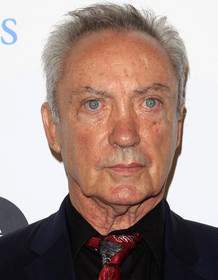
Udo Kiev (Udo Kier)
Played by Udo Kier
A guest who recounts the Allied bombing of Cologne, providing historical context that threads into the epidemic narrative. His narration links war memory to contemporary fears of disease.
- 🗺️ War memory
- 🗣️ Narrator
- 🧭 Historical context
Where and When Is Epidemic Set?
Epidemic is set in Cologne, Germany and German countryside (1980s). Here is why the time and place matter to the story.
When
1980s
The events unfold in a contemporary late-20th-century setting, as screenwriters attempt to draft a new script about an epidemic. The plot alternates with historical references, notably World War II and the bombing of Cologne, suggesting a dialogue between past and present. This temporal layering situates the film within a period when metafiction and self-referential cinema were prominent. The shifting timeline highlights how memory shapes fear and narrative form.
Where
Cologne, Germany, German countryside
The narrative shifts between urban Cologne and the surrounding countryside, grounding the epidemic in a real European setting. Cologne’s wartime memory, including the Allied bombing, provides a historical texture that bleeds into the present-day metafiction. Rural scenes emphasize isolation and the strain of caring for the ill outside established institutions. The blending of medical spaces with domestic interiors mirrors the film’s meta approach to storytelling.
- 🗺️ Europe
- 🏥 Medical history
- ⚔️ War history
- 🌆 City setting
What Are the Themes of Epidemic?
3 ideas the story keeps returning to, among them Epidemic, Metafiction and Ethics in Medicine.
-
01
Epidemic
The outbreak drives the action, tracing how fear and contagion spread through communities. Illness acts as a catalyst that tests limits of social order and medical response. The line between fiction and reality blurs as the script mirrors real events, intensifying the sense of danger.
-
02
Metafiction
A film within a film explores how writers shape reality, while reality intrudes on the narrative they create. The characters debate endings and plot turns, only to see those lines of fiction begin to manifest in real-world consequences. This meta-structure interrogates authorship, responsibility, and the power of storytelling.
-
03
Ethics in Medicine
Mesmer’s defiance of the Faculty of Medicine probes medical autonomy and the moral costs of spiritual and practical intervention. The spread of the disease through medical means becomes a warning about hubris and liability. The story questions who bears responsibility when urgent action overrides caution, and how blame shifts as tragedy unfolds.
What Kind of Film Is Epidemic?
Dark in tone, with variable pacing and a complex story, going by the plot summary.
- Tone
- Dark
- Pacing
- Variable
- Story
- Complex
- Intensity
- High
- Ending
- Bleak
A disorienting and claustrophobic descent into a surreal nightmare where the boundaries between a fictional screenplay and a terrifying reality violently collapse, creating a deeply unsettling and bleak viewing experience.
- surreal
- anxious
- oppressive
- metafictional
- disorienting
- bleak
- film within a film
- disease outbreak
- artistic creation
- reality vs fiction
Content notes: suicide, disease outbreak, autopsy, male frontal nudity.
Quiz
How well do you remember Epidemic? Test yourself on the story.