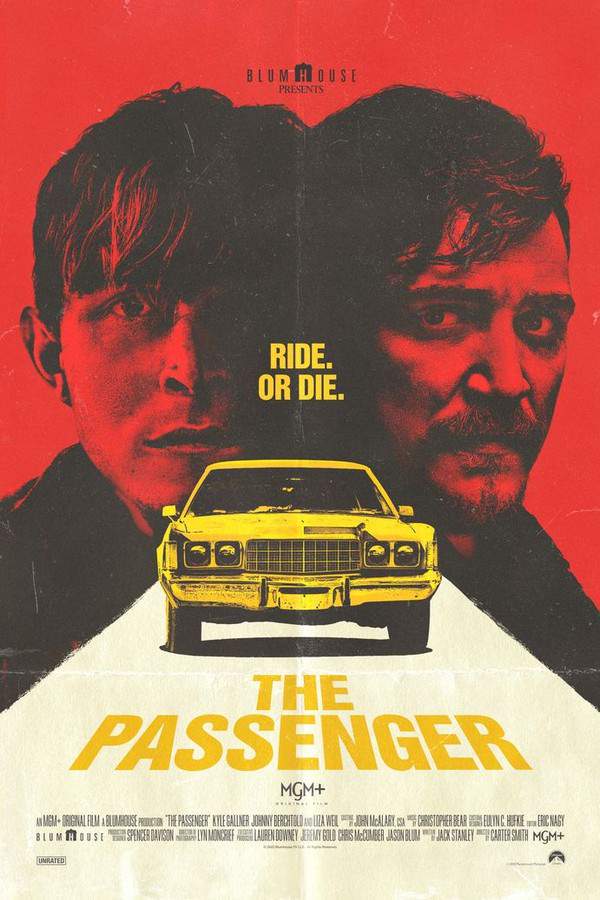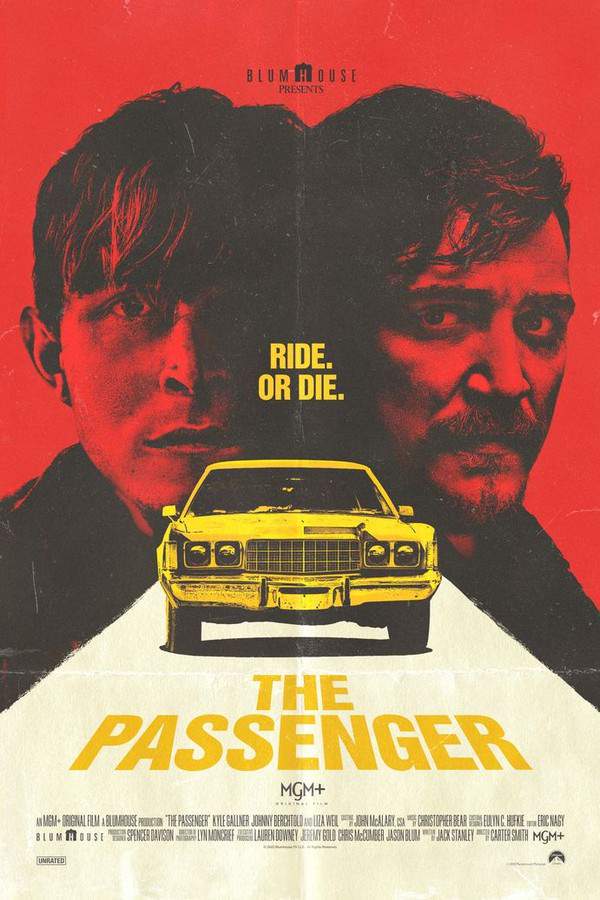
What Is The Passenger About?
The premise of The Passenger in 275 words, with nothing given away. The full story and the ending follow below.
In the slow‑moving heat of rural Louisiana, a modest fast‑food restaurant becomes the unlikely heart of a quiet community. The low hum of neon signs and the clatter of kitchen equipment set a backdrop that feels both intimate and isolated, a place where routine masks the undercurrents of unspoken tension. The film’s atmosphere leans into a brooding, almost palpable stillness, punctuated by the distant chirp of cicadas and the occasional rumble of a passing truck, hinting that even the most unassuming corners can harbor unease.
Randy Bradley drifts through this world with a deliberate desire to stay invisible. A young employee on the brink of a promotion, he endures relentless teasing from coworkers, his yearning for a simple, orderly life constantly undermined by subtle harassment. Beneath his reserved exterior lies a past he’s never fully confronted—a collection of regrets and familial pressures that have taught him to keep his feelings sealed. His quiet strength is defined more by what he refuses to say than by any overt display of confidence, making his internal struggle the film’s quiet engine.
When an unexpected, violent outburst erupts within the restaurant’s cramped walls, the fragile equilibrium shatters, thrusting Randy into a situation far beyond his control. Suddenly forced to navigate a sudden surge of chaos, he must grapple with the shadows of his own history while trying to survive the present turmoil. The story teeters between dread and uneasy hope, suggesting that the darkness he confronts may be rooted in forces far larger than his personal demons, and that his path forward will demand a reckoning with both external threats and the buried pain that has long defined him.
What Happens in The Passenger?
The complete story of The Passenger, from the first scene to the last, in 698 words (about 3 minutes). Spoilers throughout. Names in the text link to 2 cast member pages.
Spoilers ahead
Randolph “Randy” Bradley, portrayed by Johnny Berchtold, is a young fast food employee residing in the tranquil yet isolated surroundings of rural Louisiana. He is on the verge of receiving a promotion to manager, yet he finds himself the target of relentless bullying from his co-workers, particularly Chris and Jess. During one fateful day, Kyle Gallner, who plays the volatile character of Benson, witnesses the disparagement Randy faces and decides to step in. Unfortunately, his attempt to assist Randy leads to a confrontation with Chris, who warns him to back off. Rather than retreating, Benson returns to his vehicle, retrieves a double-barrelled shotgun, and embarks on a shocking rampage, leaving a trail of carnage while sparing only Randy’s life.
Following the gruesome events, Randy feels compelled to assist Benson in cleaning up. Together, they place the bodies in the restaurant’s freezer and make the hasty decision to close up shop early, transitioning from the chaos of violence to the stillness of their grim task. Eventually, they head to a nearby diner, where an inquisitive Randy attempts to unpack the motivations behind Benson’s shocking behavior. In response, Benson makes a candid remark about a waitress, revealing his skewed perspective on potential and success: he believes that Randy possesses the ability to not only change but also thrive. He bluntly states that Randy is “fixable,” setting into motion a peculiar mentorship.
Benson’s unconventional style takes a darker turn when he introduces Randy to his mother for an errand that entails providing food and cigarettes. In a chilling moment, Benson corners Randy and aggressively critiques his mother, highlighting a troubling dynamic. Their escapade takes an alarming twist as Benson asserts his belief that he must inflict pain on Randy to instill life lessons, categorizing his actions as essential for Randy’s growth. The duo embarks on a quest to confront Randy’s past, which leads them to a mall where they encounter Lisa, Randy’s ex-girlfriend. She provides insight into their ill-fated relationship, pinpointing Randy’s apathy as the crux of their breakup.
During a reflective moment in the parking lot, Randy divulges a pivotal childhood memory involving his second-grade teacher, Mrs. Beard, who was the recipient of an unfortunate incident where Randy accidentally caused her to lose an eye. The trauma from that moment left lasting scars on both their lives. While discussing this, Randy recognizes that his prior inability to express feelings stems from the regret of having hurt others, further exacerbated by the controlling nature of his mother.
Determined to reconcile with his past, Benson drives Randy to the school where Mrs. Beard works. Their search ends at her home, and upon meeting her, Randy discovers that she holds no animosity towards him and that her life has taken a positive turn despite her hardship. Yet, shortly after their meeting, the impending ramifications of Benson’s violent spree loom large when Mrs. Beard receives shocking news about the vice principal’s brutal beating, a direct consequence of Benson’s earlier aggression.
As tensions rise, the trio returns to the diner, where the tension comes to a head. In a fit of rage, Benson shoots the waitress, provoking a flurry of chaos as police sirens begin to echo outside. Mistaking the situation for a betrayal, Benson tries to turn his weapon on Mrs. Beard but inadvertently injures Randy in the process. In a moment of clarity, Randy confesses that he was the one to contact the police, having covertly taken Mrs. Beard’s phone. Recognizing the end of his volatile journey, Benson contemplates his own life, reflecting on the emptiness that has shadowed his existence since childhood. Ultimately, he opts for a tragic resolution, stepping outside to confront a reality he can no longer bear, leading to his demise at the hands of the law.
In the aftermath, we see Randy engaging playfully with Mrs. Beard’s daughter, symbolizing a newfound sense of freedom and agency in his life. With a courageous phone call, he finally asserts himself against his overbearing mother, indicating a significant personal growth and a desire to take control of his own destiny. This emotional evolution marks a departure from the turmoil he faced earlier, culminating in a powerful statement of self-realization and empowerment.
The Passenger Timeline: Every Key Event in Order
15 key events in the order they happen, from “Randy's Workplace Bullying” to “Randy's New Beginning”. 15 events name a place, across 9 locations.
- 1
Randy's Workplace Bullying
Randolph 'Randy' Bradley works at a fast food restaurant in rural Louisiana and is slated for a management promotion. Despite this, he is bullied by his coworkers, Chris and Jess, illustrating a toxic work environment that exacerbates his indecisiveness.
Where:Louisiana
- 2
Benson Intervenes
Witnessing Randy being bullied, Benson steps in to defend him. After facing threats from Chris if he interferes, he leaves to retrieve a shotgun from his car, showcasing the drastic measures he is willing to take to protect Randy.
Where:Fast Food Restaurant
- 3
The Shooting Spree
Benson returns and initiates a shocking shooting spree, killing everyone in the fast food restaurant except for Randy. This pivotal moment sets the stage for the bizarre partnership that unfolds between the two men.
Where:Fast Food Restaurant
- 4
Cleaning the Scene
After the massacre, Randy reluctantly helps Benson clean up the gruesome scene. They hide the bodies in the freezer and prematurely close the restaurant, indicating their descent into an extreme moral ambiguity.
Where:Fast Food Restaurant
- 5
Conversation at the Diner
The duo drives to a nearby diner where Randy questions Benson about his violent actions. Benson insults the waitress, revealing his cynical worldview, but also expresses his belief that Randy has the potential to change.
Where:Diner
- 6
Visit to Benson's Mother's House
Benson takes Randy to his mother's house to share food and cigarettes, hinting at his complex family background. In a tense moment, Benson forcibly reprimands Randy and sets up a brutal philosophy where he believes in 'tough love' to fix Randy.
Where:Benson's Mother's House
- 7
Meeting with Ex-Girlfriend Lisa
Benson takes Randy to a mall to meet his ex-girlfriend, Lisa, for insights into their past relationship. Lisa reveals that their breakup stemmed from Randy's chronic apathy, providing context for his character struggles.
Where:Mall
- 8
Randy's Traumatic Past
In a parking lot discussion, Randy shares a traumatic childhood memory about an incident with his former teacher, Mrs. Beard. This incident left a deep emotional scar on Randy, impacting his ability to express feelings and connect with others.
Where:Parking Lot
- 9
Confrontation at the School
Benson and Randy go to the school where Mrs. Beard works to find her address for reconciliation. In a violent turn, Benson confronts the vice principal and attacks him, showing the lengths he will go to for Randy's 'therapy.'
Where:Randy's Former School
- 10
Meeting with Mrs. Beard
Upon meeting Mrs. Beard, Randy finds that she bears no blame towards him for the accidental injury. This encounter helps Randy confront his regret, but is complicated by Benson's violent tendencies manifesting again.
Where:Mrs. Beard's House
Show the other 5 events of The Passenger Hide the last 5 events
- 11
Hostage Situation
After Mrs. Beard expresses understanding, Benson's volatile nature resurfaces as he pulls a gun on her. In a moment of moral clarity, Randy pleads for Benson not to kill her, showcasing his emerging backbone.
Where:Diner
- 12
Benson's Violent Reaction
As they attempt to escape the diner, the situation escalates when the waitress confronts Benson, leading him to shoot her in a fit of anger. This act initiates the arrival of police sirens, bringing their chaotic day to a critical moment.
Where:Diner
- 13
Randy Confesses
Wounded in the chaos, Randy confesses to pulling the fire alarm, revealing his role in alerting the police. This act signifies his newfound courage and the shifting dynamics between him and Benson.
Where:Diner
- 14
Benson's Downfall
Facing the inevitable conclusion to his violent spree, Benson reflects on his life and inner turmoil. He steps outside, committing suicide by cop, leaving Randy to grapple with the consequences of their actions.
Where:Diner
- 15
Randy's New Beginning
Later, Randy displays his growth as he plays with Mrs. Beard's daughter and stands up to his overbearing mother during a phone call. This moment encapsulates his transformation into a happier, more assertive individual ready to take control of his life.
Where:Mrs. Beard's Home
Who Are the Main Characters in The Passenger?
3 characters, among them Randolph 'Randy' Bradley (Kyle Gallner), Benson (Billy Slaughter) and Mrs. Beard (Liza Weil): who each one is and the part they play in the story. Every profile links to the actor’s page.
-

Randolph 'Randy' Bradley (Kyle Gallner)
Played by Kyle Gallner
Randy is a fast-food worker who struggles with bullying and feelings of inadequacy. Despite his passive demeanor, he shows potential for change as he confronts his traumatic past and learns to assert himself. His journey is marked by growth, as he moves from being submissive to taking control over his life.
- 👤 Protagonist
- 🛠️ Growth
- 🙁 Bullying
-

Benson (Billy Slaughter)
Played by Billy Slaughter
Benson is a complex character who initially appears as a savior to Randy but quickly reveals darker tendencies. His actions are driven by a misguided sense of purpose to 'fix' Randy, but his violent methods lead to tragic consequences. Benson's character embodies themes of control and misguided redemption.
- 🙅♂️ Antagonist
- 🔪 Violence
- 🌀 Manipulation
- MB
Mrs. Beard (Liza Weil)
Played by Liza Weil
Mrs. Beard represents the impact of Randy's past actions and serves as a reflection of his regrets. Despite her disfigurement and a troubled past, she is portrayed as resilient and forgiving. Her character offers a chance for reconciliation and healing in Randy's journey.
- 👩🏫 Teacher
- 💔 Regret
- ✅ Forgiveness
Where and When Is The Passenger Set?
The Passenger is set in rural Louisiana, local diner, mall, school and Mrs. Beard's house (Present Day). Here is why the time and place matter to the story.
When
Present Day
The events of the film occur in a modern context, where societal pressures and personal struggles intersect. The characters navigate contemporary issues such as bullying, mental health, and the consequences of violence in a world that often feels disconnected and apathetic.
Where
rural Louisiana, local diner, mall, school, Mrs. Beard's house
The movie takes place in rural Louisiana, characterized by its close-knit communities and small-town feel. The local diner serves as a casual meeting place where interactions unfold, showcasing the everyday life of the characters. The school is significant as it holds the history of Randy's traumatic experiences and interactions with his former teacher, influencing the narrative.
- 🏞️ Rural
- 🍴 Diner
- 🏫 School
What Are the Themes of The Passenger?
3 ideas the story keeps returning to, among them Redemption, Violence and Control.
-
01
Redemption
The theme of redemption is central to the movie as Randy seeks to overcome his past traumas and learn from his mistakes. Through his relationship with Benson, he is forced to confront his indecisiveness and gain control over his life. The film explores the notion that change is possible, even for those who feel trapped in a cycle of negativity.
-
02
Violence
Violence plays a critical role in the narrative, illustrating the drastic consequences of unchecked anger and despair. Benson's actions serve as a catalyst for change in Randy's life, but they also highlight the destructive nature of violence and its impact on both victims and perpetrators. The movie raises questions about the cycle of violence and its repercussions in society.
-
03
Control
Control is a recurring theme as both Benson and Randy grapple with their own desires for influence over their lives and others. Randy's struggle against his overbearing mother and his eventual assertion of independence demonstrate a journey towards self-empowerment. Meanwhile, Benson's manipulative behavior underscores the destructive aspects of control in relationships.
How Does The Passenger End?
The last act of The Passenger and what it means, in 287 words. The ending lands as bittersweet. Big spoilers: read the plot summary first if you have not seen it.
The final act, in full
In the final moments of The Passenger, we see a transformation in Randy’s character. After enduring and surviving Benson’s violent rampage and the chaos of their joint escape, Randy begins to show signs of personal growth. The film reveals that both men carry deep childhood traumas—Benson’s rooted in a violent incident from his early years, and Randy’s in a tragic act of accidental violence involving his teacher during second grade. Benson’s uncontrollable rage and violence seem to stem from his past abuse, while Randy’s inability to react has been shaped by the guilt and remorse over his childhood accident.
Despite Benson’s confident brutality, it’s clear that he is not the in-control predator he appears to be; rather, he’s haunted by his childhood trauma, which ultimately overpowers him. When Randy confronts Benson during their final encounter and urges him to stop, Benson’s internal conflict erupts, leading him to shoot Randy in the shoulder. However, after finally realizing that Randy had called the police, Benson’s violence subsides, and he is shot dead by the police, showing that his own past and unresolved issues dominate his actions.
In contrast, Randy’s assault and captivity become catalysts for change. He begins to find a sense of confidence and purpose, reconnecting with the kindness of Miss Beard and developing a better relationship with his mother. The act of gifting the toy crocodile to Tessa symbolizes his emotional growth and newfound ability to connect with others. The ending suggests that Randy has begun to confront and accept his past, turning his trauma into a source of strength and moving towards a healthier future. The film concludes with a quiet note of hope, illustrating that even in the darkest circumstances, healing and transformation are possible.
What Kind of Film Is The Passenger?
Dark in tone, with variable pacing and a moderate story, going by the plot summary.
- Tone
- Dark
- Pacing
- Variable
- Story
- Moderate
- Intensity
- High
- Ending
- Bittersweet
An intensely violent and psychologically oppressive horror film that follows a bullied young man's traumatic journey of forced self-discovery under the guidance of a volatile killer, creating a deeply unsettling and anxious viewing experience.
- anxious
- oppressive
- unsettling
- violent
- melancholic
- claustrophobic
- coming of age
- childhood trauma
- bullying
- toxic mentorship
Content notes: mass shooting, graphic violence, bullying, childhood trauma, forced coercion.
Quiz
How well do you remember The Passenger? Test yourself on the story.