
The Miracle of Our Lady of Fatima 1952

Directed by

John Brahm
Made by

Warner Bros. Pictures
Where to Watch The Miracle of Our Lady of Fatima
See current US streaming, rental, and purchase options for The Miracle of Our Lady of Fatima (1952) via JustWatch.

Amazon Video
HD
Apple TV Store
HD
Fandango At Home
HD
Google Play Movies
SD
YouTube
SD Streaming availability powered by 
The Miracle of Our Lady of Fatima Plot Summary
Read the complete plot summary and ending explained for The Miracle of Our Lady of Fatima (1952). From turning points to emotional moments, uncover what really happened and why it matters.
In 1917, Portugal bears the aftershocks of a revolutionary upheaval and a rising wave of anti-religious sentiment. The monarchy has fallen, the government is unstable, and churches across the country are shut or shuttered. Yet the rural town of Fatima remains a quiet bastion of faith: its church stays open, and most locals stay devout despite the surrounding turmoil.
In Fatima, three children—Lúcia Santos Susan Whitney, Jacinta Marto Sherry Jackson, and Francisco Marto Sammy Ogg—tend sheep and play near a small tree in a field. One day, while they pause their play and attempt a version of the Rosary by calling out “Hail Mary” without finishing the prayer, a sudden thunderclap and a bright flash unfold before them. What begins as a stormy moment turns into something extraordinary: a radiant “cloud of light” surrounds the tree, and a gentle, maternal figure appears. This Lady speaks to the children, asking them to return on the 13th of every month and to offer their sufferings for the salvation of sinners, urging them to say the Rosary for world peace.
Their agnostic neighbor, Hugo da Silva [Gilbert Roland], watches with skepticism and urges them not to talk about the visions. Despite his warning, Jacinta quickly tells her family and the town what she has seen, and the news of Fatima’s visions begins to ripple through the community. The children’s credibility is tested from the start: Father Ferreira [Richard Hale], Fatima’s parish priest, voices the fear that the visions could be Satanic, and local authorities react by temporarily closing the church while officials decide how to proceed.
As the months pass, the Lady returns on schedule—first in June, then again in July with warnings of a coming war and a troubling prediction about Russia if it does not convert. The children are pulled into political pressures and danger when Artur Santos, the provincial administrator [Frank Silvera], kidnaps them. He first tries bribery and then intimidation, dragging Jacinta and Francisco away in separate rooms to coerce a denial of their visions. The sight of Jacinta’s fear and the stubborn courage of Lúcia convinces them all that the truth cannot be silenced. In a tense move, Santos reunites the trio, throws them into jail, and makes a show of breaking their spirits—only to find that their faith and resolve inspire others. Hugo remains by their side, helping to rally the prisoners and keep the Rosary alive behind bars.
When the authorities cannot produce any solid evidence against the children, they release them, and Fatima’s townspeople—now gathered en masse—stand outside to witness what has become a living symbol of faith. On October 13, the promised sign arrives: the Lady’s message about the end of World War I seems to be fulfilled as the sun appears to dance and change colors, shining on the crowd in a spectacle many describe as the Miracle of the Sun. The scene unsettles some and reassures others; believers are moved to prayer, healings occur for some, and even the skeptical are forced to witness something beyond ordinary explanation. Among the onlookers, Hugo removes his hat and murmurs, “Only the fool sayeth there is no God.”
Only the fool sayeth there is no God.
The film closes with a period piece epilogue set around 1951, showing the vast basilica that has risen where the sacred tree once stood and a multitude of pilgrims paying tribute to Our Lady of Fatima. Inside the new basilica, Lúcia—now a nun—prays at the tomb of her cousins, with Hugo [Gilbert Roland] by her side, having found faith and transformation through the events they witnessed together.
- This story unfolds with a steady, respectful tone that traces how faith, fear, and public authority collide in Fatima, while maintaining a clear focus on the children at its heart. The camaraderie among Lúcia [Susan Whitney], Jacinta [Sherry Jackson], and Francisco [Sammy Ogg] drives the narrative, as does the skepticism and eventual conviction of Hugo [Gilbert Roland] and the stern oversight of Father Ferreira [Richard Hale]. The moral weight lies not in the spectacle alone but in the enduring call to prayer, perseverance, and belief in something greater than the moment.
The Miracle of Our Lady of Fatima Timeline
Follow the complete movie timeline of The Miracle of Our Lady of Fatima (1952) with every major event in chronological order. Great for understanding complex plots and story progression.
Persecution and anti-religious climate in Portugal
In the wake of the 5 October 1910 revolution, Portugal is swept by anti-religious sentiment and government persecution. Churches are boarded up and many priests and believers are fingerprinted, photographed, or jailed. The rural town of Fatima remains one of the few places where faith still seems to endure.
First appearance of the Lady in Fatima
In a field near Fatima, the children experience a thunderclap, a flash of lightning, and a mysterious cloud of light around a tree. The Lady speaks softly, asks them to return on the 13th of every month, and to offer their sufferings for sinners. She also asks them to say the Rosary for world peace.
Jacinta reveals the visions
Upon returning home, Jacinta immediately tells her parents about the sightings. Hugo da Silva warns them not to reveal it to everyone, and the family begins to face skepticism. The neighborhood starts to whisper about the miraculous events.
Lúcia's mother rejects the vision
Lúcia's mother reacts with disgust and pressures her daughter to abandon the visions. She forbids Lúcia to return to the Cova da Iria. Nevertheless, Lúcia persists and goes back the next month.
Skeptic priest and the church closes
Parish priest Father Ferreira expresses doubt that the visions are from God, and the parish responds with fear. The church closes temporarily until a priest can vouch for the visions. The faithful seek signs while the wait continues.
June apparition and prophecy about the world
On June 13, the Lady appears again to the three shepherd children. She speaks of prayer and world peace, and reveals personal prophecy that Lúcia will live a long life in God's service while her cousins will die and go to heaven 'soon.' The message deepens the sense of ordeal and faith.
July apparition and warning about Russia
The Lady returns on July 13 and warns that the world will face a worse war if sins continue. She also predicts that evil will come from Russia if it remains unconverted. The children carry the message back amid growing public interest and fear.
Abduction, coercion, and imprisonment of the children
Provincial administrator Artur Santos tries to force the children to recant through bribes and threats of death. Jacinta is separated first, then Francisco, as officers try to intimidate them. The trio and Hugo are thrown into jail, where fear and faith coexist under pressure.
Prisoner solidarity and Rosary prayers
Inside the jail, Hugo remains resolute and helps the children convince the other prisoners to join in praying the Rosary. The authorities find no prosecutable evidence to discredit them and eventually release the children. The town outside gathers, waiting for their testimony.
The Miracle of the Sun
On October 13, forty thousand people gather in the rain at the Cova da Iria. The Lady promises a sign, the Sun appears to dance and move, and many are healed or reassured. The moment leaves a lasting impression on believers and skeptics alike.
World War I ends; soldiers return
Following the vision, the war is soon declared over and soldiers begin to return home, interpreted as the fulfillment of the prophecy. The event cements Fatima as a symbol of faith for the local population and visitors. The community reflects on the meaning of the sign.
Epilogue: 1951 Basilicas and legacies
An epilogue shows the basilica built at the tree site and a million pilgrims outside in homage to Our Lady of Fatima. Inside the new church, Lúcia is a nun praying at the tomb of her cousins while Hugo, now converted, stands by her side. The film closes with a sense of lasting devotion and the endurance of faith.
The Miracle of Our Lady of Fatima Characters
Explore all characters from The Miracle of Our Lady of Fatima (1952). Get detailed profiles with their roles, arcs, and key relationships explained.
Lúcia Abóbora dos Santos (Lúcia Santos)
A visionary girl whose steadfast faith drives the story. She endures her mother’s skepticism and authorities’ pressure, repeatedly returning to the Cova da Iria to witness the Lady. Lúcia’s resolve underpins the children’s testimony and the community’s sense of purpose.
Jacinta Marto
A devout and spirited young girl who shares the visions with her cousins. She eagerly believes and promotes the Rosary’s prayers for world peace, even when others doubt. Jacinta’s courage and piety symbolize the innocence and earnest faith of Fatima’s children.
Francisco Marto
A gentle, prayerful boy who accompanies his sister and cousin in the visions. He demonstrates quiet resilience under pressure and stands by the prophetic experiences. Francisco’s presence reinforces the children’s shared conviction and communal impact.
Hugo da Silva
An agnostic friend who initially counsels discretion about the visions. He eventually becomes a steadfast ally to the children during imprisonment, offering support and testimony. Hugo’s transformation highlights themes of doubt turning toward faith.
Father Ferreira
The parish priest who questions the apparitions, suggesting they may be from Satan. He represents institutional doubt and the challenge of reconciling faith with skeptical inquiry. His role frames the clash between religious experience and clerical authority.
Maria Rosa Abóbora dos Santos
Lúcia’s mother, who reacts with disgust to her daughter’s visions and subjects her to pressure to abandon them. Her protective but skeptical stance illustrates the social tensions surrounding claims of divine visitations. She embodies the conflict between family loyalty and public doubt.
Artur Santos
The provincial administrator who seeks to control the narrative, bribing and threatening the children to recant. He orders the children’s arrest and imprisonment, embodying state coercion aimed at suppressing religious phenomena.
Olímpia Marto
Jacinta’s mother, who is drawn into the events through her daughter’s experiences. Her stance reflects the community’s mix of concern and faith as the apparitions unfold. Olímpia represents the parental role in shaping the children’s early religious devotion.
Manuel Marto
A Marto family member who participates in the communal devotions and supports the children’s testimonies. He embodies the broader family and village involvement in Fatima’s events. His presence underscores the social fabric surrounding the visions.
Antônio Abóbora dos Santos
A member of the Santos family tied to the Fatima narrative through the household. His presence hints at the wider family networks surrounding Lúcia and her cousins. The film places him within the extended community witnessing the events.
District Magistrate
A local official who embodies the legal authority enforcing the regime’s secular stance. He participates in questioning and detaining the children, highlighting the clash between civil power and religious testimony.
Minister of Police
An uncredited but pivotal figure representing state persecution of religious expression. He enforces the crackdown on church activities and helps drive the restrictive atmosphere surrounding the Fatima events.
The Miracle of Our Lady of Fatima Settings
Learn where and when The Miracle of Our Lady of Fatima (1952) takes place. Explore the film’s settings, era, and how they shape the narrative.
Time period
1917
The main events unfold in 1917, during Portugal’s struggle with anti-religious sentiment after 1910 and amid World War I. The countryside remains devout while institutions waver under pressure, leading to clashes with authorities over the visions. The apparitions recur monthly from May to October, culminating in the reported Miracle of the Sun.
Location
Fátima, Portugal, Lisbon, Portugal, Cova da Iria
The film centers on the rural town of Fátima in central Portugal, where a small community pursues deep Catholic devotion. The nearby Cova da Iria and a modest church frame the reported apparitions and the growing pilgrimage around Fatima. In contrast, Lisbon and its authorities symbolize the broader anti-religious climate impacting churches across the country.
The Miracle of Our Lady of Fatima Themes
Discover the main themes in The Miracle of Our Lady of Fatima (1952). Analyze the deeper meanings, emotional layers, and social commentary behind the film.
🕊️
Faith
Faith functions as a guiding force for the children as they endure skepticism and coercion. Lúcia, Jacinta, and Francisco hold to their experiences despite parental pressure and official doubt. The narrative frames belief as a personal conviction that sustains the community during turmoil.
✨
Miracle
The film centers on the moments of apparition and the promised sign that would convince skeptics. The Sun Miracle becomes a focal point for collective awe and fear, testing the boundaries between faith and doubt. While some witnesses heal or are moved, others remain suspicious, highlighting a tension between belief and rational inquiry.
🔒
Persecution
Authorities close churches and interrogate clergymen, aiming to suppress what they deem dangerous visions. The children are detained and coerced, facing threats and bribery as part of an attempt to erase their testimony. The story emphasizes resilience under pressure and the community’s willingness to endure hardship for faith.

Coming soon on iOS and Android
The Plot Explained Mobile App
From blockbusters to hidden gems — dive into movie stories anytime, anywhere. Save your favorites, discover plots faster, and never miss a twist again.
Sign up to be the first to know when we launch. Your email stays private — always.
Explore the mobile appThe Miracle of Our Lady of Fatima Spoiler-Free Summary
Discover the spoiler-free summary of The Miracle of Our Lady of Fatima (1952). Get a concise overview without any spoilers.
In the restless summer of 1917, Portugal finds itself caught between the lingering shadows of a fallen monarchy and a fervent anticlerical movement that seeks to silence the Church. Rural towns cling to tradition while the distant capitals wrestle with political upheaval, creating a landscape where faith is both a whisper of comfort and a quiet act of defiance. The film’s visual palette mirrors this tension, bathing the Portuguese countryside in muted earth tones that are suddenly lit by shafts of golden light whenever hope pierces the gloom.
Amid this unsettled world, three humble shepherd children become the story’s heart. Lúcia Santos, a tender‑voiced girl with an unshakable resolve, is joined by her cousins Jacinta Marto and Francisco Marto, whose youthful curiosity and devotion turn a simple meadow into a stage for the extraordinary. One storm‑laden evening a luminous lady appears within a radiant cloud, offering a message of peace, prayer, and sacrifice that feels both intimate and universal. Her gentle presence invites the trio to carry her words beyond the hills, planting the seeds of a hope that feels out of step with the surrounding turmoil.
The children’s newfound purpose does not go unnoticed. Their neighbor Hugo da Silva, a pragmatic skeptic, watches the unfolding events with a mixture of doubt and curiosity, embodying the broader community’s wrestling with belief and doubt. As word of the apparition spreads, the town’s quiet rhythms are disrupted by whispers of wonder, cautious scrutiny from authorities, and a growing sense that something larger is at stake. The atmosphere swells with a reverent anticipation, as the simple act of praying together becomes a quiet rebellion against the encroaching darkness.
Through measured pacing and evocative cinematography, the film cultivates a tone that is simultaneously solemn and uplifting. It invites viewers to linger on the delicate balance between fear and faith, and to feel the quiet power that can arise when ordinary souls are called to bear an extraordinary message. The story stands poised on the edge of a moment that promises to illuminate not just a hillside, but the hearts of all who gather to bear witness.
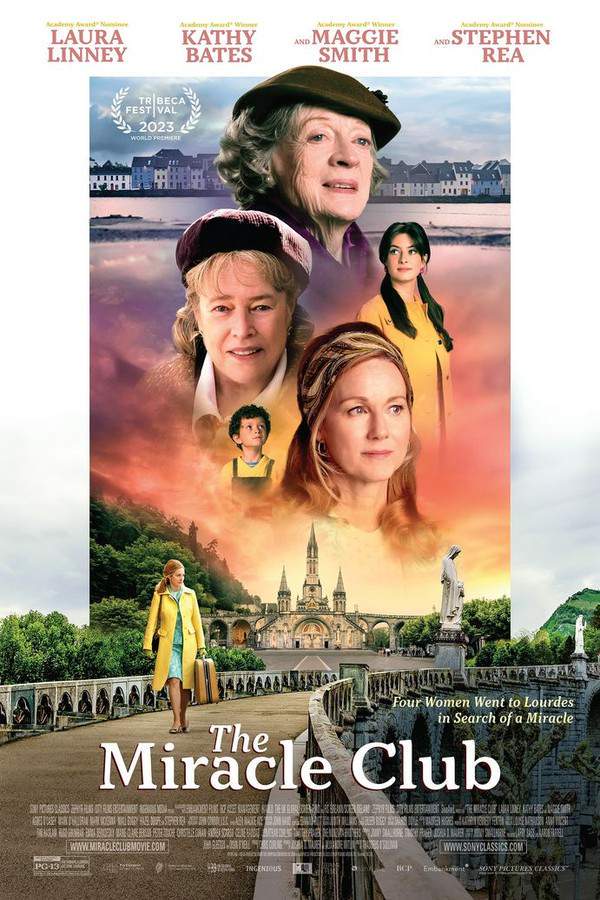
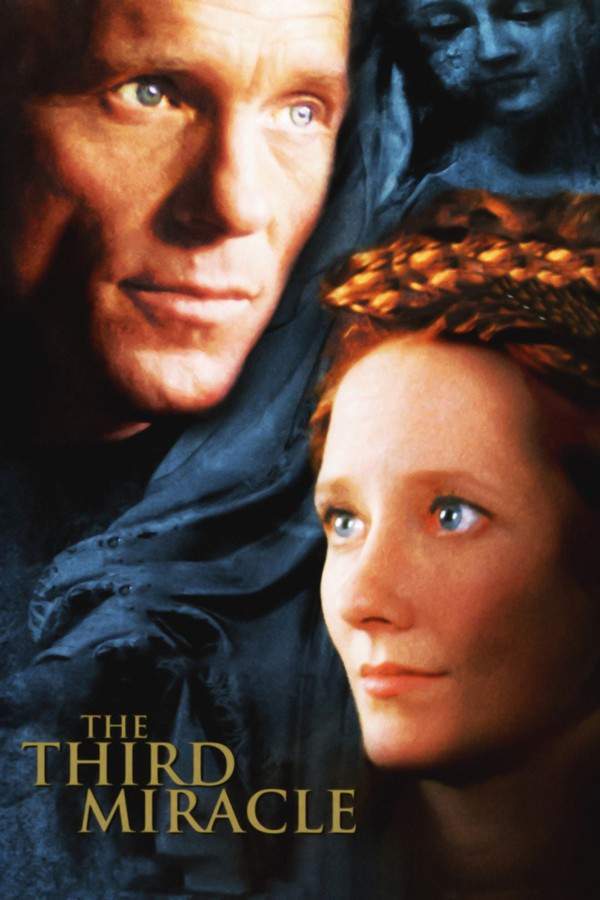
Movies with Similar Twists and Themes
Uncover films that echo the narrative beats, emotional arcs, or dramatic twists of the one you're exploring. These recommendations are handpicked based on story depth, thematic resonance, and spoiler-worthy moments — perfect for fans who crave more of the same intrigue.



Featured on this page

What's After the Movie?
Not sure whether to stay after the credits? Find out!
Check out our other apps:

SAT Sphere
Build confidence for the Digital SAT.

Mori Atlas
Discover wild places worth protecting.

Luntero
Search smarter for a home in Amsterdam.

Plot Explained
Unravel movie endings and hidden clues.

Pokechamp
Dive into Pokémon data and battle logic.

Driving Theory
Get ready for your European theory test.

Movie Dust
Plan your next cinema trip with ease.

Musemap
Find art and culture as you travel.

Selkobase
Compare credentials before committing.

Local Manual
Turn an unfamiliar country into practical next steps.

Lernavi
Compare school systems before your next move.

GymRoam
Find a workout stop wherever your plans take you.
Explore Our Movie Platform
New Movie Releases (2026)
Famous Movie Actors
Top Film Production Studios
Movie Plot Summaries & Endings
Major Movie Awards & Winners
Best Concert Films & Music Documentaries
Movie Collections and Curated Lists
© 2026 What's After the Movie. All rights reserved.
Privacy Policy