The Miracle of Our Lady of Fatima 1952


Set in 1917 Portugal, three shepherd children from Fatima see visions of a luminous lady in a cloud. Amid an anticlerical regime trying to suppress the Church, they hold fast to her message of peace and hope. Their testimony ends with a spectacular miracle witnessed by thousands, confirming the apparition. The film recounts historic events.


Does The Miracle of Our Lady of Fatima have end credit scenes?
No!
The Miracle of Our Lady of Fatima does not have end credit scenes. You can leave when the credits roll.
Where to Watch The Miracle of Our Lady of Fatima
See current US streaming, rental, and purchase options for The Miracle of Our Lady of Fatima (1952) via JustWatch.

Amazon Video
HD
Apple TV Store
HD
Fandango At Home
HD
Google Play Movies
SD
YouTube
SD Streaming availability powered by 
Meet the Full Cast and Actors of The Miracle of Our Lady of Fatima
Explore the complete cast of The Miracle of Our Lady of Fatima, including both lead and supporting actors. Learn who plays each character, discover their past roles and achievements, and find out what makes this ensemble cast stand out in the world of film and television.

Angela Clarke
Maria Rosa Abóbora dos Santos
Gilbert Roland
Hugo da Silva
Frank Silvera
Council Administrator Arturo dos Santos
Richard Hale
Father Ferreira
Jay Novello
António Abóbora dos Santos
Sherry Jackson
Jacinta Marto
Frances Morris
Olímpia Marto
Lou Krugman
Minister of Police (uncredited)
Sammy Ogg
Francisco Marto
Carl Milletaire
District Magistrate
Norman Rice
Manuel Marto
Daria Massey
Manuellita (uncredited)
Susan Whitney
Lúcia Abóbora dos Santos
External Links and Streaming Options
Discover where to watch The Miracle of Our Lady of Fatima online, including streaming platforms, rental options, and official sources. Compare reviews, ratings, and in-depth movie information across sites like IMDb, TMDb, Wikipedia or Letterboxd.




Take the Ultimate The Miracle of Our Lady of Fatima Movie Quiz
Challenge your knowledge of The Miracle of Our Lady of Fatima with this fun and interactive movie quiz. Test yourself on key plot points, iconic characters, hidden details, and memorable moments to see how well you really know the film.
The Miracle of Our Lady of Fatima (1952) Quiz: Test your knowledge of the 1952 film "The Miracle of Our Lady of Fatima" with these ten questions ranging from easy to challenging.
Which three children are the central characters in the film?
Full Plot Summary and Ending Explained for The Miracle of Our Lady of Fatima
Read the complete plot summary of The Miracle of Our Lady of Fatima, including all major events, twists, and the full ending explained in detail. Explore key characters, themes, hidden meanings, and everything you need to understand the story from beginning to end.
In 1917, Portugal bears the aftershocks of a revolutionary upheaval and a rising wave of anti-religious sentiment. The monarchy has fallen, the government is unstable, and churches across the country are shut or shuttered. Yet the rural town of Fatima remains a quiet bastion of faith: its church stays open, and most locals stay devout despite the surrounding turmoil.
In Fatima, three children—Lúcia Santos Susan Whitney, Jacinta Marto Sherry Jackson, and Francisco Marto Sammy Ogg—tend sheep and play near a small tree in a field. One day, while they pause their play and attempt a version of the Rosary by calling out “Hail Mary” without finishing the prayer, a sudden thunderclap and a bright flash unfold before them. What begins as a stormy moment turns into something extraordinary: a radiant “cloud of light” surrounds the tree, and a gentle, maternal figure appears. This Lady speaks to the children, asking them to return on the 13th of every month and to offer their sufferings for the salvation of sinners, urging them to say the Rosary for world peace.
Their agnostic neighbor, Hugo da Silva [Gilbert Roland], watches with skepticism and urges them not to talk about the visions. Despite his warning, Jacinta quickly tells her family and the town what she has seen, and the news of Fatima’s visions begins to ripple through the community. The children’s credibility is tested from the start: Father Ferreira [Richard Hale], Fatima’s parish priest, voices the fear that the visions could be Satanic, and local authorities react by temporarily closing the church while officials decide how to proceed.
As the months pass, the Lady returns on schedule—first in June, then again in July with warnings of a coming war and a troubling prediction about Russia if it does not convert. The children are pulled into political pressures and danger when Artur Santos, the provincial administrator [Frank Silvera], kidnaps them. He first tries bribery and then intimidation, dragging Jacinta and Francisco away in separate rooms to coerce a denial of their visions. The sight of Jacinta’s fear and the stubborn courage of Lúcia convinces them all that the truth cannot be silenced. In a tense move, Santos reunites the trio, throws them into jail, and makes a show of breaking their spirits—only to find that their faith and resolve inspire others. Hugo remains by their side, helping to rally the prisoners and keep the Rosary alive behind bars.
When the authorities cannot produce any solid evidence against the children, they release them, and Fatima’s townspeople—now gathered en masse—stand outside to witness what has become a living symbol of faith. On October 13, the promised sign arrives: the Lady’s message about the end of World War I seems to be fulfilled as the sun appears to dance and change colors, shining on the crowd in a spectacle many describe as the Miracle of the Sun. The scene unsettles some and reassures others; believers are moved to prayer, healings occur for some, and even the skeptical are forced to witness something beyond ordinary explanation. Among the onlookers, Hugo removes his hat and murmurs, “Only the fool sayeth there is no God.”
Only the fool sayeth there is no God.
The film closes with a period piece epilogue set around 1951, showing the vast basilica that has risen where the sacred tree once stood and a multitude of pilgrims paying tribute to Our Lady of Fatima. Inside the new basilica, Lúcia—now a nun—prays at the tomb of her cousins, with Hugo [Gilbert Roland] by her side, having found faith and transformation through the events they witnessed together.
- This story unfolds with a steady, respectful tone that traces how faith, fear, and public authority collide in Fatima, while maintaining a clear focus on the children at its heart. The camaraderie among Lúcia [Susan Whitney], Jacinta [Sherry Jackson], and Francisco [Sammy Ogg] drives the narrative, as does the skepticism and eventual conviction of Hugo [Gilbert Roland] and the stern oversight of Father Ferreira [Richard Hale]. The moral weight lies not in the spectacle alone but in the enduring call to prayer, perseverance, and belief in something greater than the moment.

Coming soon on iOS and Android
The Plot Explained Mobile App
From blockbusters to hidden gems — dive into movie stories anytime, anywhere. Save your favorites, discover plots faster, and never miss a twist again.
Sign up to be the first to know when we launch. Your email stays private — always.
Explore the mobile appWatch Trailers, Clips & Behind-the-Scenes for The Miracle of Our Lady of Fatima
Watch official trailers, exclusive clips, cast interviews, and behind-the-scenes footage from The Miracle of Our Lady of Fatima. Dive deeper into the making of the film, its standout moments, and key production insights.
The Miracle of Our Lady of Fatima Themes and Keywords
Discover the central themes, ideas, and keywords that define the movie’s story, tone, and message. Analyze the film’s deeper meanings, genre influences, and recurring concepts.
The Miracle of Our Lady of Fatima Other Names and Titles
Explore the various alternative titles, translations, and other names used for The Miracle of Our Lady of Fatima across different regions and languages. Understand how the film is marketed and recognized worldwide.
Similar Movies To The Miracle of Our Lady of Fatima You Should Know About
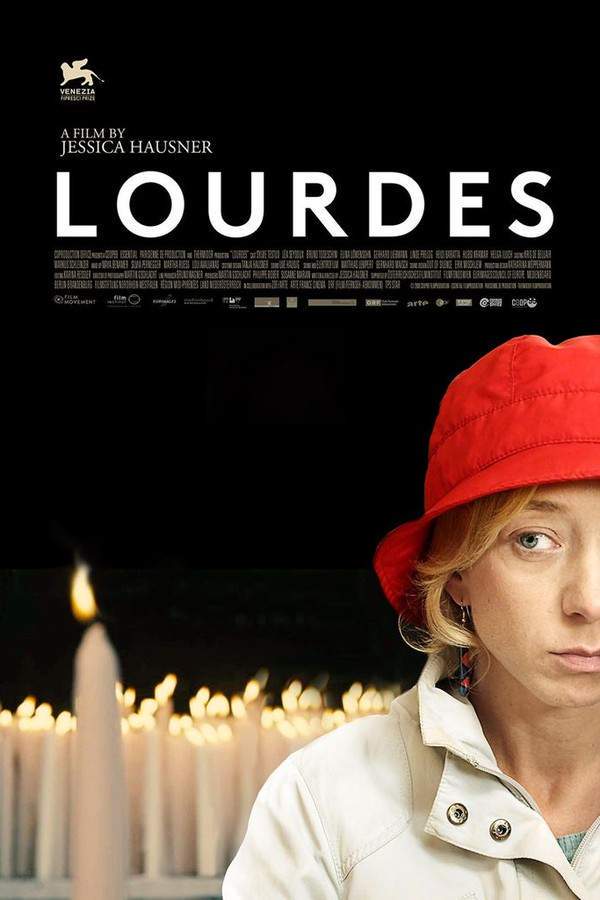
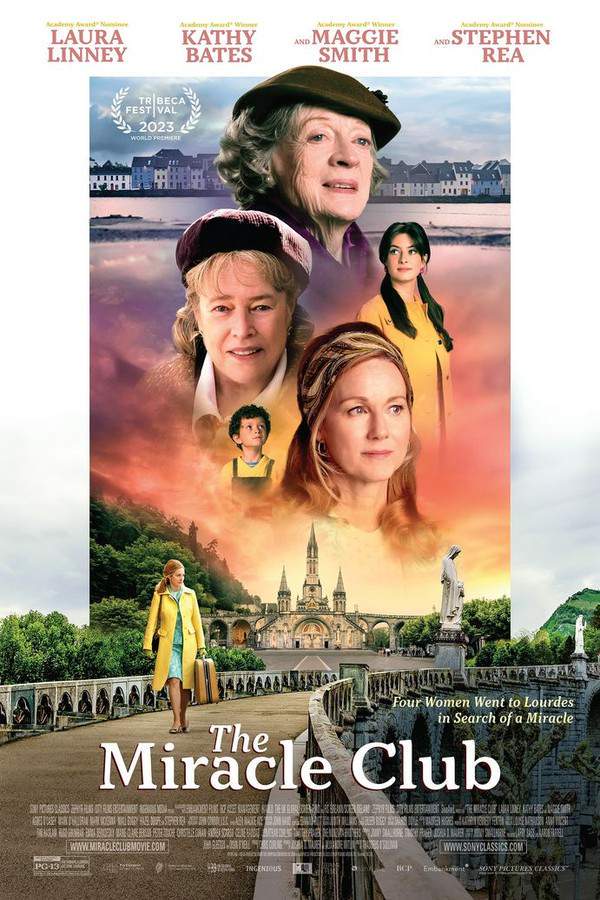
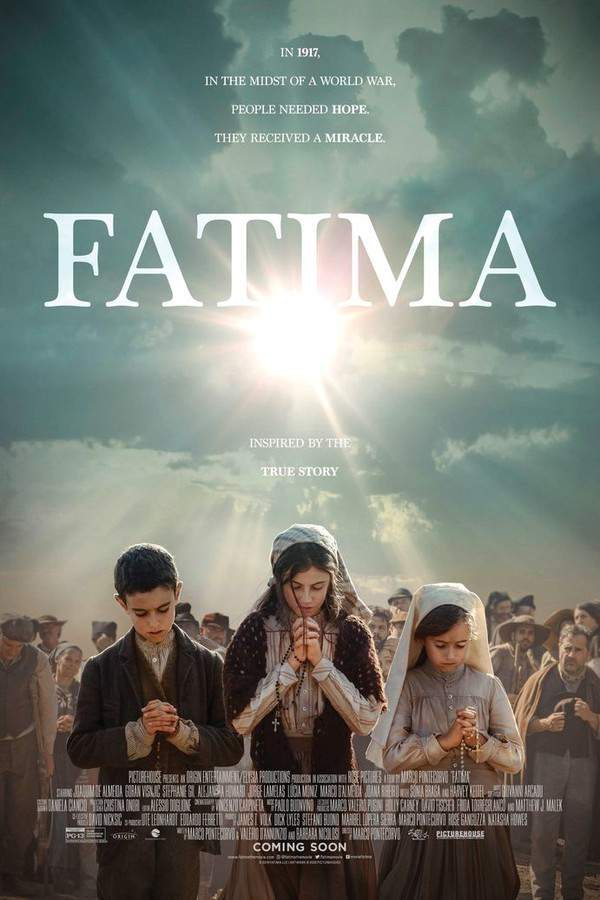
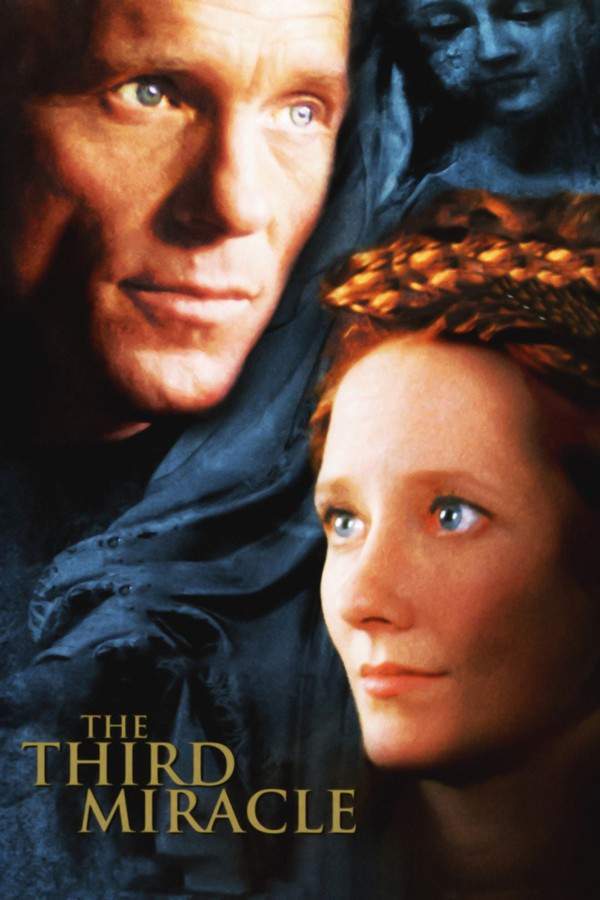
Browse a curated list of movies similar in genre, tone, characters, or story structure. Discover new titles like the one you're watching, perfect for fans of related plots, vibes, or cinematic styles.





Quick Links: Summary, Cast, Ratings, More

What's After the Movie?
Not sure whether to stay after the credits? Find out!
Check out our other apps:

SAT Sphere
Build confidence for the Digital SAT.

Mori Atlas
Discover wild places worth protecting.

Luntero
Search smarter for a home in Amsterdam.

Plot Explained
Unravel movie endings and hidden clues.

Pokechamp
Dive into Pokémon data and battle logic.

Driving Theory
Get ready for your European theory test.

Movie Dust
Plan your next cinema trip with ease.

Musemap
Find art and culture as you travel.

Selkobase
Compare credentials before committing.

Local Manual
Turn an unfamiliar country into practical next steps.

Lernavi
Compare school systems before your next move.

GymRoam
Find a workout stop wherever your plans take you.
Explore Our Movie Platform
New Movie Releases (2026)
Famous Movie Actors
Top Film Production Studios
Movie Plot Summaries & Endings
Major Movie Awards & Winners
Best Concert Films & Music Documentaries
Movie Collections and Curated Lists
© 2026 What's After the Movie. All rights reserved.
Privacy Policy