What Is The Last Hunt About?
The premise of The Last Hunt in 340 words, with nothing given away. The full story follows below.
The film opens on the vast, wind‑blown plains of 1883, a landscape already scarred by the relentless drive to erase the great buffalo herds. Shot in sweeping CinemaScope color, the horizon is both breathtaking and unforgiving, a place where the echo of hooves and the crack of a rifle are as much a part of daily life as the endless sky. The tone is stark and contemplative, hinting at the end of an era while keeping a pulse of restless energy that propels every rider forward.
Sandy McKenzie is a veteran buffalo hunter employed by the Army Engineers, a man whose reputation is built on skill, experience, and a growing weariness with the endless chase. He finds himself paired with Charles Gil son, a newly arrived partner whose philosophy treats killing as a primal sport, taking a cold, almost clinical pleasure in the act itself. Their partnership is a study in contrasts: one grounded in a pragmatic respect for the land, the other driven by an unsettling thrill that threatens to tip the balance between survival and excess.
Joining them are Woodfoot, a legendary skinner known for his peg‑leg and rough‑handed expertise, and Jimmy O’Brien, a youthful hand of mixed heritage whose quiet determination hints at deeper ties to the world beyond the hunt. Accompanying the group is an Indian girl taken captive during a raid, a presence that adds a subtle layer of cultural tension and humanity to the rugged crew. Together they travel across barren stretches, each character carrying personal codes that will test the limits of camaraderie and conscience.
The atmosphere is one of rugged beauty tempered by an undercurrent of moral ambiguity. As the wind whistles over the snow‑capped ridges and the dwindling herds disappear into the distance, the film asks what remains when the hunt is no longer about sustenance but about something far more visceral. The stage is set for a clash of ideals, a quiet reckoning that looms on the horizon, leaving the audience to wonder which path the hunters will ultimately follow.
What Happens in The Last Hunt?
The complete story of The Last Hunt, from the first scene to the last, in 420 words (about 2 minutes). Spoilers throughout. Names in the text link to 5 cast member pages.
Spoilers ahead
It is 1883, and hunting buffalo has all but emptied the plains, shrinking a once-mighty herd from about 60 million to just a few thousand souls. Sandy McKenzie, Stewart Granger, a famous buffalo hunter for the Army Engineers, watches his own small herd of cattle fall to a stampede of bison. He teams up with a new partner, the obsessive Charles Gilson, Robert Taylor, who believes killing is natural and even primal. While McKenzie grows weary of the endless chase, Gilson derives a stark, chilling pleasure from his “stands”—the ability to extinguish an entire herd in a single, calculated moment. They recruit an old friend of McKenzie, a legendary skinner known as Woodfoot, Lloyd Nolan because of his peg leg, and a young hand named Jimmy O’Brien, Russ Tamblyn, whose mother was Dakota, to join their caravan.
When Gilson tracks down and destroys an Indian raiding party, he takes a captive Indian woman—handled by the Indian girl, Debra Paget—and a toddler. The presence of the captive woman sows tension, and Gilson’s grip on reality begins to slip, pushing him toward a dangerous, paranoid brink. He grows convinced that McKenzie has stolen a valuable white buffalo hide. In truth, Jimmy had taken the hide and placed it in a tree along with the body of one of Gilson’s victims, a detail rooted in the religious customs of their people.
Across a bone-strewn landscape, Gilson relentlessly pursues McKenzie, the woman, and Jimmy to a cave perched high on a bluff. The air is bitterly cold and snowfall presses in as McKenzie urges caution and humanity. He persuades Gilson to let Jimmy continue with the cattle, which are bound for the Indian agency where the starving people wait for aid. Night falls, and Gilson declares his distrust of McKenzie, insisting he come down come morning. A solitary buffalo appears, and Gilson shoots and skins it with a brutal practicality, muttering, > “You’ll keep me warm.”
Morning light reveals the consequences of Gilson’s fixation. McKenzie and the Indian girl emerge from shelter to find Gilson frozen to death, his gun still pointed toward the cave as if waiting to ambush them. The raw buffalo skin has become a cruel, icy coffin, its dampness turning fur and flesh into a chilling emblem of winter’s cruel arithmetic. Snow gathers on the pelt, making it resemble the white buffalo itself. The two riders press on, leaving the dead man behind, while the camera climbs to the treetop where the white buffalo skin hangs as a stark, haunting trophy.
The Last Hunt Timeline: Every Key Event in Order
12 key events in the order they happen, from “1883 setting and buffalo decline” to “Closing image”. 12 events name a place, across 11 locations.
- 1
1883 setting and buffalo decline
The film is set in 1883 on the Great Plains, where the buffalo population has plummeted from 60 million to about 3,000 due to hunting. Sandy McKenzie, a famed buffalo hunter for the Army Engineers, watches his small cattle herd be wiped out by a stampede of bison. The bleak landscape underscores the harsh, changing frontier.
When:1883 Where:Great Plains
- 2
McKenzie partners with Gilson
McKenzie teams up with the obsessive Charles Gilson, who believes that killing is natural and seeks a relentless 'stand' of a single herd. They recruit Woodfoot, a legendary skinner with a peg leg, and young Jimmy O'Brien to join the team. The group prepares for a brutal hunt across the plains.
Where:Plains camp
- 3
Gilson chases raiders and captures captive
Gilson pursues and defeats an Indian raiding party, taking a native woman and a toddler captive. The act intensifies tension with McKenzie, who is uneasy about the fate of the captives and Gilson's methods. The incident sows seeds of discord that will drive their partnership toward a breaking point.
When:during pursuit Where:Raiders' camp
- 4
Tension and paranoia within the team
The presence of the captive woman strains McKenzie and Gilson's already fraught partnership. Gilson's paranoia grows, becoming more deranged as he blames McKenzie for some unspecified betrayal. The uneasy alliance hinges on trust that is quickly eroding.
When:after the raid Where:Camp / plains
- 5
The white buffalo hide deception
An accusation about a stolen white buffalo hide drives a wedge between the men. In truth, Jimmy took the hide and hid it in a tree along with the body of one of Gilson's victims, according to the Dakota people's religious practices. The rumor fuels Gilson's obsession and exacts a personal vendetta against McKenzie.
When:before the final chase Where:Camp / tree where hide is hidden
- 6
The team grows and Jimmy joins
With Woodfoot and Jimmy O'Brien added to the squad, the team continues the hunt. Jimmy's presence and his hidden burden become a silent counterpoint to Gilson's moral unraveling. They move forward with the cattle toward the Indian agency.
When:mid-journey Where:Plains trail
- 7
Drive toward the Indian agency
The group heads to the Indian agency to deliver cattle and aid the starving Dakota people. The journey across bone-strewn plains stretches their endurance as winter tightens its grip. Tension between McKenzie and Gilson remains a constant undercurrent.
When:late on the journey Where:Indian agency route / Dakota lands
- 8
The standoff in the cave
As night falls on a harsh, snowy bluff, McKenzie persuades Gilson to allow Jimmy to continue with the herd while they shelter in a cave. Gilson declares distrust and orders them to descend in the morning, setting up a lethal standoff.
When:night Where:Cave high on a bluff
- 9
Gilson's fatal moment
Come morning, the trio emerges to find Gilson gone, frozen to death and waiting to ambush McKenzie and the woman. He has turned his gun toward the cave, and the friction between their plans erupts into a deadly confrontation. The frozen buffalo hide becomes a grim symbol of his final obsession.
When:morning Where:Cave / bluff
- 10
The icy coffin and the white buffalo
The moisture on the raw buffalo skin has turned it into an icy coffin, while snow rests on its fur and creates the illusion of a white buffalo hanging in the tree. McKenzie and the woman escape with the cattle away from the peril. The harsh landscape seals Gilson's ruin.
When:after dawn Where:Tree with hide
- 11
Escape and resolution
McKenzie and the captive woman ride away to safety, leaving behind the frozen threat. The camera pans to the white buffalo skin stretched in the tree, a haunting emblem of the frontier's brutal calculus and the cost of obsession.
Where:Trail to Indian agency
- 12
Closing image
The final image presents the stark, bone-swept plains as a testament to the last of the buffalo hunts. The story mourns a vanishing way of life and the men who pursued it, setting the stage for a lingering moral reckoning.
When:end Where:Great Plains
Who Are the Main Characters in The Last Hunt?
6 characters, among them Sandy McKenzie (Stewart Granger), Charlie Gilson (Robert Taylor) and Woodfoot (Lloyd Nolan): who each one is and the part they play in the story. Every profile links to the actor’s page.
- SM
Sandy McKenzie (Stewart Granger)
Played by Stewart Granger
A famed buffalo hunter for the Army Engineers who grows tired of the slaughter yet remains steadfast in practical leadership. He carries a deep sense of loyalty to his companions and is willing to adapt when his herd is wiped out, guiding the team through a precarious last hunt. His pragmatism masks a weariness born of years on the plains.
- 🧭 Leader
- 🎯 Veteran Hunter
-
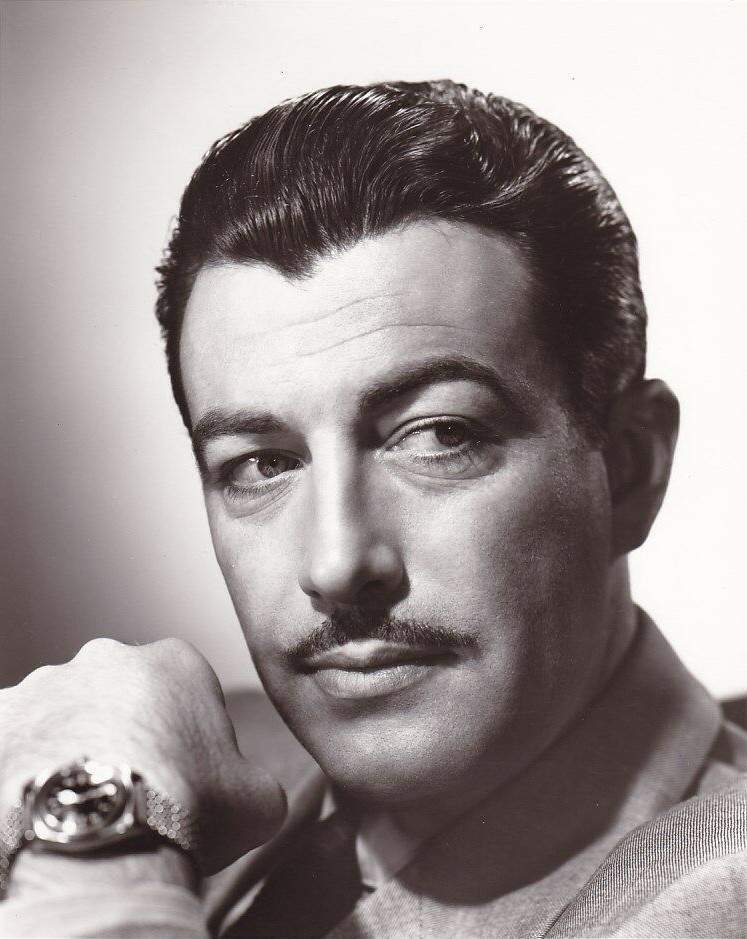
Charlie Gilson (Robert Taylor)
Played by Robert Taylor
An intelligent yet deranged hunter whose belief that killing is natural escalates into paranoia. He seeks control and dominance through violence, increasingly clashing with McKenzie and putting others at risk. His obsession drives the conflict toward a fatal showdown.
- 🗡️ Obsessive
- 🧠 Paranoid
-
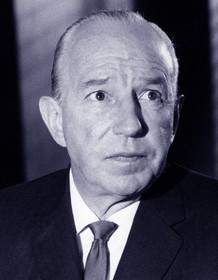
Woodfoot (Lloyd Nolan)
Played by Lloyd Nolan
A legendary skinner with a peg leg who remains a steady, seasoned presence in the hunt. He balances grit with a quiet loyalty to McKenzie, offering practical wisdom as the group faces a world on the brink of change. His experience anchors the team amid mounting tensions.
- 🦿 Peg leg
- 🧭 Veteran
-
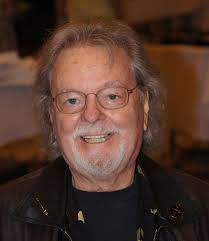
Jimmy O'Brien (Russ Tamblyn)
Played by Russ Tamblyn
A young hunter with Dakota heritage who is caught between the frontiersman world and Indigenous identity. His quick thinking helps avert immediate danger, and his role reveals the complexities of family, loyalty, and cross-cultural ties on the plains.
- 🧒 Young
- 🪶 Dakota heritage
- IG
Indian girl (Debra Paget)
Played by Debra Paget
A captive Indigenous woman whose presence enters the moral landscape of the hunters. She embodies vulnerability and resilience as she navigates the perilous frontier alongside McKenzie and Jimmy, highlighting the human cost of the hunt.
- 🌾 Native resilience
- P(
Peg (Constance Ford)
Played by Constance Ford
A supporting frontier figure whose presence adds social texture to the camp dynamics, illustrating how communities endure and respond to the pressures of a dwindling frontier.
- 🧭 Supporting
- 🎭 Frontier life
Where and When Is The Last Hunt Set?
The Last Hunt is set in Great Plains and American West (1883). Here is why the time and place matter to the story.
When
1883
Set during the last years of the buffalo hunts, 1883 marks a brutal frontier era when mass slaughter, weather, and scarce resources force frontier men to confront morality and loyalty. The environment and pack-train life reflect a world on the edge of transformation as settlers and soldiers interact with Indigenous nations. The era's cold, unforgiving climate mirrors the characters' mounting paranoia and moral erosion.
Where
Great Plains, American West
The film unfolds across the harsh Great Plains and rugged bluff country where hunter economies hinge on dwindling buffalo herds. Winter and snow blanket bone-strewn landscapes, caves, and remote camps, shaping the characters' choices and loyalties. The setting emphasizes isolation and the struggle to survive against nature, scarcity, and social tension with Indigenous communities.
- 🗺️ Frontier
- 🏞️ Wilderness
What Are the Themes of The Last Hunt?
3 ideas the story keeps returning to, among them Obsession, Indigenous Tensions and Extinction & Survival.
-
01
Obsession
Charles Gilson's fixation on killing drives the plot and reveals a descent into madness. He measures worth by the ability to wipe out a herd in a single strike, and his impulse disrupts trust within the group. This obsession pushes characters toward dangerous decisions and culminates in a deadly standoff.
-
02
Indigenous Tensions
The capture of an Indigenous woman and child highlights fraught relations between hunters and Native communities. The film probes respect, ownership, and the moral cost of frontier expansion, presenting Dakota heritage as a poignant counterpoint to the hunters' ambitions. These tensions influence loyalty, risk, and survival on the plains.
-
03
Extinction & Survival
The shrinking buffalo herds frame the narrative as an ecological crisis that mirrors personal collapse. The white buffalo hide symbolizes both the last prize and moral ambiguity, as characters grapple with hunger, cold, and the price of power on the frontier. Survival becomes a test of character as nature and culture collide.
What Kind of Film Is The Last Hunt?
Dark in tone, with steady pacing and a straightforward story, going by the plot summary.
- Tone
- Dark
- Pacing
- Steady
- Story
- Straightforward
- Intensity
- High
- Ending
- Bleak
A grim and brutal Western that steadily descends into psychological darkness, portraying the heavy emotional toll of obsession and the bleak reality of a vanishing frontier. This creates a somber and oppressive viewing experience.
- grim
- oppressive
- paranoid
- melancholic
- brutal
- somber
- obsession
- survival
- humanity vs nature
- fall from grace
Content notes: animal death, graphic violence, captivity, paranoia, death of a child.
Quiz
How well do you remember The Last Hunt? Test yourself on the story.