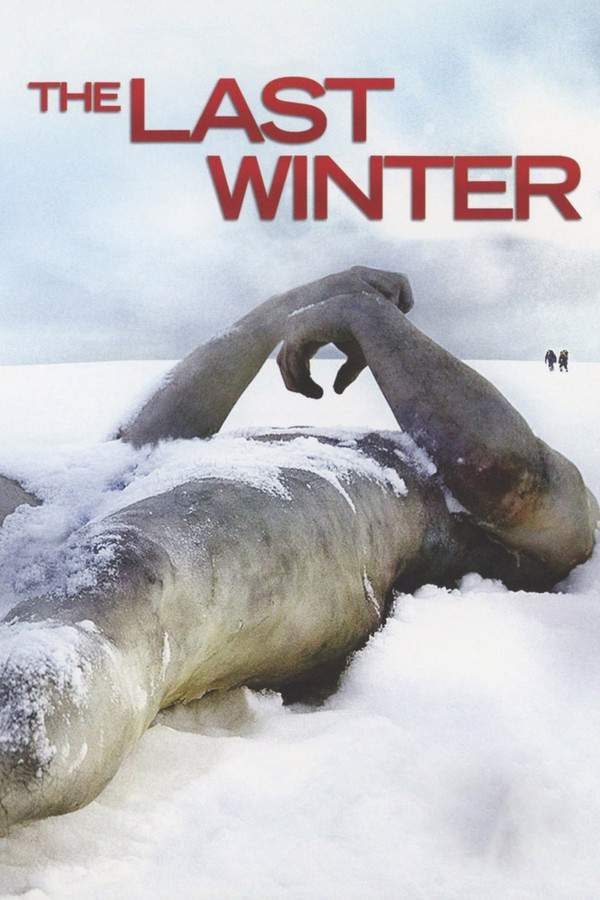
What Is The Last Winter About?
The premise of The Last Winter in 305 words, with nothing given away. The full story follows below.
In the stark, frozen expanse of Alaska’s Arctic National Wildlife Refuge, a corporate oil crew vies with a handful of independent environmental scientists to carve an ice road and begin drilling. The landscape itself is a character—endless white, howling wind, and an ever‑present sense that nature watches every intrusion. Against this backdrop, the team’s routine work is tinged with an uneasy tension, as the promise of energy wealth clashes with the fragile, almost mythic wilderness surrounding them.
Connie Britton leads the environmental side, a scientist whose dedication to preservation is matched only by a quiet resolve to keep the project’s impact in check. Ron Perlman commands the drilling operation, a pragmatic foreman whose authority is both a stabilizing force and a source of friction with the scientists. James LeGros serves as the liaison between the two worlds, trying to balance corporate demands with ecological warnings while wrestling with his own doubts about the venture’s consequences.
When a routine day turns ominous, the camp’s tight‑knit routine frays. An unexpected death sparks a wave of fear that spreads faster than the Arctic night, and the thin line between natural hazard and something beyond comprehension begins to blur. Paranoia settles over the isolated outpost, and the crew finds themselves questioning not only the environment’s hostility but also the limits of their own sanity.
Two members—bound by circumstance and a shared need to survive—must abandon the safety of the encampment and trek across the hostile wilderness. Their journey becomes a test of endurance, trust, and perception, as they confront an ambiguous presence that may be rooted in the land’s ancient secrets or the darker corners of the human mind. The film stays poised between atmospheric dread and psychological tension, inviting viewers to wonder whether the true danger lies in the ice itself or in what lurks unseen beneath it.
What Happens in The Last Winter?
The complete story of The Last Winter, from the first scene to the last, in 908 words (about 4 minutes). Spoilers throughout. Names in the text link to 3 cast member pages.
Spoilers ahead
Connie Britton, Ron Perlman, and James LeGros anchor a stark Arctic drama about energy ambitions colliding with an unforgiving landscape as the K.I.K. Corporation pushes to drill in the remote Arctic National Wildlife Refuge by building an ice road that snakes across the snow and ice.
In this high-stakes setup, a cooperative team of independent environmentalists works alongside a drilling base led by the stern Ed Pollack, operating under a loose agreement with the government to monitor procedures and file reports. The uneasy balance between commerce and conservation is breached during a friendly football game outside the housing area, when a routine collision between environmental scientist Elliot and a rookie oil worker named Maxwell shatters the calm, leaving Maxwell with a bloody nose and a lingering sense of unease. That night, Maxwell experiences an unnerving vision of a spectral herd of caribou sweeping past the camp, the ghostly procession casting a chill over the men who must navigate both human and elemental danger.
The following day, Maxwell is sent to check one of the drilling sites and vanishes for most of the day, returning home traumatized as night falls. A radio check reveals that he walked hundreds of miles, a claim that clashes with the physical and emotional toll of his disappearance. Maxwell confronts James Hoffman, an environmental scientist who has been sounding the alarm about drilling in such a sensitive, unusually warm region, confessing that he did not want to work at the site but felt pressured by a connection to Pollack and his circle. Maxwell speaks of “seeing something” in the snow and begs Hoffman to speak publicly about the peril, underscoring the tension between personal fear and the political risk of drawing attention to the region’s fragility.
That night, Maxwell, partly delirious, roams outside naked with a video camera, determined to capture the paranormal phenomena. He documents the spectral caribou herd as it passes and, in a moment of violence from the unseen, is struck from behind. When dawn arrives, he is found dead on the snow, and Hoffman suspects a possible link to sour gas—gas tainted with hydrogen sulfide released by the arctic heat and climate-driven methane release—that could provoke hallucinations and destabilize the group’s grip on reality. As the team scrambles to interpret these events, Elliot, Hoffman’s partner, attempts to reach the outside world by email but fails, hinting at a growing isolation and a breakdown of communication.
The situation worsens when Pollack’s leadership is challenged by the ever-present risk of environmental damage and the need for heavy equipment to move drilling gear. Hoffman and Pollack arrange for a replacement to take over the technical side, leaving Hoffman to accompany the team to a hospital for examination after Elliot’s death. Yet catastrophe strikes again when a bush plane crashes into the camp, killing pilot Gary and the interim environmental scientist Marshowitz, severely burning Foster, who nonetheless survives the night only to die soon after. The disaster fractures the camp’s stability and forces a deeper look at who remains standing in the face of an encroaching wilderness.
The stress takes a toll on the local Native Alaskan workers as well, with Lee vanishing the morning after the crash and the sound of hooves—a motif that preceded the appearance of the ghostly caribou—echoing through the camp. Dawn, another worker, loses her grip and begins to unravel, eventually murdering Motor, the station mechanic who had suffered injuries in the crash. Abby Sellers is drawn into the chaos by the violence surrounding Dawn, and in a tense confrontation, she pushes Dawn, causing her to fall and break her neck.
As the crew pieces together what is happening, a chilling interpretation begins to take shape: nature itself may be turning against humankind. Documents found in an abandoned shack suggest the Earth is releasing a force termed The Last Winter, a cycle in which the pursuit of fossil fuels awakens vengeful presences and resurrects the ghosts of the substances being extracted. The lore grows more unsettling as characters reference older myths—Dawn herself mentions a Wendigo-like spirit, and she invokes the Chenoo from Algonquin myth in the context of the terror they feel.
In a crucial decision point, Hoffman must choose whether to fire a flare at a stalking apparition or use it to summon help from a nearby town. He opts for the latter, a choice that draws the ghostly creature’s attention away from Pollack and toward Hoffman, who is then grabbed and carried off. The scene shifts into a montage of past life images that interrupts itself just long enough to reveal Pollack being attacked by a trio of spectral beings, hinting at a fate that is as much metaphysical as physical.
The ending centers on Abby Sellers, the sole remaining researcher who wakes up alone in a deserted hospital, with no memory of how she arrived there. A television news anchor reports disasters unfolding nationwide, and she encounters a male employee who has hanged himself in a room. She walks outside into a world that feels both open and claustrophobic, with pools of water on the ground, car alarms echoing in the distance, and the wind carrying an ominous fluttering sound reminiscent of the murderous spirits that stalked the snow fields further north. The final overhead shot leaves the audience with a haunting sense of ambiguity, suggesting that the forces released by human ambition and the harsh environment have reshaped the world in unexpected and unsettling ways.
The Last Winter Timeline: Every Key Event in Order
12 key events in the order they happen, from “Mission begins: K.I.K. builds ice road and oil exploration” to “Abby wakes in hospital; the end of the world looms”. 12 events name a place, across 10 locations.
- 1
Mission begins: K.I.K. builds ice road and oil exploration
The K.I.K. Corporation is building an ice road to explore the Arctic National Wildlife Refuge in pursuit of energy independence. Independent environmentalists work with a drilling base led by Ed Pollack, under a government-approved framework to monitor procedures and report findings. The setup establishes the tension between oil development and environmental concerns.
When:Opening Where:Arctic National Wildlife Refuge, drilling base
- 2
Football game disruption and injury
A friendly football game outside the housing area is interrupted when Elliot accidentally collides with Maxwell, leaving Elliot with a bloody nose. The incident foreshadows tensions and sets an uneasy mood within the camp. It also underscores the fragile line between camaraderie and danger in the harsh environment.
When:Day 1 Where:Housing area, drilling base
- 3
Maxwell's midnight vision: spectral caribou
That night Maxwell is unnerved by the sighting of a spectral herd of caribou charging past the camp. The eerie vision hints at paranormal forces connected to the environment.
When:Night 1 Where:Camp
- 4
Maxwell goes missing and returns traumatized
The next day Maxwell is dispatched to check a drilling site and goes missing for most of the day. He staggers back to the camp at night claiming his radio had not been working and that he walked about 300 miles. He admits he didn’t want the job and says he saw something in the snow, pressing Hoffman to reveal the truth to the public.
When:The next day Where:Drilling site and camp
- 5
Maxwell records paranormal phenomena
That night Maxwell, partly delirious, films the paranormal phenomena with his video camera and captures the spectral caribou on tape. He is then struck from behind and dies, with his body found the next morning.
When:Night to morning Where:Camp vicinity, night
- 6
Elliot's death and sour gas theory emerges
Hoffman postulates that sour gas released by climate-driven methane release could cause hallucinations and insanity among the group. Elliot dies shortly thereafter, possibly of a brain aneurysm, while his attempt to email the outside world fails.
When:The day after Maxwell's death Where:Camp
- 7
Efforts to bring in help and aircraft crash
Pollack and Foster arrange for Hoffman to be replaced, but a bush plane arrives to pick them up and crashes into the camp building. Gary, the pilot, and the replacement environmental scientist Marshowitz are killed, while Foster is severely burned and survives only to die later.
When:That night Where:Arctic camp
- 8
Lee vanishes; eerie hoof sounds return
Native Alaskan worker Lee vanishes the next morning, and the sound of hooves—the same sound tied to the ghost caribou—is heard again. Dawn, another worker, descends into madness and murders Motor, the station mechanic, during the chaos.
When:Next morning Where:Base camp
- 9
Dawn's breakdown and Abby's confrontation
Abby Sellers stumbles upon the aftermath of Dawn's rampage and encounters Dawn; in the ensuing struggle, Abby pushes Dawn over a shelf, causing her to fall and break her neck. The event underscores the collapse of order and the environmental strain on the people.
When:Same day Where:Base/ workshop
- 10
Abandoned shack and The Last Winter
Documentation found in an abandoned shack reveals that the Earth is releasing 'The Last Winter' and resurrecting the ghosts of fossil fuels siphoned from the ground. The notes connect these phenomena to Wendigo and Chenoo mythologies, suggesting the environment itself is reacting to human greed.
When:Mid-film Where:Abandoned shack
- 11
Hoffman’s flare decision and the ghostly attack
In the penultimate scene Hoffman must decide whether to fire a flare at a ghost or signal for help; he chooses to signal, and the ghostly moose focuses on him and drags him away. A montage then shows Pollack being attacked by spectral creatures as the wider catastrophe closes in.
When:Penultimate Where:Arctic camp
- 12
Abby wakes in hospital; the end of the world looms
Abby Sellers wakes up in a deserted hospital with no recollection of arriving there. A news anchor reports nationwide natural disasters as she leaves the waiting room, and the camera lingers on water pools, car alarms, wind, and distant ghostly noises.
When:Ending Where:Hospital and surroundings
Who Are the Main Characters in The Last Winter?
3 characters, among them Ed Pollack (Ron Perlman), James Hoffman (James LeGros) and Abby Sellers (Connie Britton): who each one is and the part they play in the story. Every profile links to the actor’s page.
-
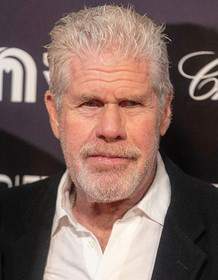
Ed Pollack (Ron Perlman)
Played by Ron Perlman
A tough, pragmatic drilling base leader who pushes the operation forward in a tense alliance with government oversight. His decisions reveal a clash between corporate urgency and environmental caution, and he becomes increasingly haunted by the Arctic’s uncanny warnings. His authority is tested as the crisis escalates and the crew confronts the consequences of their presence in a fragile ecosystem.
- 💼 Leadership
- 🧭 Decisive
- ⚙️ Corporate
-
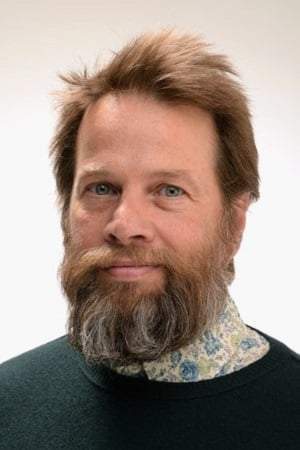
James Hoffman (James LeGros)
Played by James LeGros
An environmental scientist wary of the drilling project, often raising alarms about warming trends and ecological risk. He clashes with Pollack and the crew over the operation’s safety and ethics, and his skepticism foreshadows the escalating spectral and natural disturbances. He becomes a focal point of the external-threat dynamic and ultimately faces a fateful, otherworldly confrontation.
- 🧪 Scientist
- 🌡️ Environmentalism
- 🧯 Risk awareness
-

Abby Sellers (Connie Britton)
Played by Connie Britton
The surviving researcher who remains in the Arctic aftermath, waking up in a deserted hospital with memory gaps. She embodies resilience amid confusion, bearing witness to the collapse of the camp and the wider ecological cataclysm. Her perspective anchors the ending’s eerie, contemplative tone.
- 🧭 Survivor
- 🧠 Rational
- 💔 Trauma
Where and When Is The Last Winter Set?
The Last Winter is set in Arctic National Wildlife Refuge, Alaska and USA (Early 2000s). Here is why the time and place matter to the story.
When
Early 2000s
Set in the present-day Arctic, during a winter season when unseasonably warm temperatures heighten signs of climate change. The era features industrial interest in energy independence, government oversight in theory, and technological constraints that amplify isolation. The events lean into contemporary debates about fossil fuels, environmental risk, and the human cost of drilling in fragile regions.
Where
Arctic National Wildlife Refuge, Alaska, USA
The story unfolds in a remote Arctic base and drilling site within the Arctic National Wildlife Refuge. The harsh, snow-covered landscape is punctuated by temporary housing, a small camp, and cold, windy vistas typical of northern Alaska. The area functions as both workplace and battleground where nature and human activity collide, with caribou herds and brutal weather shaping the mood.
- ❄️ Arctic
- 🧭 Remote
- 🛢️ Oil drilling
What Are the Themes of The Last Winter?
3 ideas the story keeps returning to, among them Nature's Verdict, Isolation and Oil Ethic.
-
01
Nature's Verdict
The film treats the Arctic as a sentient force that reacts to humanity’s fossil-fuel ambitions. Spectral phenomena—ghostly caribou, a phantom moose, and Wendigo-like references—signal nature’s moral judgment on greed and exploitation. The environment is not a backdrop but an active antagonist that intensifies the crisis around the drilling operation. In this view, technology and industry cannot escape nature’s consequences.
-
02
Isolation
The remote camp isolates characters from the outside world, amplifying paranoia, fear, and moral doubt. Communication outages, sudden disappearances, and deadly accidents feed a claustrophobic atmosphere where trust frays and rivalries surface. The harsh landscape becomes a psychological minefield as individuals confront their own complicity in disturbing the Arctic balance. Survival hinges on navigating both physical unforgiving conditions and escalating tensions.
-
03
Oil Ethic
The narrative centers on the drive for energy independence and the costs of exploiting fragile ecosystems. The K.I.K. Corporation’s drilling ambitions collide with environmentalist concerns, regulatory caution, and the warning signs of climate-linked volatility. As accidents pile up and strange manifestations emerge, the film suggests that greed and the rush for fuel awaken unforeseen repercussions tied to the Earth itself.
What Kind of Film Is The Last Winter?
Dark in tone, with steady pacing and a moderate story, going by the plot summary.
- Tone
- Dark
- Pacing
- Steady
- Story
- Moderate
- Intensity
- High
- Ending
- Bleak
A steadily building, atmospheric horror that traps its characters in a remote arctic landscape, inducing a sense of paranoid dread as they confront both psychological unraveling and a potentially vengeful natural world.
- paranoid
- isolated
- claustrophobic
- ominous
- atmospheric
- fearful
- environmentalism
- supernatural horror
- arctic survival
- corporate greed
Content notes: suicide, graphic death, burning, psychological trauma.
Where to Watch The Last Winter
Stream it on AMC+ and Philo, or rent or buy it from Amazon Video and Apple TV Store. US availability and prices from JustWatch.
 AMC+ Amazon Channel
  AMC+ Roku Premium Channel
  Philo
Philo  Shudder
  Sundance Now
  Tubi TV

Streaming availability in the US, powered by