
The Kennel Murder Case 1933


Directed by
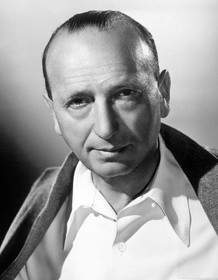
Michael Curtiz
Made by

Warner Bros. Pictures
Where to Watch The Kennel Murder Case
See current US streaming, rental, and purchase options for The Kennel Murder Case (1933) via JustWatch.

FlixFling
SD
fuboTV
HD
Great American Pure Flix Amazon Channel
SD
HBO Max
HD
HBO Max Amazon Channel
HD
IndieFlix
HD
IndieFlix Shorts Amazon Channel
SD
MGM Plus
HD
MGM+ Amazon Channel
SD
Philo
HD
Troma NOW
SD
Fawesome
HD
Hoopla
SD
JustWatch TV
HD
Public Domain Movies
SD
Cineverse
HD
Plex
HD
Plex Channel
HD
Pluto TV
SD
The Roku Channel
HD
Tubi TV
SD
Xumo Play
HD
Amazon Video
SD Streaming availability powered by 
The Kennel Murder Case Plot Summary
Read the complete plot summary and ending explained for The Kennel Murder Case (1933). From turning points to emotional moments, uncover what really happened and why it matters.
Philo Vance [William Powell] is pulled into a tangled web of suspicion after Archer Coe [Robert Barrat] is found dead in his locked bedroom the morning after his defeat at the Long Island Kennel Club show, a loss that gnaws at Coe’s pride and prideful control over those around him. The show’s result leaves a sour taste in many mouths, and Coe’s death shocks everyone enough to prompt a quick, conventional conclusion: suicide. The pistol in his hand and the clean gunshot wound to the head seem to seal the matter, and District Attorney Markham [Robert McWade] along with Detective Heath [Eugene Pallette] are quick to close the case, treating it as a grim self-inflicted end. But Vance isn’t convinced that a man so controlling and vindictive would go to such lengths without leaving a thread to pull.
As Vance sifts the scene, he pieces together a crowded field of possible suspects, each with a motive tangled in respect, romance, money, and betrayal. Hilda Lake [Mary Astor], Coe’s niece, resents his tight grip on her finances and fears any man who draws near her; her courting flame, Sir Thomas MacDonald [Paul Cavanagh], suspects Coe of thwarting his chance to win both affection and a fortune. Raymond Wrede [Ralph Morgan], Coe’s devoted secretary, bears a secretly hopeful affection for Miss Lake, but his hopes were crushed when she chose another. Doris Delafield [Helen Vinson], Coe’s neighbor and briefly his lover, had been unfaithful, a fact that complicates matters further because Grassi [Jack La Rue], the man connected to a lucrative art sale Coe canceled, had financial leverage over her. The entrails of the household expose more players still: Liang [James Lee], the quiet cook who had labored long and hard to assemble Coe’s vast Chinese collection, learned too much and was dismissed when he overheard plans that could threaten Coe’s ambitions. Brisbane Coe [Frank Conroy], Coe’s brother, had always despised him for reasons unknown, and Gamble the Butler [Arthur Hohl] bore a shadowy criminal past that may still haunt the estate.
Brisbane’s alibi begins to fray when Vance discovers that his brother’s presence in the train era conflicts with the timing of the murder, casting doubt on the assumption of a straightforward suicide. Yet another clue surfaces: a copy of Unsolved Murders found among Brisbane’s possessions, its pages bookmarked to a method of locking a door from the inside using string and fishing tackle—an apparent hint that two men might have engineered the night’s events. Vance demonstrates the technique to Markham [Robert McWade] and Heath [Eugene Pallette], turning the page from an abstract idea into a tangible possibility: two minds, two hands, two plans, each moving toward the same deadly outcome.
The tension escalates as attempts on Sir Thomas MacDonald’s life follow the original murder, with the same dagger striking in his own bedroom. A Doberman belonging to Doris Delafield [Helen Vinson] is found grievously wounded in the Coe library, and a thwarted plan to stage a clean escape crystallizes: someone has a motive, an opportunity, and a willingness to commit murder in cold, calculated ways. An alibi from Raymond Wrede [Ralph Morgan] claiming he sought to end his employment with Coe on the night of the murder becomes a pivotal detail. Vance’s instincts sharpen as he begins to see the pattern: the killer is one of two men who intended to end Coe’s life, and the night’s chaos was a grim cover for a more elaborate plot than anyone anticipated.
With each new reveal, Vance narrows the field, guiding Markham and Heath toward a confrontation that will force the truth into the light. He orchestrates a tense encounter at the Coe residence, pitting Sir Thomas against Wrede in a staged quarrel over Hilda Lake, hoping to provoke a reaction that would expose the killer. The plan works in a dangerous way: the moment Sir Thomas and Wrede clash, the Doberman lunges, the tension peaks, and the realization strikes that the original killing wasn’t the end of the danger. In the heat of the moment, Wrede confesses that Coe struck him after he refused to help in his pursuit of Miss Lake, a confrontation that precipitated the violent struggle and the fatal stabbing. Yet Wrede refuses to let Brisbane’s murder lie as a mere accident, insisting that the deed would have been different if circumstances had allowed, and he adds a chilling caveat: if given the chance, he would still kill Sir Thomas.
Throughout this meticulous unraveling, Vance’s careful logic and the dogs, secrets, and loyalties of the Coe household coalesce into a troubling, but clear, portrait of motive and opportunity. The mystery pivots on revenge, control, and the selfish calculations of love and ambition, showing that the murder of Archer Coe was not the work of a single hand but a complex calculus shared by more than one person. In the end, Vance’s relentless pursuit of truth exposes the human pieces that fit together in a dangerous, political puzzle: a web of relationships fraying under pressure, a night where two would-be killers moved in the shadows, and a final revelation that the forces behind the crime were not as simple as a suicide, but far more intricate, with the dog’s innocence and the servant’s past mingling with the ambitions of the living to reveal the real truth behind the crime.
The Kennel Murder Case Timeline
Follow the complete movie timeline of The Kennel Murder Case (1933) with every major event in chronological order. Great for understanding complex plots and story progression.
Dog Show Disappointment
Philo Vance's dog fails to reach the final of the Long Island Kennel Club show, leaving Archer Coe disappointed and eager to savor a victory over Vance. The loss stirs underlying tension among Coe's rivals and hints at the competitive motives at the heart of the case. The stage is set for conflict that will soon turn deadly.
Archer Coe Found Dead
The next morning, Archer Coe is found dead and locked inside his bedroom. Police assume suicide because he was shot and a pistol lies in his hand, but Philo Vance suspects foul play from the outset. The apparent certainty of suicide is immediately challenged by the suspicious circumstances.
Autopsy Clue
The coroner reveals that Coe bled to death internally from a stab wound, not a self-inflicted gunshot. This contradicts the suicide verdict and strengthens Vance's case that murder is involved. The contradictory evidence forces investigators to look beyond appearances.
Suspects Roundup
Vance catalogs a host of potential killers from Coe's circle, including his niece, a jealous lover, a secretary in love, a plumber, a cook, and a scheming brother and servant. Each character exhibits motive, opportunity, or an entitlement that could drive murder. The list underscores the tangled web of relationships surrounding Coe.
Brisbane's Flawed Alibi
Brisbane Coe becomes the prime suspect when his alibi of taking a train at the murder time appears unreliable. The suspect's travel record is questioned, which opens the door for further evidence to challenge the case. The train alibi collapse signals a turning point in the investigation.
Brisbane's Death and Clues
Later that same night Brisbane is found dead in a coat closet. Among his effects, Vance discovers a book titled Unsolved Murders with a bookmarked page detailing a door-locking method, suggesting two men plotted to kill Coe. The discovery hints at a deliberate, coordinated crime rather than a single impulsive act.
Assassination Attempt on Sir Thomas
An attack is launched on Sir Thomas MacDonald in his own bedroom using the same dagger associated with Coe's death. The incident confirms that the conspiracy involved multiple attackers and raises the stakes for solving the case. The threat adds urgency to Vance's investigation.
Doberman Attack in the Library
A Doberman belonging to Doris Delafield is found severely injured in the Coe library, apparently struck by a fireside poker. The animal's condition suggests a confrontation or staged scene, contributing another layer of suspicion for Vance. The library becomes a focal point for clues and danger.
Wrede's Alibi and Motives
Raymond Wrede, Coe's secretary, presents an alibi claiming he sought to end his employment with Coe the night of the murder. The claim introduces a potential motive and a possible window of opportunity, though it must be weighed against the broader set of clues. Vance keeps this lead in mind as he narrows the evidence.
A Two-Man Conspiracy
Vance concludes that two men sought to end Coe's life that night. One attacker succeeded; the other remained unseen, creating confusion over who stood at the heart of the crime. The theory reconciles the multiple near-misses and the staged elements of the death.
Final Confrontation and Death
The killer and Coe clash, with Coe stabbed and attempting to survive after waking. Brisbane is killed in a later misstep as the killer returns, mistaking him for Coe. Delafield's dog interrupts, breaking the killer's hold and providing a crucial interruption that helps shift the investigation toward the truth.
Staged Reveal and Confession
To trap the killer, Vance orchestrates a staged quarrel between Sir Thomas and Wrede over Hilda Lake. When Wrede lunges for a weapon, the dog springs into action and forces him to surrender. Wrede confesses that Coe struck him, and Brisbane's death is deemed a tragic mistake, sealing the case against him.
The Kennel Murder Case Characters
Explore all characters from The Kennel Murder Case (1933). Get detailed profiles with their roles, arcs, and key relationships explained.
Philo Vance (William Powell)
The calm, precise detective who pieces together the crime through keen observation, psychological insight, and theatrical showmanship. He connects the dots between alibis, motives, and concealed affairs, and orchestrates a reveal that exonerates the wrong suspects while exposing the true killer.
Archer Coe
Wealthy, controlling, and the center of social contention, Coe's murder triggers the investigation. His suspicious finances, guarded secrets, and conflict with those close to him fuel a web of potential motives.
Hilda Lake
Coe's niece who resents control over her finances and fears losing independence. Her romantic entanglements and social position make her a focal point of motive and suspicion within the household.
Sir Thomas MacDonald
Hilda's suitor who suspects Coe of motives around the dog show and her engagement. His position in the circle places him in potential conflict with Coe's dealings and power.
Raymond Wrede
Coe's secretary, in love with Hilda but rejected by her. His heartbreak and desire for advantage push him into aggressive actions, making him a key suspect with a volatile temper.
Doris Delafield
Neighbor and lover of Coe who is having an affair, her affair adds extra tension and risk of exposure that influences the murder plot.
Brisbane Coe
Archer Coe's brother who becomes a prime suspect; his alleged alibi is debunked, and his fate intertwines with the investigation as new truths emerge.
Dr. Doremus
The coroner who confirms the victim's bloodless, internal wound, revealing the murder's hidden brutality despite initial claims of suicide.
Liang
Longtime cook whose quiet presence and quiet warnings hint at deeper tensions within Coe's household and his illegal past helping to amass the collection.
Gamble the Butler
A loyal servant with a concealed criminal history, providing motive and opportunity in a household full of secrets and shifting loyalties.
Eduardo Grassi
Grassi, connected to the collector's artworks and the Milan-based transaction, is entangled in the conflict and illicit deals surrounding Coe's acquisitions.
The Kennel Murder Case Settings
Learn where and when The Kennel Murder Case (1933) takes place. Explore the film’s settings, era, and how they shape the narrative.
Time period
Early 1930s
The story unfolds in the early 1930s, a era of polished manners and burgeoning detective cinema. Upper-class gatherings on Long Island and the sprawling Coe estate set the stage for a meticulously plotted mystery. The period backdrop emphasizes formal social codes and the emergence of screen sleuths like Philo Vance.
Location
Long Island Kennel Club dog show, Coe residence, Milan Museum
The action centers on a prestigious Long Island dog show hosted by Archer Coe and the surrounding stately residence where the subsequent murder unfolds. It contrasts a fashionable, upper-class social milieu with a darker undercurrent of jealousy, secrecy, and power struggles. The Milan museum project and Coe's art collection provide motive threads that reach beyond the household.
The Kennel Murder Case Themes
Discover the main themes in The Kennel Murder Case (1933). Analyze the deeper meanings, emotional layers, and social commentary behind the film.
🕵️
Detective Work
Philo Vance drives the investigation with methodical reasoning, noticing overlooked details the police omit. The film builds a puzzle around a double attempt on Coe's life and a door-lock trick, relying on deduction over forensics. Vance's observations reveal hidden motives and confront inconvenient truths.
💰
Wealth & Jealousy
Financial control and social status power the characters' actions, from Coe's grip on his niece's fortune to Wrede's infatuation and disappointment. Jealousy threads through relationships, spurring distrust and murder. The mystery unfolds against a backdrop of elite privilege and competitive ambitions.
🐕
Dog & Show
The kennel club dog show is more than a backdrop; it catalyzes suspicion and alliances among rivals. The Doberman's involvement in the climactic scene links loyalty, danger, and collateral consequences of the feud. The spectacle also exposes the vulnerability of those who should be in control.
🧩
Puzzle & Twist
The plot hinges on a misinterpreted room sequence and a mistaken lethal outcome, turning appearances into traps. Two men allegedly aimed to kill Coe, but misdirection and timing create a complex, interwoven mystery. The climax relies on theater-like staging and a careful sequence of alibis being dismantled.

Coming soon on iOS and Android
The Plot Explained Mobile App
From blockbusters to hidden gems — dive into movie stories anytime, anywhere. Save your favorites, discover plots faster, and never miss a twist again.
Sign up to be the first to know when we launch. Your email stays private — always.
Explore the mobile appThe Kennel Murder Case Spoiler-Free Summary
Discover the spoiler-free summary of The Kennel Murder Case (1933). Get a concise overview without any spoilers.
In the leafy, exclusive world of Long Island’s Kennel Club, the season’s triumphs and defeats echo far beyond the show ring, shaping rivalries and whispered grudges among the elite. The atmosphere is a blend of genteel refinement and simmering tension, where polished estates hide the same sharp edges that make a dog’s bark cut through polished conversation. Against this backdrop, a high‑society collector whose taste for rare Chinese art has earned both admiration and resentment becomes the focal point of an unsettling mystery.
Philo Vance returns to the scene, a debonair sleuth whose reputation for turning clever deduction into elegant art is matched only by the quiet companionship of the Scottish terrier that never seems far from his side. Vance’s methodical mind and understated humor provide a calm counterpoint to the surrounding opulence, and his ability to read people as keenly as he reads a clue makes him a magnetic presence in any circle of suspicion. The terrier, ever‑present and slightly unlucky, adds a touch of endearing vulnerability to the detective’s otherwise polished demeanor.
When the collector—Archer Coe—is discovered dead under circumstances that suggest a locked‑room puzzle, the tranquil veneer of the Kennel Club’s world cracks open. The only immediate evidence is a shattered Chinese vase, an exquisite piece from the victim’s prized collection, now fragmented on the floor. Its delicate fragments hint at a story far more intricate than a simple accident, inviting Vance to piece together motives that lie beneath polished façades.
The film balances a tone of sophisticated intrigue with a dash of light‑hearted charm, letting the audience linger over smoky parlors, manicured gardens, and the subtle interplay of loyalty and ambition among those who orbit the victim. As Vance navigates the tangled web of relationships—family, lovers, rivals, and staff—his investigation becomes a study in how genteel society can conceal far‑reaching desires, all while the ever‑watchful terrier offers a quietly reassuring presence amid the unfolding enigma.
Movies with Similar Twists and Themes
Uncover films that echo the narrative beats, emotional arcs, or dramatic twists of the one you're exploring. These recommendations are handpicked based on story depth, thematic resonance, and spoiler-worthy moments — perfect for fans who crave more of the same intrigue.


Featured on this page

What's After the Movie?
Not sure whether to stay after the credits? Find out!
Check out our other apps:

SAT Sphere
Build confidence for the Digital SAT.

Mori Atlas
Discover wild places worth protecting.

Luntero
Search smarter for a home in Amsterdam.

Plot Explained
Unravel movie endings and hidden clues.

Pokechamp
Dive into Pokémon data and battle logic.

Driving Theory
Get ready for your European theory test.

Movie Dust
Plan your next cinema trip with ease.

Musemap
Find art and culture as you travel.

Selkobase
Compare credentials before committing.

Local Manual
Turn an unfamiliar country into practical next steps.

Lernavi
Compare school systems before your next move.

GymRoam
Find a workout stop wherever your plans take you.
Explore Our Movie Platform
New Movie Releases (2026)
Famous Movie Actors
Top Film Production Studios
Movie Plot Summaries & Endings
Major Movie Awards & Winners
Best Concert Films & Music Documentaries
Movie Collections and Curated Lists
© 2026 What's After the Movie. All rights reserved.
Privacy Policy