What Is The Ivory Game About?
The premise of The Ivory Game in 313 words, with nothing given away. The full story follows below.
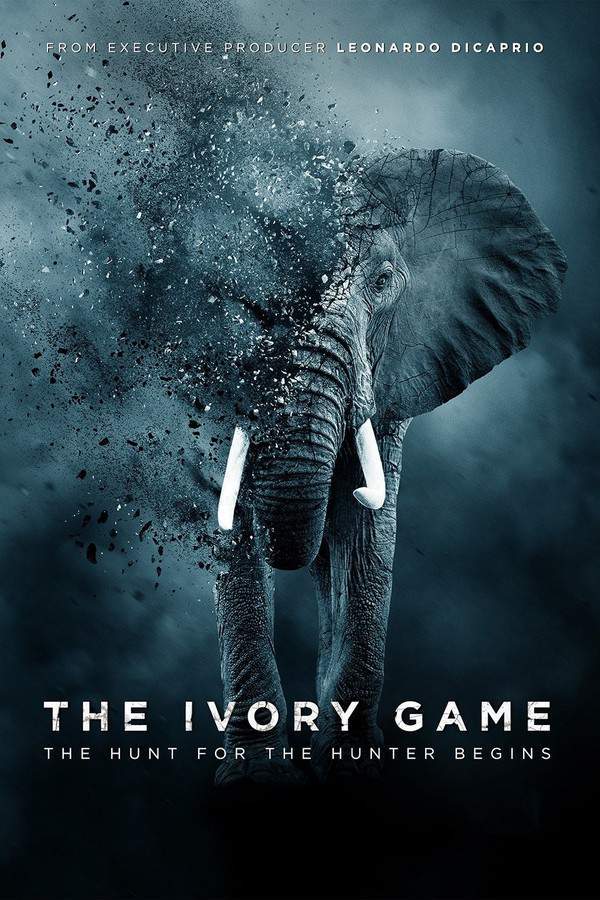
In a world where the silent march of elephants across the African savanna collides with a booming demand for their tusks, Keif Davidson and Richard Ladkani guide the camera into a relentless, under‑the‑radar quest. The documentary adopts a gritty, immersive tone, weaving together the heat‑baked plains of Tanzania, Kenya, and Zambia with the neon‑lit corridors of Hong Kong and mainland China. With a patient, almost journalistic eye, the filmmakers spend sixteen months living among the very people who shape the ivory trade, offering viewers a stark portrait of a crisis that feels both distant and intimately present.
On the African side, Elisifa Ngowi heads a dedicated task‑force, balancing the pressures of law enforcement with the urgent need to protect dwindling elephant populations. He works alongside Georgia, whose aerial surveys map the fragile herd migrations, and Craig Millar, a steadfast guardian whose daily patrols blur the line between conservation and community. Together they embody the quiet resolve of those who guard the wild, often aided by innovators like Ian Craig, whose decades‑long advocacy for protective fencing adds a layer of technological hope to the struggle.
Crossing continents, the narrative follows Andrea Crosta, leading an investigative team that slips into the labyrinth of Asian markets, and Hongxiang Huang, a journalist whose fluency in both cultures becomes a bridge to uncover hidden transactions. Their undercover forays hint at a complex network where legality and profit dance in ambiguous shadows, all while the stakes grow ever more urgent.
The film’s atmosphere is one of hushed tension punctuated by moments of breathtaking beauty, inviting viewers to feel the weight of an impending loss. It asks, without spelling it out, what will happen when a species that has roamed the earth for millennia is pushed to the brink by human greed. The mood is a careful balance of awe, anxiety, and a quiet call to witness—and perhaps, to act.
What Happens in The Ivory Game?
The complete story of The Ivory Game, from the first scene to the last, in 578 words (about 3 minutes). Spoilers throughout.
Spoilers ahead
The documentary delves into the harrowing issue of elephant poaching in Africa, intricately linked to the ivory trade flourishing in China and Hong Kong. Directed by Keif Davidson and Richard Ladkani, the film captures the relentless efforts of their team over a 16-month undercover operation, exposing the grim reality of elephant killings for their valuable tusks, which are often viewed as status symbols in parts of Asia. Alarmingly, in the last five years alone, 150,000 elephants have been slaughtered for their ivory, leading to vast regions in Africa being devoid of these majestic creatures. The remaining populations are primarily concentrated in western and southern Africa.
The documentary illustrates the stark contrast between the illicit black market and the desperate efforts by conservationists. It takes the audience from Tanzania, Kenya, and Zambia to China, Hong Kong, and even a brief stop in London. The opening scene unfolds in Tanzania, where Elisifa Ngowi, the head of intelligence for the Task Force, and his dedicated officers conduct a nighttime sting operation to apprehend Shetani, a notorious poacher responsible for the deaths of 10,000 elephants. This man hires hitmen to kill elephants and smuggles vast quantities of ivory—some collections weighing as much as 3000 kg. Poachers earn approximately $7 per kilogram, while the ivory fetches an astounding $3000 per kilogram in the Chinese market. It’s noted that African elephant populations have plummeted from 100,000 to 50,000 in just five years.
Ngowi diligently pursues intelligence regarding Shetani’s operations, sharing critical information with Zambian wildlife authorities. The team, led by Georgia, employs aerial surveys to monitor elephant populations in the Zambezi region, uncovering local ivory sellers. Meanwhile, in Kenya, Craig Millar, the head of security at the Big Life Foundation, tirelessly works to prevent poaching before it occurs, often clashing with local communities whose crops are raided by elephants. One poignant scene showcases Craig discovering a family of elephants that have been brutally slain, emphasizing the grim reality that even females and calves are at risk for their tusks.
As the narrative unfolds, we also learn about the integral role of electric fences in safeguarding elephant habitats, which Ian Craig has championed for decades to facilitate conservation efforts. The film highlights a collaboration between Craig and Ian as they track a migrating herd towards Somalia, a region notorious for acute poaching.
In a parallel narrative, Andrea Crosta, the investigative head for Wildleaks, and journalist Hongxiang Huang launch a precarious undercover operation in China to unveil the rampant illegal trade of ivory. They navigate the treacherous landscape of the ivory market, exposing dealers who boast about circumventing regulations and illicitly importing ivory from Africa. The Chinese government’s allowance of 5 tons of ivory to licensed dealers complicates the situation, blurring the lines between legal and illegal transactions.
The urgency of the documentary crescendos as Huang and Crosta confront the perilous realities of their investigation, which sees them gathering damning evidence against significant players in the ivory trade. With the stakes high, they strive to present their findings to authorities, aiming for an ivory trade ban that could ultimately save elephants from impending extinction.
As the film culminates, it reveals shocking statistics: without immediate action from governments worldwide, elephants may face extinction within the next 15 years. The documentary not only exposes a pressing global crisis but also serves as a clarion call for conservation, urging viewers to understand the profound implications of the ivory trade on the survival of one of Earth’s most iconic species.
The Ivory Game Timeline: Every Key Event in Order
13 key events in the order they happen, from “Introduction to Elephant Poaching” to “Understanding the Ivory Trade's Impact”. 5 events name a place, across 4 locations.
- 1
Introduction to Elephant Poaching
The documentary opens with a stark portrayal of elephant poaching in Africa, closely linked to the thriving ivory trade in China and Hong Kong. It sets the stage for a deeper exploration of this harrowing issue affecting the majestic creatures.
- 2
16-Month Undercover Operation
Directed by Keif Davidson and Richard Ladkani, the film recounts their team's arduous efforts over a 16-month undercover operation. This investigation illuminated the grim reality of elephant killings, often driven by the allure of tusks prized as status symbols in certain Asian cultures.
- 3
Startling Statistics
The documentary reveals alarming statistics showing that 150,000 elephants have been slaughtered for their ivory in just the last five years. The stark depiction emphasizes vast regions in Africa becoming devoid of elephants, with remaining populations primarily in western and southern Africa.
- 4
Nighttime Sting Operation in Tanzania
The opening scene unfolds in Tanzania, where Elisifa Ngowi and his team execute a nighttime sting operation targeting notorious poacher Shetani. This operation is crucial as Shetani is responsible for the deaths of approximately 10,000 elephants through his brutal poaching practices.
Where:Tanzania
- 5
Impact of the Ivory Trade
As the documentary progresses, it highlights the staggering profits from the ivory trade, with poachers earning $7 per kilogram while ivory can fetch $3000 in the Chinese market. This economic disparity fuels the ongoing poaching crisis, exacerbating the plight of elephants.
- 6
Tracking Elephant Populations
Under the guidance of Georgia, the team employs aerial surveys to monitor elephant populations in the Zambezi region. This innovative approach uncovers local ivory sellers and sheds light on the ongoing struggle to preserve the dwindling elephant numbers.
Where:Zambezi region
- 7
Conservation Efforts in Kenya
In Kenya, Craig Millar heads efforts to prevent poaching before it occurs, often clashing with local communities. His emotional discovery of a brutally slain family of elephants underscores the dire situation, revealing the vulnerability of even female elephants and their calves.
Where:Kenya
- 8
Role of Electric Fences
The film showcases Ian Craig's long-standing initiative of using electric fences to protect elephant habitats. This collaboration between Craig and local conservationists emphasizes proactive measures taken to safeguard elephants and facilitate their migration.
- 9
Undercover Operation in China
A parallel narrative follows Andrea Crosta and journalist Hongxiang Huang as they embark on a risky undercover operation in China. Their goal is to expose the illegal ivory trade, navigating through a landscape where dealers often flaunt their ability to bypass regulations.
Where:China
- 10
Licensed Ivory Dealers
The documentary delves into the complexities of the ivory trade, highlighting that the Chinese government allows 5 tons of ivory to be licensed for dealers. This regulation blurs the line between legal and illegal activities, complicating enforcement efforts and conservation initiatives.
Where:China
Show the other 3 events of The Ivory Game Hide the last 3 events
- 11
Gathering Evidence Against Traffickers
Huang and Crosta face perilous situations as they gather incriminating evidence against influential players in the ivory market. Their determined efforts focus on garnering enough proof to prompt authorities to take action and consider banning the ivory trade altogether.
- 12
Urgent Call for Action
As the film progresses, the urgency of the situation escalates, revealing that without immediate governmental action, elephants could face extinction within the next 15 years. This shocking statistic serves as a clarion call to viewers to recognize the gravity of the crisis.
- 13
Understanding the Ivory Trade's Impact
The documentary concludes by elucidating the profound implications of the ivory trade on the survival of elephants. It implores viewers to understand their role in conservation and the importance of supporting initiatives aimed at ending the poaching crisis.
Who Are the Main Characters in The Ivory Game?
3 characters, among them Elisifa Ngowi, Craig Millar and Andrea Crosta: who each one is and the part they play in the story.
- EN
Elisifa Ngowi
Elisifa Ngowi is portrayed as a determined and passionate leader in the fight against elephant poaching. As the head of intelligence for the Task Force, he coordinates efforts to apprehend notorious poachers like Shetani. His character embodies the relentless pursuit of justice and the commitment necessary to confront the challenges posed by the ivory trade.
- 🕵️♂️ Intelligence
- 🚔 Law Enforcement
- 💪 Determined
- CM
Craig Millar
Craig Millar plays a vital role in conservation efforts as the head of security at the Big Life Foundation in Kenya. He is depicted as a proactive protector of elephants, often clashing with local farmers due to the elephants' impact on their crops. His character represents the complexities and challenges faced in wildlife conservation, dedicating his efforts to preventing poaching before it occurs.
- 🛡️ Conservationist
- ⚔️ Protector
- 🌱 Community Engagement
- AC
Andrea Crosta
Andrea Crosta is introduced as the investigative head for Wildleaks, playing a crucial role in uncovering the illegal ivory trade in Asia. His character exemplifies bravery and dedication as he and his team undertake perilous undercover operations to expose illicit activities. He represents the vigilant efforts of activists who risk their safety to protect endangered wildlife.
- 🕵️♀️ Investigative Journalist
- 🌍 Activist
- 🚨 Brave
Where and When Is The Ivory Game Set?
The Ivory Game is set in Tanzania, Kenya, Zambia, China, Hong Kong, London (Contemporary). Here is why the time and place matter to the story.
When
Contemporary
The events depicted in the documentary unfold during a contemporary period marked by a drastic increase in elephant poaching. Over the last five years, the alarming rate of slaughter has led to significant declines in elephant populations across Africa. This crucial time frame highlights the pressing need for global awareness and action to combat the ongoing poaching crisis.
Where
Tanzania, Kenya, Zambia, China, Hong Kong, London
The documentary takes viewers on a journey through various countries in Africa, such as Tanzania, Kenya, and Zambia, highlighting the battle against elephant poaching. It also sheds light on the thriving ivory trade in China and Hong Kong, where the demand for ivory remains high. Each location plays a crucial role in understanding the severe impact of poaching on elephant populations and their habitats.
- 🌍 Locations
- 🐘 Wildlife
- 📍 Conservation
What Are the Themes of The Ivory Game?
3 ideas the story keeps returning to, among them Conservation, Justice and Crisis.
-
01
Conservation
The overarching theme of conservation is central to the documentary, aligning with the desperate efforts of individuals and organizations fighting to save elephants from extinction. It emphasizes the importance of awareness and education in addressing the illegal ivory trade. By showcasing the tireless work of conservationists and the harsh realities they face, the film calls for immediate action to protect vulnerable wildlife.
-
02
Justice
The theme of justice permeates the narrative as various characters work to bring poachers to account and tackle the rampant illegal trade of ivory. The documentary exposes the moral dilemmas involved in the ivory market and highlights the urgent need for stronger laws and enforcement to protect elephants. It portrays the struggle between profit and ethical responsibility in the context of wildlife conservation.
-
03
Crisis
The documentary vividly illustrates a global crisis regarding wildlife protection, particularly the plight of African elephants. With statistics revealing a devastating decline in elephant numbers, the film underscores the alarming effects of poaching and the ivory trade. It serves as a wake-up call, portraying the urgent ramifications of inaction and the pressing need to safeguard one of nature's most majestic species.
What Kind of Film Is The Ivory Game?
Tense in tone, with steady pacing and a straightforward story, going by the plot summary.
- Tone
- Tense
- Pacing
- Steady
- Story
- Straightforward
- Intensity
- High
- Ending
- Bittersweet
A tense and urgent investigative documentary that feels like a high-stakes crime thriller, exposing the brutal reality of elephant poaching and the global ivory trade with a sobering but determined tone.
- urgent
- anxious
- gripping
- harrowing
- determined
- suspenseful
- conservation
- wildlife crime
- investigative journalism
- poaching
Content notes: animal death, mass slaughter, graphic animal violence, corruption, organized crime.
Quiz
How well do you remember The Ivory Game? Test yourself on the story.
Where to Watch The Ivory Game
Stream it on Netflix. US availability and prices from JustWatch.
Stream 2
 Netflix
  Netflix Standard with Ads
 Streaming availability in the US, powered by