What Is The Immortal Story About?
The premise of The Immortal Story in 305 words, with nothing given away. The full story follows below.
In the smoky, lantern‑lit streets of nineteenth‑century Macao, the world feels both opulent and hushed, a place where fortunes are whispered behind heavy curtains and the sea’s distant roar carries old superstitions. The city’s narrow alleys and crowded tea houses pulse with the cadence of foreign traders, mandarins, and the ever‑present scent of salt, setting a stage that feels at once intimate and boundless, as if every corner might conceal a story waiting to be set alight.
Merchant is an aging, affluent trader whose quiet life is punctuated by the echo of a maritime legend—a tale of a rich man offering a sailor a sum to enact a daring, intimate deception. Beside him, his meticulous book‑keeper Levinsky moves through the house with measured precision, his loyalty shifting between duty and curiosity. Their evenings are spent in candle‑filled rooms where fragmented memories surface, and the old man’s fascination with the legend becomes a catalyst for something more than idle fancy.
When the notion of turning myth into lived performance takes hold, Levinsky is dispatched to find the actors who will embody the story’s roles. He encounters Virginie, a sharp‑tongued daughter of a once‑prominent partner whose family’s fortunes have crumbled under the merchant’s mercantile dealings, and Paul, a young Danish sailor rescued from an isolated shore, both carrying their own histories of loss and yearning. Their meeting ignites a delicate tension, a mixture of unspoken motives and reluctant curiosity that hints at deeper currents beneath the surface of the orchestrated drama.
The film drifts between muted melancholy and quiet intrigue, its tone steeped in atmospheric prose that never fully reveals its intentions. As the characters converge around the old legend, the audience is left to wonder how the fragile threads of ambition, revenge, and longing might intertwine, leaving an echo that lingers long after the lanterns dim.
What Happens in The Immortal Story?
The complete story of The Immortal Story, from the first scene to the last, in 455 words (about 2 minutes). Spoilers throughout. Names in the text link to 5 cast member pages.
Spoilers ahead
In nineteenth-century Macao, the aging Merchant, Fernando Rey presides over a life of quiet wealth, attended by his steadfast book-keeper, Elishama Levinsky, Roger Coggio. One evening, while Levinsky reads to Mr. Clay, Orson Welles, the atmosphere in the candlelit rooms grows thick with old memories and unspoken tensions. Clay declares his contempt for prophecies and interrupts to tell a shipboard tale he heard long ago about a rich old man who offers a sailor five guineas to impregnate his wife. Levinsky, who has heard versions of the same story from many seamen, quietly completes the narrative, and a dangerous spark is lit: the idea of turning a legend into a living act.
Clay’s obsession intensifies as he resolves to make the legend come true, and Levinsky is dispatched to recruit a sailor and a young woman to play the roles of husband and wife in this macabre experiment. The search leads Levinsky to Virginie Ducrot, Jeanne Moreau, the daughter of Clay’s former business partner. Virginie’s father was driven into bankruptcy and ultimately suicide by Clay’s ruthless dealings, leaving her with a burning hunger for revenge. On the streets, a destitute sailor named Paul, a young Dane rescued from a desert island, Norman Eshley is found and recruited. Paul, who has heard the same tale as everyone else, initially refuses, but the promise of money persuades him to take part.
As Virginie and Paul enter this fragile bond of complicity, a subtle emotional thread develops between them, even as they prepare to fulfill a plan that will wound Clay’s reputation and sting his pride. Virginie’s bitterness eases as she sees a possible path to vengeance, while Paul allows himself to be drawn into a companionship he never expected. Yet the pair’s union remains transactional, and once the plan unfolds, they drift toward separate destinies—Virginie releasing her fury, Paul stepping away from the villa with a quiet sense of loss. Before he leaves, Paul asks Clay to give Virginie a shell he found on his desert island that will play a song if she holds it to her ear, a small, haunting keepsake of a voyage and an alliance built on a dangerous lie.
Levinsky returns to report what happened, only to discover that the old merchant has died, leaving the operation unfinished and its moral weight unresolved. He brings the shell to his ear and, with a growing sense of déjà vu, remarks that the song sounds familiar, though the memory of where he heard it eludes him. The film closes on this note of memory and ambiguity, suggesting that some threads of fate, once set in motion, persist beyond the lives of their architects, leaving behind echoes that neither time nor death can fully quiet.
The Immortal Story Timeline: Every Key Event in Order
12 key events in the order they happen, from “Clay's life in Macao” to “Ending impression”. 12 events name a place, across 7 locations.
- 1
Clay's life in Macao
In nineteenth-century Macao, the wealthy merchant Mr. Clay lives at the end of his life with only his book-keeper Levinsky for company. Clay harbors a growing disdain for prophecies and the idea that fate can be guided by stories. He becomes curious about turning a shipboard legend into reality.
When:late 19th century Where:Macao
- 2
Isaiah prophecy recited
One evening, Levinsky reads to Clay and recites a prophecy by Isaiah. Clay reacts with hostility toward prophecies and reluctantly focuses on a tale he heard on a ship. This exchange seeds the central obsession that drives the plot.
When:evening Where:Clay's room, Macao
- 3
The tale told and expanded
Clay begins to tell the story of a rich old man who offers a sailor five guineas to impregnate his wife. Levinsky, who has heard the same tale from many seamen, completes or embellishes the story, reinforcing its plausibility. This shared legend makes Clay yearn to realize it in reality.
When:night Where:Macao
- 4
Obsession and dispatch
Clay's fixation grows as he resolves to make the tale come true, no matter the cost. He dispatches Levinsky to find a suitable sailor and a young woman to play the wife. The project marks a dangerous turning point for all involved.
When:days later Where:Macao
- 5
Virginie as ally
Levinsky approaches Virginie, daughter of Clay's former business partner, who has fallen from prosperity due to Clay's ruthless practices. She embraces the plan as a chance to exact revenge and secure a new future. Her motive is not romance but retribution.
When:days later Where:Macao
- 6
Paul found and recruited
The destitute sailor Paul, a young Dane rescued from a desert island, is found on the street and recruited to play the sailor. He initially refuses, but Clay reminds him that money can change his life, and Paul finally agrees.
When:days later Where:City streets; Paul's desert island origin
- 7
Virginie and Paul's bond
Virginie and Paul develop an emotional bond during their brief union, though their paths will diverge afterward. Virginie experiences a softening of her bitterness toward Clay as she shares moments with Paul. Paul departs toward an uncertain future, leaving Virginie behind.
When:after the union Where:Villa
- 8
The desert island shell
Before leaving, Paul gives Virginie a shell he found on his desert island, promising it will sing if she places it to her ear. The shell becomes a tangible link to the island and to the story that has consumed Clay and Levinsky.
When:before departure Where:Villa
- 9
Levinsky learns of Clay's death
Levinsky goes to inform Clay of what has happened, but discovers the old merchant has died. The revelation ends the immediate scheme and leaves the conspirators with a hollow victory and unresolved fates. The moment underscores the fragility of their plans.
When:after Paul and Virginie's encounter Where:Clay's villa
- 10
Paul's departure
After fulfilling his part, Paul is seen walking away from the villa, his future unclear. The film hints at a quiet liberation or a future unknown beyond the immediate plot. This departure marks a quiet, unresolved ending.
When:after departure Where:Villa outskirts
- 11
The shell's echo
Levinsky retrieves the shell and holds it to his ear, reporting that he has heard a familiar song before but cannot remember where. The moment echoes the prophecy and unsettles him, suggesting memory and fate are tangled in the chain of events.
When:after Clay's death Where:Levinsky's quarters or villa
- 12
Ending impression
The story leaves the audience with a sense that the prophecy's song lingers, tying the island memory to Clay's life and Levinsky's recollections. The characters' actions blur the line between legend and reality as the shell's tune hints at a past they cannot fully recall.
When:ambiguous Where:Macao
Who Are the Main Characters in The Immortal Story?
5 characters, among them Charles Clay (Orson Welles), Virginie Ducrot (Jeanne Moreau) and Elishama Levinsky (Roger Coggio): who each one is and the part they play in the story. Every profile links to the actor’s page.
-
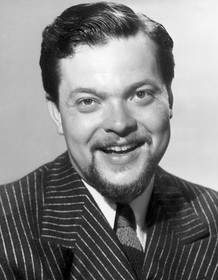
Charles Clay (Orson Welles)
Played by Orson Welles
An aging, powerful merchant whose wealth fuels his desire to see a myth become real. He treats prophecy as a challenge to control his fate and uses others to enact his will. His ruthlessness masks vulnerability and a fear of insignificance in his final days. He remains the driving force behind the elaborate ruse.
- 💼 Wealthy
- 🧠 Manipulative
- ⏳ Obsessive
- 🗺️ Aging
-

Virginie Ducrot (Jeanne Moreau)
Played by Jeanne Moreau
Daughter of Clay's former business partner, driven by betrayal and a hunger for revenge. She joins the scheme to topple Clay's power and uses a complicated bond with Paul to pursue her goals. Her bitterness is tempered by strategic thinking and risk-taking as she navigates the mercantile world.
- 💔 Revenge
- 🎭 Scheming
- 💪 Resilient
- EL
Elishama Levinsky (Roger Coggio)
Played by Roger Coggio
Clay's Polish-Jewish book-keeper who knows the prophecy and becomes the agent arranging the sailor and the woman for the tale. He remains calm, calculating, and loyal, serving as the thread that binds the different players together. His narration anchors the plot’s shifting moral ground.
- 🧭 Loyal
- 🧠 Calculating
- 🗝️ Keeper
- PT
Paul, the Sailor (Norman Eshley)
Played by Norman Eshley
A destitute Dane rescued from a desert island who is recruited to play the husband in the staged tale. He is initially reluctant but agrees for money, and his evolving bond with Virginie adds emotional tension to the scheme. His participation reveals the human cost behind grand plans.
- 🏝️ Desert Island Survivor
- 💰 Money-driven
- 🤝 Bond
-
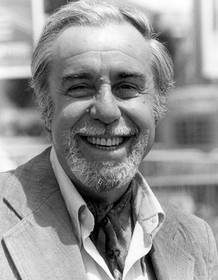
Merchant (Fernando Rey)
Played by Fernando Rey
An aging, powerful trader whose wealth drives the scheme; he embodies mercantile ambition and willingness to manipulate reality for personal gain. He uses his influence to propel the plan forward, illustrating how money can steer fate.
- 💼 Wealth
- 🧠 Manipulative
- ⚖️ Control
Where and When Is The Immortal Story Set?
The Immortal Story is set in Macau (Macao) (19th century). Here is why the time and place matter to the story.
When
19th century
The events unfold in the late 1800s, a period of global maritime trade and colonial influence in East Asia. Wealth and influence shape social hierarchies as a prosperous merchant bids to turn a legend into reality. Prophecy and storytelling blur with reality, turning a simple tale into a dangerous plan. The mood blends opulence with risk, matching the era's appetite for power and intrigue.
Where
Macau (Macao)
Set in nineteenth-century Macau, a bustling port city on the Pearl River Delta where East meets West. The action centers on a grand villa belonging to the aging merchant, with scenes that move to docks and ships connecting Macau to distant shores. A desert island backstory adds a remote, windswept space to the tale, enriching the sense of travel and commerce that defines the setting.
- 🗺️ Port city
- 🧭 East meets West
- 🚢 Docks and ships
What Are the Themes of The Immortal Story?
3 ideas the story keeps returning to, among them Story Power, Greed & Control and Mortality.
-
01
Story Power
Clay's obsession with turning a legendary tale into reality shows how a single story can steer choices and justify immoral acts. Levinsky acts as the conduit between tale and execution, exposing how memory and narrative can be manipulated. The film questions whether stories create reality or merely reflect it, and whether some tales are too dangerous to enact. Ultimately, it probes the ethical cost of letting fiction drive real lives.
-
02
Greed & Control
Money fuels the scheme, enabling Clay to orchestrate others and demand obedience. Wealth corrupts loyalties, turning affection and revenge into calculated instruments. Virginie’s participation shows how financial motive intertwines with personal vendetta. The plot condemns mercantile hunger that uses people as instruments to bend fate.
-
03
Mortality
The old man's approaching death frames the urgency of the plan and exposes life's fragility. Levinsky's discovery of Clay's death before the plan completes underscores the fragile boundary between myth and life. Age and loneliness drive the characters, turning the tale into a meditation on memory, oblivion, and what endures after death. The ending suggests that mortality outlasts even the grandest schemes.
What Kind of Film Is The Immortal Story?
Melancholic in tone, with slow pacing and a moderate story, going by the plot summary.
- Tone
- Melancholic
- Pacing
- Slow
- Story
- Moderate
- Intensity
- Low
- Ending
- Ambiguous
A quietly melancholic and atmospheric film that unfolds like a dream, exploring themes of memory and mortality with a slow, contemplative pace and an emotionally resonant yet somber tone.
- melancholic
- quiet
- contemplative
- somber
- dreamlike
- lonely
- memory
- mortality
- wealth and power
- artifice vs reality
Content notes: suicide (mentioned), emotional manipulation.
Quiz
How well do you remember The Immortal Story? Test yourself on the story.
Where to Watch The Immortal Story
Stream it on Criterion Channel, or rent or buy it from Amazon Video and Apple TV Store. US availability and prices from JustWatch.
Stream 1
 Criterion Channel




Streaming availability in the US, powered by