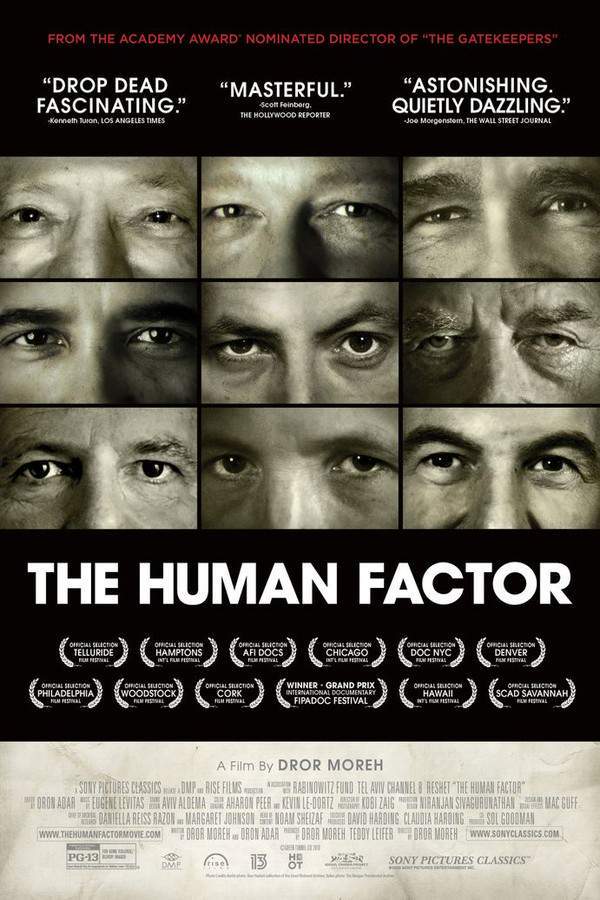
What Is The Human Factor About?
The premise of The Human Factor in 240 words, with nothing given away. The full story follows below.
In the shadowed corridors of a post‑Cold‑War intelligence service, Maurice Castle moves through a world where bureaucracy masks a restless undercurrent of suspicion. A well‑educated, mid‑level operative, he balances the demands of a demanding agency with the quieter obligations of family life—his wife Sarah and their son Sam. The office is populated by seasoned figures whose guidance shapes the daily rhythm: the calculating Dr. Percival and the authoritative Sir John Hargreaves. Their counsel hints at a larger, unseen chessboard where every report could tip the balance.
Against this backdrop, Castle finds his professional idealism increasingly tested by the subtle machinations of colleagues and the ever‑present threat of hidden agendas. An unexpected partnership with his charismatic office mate Arthur Davis places him at the centre of whispered doubts about loyalty and intention. The atmosphere is one of restrained tension, where polite conversation conceals a simmering urgency, and where the line between duty and conscience grows ever thinner.
The film’s tone is a quiet, relentless unease that blends methodical procedural detail with a personal, almost claustrophobic sense of stakes. Viewers are drawn into a landscape of muted corridors, late‑night briefings, and the nagging feeling that every choice may ripple far beyond the office walls. As Castle navigates the maze of internal scrutiny and external pressure, the narrative invites questions about trust, the cost of secrets, and how far a man will go to protect the fragile world he has built around himself.
What Happens in The Human Factor?
The complete story of The Human Factor, from the first scene to the last, in 657 words (about 3 minutes). Spoilers throughout. Names in the text link to 6 cast member pages.
Spoilers ahead
Maurice Castle Nicol Williamson is a well-bred, mid-level bureaucrat in MI6 whose life seems unremarkable, apart from his African wife, Sarah Iman and son, Sam. The company regime, represented by éminence grise Dr. Percival Robert Morley and agency higher-up Sir John Hargreaves Richard Vernon, advise newly appointed security chief Daintry that analysis of intelligence from a double agent they have planted in Moscow indicates that there is a leak in Castle’s department. The info being shared with the KGB is trivial, but one never knows where things may lead.
The duo determine the mole must be identified and quietly eliminated, rather than be allowed publicity in a trial or defection to Moscow. They quickly decide the most likely candidate for the traitor is Arthur Davis Derek Jacobi, Castle’s red brick–educated playboy office partner.
Percival plants a seemingly tantalising intelligence tidbit with Davis, which he and Hargreaves assume will be passed on to the Soviets. Instead, unravelled by the intensive security scrutiny he is being subjected to, and utterly clueless why, Davis idly shares it with Castle. When the telltale bait shows up in Moscow, Percival concludes with myopic certainty that Davis was its source. An expert in assassinations and biological toxins, the doctor then injects a hungover, bedridden Davis with a toxin that makes it appear the man’s liver had given out from alcoholism.
Castle is given the task of hosting an old nemesis from his days being posted in apartheid South Africa seven years earlier: Muller Joop Doderer, the chief intelligence officer who had tormented him. Operating under his cover as a writer, Castle had been tasked by MI6 with observing the local Communist movement. He befriended its white leader, Matthew Connolly, who introduced him to the beautiful, sophisticated Bantu, Sarah. The couple fell for one another, and soon became intimate. Caught in a South African surveillance sting intended to compromise him into doing Muller’s bidding, Castle fled the country to avoid arrest and exposure, then awaited Sarah – pregnant by a previous, then-deceased boyfriend – being smuggled to him by Connolly.
Ever since then, Castle has been repaying the favour by passing information on to the Soviets via a contact in London, and flinches when Muller casually drops that Connolly had recently “accidentally” died in police custody. Shortly after, he learns in an agency briefing given by Muller of a plan for the South Africans to use U.S.-supplied tactical nuclear weapons to eradicate the nation’s Communist insurgents en masse. Although he is not a Communist, Castle feels compelled as a humanitarian to pass a warning on to Moscow, no matter the risk of shining MI6’s counterintelligence security spotlight on himself.
Seeking to stay one step ahead of Percival and Daintry, he surrenders himself into the hands of underground Communist operatives in Britain, who successfully smuggle him to safety in the Soviet Union. Having received assurances from his handler that his wife and child would soon join him there, he grows impatient when he learns that MI6 is preventing them from leaving Britain. Ultimately, a passport complication is arranged to force Sarah to choose between her husband and son.
Desperate, despondent, and isolated, Castle is reduced to a powerless pawn by the Soviets and forced to appear in a press conference both announcing his defection and denouncing the “Uncle Remus” nuclear ambush plan. The two worst fates of which he can conceive – losing his wife and child, and not only forfeiting his career and nation but being coerced into representing himself as both a Communist and a traitor when he never intended to be either – close in on him like the jaws of a vice. He is so overcome to hear from Sarah that she cannot, will not come, he is unable even to hang up the phone when their connection is lost. He collapses in anguish as its receiver swings like a pendulum from its cord, foreshadowing the approaching end of his rope.
The Human Factor Timeline: Every Key Event in Order
13 key events in the order they happen, from “Castle's ordinary life with family” to “Sarah's decision and Castle's collapse”. 13 events name a place, across 8 locations.
- 1
Castle's ordinary life with family
Maurice Castle appears to lead a quiet, unremarkable life as a mid-level MI6 bureaucrat. He is married to Sarah and has a young son, Sam, grounding his loyalties beyond the office. The mix of family life and a discreet career hints at stakes that go beyond routine espionage.
Where:London
- 2
MI6 detects a possible leak in Castle's department
Dr. Percival and Sir John Hargreaves brief newly appointed security chief Daintry that intelligence from a double agent in Moscow suggests a leak within Castle's division. The concern is not about a dramatic public scandal, but about the potential for information to drift into hostile hands. The atmosphere is tense, with high-level urgency to identify the source quietly.
Where:MI6 Headquarters, London
- 3
Decision to quietly neutralize the mole
The regime decides that the traitor should be identified and eliminated covertly rather than risking a trial or defection. They settle on the most likely candidate, Arthur Davis, and prepare a covert strategy to smoke him out. The plan hinges on controlled exposure rather than public exposure.
Where:MI6 Headquarters, London
- 4
Davis lured with taunting intelligence
Percival plants a seemingly tantalising intelligence tidbit with Arthur Davis in the hope that Davis will pass it along to the Soviets. The bait is crafted to provoke a formal exchange that can be traced back to the source. The trap relies on Davis's routine, unwary handling of sensitive material.
Where:Davis's office
- 5
Moscow learns of the tainted intel
Davis, under pressure, casually shares the tidbit with Castle, unaware of the trap. The information is then picked up by contacts and eventually reaches Moscow, where it appears to trace back to the suspected mole. The double agent network reads the signals as a confirmation of their suspicions.
Where:Moscow, USSR
- 6
London confirms the mole is likely Davis
Back in London, Percival and colleagues grow convinced that Arthur Davis was the source of the leak based on the Moscow transmission. The hunt tightens, and Davis becomes the principal target of covert scrutiny. The decision to neutralize him becomes increasingly irreversible.
Where:London
- 7
Davis is eliminated by toxin
To make the loss appear natural, Percival administers a toxin to the incapacitated Davis, producing symptoms that mimic liver failure from alcoholism. The death is staged to look unremarkable to outside observers. The covert operation secures its first, deadly result without public accountability.
Where:Hospital setting
- 8
Castle hosts Muller, old nemesis from SA
Castle is tasked with hosting his old nemesis Muller, who operates under the cover of being a writer. Muller represents the shadowy entanglements of Castle’s past in apartheid South Africa and the murky web between espionage and personal history. The encounter underscores how personal history can intersect with present danger.
Where:Britain
- 9
Connolly's death and Castle's past with Sarah
Muller soberly drops that Matthew Connolly, the white South African connection, had recently died in police custody, a detail that reverberates through Castle’s past. He also reminds Castle of how Connolly introduced him to Sarah, deepening the gravity and complexity of his personal history. The revelation weighs on Castle as he contemplates loyalties and betrayals.
Where:Britain
- 10
South Africa nuclear plan surfaces
The briefing reveals a plan by South Africa to deploy U.S.-supplied tactical nuclear weapons to eradicate Communist insurgents en masse. Castle, though not a Communist himself, feels a humanitarian imperative to warn Moscow about the looming catastrophe. The stakes grow beyond espionage to global catastrophe.
Where:Britain
Show the other 3 events of The Human Factor Hide the last 3 events
- 11
Castle seeks refuge in the Soviet Union
Moved by the humanitarian anxieties and seeking safety, Castle surrenders to underground Communist operatives and is smuggled to the Soviet Union. He is assured that his wife and son will join him there, creating a fragile hope amid increasing danger. The journey marks a drastic turn from a London bureaucrat to a political pawn.
Where:Britain → Soviet Union
- 12
MI6 blocks family departure and sparks a crisis
In Britain, MI6 blocks Sarah and Sam from leaving, orchestrating passport complications intended to force Sarah to choose between her husband and her son. Castle is compelled to appear at a press conference announcing his defection and denouncing the Uncle Remus nuclear plan, compounding his personal peril with public exposure. The lines between loyalty, family, and national duty blur in a devastating way.
Where:Britain
- 13
Sarah's decision and Castle's collapse
A tense phone call reveals that Sarah cannot join him, a revelation that proves too much for Castle. He cannot even hang up the receiver as their connection falters, and he collapses in anguish, the weight of his life and choices crashing down around him. The film closes on his broken, solitary moment.
Where:Soviet Union / Britain (phone call)
Who Are the Main Characters in The Human Factor?
6 characters, among them Maurice Castle (Nicol Williamson), Dr. Percival (Robert Morley) and Sir John Hargreaves (Richard Vernon): who each one is and the part they play in the story. 5 of them link to the actor’s page.
-
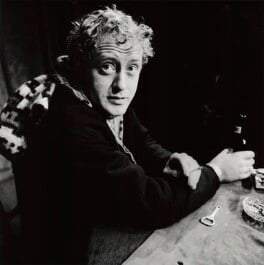
Maurice Castle (Nicol Williamson)
Played by Nicol Williamson
A well-bred MI6 bureaucrat whose orderly life conceals a tumultuous past and hidden loyalties. He loves his African wife Sarah and their son, placing him at odds with the agency’s rigid expectations. Negotiating between duty and humanity, he becomes a pawn in a plan to smoke out a mole, ultimately seeking safe passage to the Soviet Union while facing family pressures and coercion. His collapse under pressure reveals the fragility of a man caught between two worlds.
- 🕵️ Spy
- 🧭 Loyalty
- 💔 Family
-
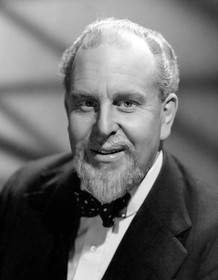
Dr. Percival (Robert Morley)
Played by Robert Morley
The éminence grise of the operation, a ruthless strategist who orders the elimination of the suspected mole. An expert in assassinations and biological toxins, he engineers a deadly trap to constrain a target from revealing secrets. His calm, calculating demeanor masks a willingness to cross ethical lines for perceived national security. Percival embodies the chilling efficiency of a mind that treats people as chess pieces.
- 🕵️ Spy
- 🧪 Toxicology
- 🧠 Cunning
-
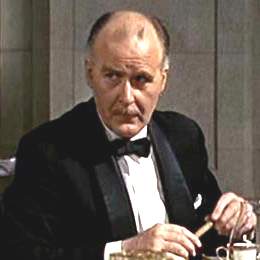
Sir John Hargreaves (Richard Vernon)
Played by Richard Vernon
A high-ranking MI6 official who endorses aggressive tactics to protect the agency’s image and secrets. He represents the institutional side of espionage, prioritizing discreet resolutions over public accountability. His decisions push Castle deeper into a web of intrigue, showing how power structures shape individuals’ fates. He remains a steady, calculating presence behind the scenes.
- 🏛️ Authority
- 🗝️ Secrecy
- ⚖️ Power
-
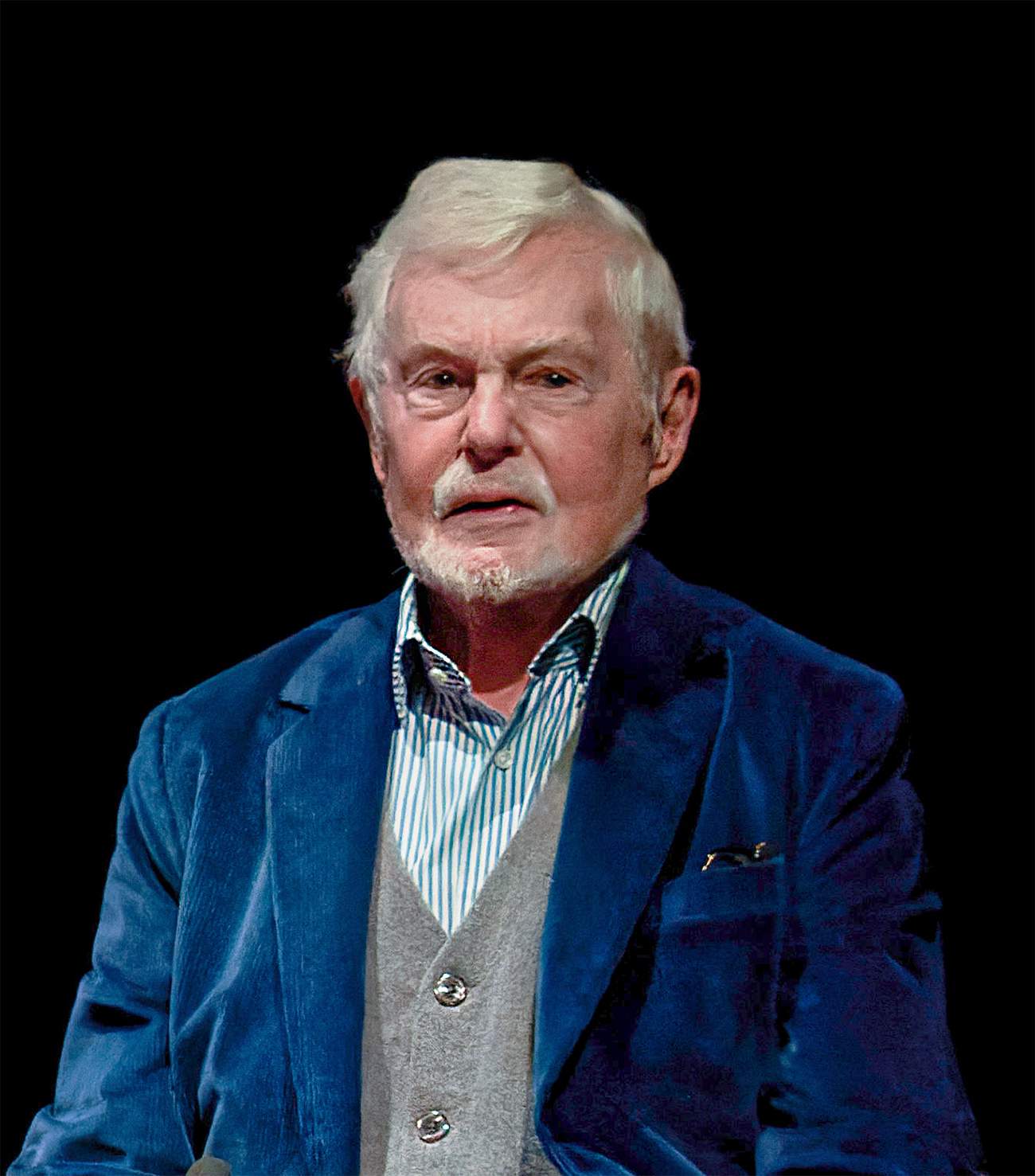
Arthur Davis (Derek Jacobi)
Played by Derek Jacobi
Castle’s office partner and a seemingly ordinary red brick–educated man who becomes the prime suspect in the mole mystery. His vulnerability to the planted information makes him a scapegoat in a larger scheme. The unraveling of Davis’s fate—culminating in a toxin-induced illusion of liver failure—exposes the brutal cost of intelligence work. He embodies how moments of carelessness can seal a life’s doom.
- 🕵️♂️ Suspect
- 🧬 Human
- 💥 Tragedy
- SC
Sarah Castle (Iman)
Played by Iman
Castle’s African wife, a pivotal emotional anchor whose relationship with him is tested by geopolitical intrigues. She is caught between country, husband, and child as passport complications threaten to separate the family. Her restraint and strength are implied through the emotional toll of separation and possible defection. Her stance ultimately shapes Castle’s decisions about safety and loyalty.
- 💞 Family
- 🛡️ Protection
- 🧭 Identity
- MC
Matthew Connolly
Castle’s white ally in the Communist movement whom Castle befriends during his past in South Africa. Connolly’s role helps bridge Castle’s past with his present, providing a backdrop to the moral complexities of cross-border loyalties. He is connected to the broader web of political intrigue that underscores Castle’s current predicament. His fate underscores the perils of underground alliances.
- 🏷️ Ally
- 🧭 Past ties
- 🕯️ Legacy
Where and When Is The Human Factor Set?
The Human Factor is set in London, Moscow, South Africa, Britain and Soviet Union (Late 1970s). Here is why the time and place matter to the story.
When
Late 1970s
Set in the Cold War era, the film unfolds amid tight CIA/MI6 security measures, double agents, and the constant risk of political exposure. Espionage tactics and covert operations dominate the atmosphere, with the threat of nuclear escalation hovering in the background. The period’s tech and political climate shape how information is safeguarded, leaked, and weaponized. The plot moves between London, Moscow, and the Soviet Union as characters navigate shifting loyalties.
Where
London, Moscow, South Africa, Britain, Soviet Union
The story centers on London as the MI6 hub where Castle works and where top brass like Percival and Hargreaves operate. Moscow features as the backdrop for the mole’s signal and the tension between Western intelligence and Soviet counterintelligence. South Africa provides the historical memory of Castle’s past and the shadow of apartheid’s security state. Britain and the Soviet Union bookend the narrative, driving the tension between defection and loyalty as Castle seeks refuge and control over his fate.
- 🗺️ Urban
- 🕵️♂️ Espionage
- 🕰️ Cold War
What Are the Themes of The Human Factor?
3 ideas the story keeps returning to, among them Loyalty vs Duty, Moral Ambiguity and Disguise & Deception.
-
01
Loyalty vs Duty
Castle’s sense of duty to MI6 constantly clashes with his private loyalties to his wife Sarah and their son. The agency’s insistence on protecting secrets drives characters to make morally gray choices. The plot probes what a person owes to country versus family, and how far one should go to protect either. The climax tests whether duty can justify deception and personal sacrifice.
-
02
Moral Ambiguity
The movie toys with the idea that there are no clean lines between right and wrong in espionage. Percival’s ruthless methods, including faking a death to trap a suspect, reveal leadership built on manipulation and calculated risks. MI6’s pursuit of security sometimes requires compromising ethics. Viewers are invited to question whether ends justify means when innocent lives are caught in the crossfire.
-
03
Disguise & Deception
Characters wear masks—Castle hides his past and loyalties, while the mole is hidden in plain sight. The story's trajectory depends on misdirection, double deals, and betrayals that blur the line between friend and foe. Castle’s own defection ruse and the public acceptance of a “traitor” highlight how appearances can be manufactured. Deception becomes a tool for survival in a world where trust is scarce.
What Kind of Film Is The Human Factor?
Dark in tone, with steady pacing and a moderate story, going by the plot summary.
- Tone
- Dark
- Pacing
- Steady
- Story
- Moderate
- Intensity
- High
- Ending
- Bleak
A tense and morally bleak Cold War thriller that creates a claustrophobic atmosphere of paranoia, where personal ideals are crushed by ruthless ideological systems, leading to an emotionally devastating conclusion.
- anxious
- claustrophobic
- paranoid
- melancholic
- tense
- isolating
- espionage
- betrayal
- cold war
- political thriller
Content notes: assassination, political persecution, family separation.
Quiz
How well do you remember The Human Factor? Test yourself on the story.
Where to Watch The Human Factor
Rent or buy it from Amazon Video and Apple TV Store. US availability and prices from JustWatch.





Streaming availability in the US, powered by