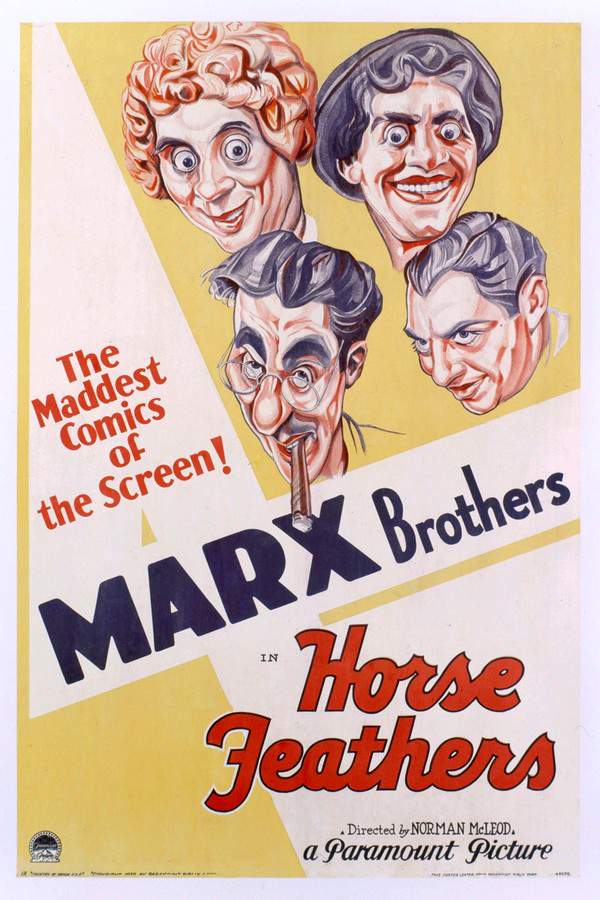
What Is The Horse’s Mouth About?
The premise of The Horse’s Mouth in 313 words, with nothing given away. The full story follows below.
In the winding alleys and river‑capped rooftops of London, the world feels both cramped and boundless for those who live by the stroke of a brush. Gulley Jimson emerges from a brief stint behind bars, a seasoned painter whose reputation for crudeness is matched only by his restless hunger for creation. Sharing a weather‑worn houseboat with his loyal companion Dee Coker, he navigates a fragile existence that teeters between artistic brilliance and everyday survival, while an eager young daredevil, Nosey Barbon, hovers nearby, hoping to soak up whatever alchemy fuels Gulley’s canvases.
An unexpected invitation leads Gulley to the opulent penthouse of the Beeder family. While Sir William Beeder and Lady Beeder are away, the empty walls become a silent provocation, and Gulley—ever the opportunist—takes residence, transforms the space into a makeshift studio, and embarks on a bold mural. His unorthodox methods quickly spiral; he leverages the family’s valuables to fund his vision, and a collaboration with the temperamental sculptor Abel culminates in a literal breach, a hole in the floor that mirrors the cracks forming in his own chaotic world. The episode underscores a tone that mixes slapstick irreverence with a palpable undercurrent of desperation, suggesting that for Gulley, the line between creation and destruction is delightfully thin.
Yet the mural is merely a stepping stone. The artist’s restless imagination soon fixates on a far grander canvas: an abandoned church whose crumbling walls beckon a massive, final statement. The deserted sanctuary, poised on the edge of demolition, offers a stark backdrop for Gulley’s ambition to inscribe his legacy on a surface that may never see another soul. In this precarious dance between decay and artistic obsession, the film teases a world where color, chaos, and the relentless pursuit of a masterpiece collide, inviting viewers to wonder just how far a man will go when his only compass is the next great work.
What Happens in The Horse’s Mouth?
The complete story of The Horse’s Mouth, from the first scene to the last, in 552 words (about 2 minutes). Spoilers throughout. Names in the text link to 7 cast member pages.
Spoilers ahead
Gulley Jimson, an eccentric painter, is released from a one-month jail sentence for telephone harassment of his sponsor, Mr. Hickson, and is greeted at HM Prison Wormwood Scrubs by Nosey Barbon, who hopes to become his protégé. Jimson, wary of mentorship and the headaches of the art world, makes his way to his houseboat where his older lady friend Dee Coker has kept things running in his absence, a quiet orbit around his restless talent.
Desperate for funds, Jimson and Dee visit Hickson to secure payment for Jimson’s artwork. They also attempt to retrieve some works from Hickson’s place, but Dee intervenes and halts the theft. When Hickson phones the police, the two manage a narrow escape, slipping back into the margins of their precarious lives as artists.
Jimson responds to a note from A.W. Alabaster, secretary to Sir William Beeder and Lady Beeder, who are keen to acquire Jimson’s early pieces. The artist-and-friend duo then pursues a potential acquisition from Sara Monday, Jimson’s ex-wife, but she refuses to part with any of his earlier works, turning away their entreaties with a blunt insistence.
On a visit to the Beeders, Jimson spots a blank wall in their home and is suddenly inspired to paint The Raising of Lazarus. The Beeders depart for six weeks, granting him the room to work in relative privacy. An old artistic rival, Abel, intrudes with a large block of marble to fulfill a sculpture commission for British Rail, injecting a new pressure into Jimson’s already volatile scheme. Jimson pawns the Beeders’ valuables to fund his latest venture, and a mishap with the marble tears a hole in the Beeders’ floor, leaving both art and home damaged. After Jimson completes the painting, the Beeders return, shocked by the audacity of the piece and the gaping hole, and they tumble through it in their surprise.
Back at the houseboat, Dee reveals that Hickson has died and that his bequest includes Jimson’s own works, arranged to be shown “to the nation” at the Tate Gallery. Jimson visits the exhibit and, amid the long queue, spots Sara once more. She hands him a roll tube, but when he returns to the boat, Dee and Nosey discover that the roll contains only toilet paper. Nosey shadows Jimson to Sara’s house, where Sara is knocked unconscious as Jimson seizes the painting.
Seeking shelter in an abandoned church, Jimson feels the surge to tackle his greatest project yet, The Last Judgment, on a blank wall. Learning the church is slated for demolition within a fortnight, Jimson, Nosey, and Dee recruit local youths to help complete the mural and even enlist Lady Beeder to participate. As demolition looms, a council official objects, yet the makeshift team presses on, the mural rising in defiance of the clock.
On the scheduled day of demolition, the momentum of the work eclipses doubt, and Jimson makes a dramatic decision to protect the piece by destroying it himself, driving a bulldozer through the church wall to prevent others from finishing it in a way he cannot accept. He then makes his way back to his boat and sails down the Thames, pursued by Nosey and Dee who try but fail to halt him, leaving his grand, controversial vision to drift along the river’s current as he disappears into the distance.
The Horse’s Mouth Timeline: Every Key Event in Order
14 key events in the order they happen, from “Release from Wormwood Scrubs” to “Demolition day and final act”. 14 events name a place, across 11 locations.
- 1
Release from Wormwood Scrubs
Gulley Jimson is released from a one-month jail sentence after his telephone harassment of sponsor Mr. Hickson. Nosey Barbon greets him at Wormwood Scrubs and eagerly pines to become Jimson's protégé, but Jimson warns him away from painting as a career.
Where:HM Prison Wormwood Scrubs
- 2
Return to the houseboat
Jimson returns to his houseboat, where his older lady friend Coker has kept the place in his absence. The reunion sets the stage for Jimson to resume his artistic career.
Where:Jimson's houseboat
- 3
Attempt to borrow money
Jimson and Coker visit Hickson's residence to secure payment for Jimson's artwork, hoping to raise funds for his career. The visit underscores Jimson's precarious finances and his reliance on others to support his art.
Where:Hickson's residence
- 4
Theft attempt and escape
Jimson tries to steal works back from Hickson's place, but Coker stops him. Hickson calls the police, and Jimson and Coker manage to escape before they are caught.
Where:Hickson's residence
- 5
Beeders', Alabaster note
Jimson responds to a note from A. W. Alabaster, secretary to Sir William and Lady Beeder, who express interest in Jimson's early works. This contact opens the door to new commissions and renewed hopes of selling his early pieces.
Where:Jimson's studio
- 6
Ex-wife Sara Monday
Jimson and Coker try to obtain one of Jimson's early works from Sara Monday, Jimson's ex-wife, but she refuses. Her rebuff pushes Jimson to pursue other avenues for recognition.
Where:Sara Monday's residence
- 7
The Raising of Lazarus begins
When Jimson visits the Beeders, he discovers a blank wall and is inspired to paint The Raising of Lazarus. He learns that the Beeders will be away for six weeks, giving him the freedom to work on the mural.
Where:Beeders' residence
- 8
Abel's intrusion and marble
Abel, an old artistic rival, intrudes with a large block of marble to fulfill a British Rail sculpture commission. Jimson agrees to help, and together they pawn the Beeders' valuables; the marble is dropped, damaging part of the floor.
Where:Beeders' residence
- 9
Lazarus completed; Beeders return
After Jimson completes the painting, the Beeders return and are shocked by the work. They fall through the hole in the floor created by the marble mishap.
Where:Beeders' residence
- 10
Hickson's death and national bequest
That evening, Coker reveals that Hickson is dead and has bequeathed his collection of Jimson's works to the nation. The artworks are later displayed at the Tate Gallery, signaling Jimson's rising fame.
Where:Hickson's residence; Tate Gallery
Show the other 4 events of The Horse’s Mouth Hide the last 4 events
- 11
Tate Exhibition and Sara
In the long queue for the Tate exhibition, Jimson spots Sara Monday again and tries to reclaim a piece in her possession. She hands him a roll tube, which turns out to contain only toilet paper.
Where:Tate Gallery
- 12
Confrontation at Sara's house
Nosey follows Jimson to Sara's house, where Sara is knocked unconscious when Jimson grabs the painting. The incident heightens the danger surrounding Jimson's pursuit of the artwork.
Where:Sara's house
- 13
Shelter and The Last Judgment
The trio seeks shelter in an abandoned church, and Jimson is inspired to create his grand vision, The Last Judgment, on a blank wall. With the church slated for demolition in a fortnight, they recruit local youngsters and even Lady Beeder to help complete the mural.
Where:Abandoned church
- 14
Demolition day and final act
On the scheduled demolition day, The Last Judgment is completed with the help of volunteers. After a demolition crew warns everyone to stand back, Jimson drives a bulldozer through the church wall, deciding to destroy the work himself. He then escapes to his boat and sails down the Thames, with Nosey and Coker in pursuit.
Where:Abandoned church; Thames
Who Are the Main Characters in The Horse’s Mouth?
10 characters, among them Gulley Jimson (Alec Guinness), Dee Coker and Nosey Barbon: who each one is and the part they play in the story. Every profile links to the actor’s page.
-
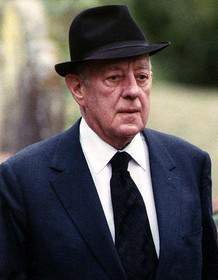
Gulley Jimson (Alec Guinness)
Played by Alec Guinness
A flamboyant, volatile painter whose genius fuels reckless behavior. He treats money, property, and relationships as expendable in pursuit of art. His improvisational approach makes him both brilliant and destructive, constantly skirting law and social norms.
- 🎭 Artist
- 🔥 Impulsive
- 🧠 Visionary
-

Dee Coker
Played by Kay Walsh
Jimson's older friend and houseboat custodian who tries to rein him in while keeping his world afloat. She supports his art but bears the consequences when things go awry, including being fired after a press incident. She later brings news of Hickson's death and the wondered fate of Jimson’s works.
- 💞 Loyal
- 🧭 Confidant
- 🧪 Pragmatic
- NB
Nosey Barbon
Played by Mike Morgan
Jimson's would-be protégé, eager to learn painting but often naive. He stays close to Jimson, acting as a bridge to the outside world while getting drawn into the artist's schemes. His loyalty and curiosity reveal the vulnerabilities of pursuing art under pressure.
- 🎭 Apprentice
- 🧑🎨 Curious
-
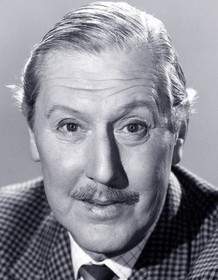
Sir William Beeder
Played by Robert Coote
Aristocratic patron who appears to be a potential buyer of Jimson’s early works. He and his household embody the high-society art market that craves prestige while testing the artist's independence. His absence and return drive key plot twists about ownership and legacy.
- 🏛 Patron
- 🧭 Aristocrat
- LB
Lady Beeder
Played by Veronica Turleigh
Aristocratic patron who navigates the Beeder household’s involvement with Jimson. She recruits locals to assist with large-scale works and interacts with Jimson as both ally and foil. Her presence accentuates the tensions between art, class, and public display.
- 👒 Aristocrat
- 🛟 Patron
- AA
A.W. Alabaster
Played by Arthur Macrae
Secretary to Sir William and Lady Beeder; acts as the intermediary who relays notices and negotiations. He embodies the procedural gatekeeper between the artist and the patrons. His role underscores the formal pressures surrounding creative ambition.
- 💼 Secretary
- 🧭 Gatekeeper
-
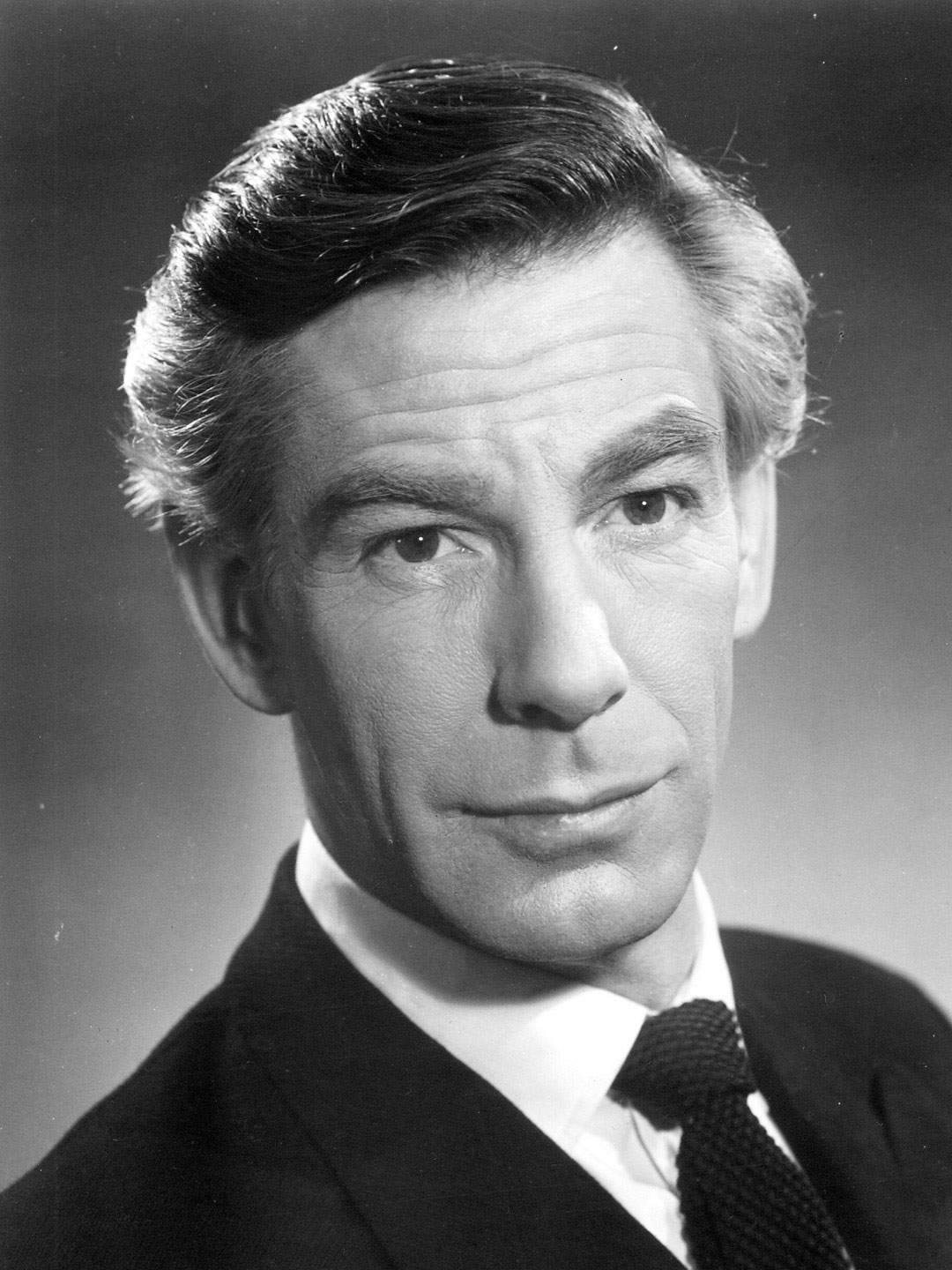
Abel
Played by Michael Gough
Old artistic rival who pushes Jimson toward a large sculpture commission, bringing competition and danger into the painting's creation. His interference intensifies the stakes and amplifies the conflicts around art and credit.
- 🧱 Rival
- 🗿 Sculptor
- SM
Sara Monday
Played by Renée Houston
Jimson’s ex-wife who becomes entangled in the Tate Gallery sequences. She resists but also collides with Jimson’s artistic world, culminating in a confrontation that reveals the personal costs of his career.
- 💖 Ex-spouse
- 🕊️ Complex
- H
Hickson
Played by Ernest Thesiger
Jimson’s sponsor who wields influence over his career. He ultimately dies and bequeaths his collection to the nation, intensifying the themes of public ownership and the fate of private art.
- 💼 Patron
- ⚖️ Authority
- L
Lollie
Played by Gillian Vaughan
A minor presence in the artistic milieu, offering glimpses into the younger generation of artists or observers around Jimson’s world. She represents the next wave of viewers and participants in the art scene.
- 👧 Student
- 🖼️ Onlooker
Where and When Is The Horse’s Mouth Set?
The Horse’s Mouth is set in London, Wormwood Scrubs, Tate Gallery, River Thames, Beeder residence, an… (Mid-20th century). Here is why the time and place matter to the story.
When
Mid-20th century
The events appear to take place in postwar Britain, in an urban art scene supported by patrons, the press, and public institutions. References to British Rail and the Tate Gallery place the story in a modern, mid-century Britain. The period's social dynamics—artistic ambition, media attention, and patronage—shape the artist's fate.
Where
London, Wormwood Scrubs, Tate Gallery, River Thames, Beeder residence, an abandoned church, a houseboat on the Thames
The story unfolds across London and its riverfront, with key locations including a houseboat on the Thames, the Beeder residence, and the Tate Gallery. Wormwood Scrubs prison provides Jimson's release and a touch of official pressure. The city’s landmarks and waterside spaces become studios, stages, and hazards for a painter chasing inspiration.
- 🏙️ London
- 🖼️ Art World
- 🏛️ Historic Sites
What Are the Themes of The Horse’s Mouth?
3 ideas the story keeps returning to, among them Artistic Obsession, Patronage and Profit and Destruction and Creation.
-
01
Artistic Obsession
Gulley Jimson’s relentless pursuit of painting drives him into risky schemes and clashes with others. His art becomes both beacon and trap, commanding loyalty while isolating him from friends and family. The film tracks how talent can overwhelm ethics, leaving a wake of broken relationships.
-
02
Patronage and Profit
Jimson negotiates with Hickson, the Beeders, and other patrons, exposing art as a commodity bound to power and money. The Beeders’ interest in acquiring early works clashes with Jimson’s need for freedom and control. The story uses patronage dynamics to critique the art market’s influence on the artist.
-
03
Destruction and Creation
Jimson completes major works by transforming spaces into canvases, with the church wall becoming his largest surface. The demolition setting catalyzes a grand finale that tests his resolve and vision. The act of tearing down or altering space mirrors the risky balance between creation and ruin in art.
What Kind of Film Is The Horse’s Mouth?
Whimsical in tone, with variable pacing and a moderate story, going by the plot summary.
- Tone
- Whimsical
- Pacing
- Variable
- Story
- Moderate
- Intensity
- Medium
- Ending
- Ambiguous
A whimsical and chaotic comedy following an eccentric artist's relentless pursuit of his muse, filled with irreverent humor and a defiant, free-spirited energy.
- eccentric
- chaotic
- playful
- restless
- irreverent
- defiant
- artistic obsession
- bohemian lifestyle
- creative freedom
- eccentric characters
Content notes: incarceration, drunkenness.
Quiz
How well do you remember The Horse’s Mouth? Test yourself on the story.