What Is The High and the Mighty About?
The premise of The High and the Mighty in 367 words, with nothing given away. The full story follows below.
In the quiet blue of the Pacific, a DC‑4 airliner lifts off from Honolulu on a routine run to San Francisco, its modest cargo of seventeen passengers and a tightly knit crew promising the steady rhythm of commercial travel. The film opens on a sky that feels both endless and intimate, a canvas where the mundane hum of engines soon gives way to an undercurrent of unease. The atmosphere is polished yet tense, a study in how ordinary journeys can become the stage for extraordinary pressure.
At the heart of the flight sits Dan Roman, a veteran first officer whose steady whistle still echoes through the cabin despite the limp that reminds him of a tragedy that still haunts his thoughts. Beside him, John Sullivan commands the cockpit with the weight of thousands of safe miles and a lingering fear of the responsibility that comes with it. Their dynamic is complemented by eager young Hobie Wheeler, whose fresh enthusiasm clashes with the seasoned pragmatism of Lenny Wilby, a navigator whose decades‑long experience add a quiet gravity to the crew’s interactions. Together they embody a cross‑section of aviation generations, each bringing a distinct temperament to the flight’s seemingly straightforward path.
The cabin is a microcosm of post‑war America, populated by passengers whose personal stories flicker just beneath the surface. Miss Spalding moves among them with practiced efficiency, while figures such as May Holst, a jaded former actress, Lydia Rice, an heiress wrestling with marital discontent, and Sally McKee, a former beauty queen, hint at private longings and unresolved pasts. Even the more peripheral travelers—a cheerful vacationer, a terminally ill man savoring his final moments, and a mysteriously unsettling stranger—add layers of subtle tension that ripple through the confined space.
As the aircraft crosses the point of no return, the routine flight begins to unravel into a suspenseful ordeal. The narrative tightens around the crew’s professional skill and the passengers’ hidden resolve, using the open sky as both a literal and metaphorical backdrop for confronting fear, guilt, and the unknown. The tone remains relentless, a blend of classic adventure and psychological drama that keeps the audience perched on the edge of the collective breath held by everyone on board.
What Happens in The High and the Mighty?
The complete story of The High and the Mighty, from the first scene to the last, in 800 words (about 3 minutes). Spoilers throughout.
Spoilers ahead
In Honolulu, Hawaii, a DC-4 airliner quietly prepares to push back for San Francisco with 17 passengers and a five-member crew. On the flight deck, the former captain Dan Roman [John Wayne] is the seasoned first officer whose signature whistle often carries through the cabin, and he carries the weight of a past air crash that claimed his wife and son, leaving him with a permanent limp. At the controls, Captain John Sullivan [Robert Stack] bears a different kind of burden—a deep-seated, almost existential fear of responsibility after thousands of hours safeguarding the lives of strangers. The flight’s dynamic trio is completed by Hobie Wheeler [William Campbell], the eager young second officer, and Lenny Wilby [Wally Brown], a veteran navigator whose decades of experience sit in contrast to Hobie’s fresh energy. Together, they embody a spectrum of aviation generations, each bringing a distinct temperament to a routine departure that suddenly feels unsettled.
In the cabin, flight attendant Miss Spalding [Doe Avedon] keeps a steady watch over the passengers, moving with practiced efficiency as she steers conversations and discreetly attends to the personal storms around her. Among the travelers are May Holst [Claire Trevor], a jaded former actress whose detachment masks a sharper longing for meaning; Lydia Rice [Laraine Day], an heiress dealing with an unhappy marriage and an anxious future; Sally McKee [Jan Sterling], an aging beauty queen who clings to a outward glow that belies underlying pressures; and Ed Joseph [Phil Harris], a cheerful vacationer who tries to keep spirits light. A terminally ill passenger, Frank Briscoe [Paul Fix], receives the kindness of Spalding, who is briefly moved by his pocket watch and the quiet dignity of his acceptance of time slipping away. A late arrival, Humphrey Agnew [Sidney Blackmer], unsettles the aircrew with his odd behavior, hinting at trouble beneath the surface.
Shortly after takeoff, the flight experiences sporadic, unsettling vibrations that unsettle the cabin and baffle the crew. The team suspects something wrong with the propellers but cannot pinpoint the issue, and when a vibration sends Spalding’s hand to the heat of the cabin, Dan pauses to inspect the tail compartment, finding nothing obvious but growing unease. As night falls and the airliner crosses the point of no return, Agnew corners Ken Childs [David Brian], accusing him of infidelity and triggering a tense struggle that foreshadows the danger ahead. The craft suddenly lurches when one propeller fails and an engine catches fire, though the crew manages to douse the flames. The engine tears loose from its mounting, the ship loses fuel through a damaged wing tank, and the odds of survival begin to look painfully slim.
With the air turning cold and the ocean looming far below, the flight crew radios for help and organizes a rescue plan. José Locota [John Qualen] disarms Agnew and keeps him restrained, a steadying influence among the panic, while Gustave Pardee [Robert Newton], who had been quietly fearful of flying, helps steady the mood with quiet courage. Dan explains the grim math to the passengers in simple terms, insisting that their chances of reaching land are “one in a thousand,” and encouraging everyone to confront their personal troubles with a renewed sense of purpose. The passengers respond with a communal resolve, loading and discarding luggage to shed weight, a desperate but necessary measure that even May Holst negotiates with a symbolic gesture, kissing her mink coat goodbye as if surrendering a lifeline.
Back on the ground in San Francisco, Tim Garfield [Regis Toomey] sits in the airline’s operations center watching the clock and the weather with growing concern. A shift in the winds promises a slight improvement, but Wilby reveals a fundamental navigation error that leaves the crew with even tighter margins than anticipated. Faced with the grim reality of a possible ditching, Sullivan’s initial panic is tempered by Dan’s steady leadership; the veteran insists that a controlled landing, though perilous, is preferable to certain catastrophe at sea. The crew guides the wounded airliner into a rain-swept night, hugging the coast as they approach the city’s hills.
Against the odds, the plane ascends from the darkness and breaks into the glow of San Francisco’s runway lights, the cockpit and cabin holding their breath until the aircraft touches down and slides to a controlled stop. Passengers disembark to the relief and astonishment of reporters and onlookers, while Garfield surveys the aftermath with a weary smile and a sense of grim pride. Inside the cabin, the crew surveys the battered engine, noting that only about 30 gallons of fuel remain—a sobering reminder of how close they came to disaster. Dan, limping but quietly triumphant, acknowledges the gamble they took and walks away into the night, whistling that same stubborn tune that has carried him through the shadows.
So long … you ancient pelican.
The High and the Mighty Timeline: Every Key Event in Order
12 key events in the order they happen, from “Pre-flight tensions in Honolulu” to “The lone whistler on the night”. 12 events name a place, across 11 locations.
- 1
Pre-flight tensions in Honolulu
In Honolulu, a DC-4 prepares to take off for San Francisco with 17 passengers and a crew of 5. Former captain Dan Roman wrestles with the memory of a deadly crash that left him with a permanent limp, while Captain John Sullivan hides a fear of taking responsibility. The stage is set with a mix of personal backstories and unresolved anxieties among the crew.
When:Pre-flight Where:Honolulu, Hawaii
- 2
Last-minute introductions and arrivals
Flight attendant Spalding meets the passengers as personal problems surface: May Holst, Lydia Rice, Sally McKee, and Ed Joseph. Spalding grows fond of terminally ill Frank Briscoe, charmed by his pocket watch. A last-minute arrival, Humphrey Agnew, raises the crew's concerns just before departure.
When:Pre-departure Where:Honolulu, onboard aircraft
- 3
Takeoff and the first signs of trouble
After a routine departure, the flight experiences sporadic vibrations that worry the crew. They suspect a propeller or mechanical issue but cannot locate a fault. Spalding burns her hand on a hot surface while Dan inspects the tail compartment and finds nothing wrong, leaving the problem unresolved.
When:Shortly after takeoff Where:Over the Hawaiian airspace
- 4
Nightfall confrontation and disaster
As night falls, Agnew confronts Ken Childs about an affair, and a struggle erupts. Before a gun can be fired, the airliner swerves violently when it loses a propeller and the engine catches fire, but the crew quickly extinguishes the blaze. The damaged engine is twisted off its mounting, forcing the crew to manage a dire in-flight emergency.
When:After nightfall Where:Over the Pacific Ocean
- 5
Mid-ocean distress and fuel concerns
With the fire under control, the airliner radios for help as fuel begins to run low due to additional wing-tank damage. Dan explains the gravity of the situation and warns that their odds of reaching land are slim, a little one in a thousand. Adverse winds and increased drag from the damaged engine tighten the noose around their remaining fuel.
When:Mid-flight Where:Over the Pacific Ocean
- 6
Passengers rally and lighten the load
José Locota disarms Agnew and calms the frightened passengers. Gustave Pardee, who has feared flying, helps steady the cabin as Dan reassures everyone. The passengers physically lighten the load by tossing luggage overboard, and May Holst even parts with her mink coat to reduce weight.
When:Mid-flight Where:Mid-flight over the ocean
- 7
San Francisco ops receive the report
In San Francisco's airline operations center, Tim Garfield regards the odds with little optimism but notes a potential wind shift that could help. Wilby reveals an elementary navigation error, meaning their remaining flight time is even more constrained than thought. Hope fluctuates as fuel margins remain perilously tight.
When:Ground phase Where:San Francisco, Operations Center
- 8
A leadership clash: ditch or land
Dan argues that landing on land is preferable to a risky ditch at sea, urging calm and calculated resolve. Sullivan panics and begins to prepare for a ditch, but Dan's intervention steadies him, and they commit to pushing toward the coast rather than giving up.
When:Approaching coast Where:Cockpit
- 9
The approach to San Francisco
The airliner skirts a rain-swept night as they descend toward the coast at a perilously low altitude. The crew executes an emergency instrument approach, fighting through weather and terrain to align with the runway lights. The moment tests their nerve as they near a dangerous landing window.
When:Night Where:San Francisco Bay Area / final approach
- 10
A narrow landing and grim statistics
The DC-4 breaks through the clouds and clears the hills to land at San Francisco, with only about 30 gallons of fuel remaining. The passengers disembark in relief and disbelief as crew members inspect the damaged engine. Dan acknowledges the gamble they took, limping and whistling as he walks away from the plane.
When:Immediate post-landing Where:San Francisco Airport
- 11
Media spotlight and reaction
Tim Garfield observes the aftermath from the operations center as reporters swarm the arriving passengers. The crew's ordeal becomes a human-interest story, highlighting the changed perspectives of those who survived the crisis. The focus shifts from technical rescue to the emotional resilience of the travelers.
When:Post-landing Where:San Francisco Operations Center
- 12
The lone whistler on the night
Dan Roman, still marked by past tragedy, limps away from the scene while continuing to whistle into the night. Garfield mutters a final line about the ancient pelican as the city quiets down, signaling the end of the ordeal and the beginning of a new chapter for the survivors.
When:Night Where:San Francisco / near runway
Who Are the Main Characters in The High and the Mighty?
7 characters, among them Dan Roman (John Wayne), Captain John Sullivan (Robert Stack) and Hobie Wheeler (William Campbell): who each one is and the part they play in the story. Every profile links to the actor’s page.
-
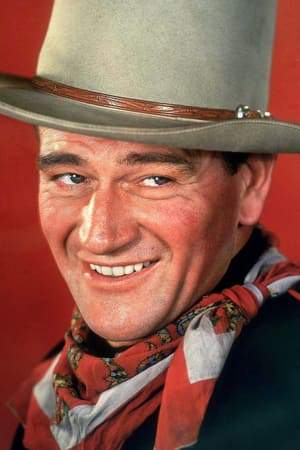
Dan Roman (John Wayne)
Played by John Wayne
Former captain and the flight's veteran first officer, Dan is haunted by a past crash that claimed his wife and son and left him with a limp. He remains calm under pressure, drawing on hard-won experience to guide the crew and passengers. His leadership and whistling habit symbolize a stabilizing presence amid chaos.
- 🧭 Leader
- 🫶 Calm under pressure
- 💪 Veteran
- CJ
Captain John Sullivan (Robert Stack)
Played by Robert Stack
The flight captain who bears a secret fear of responsibility despite thousands of hours in command. He begins cautious and anxious, but his reliance on Dan’s judgment and crew collaboration shifts him toward decisive action. His arc emphasizes trust and teamwork in crisis management.
- 🧭 Authority
- 🫶 Anxiety
- 🧰 Responsibility
- HW
Hobie Wheeler (William Campbell)
Played by William Campbell
Young second officer whose presence contrasts with the veteran crew, representing a mix of ambition and potential. He contributes to the flight’s dynamics and participates in the problem-solving effort under pressure.
- ⚡ Youth
- 🧭 Potential
- 🧰 Flight crew
- LW
Lenny Wilby (Wally Brown)
Played by Wally Brown
Veteran navigator whose steadiness and experience help guide the flight through uncertain conditions. His practical support and quiet humor provide emotional ballast for the crew and passengers.
- 🧭 Navigator
- 😌 Steady
- 🧡 Experience
- MS
Miss Spalding (Doe Avedon)
Played by Doe Avedon
Flight attendant who contributes warmth and compassion, tending to passengers’ emotional needs and helping maintain morale during the crisis. Her sensitivity helps the passengers endure the tension of the flight.
- 💬 Compassion
- 🧑✈️ Flight attendant
- 🕊️ Morale
-
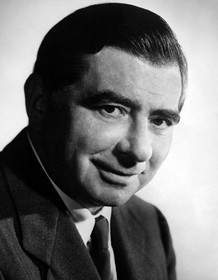
Gustave Pardee (Robert Newton)
Played by Robert Newton
A passenger who overcomes his fear of flying with a calm demeanor that inspires others. His evolving attitude helps stabilize the cabin and provide a model for facing danger with poise.
- 🎭 Passenger
- 🧭 Calm influence
- 🧠 Perspective
-
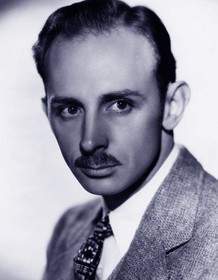
José Locoto (John Qualen)
Played by John Qualen
Passenger who shows quiet courage by disarming an aggressor and helping restore order during a tense moment aboard the airliner. His restraint and courage embody the unglamorous heroism of the crisis.
- 🛡️ Courage
- 🧠 Calm under pressure
- 🗡️ Restraint
Where and When Is The High and the Mighty Set?
The High and the Mighty is set in Honolulu, Hawaii, San Francisco, California and Pacific Ocean (1950s). Here is why the time and place matter to the story.
When
1950s
The events occur during the golden age of mid-20th-century air travel when propeller-driven airliners were common and long-distance flights were becoming more routine. The era blends everyday passenger drama with high-stakes aviation emergencies, reflecting both the optimism and risks of early commercial flight. Navigation, weather, and mechanical concerns define the time period and plot pace.
Where
Honolulu, Hawaii, San Francisco, California, Pacific Ocean
The story begins in Honolulu, Hawaii, where a DC-4 airliner prepares for a long overwater flight. The journey unfolds over the Pacific, with crucial drama playing out above open water before the crew targets a landing in San Francisco. The San Francisco area and its operations center are key settings for the rescue effort and post-crisis assessment.
- 🏝️ Honolulu
- 🗺️ Ocean crossing
- ✈️ Airliner route
What Are the Themes of The High and the Mighty?
4 ideas the story keeps returning to, among them Crisis Unity, Crisis Leadership and New Perspectives.
-
01
Crisis Unity
In the face of disaster, strangers and crew unite to shoulder burdens and reshape personal anxieties into collective resolve. Passengers support one another, lightening mental loads by sharing the risk. The crew’s cooperation helps steady fear and builds a sense of common purpose.
-
02
Crisis Leadership
Dan Roman’s experience and steady demeanor anchor the flight’s response. He communicates clearly, makes tough calls, and inspires confidence in both crew and passengers. The ensemble shows leadership as teamwork under pressure.
-
03
New Perspectives
The crisis prompts passengers to re-evaluate their lives and priorities, revealing resilience and growth. Personal dramas are reframed as small, shared problems that become manageable through cooperation. The ordeal yields renewed appreciation for life and relationships.
-
04
Rational Calm
Fear yields to method as the crew analyzes fuel, weather, and aircraft systems to chart a safe course. Logical decision-making and trust in expertise help the passengers endure the perilous approach to land. Calm thinking under pressure emerges as the line between disaster and survival.
What Kind of Film Is The High and the Mighty?
Tense in tone, with steady pacing and a moderate story, going by the plot summary.
- Tone
- Tense
- Pacing
- Steady
- Story
- Moderate
- Intensity
- High
- Ending
- Happy
A steadily escalating pressure-cooker of a film that builds relentless suspense as a diverse group of passengers and crew confronts their mortality during a terrifying trans-Pacific flight disaster.
- tense
- anxious
- suspenseful
- claustrophobic
- hopeful
- sobering
- survival
- disaster
- redemption
- facing mortality
Content notes: airplane accident, child endangerment (implied in past trauma).
Quiz
How well do you remember The High and the Mighty? Test yourself on the story.
Where to Watch The High and the Mighty
Stream it on YouTube TV, or rent or buy it from Amazon Video and Apple TV Store. US availability and prices from JustWatch.
Stream 1
 YouTube TV




Streaming availability in the US, powered by