

What Is The Guns of Fort Petticoat About?
The premise of The Guns of Fort Petticoat in 303 words, with nothing given away. The full story follows below.
In the waning days of the Civil War, the rugged frontier of Texas is a place where old loyalties clash with new threats, and the thin line between order and chaos is drawn in dust and gunpowder. The landscape is stark and unforgiving, its small settlements perched on the edge of a wider conflict that reaches far beyond the battlefield. A tense, almost palpable atmosphere hangs over the townsfolk, who must navigate the uncertainty of absent men, looming danger, and the moral ambiguities of a war that has spilled into their daily lives.
Frank Hewitt, a Union lieutenant serving in the cavalry, is a man whose conscience refuses to follow the brutal commands of his superiors. When ordered to take part in an attack that would betray his sense of honor, he makes the impossible choice to desert, riding alone back toward the home he once knew. Arriving in a community where most of the fighting men have joined the Confederacy, he finds himself branded a traitor by the very people he hoped to protect. The townspeople, especially the women who have learned to survive with limited resources, view his defection with suspicion, yet the simmering fear of retaliation looms large over the settlement.
Faced with scorn and a palpable sense of impending danger, Frank sees an opportunity to turn desperation into resolve. He begins to speak of an imminent threat, urging the community to prepare for a fight they never imagined they could wage. In doing so, he gathers a group of determined women, offering them the knowledge and skill needed to defend their homes. The tone of the story balances gritty western realism with a subtle undercurrent of empowerment, hinting at a transformation that redefines courage and loyalty in a world where the lines between hero and outcast are constantly shifting.
What Happens in The Guns of Fort Petticoat?
The complete story of The Guns of Fort Petticoat, from the first scene to the last, in 500 words (about 2 minutes). Spoilers throughout. Names in the text link to 3 cast member pages.
Spoilers ahead
Set in 1864, toward the end of the American Civil War, Audie Murphy stars as Texan Lt. Frank Hewitt, a U.S. Cavalry officer serving under Col. Chivington Ainslie Pryor. While on patrol, Hewitt encounters a small group of unarmed Indians who are trying to return to the Sand Creek reservation. In the tense briefing that follows, Col. Chivington orders an attack that will go down in history as the Sand Creek Massacre. Hewitt instantly grasps the devastating consequences: not only would this brutal act punish a people, but it would fuel a wider uprising across the Southwest and threaten his own Texas homeland, which has sent many of its men to fight for the Confederacy. Hewitt’s fierce objection to the violence puts him at odds with his superiors, and he is promptly arrested and confined to quarters.
Refusing to stay silent, Hewitt deserts to warn the Texans, only to find that his act has branded him a traitor among the people he once called allies. The turn of events takes an even darker edge when he returns with the dead body of a woman murdered by Comanches who have joined the uprising, a chilling proof that the conflict has reached far beyond the battlefield. This shocking evidence becomes the catalyst for Hewitt’s next bold move: he organizes a brigade of women, training them in marksmanship and combat tactics as a means to defend themselves and their communities. Armed and given rank, the women seize the day and take shelter in an abandoned mission named Fort Petticoat, where they forge a precarious but resolute line of defense. They stand their ground against scavengers and hostile Comanches, gradually earning trust and learning to fight as a unified force.
In a climactic arc, Hewitt’s leadership meets a personal hurdle when he reconnects with the woman who has long been his fiercest critic. The relationship that grows is charged and complicated, a star-crossed bond born from childhood memories. Yet Hewitt’s sense of duty as an honorable soldier keeps him from returning the full measure of that affection, because desertion charges still shadow him and threaten to erase his hard-won credibility. As Hewitt endures a trial that could seal his fate, a commanding general enters the room to hear the case. Charles Meredith steps in as the commanding officer, and the courtroom drama unfolds with unexpected twists. just as a guilty sentence and execution seem about to be pronounced, Hewitt’s female allies march into the trial, armed and ready to intervene. The spectacle forces a surrender to the women who saved the day, shifting the momentum of the proceedings. Hewitt’s testimony, combined with the audacious actions of the Petticoat Brigade, exposes Col. Chivington, who is relieved of command and ordered for trial. With the path cleared, Hewitt’s hopes for a future with his steadfast ally are renewed, and the tale closes on a note of redemption and vindication that honors the courage of the unconventional heroes who fought back when no one believed they could.
The Guns of Fort Petticoat Timeline: Every Key Event in Order
12 key events in the order they happen, from “Chivington orders the Sand Creek massacre” to “Justice shifts; Chivington is relieved”. 12 events name a place, across 4 locations.
- 1
Chivington orders the Sand Creek massacre
Colonel John Chivington orders the attack on the unarmed Cheyenne and Arapaho at Sand Creek. Hewitt vehemently objects to the plan, warning that it will fuel a cycle of retribution. The briefing seals Hewitt's fate as he becomes a dissenting voice in a war council.
When:1864 Where:Sand Creek, Colorado
- 2
Hewitt is arrested for opposing the attack
Hewitt is forcibly restrained and confined to quarters after voicing his strong opposition. The act brands him a traitor in the eyes of his Confederate-aligned neighbors. He pays a personal and professional price for standing against a murderous command.
When:1864 Where:Sand Creek, Colorado
- 3
Hewitt deserts to warn the Texans
Disillusioned by the massacre, Hewitt deserts the U.S. Cavalry to warn the Texans about the looming threat. He is met with suspicion and hostility as a deserter who once wore the blue. His decision marks the start of a dangerous quest for truth and redemption.
When:1864 Where:Texas
- 4
Hewitt brings evidence of the uprising
Hewitt returns to Texas with the dead body of a woman murdered by Comanches who are said to be part of the uprising. The corpse becomes undeniable proof that the Indians have joined a broader movement against settlers. The Texans are forced to confront the reality behind rumors and propaganda.
When:1864 Where:Texas
- 5
Hewitt forms a brigade of women
Hewitt organizes a brigade of women and trains them in marksmanship and combat tactics. Armed with rifles and resolve, they begin to redefine frontier defense. His leadership turns unlikely allies into a fighting unit.
When:1864 Where:Fort Petticoat, Texas
- 6
The Petticoat Brigade defends Fort Petticoat
The women seize the day and take control of the abandoned mission that becomes their makeshift fort. They answer to Hewitt as a commander-appointed unit, not as civilians. The camp forms the backbone of their resistance against scavengers and Comanche raids.
When:1864 Where:Fort Petticoat, Texas
- 7
Deserted by the lone man, defense continues
With the last remaining male compatriot deserting, the Petticoat Brigade fights on with dwindling resources. They fend off scavengers and Indian raiders, strengthening their bond and trust. The unlikely army earns local respect through grit and ingenuity.
When:1864 Where:Fort Petticoat, Texas
- 8
Final gunfight and budding romance
In the climactic gunfight, Hewitt and his most vocal critic acknowledge a childhood affection that complicates the mission. The conflict forces a personal reckoning between duty and desire. The moment leaves Hewitt torn between fidelity to the service and the promise of a new connection.
When:1864 Where:Fort Petticoat, Texas
- 9
Trial for desertion begins
Hewitt faces desertion charges as the court prepares to pronounce a harsh judgment. The case hinges on the credibility of his incredible claims about the Sand Creek rescue. His reputation is on trial as the nation watches.
When:1864 Where:Trial room
- 10
Commanding general interrupts the trial
The commanding general unexpectedly enters the trial and interrupts the proceedings. His arrival shifts the balance and signals that the case is far from resolved. The room buzzes with worried whispers and shifting loyalties.
When:1864 Where:Trial room
- 11
Petticoat Brigade intervenes at the trial
The Petticoat Brigade marches into the trial, armed and resolute, to protect Hewitt and restore his credibility. Their intervention forces the trial to pause and rethink the charges. Their bold action demonstrates that they will not be silenced or dismissed.
When:1864 Where:Trial room
- 12
Justice shifts; Chivington is relieved
The general orders Chivington to surrender and face his own court-martial while Hewitt's testimony is vindicating. Chivington is relieved of command and held for trial, validating Hewitt's version of events. The victory seals Hewitt's honor and rekindles hope for his Confederate love.
When:1864 Where:Trial room
Who Are the Main Characters in The Guns of Fort Petticoat?
7 characters, among them Lt. Frank Hewitt (Audie Murphy), Col. Chivington (Ainslie Pryor) and Hannah Lacey (Hope Emerson): who each one is and the part they play in the story. Every profile links to the actor’s page.
- LF
Lt. Frank Hewitt (Audie Murphy)
Played by Audie Murphy
A U.S. Cavalry officer who opposes the Sand Creek Massacre and refuses to stay silent. He deserts to warn Texans and becomes the driving force behind the 'petticoat brigade,' training women to defend themselves and fight back against raiders. Torn between military duty and personal risk, he embodies moral courage and stubborn honesty.
- 🛡️ Courage
- ⚖️ Duty
- CC
Col. Chivington (Ainslie Pryor)
Played by Ainslie Pryor
The volatile commander who orders the Sand Creek assault and uses frontier violence to spur wider terror. He is confrontational and morally duplicitous, presenting a formidable threat to Hewitt and the Texan defenders. His downfall comes as the armed women and military authorities challenge his authority.
- ⚔️ Antagonist
- 🗡️ Power
- HL
Hannah Lacey (Hope Emerson)
Played by Hope Emerson
One of the women who joins the petticoat brigade; initially wary but quickly proves resourceful and brave in combat training and defense. She embodies the courage and camaraderie that arise when ordinary figures take on extraordinary responsibilities. Her presence helps bridge trust between Hewitt and the Texan civilians.
- 🧭 Leadership
- 💪 Resilience
- SL
Stella Leatham (Patricia Tiernan)
Played by Patricia Tiernan
A fearless member of the improvised female force, Stella contributes practical skills and steady resolve under pressure. She demonstrates how communal defense can emerge from determined, ordinary people. Her arc underscores the movie's theme of empowerment through cooperation.
- 🗺️ Strategy
- 🛡️ Solidarity
- LC
Lucy Conover (Peggy Maley)
Played by Peggy Maley
Another member of the petticoat brigade, Lucy shows perseverance and adaptability in harsh frontier conditions. Her participation marks a shift from domestic roles to frontline action within a makeshift military context. She reinforces the idea that courage can come from unexpected places.
- 💪 Courage
- 🧭 Adaptability
- MW
Mary Wheller (Jeff Donnell)
Played by Jeff Donnell
A supportive figure within Hewitt's circle, Mary helps organize the women and maintain morale. Her steadiness provides practical resilience as the group faces raids and social skepticism. She stands as a quiet symbol of communal strength.
- 🧭 Organization
- 🛡️ Support
-
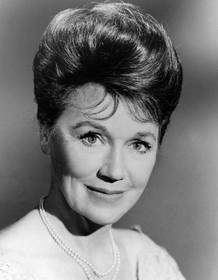
Cora Melavan (Jeanette Nolan)
Played by Jeanette Nolan
A character tied to the fort and frontier community; her specific actions are not detailed in the summary, but she represents the broader social fabric of frontier life under threat. Her presence underscores the film's focus on multiple frontier lives intersecting with Hewitt's mission.
- 🏜️ Community
- 🧭 Social fabric
Where and When Is The Guns of Fort Petticoat Set?
The Guns of Fort Petticoat is set in Fort Petticoat, Sand Creek and Texas (1864). Here is why the time and place matter to the story.
When
1864
The events unfold in the final year of the Civil War, when Union and Confederate forces push along the frontier. Frontiersman culture and tribal conflicts intersect with national politics, creating a volatile backdrop. The Sand Creek massacre and its aftermath drive the urgency of resistance and defense by the women at Fort Petticoat.
Where
Fort Petticoat, Sand Creek, Texas
Set around an abandoned mission turned makeshift stronghold, Fort Petticoat, the women train and defend themselves against raiders and Comanche forces. The narrative also references the Sand Creek area, a harsh frontier corridor where violence spills into civilian life. The setting blends rugged Texas towns with frontier outposts and distant military campaigns in the Southwest.
- 🏜️ Frontier
- 🗺️ Southwest
- ⚔️ Conflict
What Are the Themes of The Guns of Fort Petticoat?
3 ideas the story keeps returning to, among them Courage & Empowerment, Loyalty & Truth and Justice & Reconciliation.
-
01
Courage & Empowerment
A lone cavalry officer teams with women who refuse to be passive; they train in marksmanship and battlefield tactics. The film foregrounds female agency on the frontier, turning domestic space into a fighting home front. This shift challenges traditional gender roles and highlights resilience in the face of terror.
-
02
Loyalty & Truth
Hewitt's mission hinges on a hard choice between desertion and duty, driven by a truth he cannot ignore. The petticoat brigade supports him, risking their safety to reveal the real threat to the Southwest. The film explores how trust and truth can unite unlikely allies.
-
03
Justice & Reconciliation
The climactic trial reframes the conflict as a fight for justice rather than mere victory. Hewitt's testimony and the women's armed intervention force a reconsideration of Chivington's command. The resolution restores order through collective courage and mercy.
What Kind of Film Is The Guns of Fort Petticoat?
Tense in tone, with steady pacing and a straightforward story, going by the plot summary.
- Tone
- Tense
- Pacing
- Steady
- Story
- Straightforward
- Intensity
- Medium
- Ending
- Happy
A tense and determined Western survival story that follows a principled deserter as he trains a brigade of women to defend their home, creating an atmosphere of urgency that builds to a redemptive climax.
- tense
- urgent
- determined
- redemptive
- unconventional
- gritty
- moral crisis
- survival
- unlikely defenders
- military desertion
Content notes: war violence, massacre, dead body.
Quiz
How well do you remember The Guns of Fort Petticoat? Test yourself on the story.


