What Is The Grey Zone About?
The premise of The Grey Zone in 290 words, with nothing given away. The full story follows below.
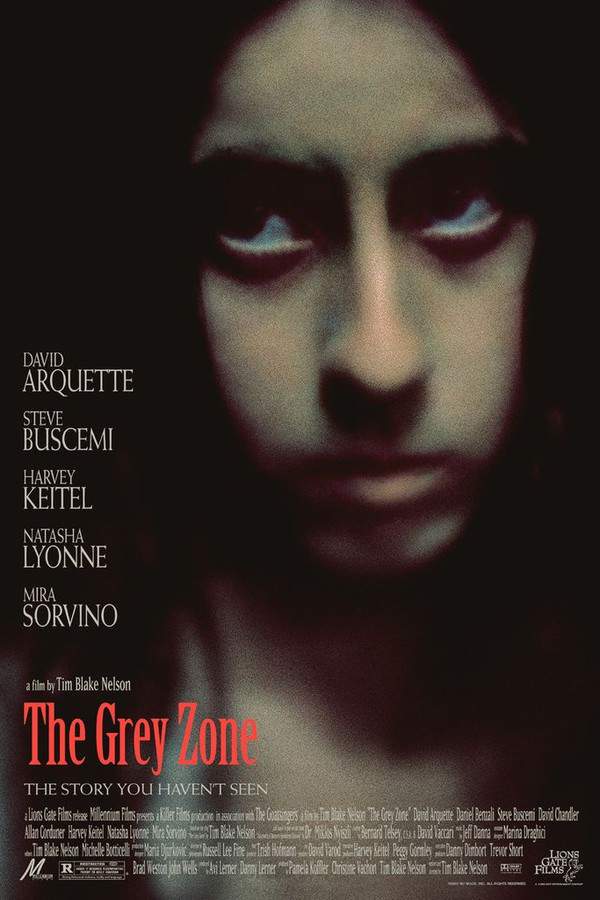
In the stark, suffocating world of Auschwitz, a handful of Jewish prisoners are thrust into a nightmarish labor that forces them to confront the very edge of humanity. The film immerses the viewer in an atmosphere thick with dread and quiet desperation, where every breath is a reminder of the thin line between survival and surrender. Yet amid the oppressive walls, a fragile spark of solidarity flickers, hinting at an inner life that refuses to be entirely extinguished.
(Dr. Miklós Nyiszli) serves as the unlikely bridge between the brutal machinery of the camp and the lingering threads of personal conscience. A physician compelled to work under the watchful eye of the regime’s most infamous doctors, he juggles the demands of his role with a yearning to protect those he loves beyond the barbed perimeter. Alongside him, (Hoffman) represents the conflicted heart of the Sonderkommando, a man whose duties place him in the unspeakable while his spirit wrestles with the moral weight of each decision.
The narrative dwells on the complex bonds that form among these prisoners, exploring how shared trauma can both unite and divide. Relationships are built on whispered conversations, stolen moments of humanity, and the unspoken understanding that every choice carries a staggering cost. The film’s tone is unflinching yet thoughtful, balancing the relentless bleakness of its setting with a nuanced portrayal of resilience and inner struggle.
As the story unfolds, the audience is invited to contemplate how far one might go when pressed against the abyss, and what quiet acts of defiance can mean in a place designed to crush hope. The lingering tension and moral ambiguity keep the viewer poised on the edge, eager to discover how these fragile lives navigate the shadows of their world.
What Happens in The Grey Zone?
The complete story of The Grey Zone, from the first scene to the last, in 528 words (about 2 minutes). Spoilers throughout.
Spoilers ahead
In the chilling autumn of 1944, a determined group of prisoners from the Sonderkommando unit at the Auschwitz-Birkenau extermination camp was secretly plotting a daring rebellion aimed at sabotaging one of the camp’s infamous crematoria and gas chambers. With the support of firearms provided by Polish sympathizers from a nearby village and gunpowder cunningly smuggled from the UNIO munitions factory by resourceful female prisoners, these brave souls clung to a flicker of hope for freedom. Despite their best efforts at discretion, the German authorities became aware of their plans, leading to brutal torture for the women involved. Nevertheless, their spirit remained unbroken.
Amidst this turmoil, Dr. Miklós Nyiszli, a Hungarian-Jewish doctor, grappled with his dual existence; he was bound by his obligation to work in Josef Mengele’s notorious medical laboratory while being deeply concerned for the safety of his wife and daughter held in the women’s labor camp. He finally gained a chance to see his family when Mengele permitted him to visit, fully aware that this would ensure their protection from the gas chambers.
The arrival of a new group of Hungarian Jewish prisoners introduced an overwhelming sense of despair. As they were herded toward the gas chambers, one particularly disruptive individual began vehemently criticizing Hoffman, a Sonderkommando tasked with directing them under the guise of “delousing.” The ensuing uproar pushed Hoffman to the brink, and he violently silenced the man with a flurry of blows.
Disturbed by the brutality, Hoffman later discovered a young girl miraculously alive beneath a heap of corpses in one of the gas chambers. He hurriedly rescued her and, after consulting with Schlermer, the insurgency leader, entrusted her care to Nyiszli, who managed to bring her back to life. The prisoners resolved to hide her within the confines of the children’s camp, cleverly concealing her in a dressing room. However, their plan quickly unraveled when SS-Oberscharführer Eric Muhsfeldt unexpectedly appeared. Upon noticing young Abramowics’s unauthorized presence, he executed him coldly, causing the girl to scream in fear, inadvertently exposing her hiding place. As Nyiszli attempted to speak with Muhsfeldt about the looming rebellion, he received an unexpected proposition: Muhsfeldt offered to safeguard the girl following the rebellion’s suppression.
As the rebellion erupted, Crematorium IV was engulfed in flames, courtesy of the insurgents wielding smuggled explosives. In the ensuing chaos and gunfire, those Sonderkommando prisoners who managed to evade the initial explosions found themselves rounded up by their SS captors. Held in a precarious state as the crematorium’s blaze raged on, these prisoners faced a grim fate: execution. In this environment of ruthless finality, both Hoffman and fellow prisoner Rosenthal recognized that the young girl was not likely to escape the brutal outcome faced by her fellow captives.
After the massacre of all those detained, the girl found a fleeting opportunity to flee towards the camp’s main gate. However, the moment was tragically short-lived. With unwavering vigilance, Muhsfeldt leveled his pistol and delivered a fatal shot, extinguishing her desperate hopes for escape. The film concludes with a haunting voice-over from the deceased girl, whose heart-wrenching story stands as a poignant testament to the horrific events that have transpired within the camp’s brutal confines.
The Grey Zone Timeline: Every Key Event in Order
14 key events in the order they happen, from “Preparation for Rebellion” to “A Haunting Conclusion”. 14 events name a place, across 4 locations.
- 1
Preparation for Rebellion
In the autumn of 1944, a determined group of Sonderkommando prisoners at Auschwitz-Birkenau started plotting a rebellion to sabotage the camp’s crematoria and gas chambers. They coordinated their plans secretly, relying on firearms from Polish sympathizers and gunpowder smuggled by female prisoners, sparking a flicker of hope for freedom among the oppressed.
When:Autumn 1944 Where:Auschwitz-Birkenau
- 2
Increased Tensions
The secret rebellion plans came to the attention of the German authorities, leading to brutal interrogations and torture of the involved women prisoners. These terrible consequences only fortified the resolve and determination of the remaining prisoners, as they clung to their hope for liberation.
Where:Auschwitz-Birkenau
- 3
Dr. Nyiszli's Dilemma
Dr. Miklós Nyiszli, a Hungarian-Jewish doctor, faced a moral quandary as he worked under the notorious Josef Mengele in a medical lab. Despite his unwillingness, he had to balance his obligations with an overwhelming concern for the safety of his wife and daughter, who were imprisoned in the women’s labor camp.
Where:Auschwitz-Birkenau
- 4
A Chance Encounter
Nyiszli finally received a rare chance to visit his family when Mengele consented, knowing this would keep them safe temporarily from the gas chambers. The visit filled Nyiszli with conflicting emotions, but it also renewed his determination to fight for their survival.
Where:Auschwitz-Birkenau
- 5
Arrival of New Prisoners
The arrival of a new group of Hungarian Jewish prisoners brought a wave of despair to the camp. As they were directed toward the gas chambers, chaos erupted when one man publicly condemned Hoffman, a Sonderkommando directing the crowd—pushing him to the edge of his tolerance.
Where:Auschwitz-Birkenau
- 6
Violence Erupts
Hoffman, pushed by the chaos, resorted to violence, brutally silencing the disruptive man with harsh blows. This incident highlights the brutal conditions under which the Sonderkommando operated and the psychological toll of their forced roles during the Holocaust.
Where:Auschwitz-Birkenau
- 7
Unexpected Rescue
After the outbreak of violence, Hoffman discovered a young girl alive among the bodies in the gas chamber. In an act of desperation and compassion, he saved her and, after consulting with Schlermer, entrusted her care to Nyiszli, who resuscitated her, giving her a chance at life.
Where:Gas Chamber
- 8
Concealment of the Girl
In a moment of solidarity, the prisoners devised a plan to hide the rescued girl in the children's camp. They carefully concealed her within a dressing room, hoping to keep her safe from the SS officers who patrolled the camp.
Where:Children’s Camp, Auschwitz-Birkenau
- 9
The Sudden Discovery
Their plan was shattered when SS-Oberscharführer Eric Muhsfeldt discovered the girl. His cold-blooded execution of young Abramowics exposed the girl's hiding spot, causing panic and fear as the prisoners scrambled to protect her amidst the chaos.
Where:Auschwitz-Birkenau
- 10
Muhsfeldt's Proposition
In a chilling twist, Muhsfeldt offered to protect the girl after he learned of the impending rebellion. This unexpected proposition from a brutal officer was met with skepticism, leaving Nyiszli and the others to ponder the implications of accepting help from their captors.
Where:Auschwitz-Birkenau
Show the other 4 events of The Grey Zone Hide the last 4 events
- 11
Rebellion Erupts
The moment of rebellion arrived as Crematorium IV burst into flames, set ablaze by the insurgents using smuggled explosives. The chaos erupted, leading to frantic fights and desperate attempts to escape from the hellish reality of the camp.
Where:Crematorium IV, Auschwitz-Birkenau
- 12
The Aftermath of Flames
As the uprisings continued, the SS rounded up those Sonderkommando prisoners who escaped the initial havoc. The remaining prisoners faced a dire fate, with many reflecting on the brutal system they were trapped in and the likelihood of their impending execution.
Where:Auschwitz-Birkenau
- 13
The Bitter Escape Attempt
In the midst of the turmoil, the young girl found a brief chance to flee toward the main gate of the camp. However, her hopes were cruelly dashed when Muhsfeldt shot her down, extinguishing her dreams of freedom and peace.
Where:Auschwitz-Birkenau
- 14
A Haunting Conclusion
The film closes with a haunting voice-over from the deceased girl, offering a chilling reflection on the horrors she witnessed and endured. Her tragic fate becomes a stark reminder of the atrocities committed within the camp, echoing the collective suffering of countless victims.
Where:Auschwitz-Birkenau
Who Are the Main Characters in The Grey Zone?
4 characters, among them Dr. Miklós Nyiszli, Hoffman and Eric Muhsfeldt: who each one is and the part they play in the story.
- DM
Dr. Miklós Nyiszli
Dr. Nyiszli is a Hungarian-Jewish physician forced to work under Josef Mengele at Auschwitz. He is caught in a moral quagmire, feeling obligated to perform horrendous tasks while deeply yearning to protect his family. His character embodies the struggle between survival and ethical dilemmas, revealing human complexity amidst horror.
- 🩺 Doctor
- 🌍 Jewish
- ⚖️ Morality
- H
Hoffman
Hoffman is a Sonderkommando prisoner responsible for directing newly arrived captives under the pretense of safety. His character oscillates between authority and victimhood, experiencing intense moral conflict as he grapples with the cruelty required to maintain order. His violent actions reveal the desperation that can arise under oppressive circumstances.
- 👮 Authority
- 😔 Despair
- 🚨 Conflict
- EM
Eric Muhsfeldt
Muhsfeldt, an SS-Oberscharführer, represents the chilling face of the camp's brutal enforcement. He is complex, offering protection to the girl at a cost while still upholding his violent duties. His character encapsulates the moral contradictions present in the Holocaust, highlighting the darker aspects of human nature.
- 👮 SS Officer
- ❗ Authority
- 🔪 Violence
- R
Rosenthal
Rosenthal is a fellow Sonderkommando prisoner who shares the tragic burden of witnessing the atrocities around him. He understands the futility of hope for escape, revealing a deep sense of despair that ties him to the collective suffering of his peers. His character's recognition of the young girl's fate adds a layer of sorrow to the narrative.
- 👥 Prisoner
- 😞 Despair
- 🌪️ Tragedy
Where and When Is The Grey Zone Set?
The Grey Zone is set in Auschwitz-Birkenau extermination camp (Autumn of 1944). Here is why the time and place matter to the story.
When
Autumn of 1944
The autumn of 1944 was a critical period during World War II, particularly for the Jewish population in Europe. As the war reached its climax, many faced dire conditions in concentration camps, while resistance movements emerged among those who sought freedom. This time was marked by increased desperation as the Holocaust unfolded.
Where
Auschwitz-Birkenau extermination camp
The Auschwitz-Birkenau extermination camp was one of the most notorious camps of the Holocaust, known for its brutal conditions and mass executions. It served as a central location for the genocide of millions during World War II. This grim site is a poignant symbol of human suffering and the worst atrocities of history.
- 🏭 Concentration Camp
- 🔥 Death
- 🚧 Oppression
What Are the Themes of The Grey Zone?
3 ideas the story keeps returning to, among them Rebellion, Survival and Loss.
-
01
Rebellion
The theme of rebellion is central to the film, showcasing the courage of the Sonderkommando prisoners as they orchestrate a desperate uprising against their oppressors. Their actions highlight the human spirit's enduring hope for freedom, even in the bleakest circumstances. The consequences of their rebellion underline both the courage and the tragic risks involved in such an act.
-
02
Survival
Survival is a compelling theme as characters navigate the extreme conditions of the Auschwitz camp. Dr. Nyiszli embodies the struggle between moral obligations and the instinct to survive, while the young girl's plight emphasizes the innocence lost in such a horrific environment. The relentless fight for survival underscores the film's dark realities.
-
03
Loss
The theme of loss permeates the narrative, portraying the immense grief experienced by the characters in the face of unimaginable horror. As loved ones are executed or disappear, the emotional toll of loss is palpable. This aspect profoundly reflects the tragedy of the Holocaust and its impact on humanity.
What Kind of Film Is The Grey Zone?
Dark in tone, with steady pacing and a straightforward story, going by the plot summary.
- Tone
- Dark
- Pacing
- Steady
- Story
- Straightforward
- Intensity
- High
- Ending
- Bleak
A harrowing and unflinching drama that immerses the viewer in the oppressive reality of Auschwitz, filled with desperate acts of rebellion and agonizing moral compromises, ultimately culminating in a profound sense of tragedy.
- harrowing
- oppressive
- grim
- desperate
- somber
- unflinching
- holocaust survival
- moral dilemma
- rebellion
- forced labor
Content notes: torture, genocide, execution, concentration camps, gas chambers, medical experimentation.
Quiz
How well do you remember The Grey Zone? Test yourself on the story.
Where to Watch The Grey Zone
Stream it on Amazon MX Player and Amazon Prime Video, or rent or buy it from Amazon Video and Fandango At Home. US availability and prices from JustWatch.
Stream 12
 Amazon MX Player
  Amazon Prime Video
  Amazon Prime Video Free with Ads
  Amazon Prime Video with Ads
  Fawesome
  fuboTV
  Howdy Amazon Channel
  Plex
Plex  Plex Channel
  The CW
  The Roku Channel
  Tubi TV

Streaming availability in the US, powered by