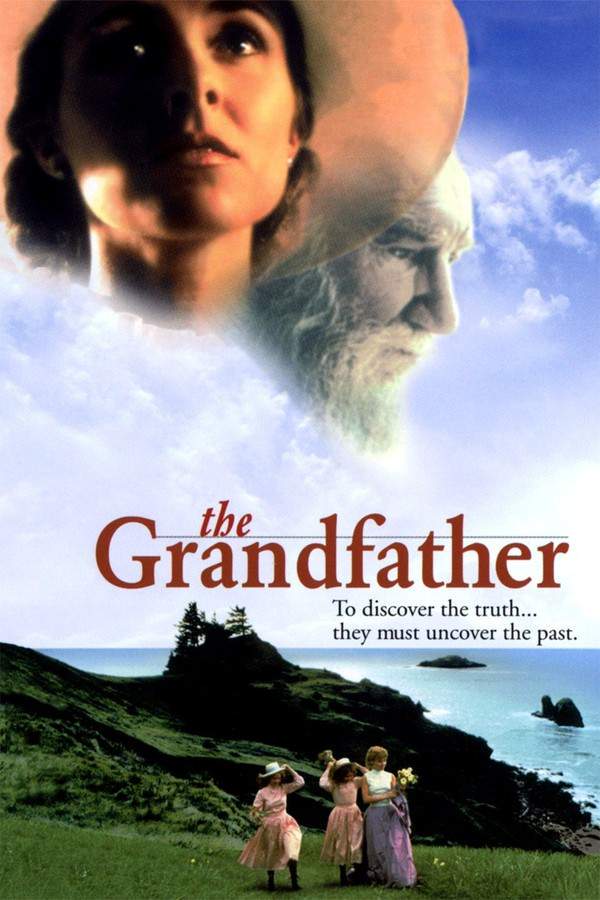
The Grandfather 1999

Directed by

José Luis Garci
Made by

Miramax Films
The Grandfather Plot Summary
Read the complete plot summary and ending explained for The Grandfather (1999). From turning points to emotional moments, uncover what really happened and why it matters.
Don Rodrigo, Count of Albrit, is an aging Spanish aristocrat who returns to turn-of-the-century Spain after losing his fortune in America. He comes back to his family estate, now in the hands of his daughter-in-law, Lucrecia, and he is met with the eager affection of his granddaughters, Dolly and Nelly. Yet underneath their sweet receptions, a persistent unease unsettles him: his son’s death, a death tied to a scandal that could redefine the family’s legacy.
The core of the drama lies in a question of blood and inheritance. The son died heartbroken after discovering his wife’s affair with a Parisian painter. A letter left behind claimed that one of the granddaughters was illegitimate and not truly his heir. For Don Rodrigo, this is a matter of honor: he must discover which girl is his real granddaughter. He begins by pressing Lucrecia, the widow, who was his daughter-in-law and is at once charming and dangerous. Lucrecia—an English-born beauty who married into the family at eighteen and carried a reputation for infidelity—had her own shadowy past, including an affair with a Parisian painter. When confronted, she insists on a stark truth: she denies discussing her daughter’s paternity, and she does not concede an easy answer about Dolly or Nelly.
Lucrecia’s influence runs deep in the community. Her latest liaison with Jaime, a government minister, has benefited the village and her own position, and she tries to use her power with local authorities and the clergy to derail the old man’s inquiry. They plot to confine Don Rodrigo to a monastery, a plan the Count readily sees and resists, proving still capable of outmaneuvering those who once controlled the town. He reminds the villagers that the Count of Albrit was once a force to be reckoned with, and he answers malice with resolve.
In his pursuit, Don Rodrigo befriends the girls’ teacher, the well-meaning but worn-down Pío Coronado. Coronado is the sort of man whose kindness outpaces his means; he is poor, overwhelmed by life, and haunted by the memory of a dozen daughters he cannot control. He would rather end his life than continue in such dire circumstance, and the Count bluntly tells him that he will help him part with his life at the right moment—a dark joke that underscores the danger and desperation surrounding the whole situation.
A new twist arrives with the mercenary servant Senén, who offers a damning letter for sale. This note hints that Dolly might be the legitimate child, a claim that propels Don Rodrigo to press Lucrecia once more. He asks to live with Dolly on the family rural estate, hoping to settle the matter by proximity and observation. Lucrecia, however, refuses to be parted from any of her daughters without admitting the truth, and she resists any arrangement that would alienate her from the children she has raised.
The turning point comes from a confessor’s revelation. He informs Don Rodrigo that his earlier judgments have been misdirected: Nelly is, in fact, his granddaughter. This revelation shifts the entire dynamic of the quest for truth and redefines the family’s future. With this newfound clarity, Don Rodrigo reconciles with Lucrecia, who then prepares to leave for Madrid with Nelly. Dolly remains with the Count, a small victory that seems to satisfy the old man’s longing for continuity and rightful kinship. Coronado, meanwhile, chooses to bury his suicidal thoughts and continue on with his life, having witnessed the stubborn endurance of a family that still values its name and legacy.
Throughout, the story threads together themes of honor, desire, and the fragile ties that bind bloodlines to authority. It charts a complex dance between a wary aristocrat’s insistence on rightful passage of lineage and a society that often cloaks its secrets in propriety and rumor, ultimately asking whether truth can triumph over tradition and whether love, in all its messy forms, can endure under the weight of a family’s legacy.
The Grandfather Timeline
Follow the complete movie timeline of The Grandfather (1999) with every major event in chronological order. Great for understanding complex plots and story progression.
Don Rodrigo returns to his family estate
Don Rodrigo, Count of Albrit, arrives back from America to his once-great estate, hoping to restore his honor after losing his fortune. He is greeted warmly by his granddaughters Dolly and Nelly, but a nagging sense of unease about their true lineage lingers. The turn-of-the-century atmosphere frames his uneasy homecoming as he surveys the family’s precarious future.
A letter and a death reveal possible paternity
Don Rodrigo learns that his son died heartbroken after discovering his wife’s affair with a Parisian painter. A letter insinuates that one of the granddaughters is illegitimate, casting doubt on the rightful heir. He confronts Lucrecia about Dolly's paternity, seeking truth while tension tightens around the estate.
Lucrecia fights to keep control with influence
Lucrecia, a socialite with powerful connections, uses her standing to block Rodrigo’s inquiry. She aligns with the village authorities and clergy to try to confine the Count to a monastery. Her aim is to thwart his quest before Madrid becomes a reality for her family.
Rodrigo escapes the monastery trap
Aware of the plan to remove him from the estate, Don Rodrigo evades confinement and escapes the monastery trap. He challenges the townspeople to recall the Count’s former influence and to accept his rightful place as patriarch. The escape reaffirms his resolve to uncover the truth about his granddaughters.
Rodrigo befriends the tutor Pío Coronado
During his quest, the Count befriends Pío Coronado, the kind-hearted but morally conflicted teacher of the granddaughters. Coronado laments his six unseen but abusive daughters and contemplates suicide, though he lacks the nerve to act. Rodrigo bluntly offers a grim alternative, hinting that he could throw Coronado off a cliff if needed.
Senén reveals an incriminating lead
Senén, a mercenary servant, presents an incriminating love letter for sale. The letter implies Dolly might be the legitimate granddaughter, giving Rodrigo new leverage in his search. Don Rodrigo confronts Lucrecia again, pressing for Dolly’s future on the family estate.
The confessor’s revelation changes everything
Lucrecia’s confessor reveals that Rodrigo has misunderstood the situation. The revelation confirms that Nelly is his biological granddaughter, not Dolly. This twist shifts the Count’s focus and tempers the feud over lineage.
Reconciling with Lucrecia and planning the future
With the truth clarified, Rodrigo reconciles with Lucrecia and decides the girls’ futures must be settled by their origins and loyalties. He chooses to move forward with Nelly and avoids severing ties with Lucrecia, though Dolly’s loyalty to him remains intact. The family begins to recalibrate its internal dynamics.
Lucrecia moves to Madrid with Nelly
Lucrecia leaves for Madrid with Nelly, leveraging her social connections to secure a better future. The move marks a shift from provincial intrigue to national recalibration, easing the pressure on the estate. Dolly remains behind, tied to the old man’s hopes and the rural home.
Dolly remains with Don Rodrigo
Dolly stays with Don Rodrigo on the estate, continuing to show fierce loyalty to her grandfather. Rodrigo’s wishes are fulfilled as he secures his remaining granddaughter and preserves the family line. The Count’s quiet victory consolidates a fragile peace.
Coronado’s resolution of his suicidal impulse
Pío Coronado, overwhelmed by despair, buries his suicidal intentions but remains morally ambivalent about his own future. The Count’s blunt mentorship has left him with a lingering sense of peril and responsibility. The tutor's fate becomes a minor sub-plot in the wider family drama.
Final status of the lineage and peace in the estate
With the truth clarified, the Count secures a future for the surviving granddaughter and preserves his name and estate. Dolly remains as a symbol of his loyalty and the family’s continuity, while Nelly begins a new life in Madrid with Lucrecia’s departure. The villagers and clergy return to their routines, having witnessed a revival of the Count’s old influence.
The Grandfather Characters
Explore all characters from The Grandfather (1999). Get detailed profiles with their roles, arcs, and key relationships explained.
Dolly
Dolly is the elder granddaughter who stands as a pillar of loyalty to her grandfather. She is practical, protective of the family, and steadfast in defending Don Rodrigo’s honor. Her unwavering devotion anchors the emotional core of the story as truth unfolds.
Nelly
Nelly is the younger granddaughter, more tender and hopeful, who embodies innocence amid the family intrigue. She becomes the biological heir and ultimately travels to Madrid with Lucrecia, signaling a shift in the family’s future. Her presence complicates loyalties and reveals hidden connections.
Lucrecia
Lucrecia is the Count’s daughter-in-law, English-born, with a reputation for scandal. She wields her social standing to protect her daughters and herself, challenging the Count’s pursuit of the truth. Her actions demonstrate the power of influence in a tightly knit, hierarchical society.
Don Rodrigo
Don Rodrigo is the old Spanish aristocrat, proud and relentless in his search for the truth of his lineage. He confronts his daughter-in-law and outsmarts attempts to confine him, proving a stubborn resolve to restore what he sees as rightful order. His arc moves from vengeance toward a guarded reconciliation.
Pío Coronado
Pío Coronado is a kind but exhausted tutor burdened by a large brood and his own despair. He embodies the vulnerable charity of good intentions, occasionally clashing with the Count’s blunt pragmatism. His presence underscores the human cost of pride and social pressure.
Senén
Senén is a mercenary servant who trades in secrets, offering a potentially incriminating letter for sale. He embodies opportunism in a world where information is currency. His actions accelerate the unraveling of the family’s carefully guarded facades.
The Grandfather Settings
Learn where and when The Grandfather (1999) takes place. Explore the film’s settings, era, and how they shape the narrative.
Time period
Turn of the 20th century (late 1800s to early 1900s)
Spain in this period is grappling with modernization while maintaining rigid class structures. Aristocratic families hold vast influence, yet personal scandals threaten honor. The setting shows a society where reputation, lineage, and religious authority shape every decision.
Location
Spain, rural estate near Madrid, village
The story unfolds across a remote Spanish aristocratic estate and the surrounding village. The rural setting highlights old-world privilege pressed by social scrutiny and personal secrets. The estate and nearby parish life anchor the characters’ loyalties and confrontations, revealing how place glues the family together.
The Grandfather Themes
Discover the main themes in The Grandfather (1999). Analyze the deeper meanings, emotional layers, and social commentary behind the film.
🗝️
Family Honor
Honor drives the Count’s relentless search for the true lineage of his granddaughters. The elder now-defunct sense of bloodline legitimacy collides with intimate loyalties and protective affection. The pursuit of honor exposes fragility within the family and tests who is willing to uphold or betray tradition.
⚖️
Legitimacy
Paternity becomes a battleground where truth, rumor, and social status intermingle. The letter, confessions, and witnesses push characters to reassess who deserves inheritance and recognition. The narrative uses legitimacy to explore who really defines family and belonging.
🕊️
Reconciliation
Despite deceit and manipulation, the plot moves toward forgiveness and adjustment of old resentments. Don Rodrigo and Lucrecia navigate injury and pride to reach a fragile accord. The ending gestures toward a new balance, where loyalty and necessity temper past wrongs.

Coming soon on iOS and Android
The Plot Explained Mobile App
From blockbusters to hidden gems — dive into movie stories anytime, anywhere. Save your favorites, discover plots faster, and never miss a twist again.
Sign up to be the first to know when we launch. Your email stays private — always.
Explore the mobile appThe Grandfather Spoiler-Free Summary
Discover the spoiler-free summary of The Grandfather (1999). Get a concise overview without any spoilers.
In the waning light of turn‑of‑the‑century Spain, an aging aristocrat returns to the remote village that once cradled his family’s name. Stripped of the fortune he amassed abroad, he steps back into the stone‑laden estate that now belongs to his daughter‑in‑law, a striking English‑born woman whose presence commands both admiration and unease. The countryside breathes a mixture of lingering tradition and quiet modernity, its narrow streets and sun‑soaked plazas echoing with whispers of the past.
Don Rodrigo arrives to find his granddaughters—bright, curious girls whose laughter fills the halls—caught in a web of uncertainty surrounding the legacy of their late father. The house is alive with genteel hospitality, yet beneath the surface pulses a subtle tension: a lingering question of blood, honor, and inheritance that the Count feels compelled to resolve. The atmosphere is one of elegiac mystery, where loyalty to lineage clashes with the shifting morals of a community still guided by old hierarchies.
Against this backdrop, Lucrecia balances her role as a devoted mother with a reputation that hints at hidden chapters in her own story. Her influence extends into the village’s social and political circles, making any inquiry a delicate dance. Meanwhile, the girls’ schoolteacher, Pío Coronado, offers a weary yet compassionate presence, his own struggles mirroring the larger currents of change that sweep through the town. Their interactions are shaded by a shared sense of urgency, as the Count seeks counsel and, in turn, offers a steady hand to those navigating their own fragile circumstances.
The film unfolds as a slow‑burning portrait of family, duty, and the quiet turbulence that arises when generations intersect. With richly textured scenery and a tone that oscillates between reverent nostalgia and simmering intrigue, the story invites viewers to linger on the unspoken bonds and the subtle power plays that shape the destiny of a once‑great house.
Movies with Similar Twists and Themes
Uncover films that echo the narrative beats, emotional arcs, or dramatic twists of the one you're exploring. These recommendations are handpicked based on story depth, thematic resonance, and spoiler-worthy moments — perfect for fans who crave more of the same intrigue.


Featured on this page

What's After the Movie?
Not sure whether to stay after the credits? Find out!
Check out our other apps:

SAT Sphere
Build confidence for the Digital SAT.

Mori Atlas
Discover wild places worth protecting.

Luntero
Search smarter for a home in Amsterdam.

Plot Explained
Unravel movie endings and hidden clues.

Pokechamp
Dive into Pokémon data and battle logic.

Driving Theory
Get ready for your European theory test.

Movie Dust
Plan your next cinema trip with ease.

Musemap
Find art and culture as you travel.

Selkobase
Compare credentials before committing.

Local Manual
Turn an unfamiliar country into practical next steps.

Lernavi
Compare school systems before your next move.

GymRoam
Find a workout stop wherever your plans take you.
Explore Our Movie Platform
New Movie Releases (2026)
Famous Movie Actors
Top Film Production Studios
Movie Plot Summaries & Endings
Major Movie Awards & Winners
Best Concert Films & Music Documentaries
Movie Collections and Curated Lists
© 2026 What's After the Movie. All rights reserved.
Privacy Policy