What Is The Flemish Farm About?
The premise of The Flemish Farm in 282 words, with nothing given away. The full story follows below.
markdown Set against the sweeping German advance through France and Belgium in May 1940, The Flemish Farm opens in a world unraveling under the weight of invasion. With the remnants of the Belgian Air Force bottled up near the coast, a quiet farm becomes the final bastion for a regiment facing certain defeat. In a moment of solemn resolve, the decision is made to bury the regimental colours rather than surrender them to the enemy, establishing a narrative foundation built on duty, dignity, and the preservation of honour amidst overwhelming odds.
Months later, after the distant roar of the Battle of Britain has faded, Squadron Leader Jean Duclos becomes the focus of this harrowing wartime tale. Though he has reached the safety of England, the memory of what was left behind compels him to undertake a dangerous voluntary mission. Persuading authorities to let him parachute back into occupied territory, Duclos trades the relative security of an Allied base for the shadows of a hostile land. The film maintains a restrained, suspenseful atmosphere as it follows this lone airman’s descent into a world where identity must be concealed and trust is a fragile commodity.
Reconnecting with figures from his past, including the resourceful Maj. Lessart and civilians like Tresha, Duclos must navigate the complexities of a nation under occupation. The story weaves through the quiet heroism of the resistance and the endurance of ordinary people, highlighting the personal sacrifices that underpin the larger war effort. As the mission unfolds across treacherous terrain, the narrative explores the profound lengths to which individuals will go to protect their symbols of pride, capturing the stark reality of a commando story rooted in fact and human resolve.
What Happens in The Flemish Farm?
The complete story of The Flemish Farm, from the first scene to the last, in 435 words (about 2 minutes). Spoilers throughout. Names in the text link to 5 cast member pages.
Spoilers ahead
In May 1940, as German forces sweep across France and Belgium, the remains of the Belgian Air Force are bottled up near the Flemish coast and billeted at a farm in the Flemish countryside. The story begins around the quiet hardship of war, with the commander ordering surrender and directing that the regimental colours be honourably buried rather than handed over to the invaders. A small band of pilots with serviceable aircraft manage to fly to England to join the Allied air forces, while those who cannot are forced to surrender. The tension between duty, sacrifice, and survival threads through these early days on the farm of Farmer and his wife, Frau, painting a stark picture of what it means to endure under occupation.
Six months later, after the muffled thunder of the Battle of Britain, Jean Duclos — now a squadron leader — is persuaded by a fellow officer to return with him to retrieve the buried colours. The mission takes a grim turn when that fellow officer is killed before they can depart, prompting Duclos to push forward with resolve. He persuades the authorities to parachute him back into Belgium, undertaking a perilous journey that will test nerve, stealth, and endurance.
Back in Belgian hands, Duclos contacts his former commanding officer, Maj. Lessart, who now lives as a civilian in Ghent and secretly operates a resistance group feeding intelligence to the Allies. With a false identity and a carefully woven cover story, Duclos returns to the farm where the late colleague’s wife and child still reside. The woman who guards the family’s secrets is Tresha, and she harbors a quiet reluctance to reveal where the colours lie, convinced that they are not worth fighting and possibly dying for. Yet she gradually relents, and the colours are recovered.
Duclos must then undertake a long trek through hundreds of miles of dangerous, heavily guarded territory to reach neutral Spain, from which he makes the return journey to England. The climax unfolds with a dignified ceremony: the recovered colours are paraded and formally re-presented to the Belgian Air Force, signaling a small, poignant triumph in the broader tragedy of war.
Throughout the mission, the film maintains a clear, restrained tone that emphasizes courage, secrecy, and the personal sacrifices behind the larger war effort. The human cost is highlighted not just in the danger of the mission, but in the quiet endurance of those who wait at home—the farmer, his wife, and the family at the heart of a country under occupation — as the story circles back to a moment of public remembrance and collective resolve.
The Flemish Farm Timeline: Every Key Event in Order
13 key events in the order they happen, from “May 1940: Surrender order and burial of the colours” to “Colours parade and re-presentation to the Belgian Air Force”. 13 events name a place, across 13 locations.
- 1
May 1940: Surrender order and burial of the colours
As German forces sweep across France and Belgium, the Belgian Air Force is bottled up near the Flemish coast and billeted at a farm in the Flemish countryside. The government orders surrender; instead, the regimental colours are to be buried rather than surrendered. The act becomes a symbolic defiance that preserves the unit's honour for future generations.
When:May 1940 Where:Flemish countryside, near the Flemish coast
- 2
Pilots flee to England while others surrender
A small group of pilots with serviceable aircraft escapes to England to join the Allied air forces. The remaining personnel are forced to surrender under the pressure of the invasion. The colours, meanwhile, lie buried as a pledge of resistance.
When:May 1940 Where:Belgian airfield and routes to England
- 3
Six months later: Duclos becomes squadron leader and is tasked with retrieval
In the aftermath of the Battle of Britain, Jean Duclos has risen to the rank of squadron leader. He is persuaded by a fellow officer to return with him to retrieve the buried colours. The mission is fraught with danger, but it is framed as a necessary act of accountability and morale for the Belgian forces.
When:Late 1940 Where:Britain / Allied command
- 4
A fellow officer is killed before departure
The fellow officer who would have accompanied Duclos is killed before they can leave. The plan to retrieve the colours seems in jeopardy, yet Duclos persists with renewed resolve. The loss deepens the peril of the mission, underscoring the high cost of resistance.
When:Late 1940 Where:Britain (preparations for the mission)
- 5
Parachute into Belgium: permission granted for retrieval
Duclos persuades the authorities to parachute him into Belgium to locate and recover the buried colours. He undertakes a high-risk infiltration into occupied territory. The mission now depends on layers of deception and stealth.
When:Late 1940 Where:Belgium (insertion point) / occupied territory
- 6
Duclos reconnects with the Ghent resistance
Within Ghent, his former commanding officer now lives as a civilian and secretly runs a resistance group feeding intelligence to the Allies. Duclos taps into this network to support his dangerous mission. Trust and covert cooperation become essential to move forward.
When:Late 1940 Where:Ghent, Belgium
- 7
A false identity and cover story are issued
Duclos is provided with a false identity and a cover story to help him blend into the local environment. The deception is a critical tool for crossing lines and avoiding suspicion. The plan hinges on convincing the occupying authorities and locals alike.
When:Late 1940 Where:Belgium / transit
- 8
Return to the farm where the colours are hidden
Under his cover, Duclos returns to the farm where the late colleague's wife and child still live. The atmosphere is tense as he navigates the dangers of a town under occupation. The mission hinges on gathering information without tipping off residents.
When:Late 1940 Where:Farm in the Flemish countryside
- 9
The widow initially refuses to reveal the colours’ location
The widow is initially unwilling to reveal where the colours are buried, convinced that they are not worth dying for. Duclos must earn her trust and demonstrate that the rescue is a matter of national survival. Her hesitation underscores the personal stakes involved in the rescue.
When:Late 1940 Where:Farm, Belgium
- 10
The colours are located and retrieved
Eventually she relents and the colours are recovered from their burial site. The retrieval marks a turning point in the mission, transforming an act of whispered defiance into a tangible asset for the resistance. The moment is loaded with significance for the Belgian Air Force and its allies.
When:Late 1940 Where:Farm burial site, Belgium
Show the other 3 events of The Flemish Farm Hide the last 3 events
- 11
The journey across occupied Europe to neutral Spain
Duclos must cross several hundred miles of dangerous, heavily guarded territory to reach neutral Spain. The perilous route requires nerve, improvisation, and the aid of sympathetic locals. The crossing highlights the scale and risk of wartime resistance operations.
When:Late 1940–early 1941 Where:Occupied Belgium through France to Spain
- 12
Return to England with the colours
Having evaded capture and navigated the treacherous route, Duclos returns to England with the colours in hand. The mission has proven costly but successful, and the Allied chain of command can finally act on the recovered symbols. The return also represents a morale boost for the Allied air forces.
When:Early 1941 Where:England
- 13
Colours parade and re-presentation to the Belgian Air Force
Back in Allied hands, the colours are paraded and formally re-presented to the Belgian Air Force. The ceremony crowns the journey and reaffirms Belgian resistance alongside Allied support. The colours serve as a tangible link between past sacrifice and present resolve.
When:Early 1941 Where:Belgian Air Force ceremony (likely in England or Belgium)
Who Are the Main Characters in The Flemish Farm?
5 characters, among them Farmer (Wylie Watson), Frau (Irene Handl) and Maj. Lessart (Clive Brook): who each one is and the part they play in the story. Every profile links to the actor’s page.
-
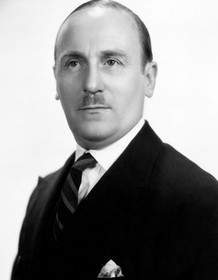
Farmer (Wylie Watson)
Played by Wylie Watson
A stoic, practical man whose quiet strength anchors the household under occupation. He provides shelter and safety to pilots while maintaining a steady, everyday rhythm on the farm. His patience and loyalty reveal a resilience that underpins the community’s endurance.
- 🌾 Rural resilience
- 🕊️ Family duty
- 🛡️ Protection
- F(
Frau (Irene Handl)
Played by Irene Handl
The farmer's wife, stoic and resourceful, who keeps the home together under strain. She guards the family’s secrets and quietly sustains hope for those living in fear. Her steadfastness embodies the strength of the home front.
- 🏡 Home front
- 🤝 Family
- 🕊️ Hope
- ML
Maj. Lessart (Clive Brook)
Played by Clive Brook
A former military officer now living in Ghent who secretly leads a resistance network feeding intelligence to the Allies. He embodies cautious leadership and strategic thinking, balancing risk with the need to protect the mission.
- 🗝️ Resistance
- 🤝 Intelligence
- 🧭 Strategy
- T(
Tresha (Jane Baxter)
Played by Jane Baxter
The woman guarding the family’s secrets at the farm, initially reluctant to reveal the location of the colours. Her gradual concession shows how personal safety and moral duty intersect in wartime.
- 🔒 Secrets
- 🤝 Trust
- 💔 Sacrifice
- JD
Jean Duclos (Clifford Evans)
Played by Clifford Evans
A Belgian pilot turned squadron leader who returns to Belgium to recover the buried colours. His determination and stealth drive the mission, testing nerve and endurance across hostile territory.
- 🎖️ Leadership
- 🧭 Courage
- 🕵️ Secrecy
Where and When Is The Flemish Farm Set?
The Flemish Farm is set in Flanders countryside, Ghent (Belgium), Spain and England (May 1940). Here is why the time and place matter to the story.
When
May 1940
The film unfolds at the dawn of World War II, as German forces sweep across Belgium and France and the Belgian Air Force fights to survive. It then moves forward six months to a period following the Battle of Britain, when the drive to recover the regimental colours intensifies. The timeline compresses wartime hardship into intimate moments at the farm and into dangerous missions behind enemy lines.
Where
Flanders countryside, Ghent (Belgium), Spain, England
The story centers on a quiet Flemish farm along the Belgian coast, a symbol of civilian life under occupation. The surrounding countryside is a backdrop of endurance and secrecy, where ordinary farmers and families shelter soldiers and secrets. The setting shifts between rural life, a clandestine network in Ghent, and the perilous journeys across borders that define wartime Europe.
- 🌾 Flemish countryside
- 🕊️ Occupation
- 🗺️ War-torn Europe
- 🤝 Resistance presence
What Are the Themes of The Flemish Farm?
4 ideas the story keeps returning to, among them Duty, Sacrifice and Resistance.
-
01
Duty
Duty drives both soldiers and civilians as they weigh personal risk against national obligation. The mission to recover the buried colours embodies the idea that a nation's identity rests on symbolic acts as much as on combat. The film portrays quiet courage in everyday choices, from hosting pilots to aiding a covert operation. Duty binds home front and battlefield into a shared resolve.
-
02
Sacrifice
Sacrifice threads through the narrative as characters relinquish safety for others. The farmer and his wife endure occupation and uncertainty to shelter those in need. Duclos risks his life for a symbol of national pride, while Tresha guards secrets that could endanger loved ones. The cost of resilience is felt in personal loss and the endurance of those left waiting at home.
-
03
Resistance
Resistance is depicted as a network of discreet acts rather than overt confrontation. Maj. Lessart operates behind a civilian guise in Ghent, coordinating intelligence to aid the Allies. The recovery of the colours hinges on stealth, trust, and the ability to move through occupied territory unseen. The theme highlights how small, secretive actions contribute to a larger fight against occupation.
-
04
Remembrance
Remembrance culminates in a formal ceremony that re-presents the colours to the Belgian Air Force. The film emphasizes collective memory and the importance of honoring those who sacrificed for freedom. The home front and the battlefield converge in this act of remembrance, reinforcing national identity. The final moment reaffirms resilience as a shared, lifelong memory.
What Kind of Film Is The Flemish Farm?
Tense in tone, with steady pacing and a straightforward story, going by the plot summary.
- Tone
- Tense
- Pacing
- Steady
- Story
- Straightforward
- Intensity
- Medium
- Ending
- Happy
A tense and steady wartime drama focusing on clandestine courage and unwavering duty, where the stakes are high but the tone is resolute rather than bleak.
- tense
- somber
- determined
- dangerous
- resolute
- quiet
- war resistance
- military honour
- secret mission
- survival
Content notes: war violence, military death.
Quiz
How well do you remember The Flemish Farm? Test yourself on the story.