
The First Men in the Moon 2010

Directed by
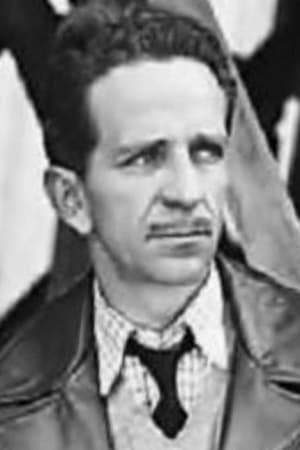
Richard Rosson
Made by

BBC Worldwide
The First Men in the Moon Plot Summary
Read the complete plot summary and ending explained for The First Men in the Moon (2010). From turning points to emotional moments, uncover what really happened and why it matters.
In July 1969, 90-year-old Julius Bedford, Rory Kinnear, tells young Jim Alex Riddell the story of the first voyage to the Moon in 1909. He recalls meeting Professor Arthur Cavor Mark Gatiss in Apuldram, where Cavor has invented Cavorite, a substance that blocks gravity. Together they dream of turning a bold discovery into profit, building a cast-iron sphere that could carry them both to the Moon and back.
When they reach the lunar surface, they quickly learn that the Moon’s atmosphere is not what they expected—the oxygen is frozen into the ground and only released in direct sunlight, a detail that hints at the Moon’s strange, inhospitable nature. The explorers are captured with nets and taken underground by the Moon’s inhabitants. Upon revival, they are fed and try to communicate with the locals, but their efforts fail. A tense moment follows as they are prodded toward the edge of a lunar abyss, a threatening sign of the unfamiliar dangers that surround them.
Bedford’s greater strength leads to a devastating mistake: he unintentionally kills several Selenites. The two men split up, with Cavor staying behind to buy Bedford time to escape. Bedford navigates a maze of tunnels and eventually stumbles upon their spacecraft, which the Selenites had moved underground during the captivity. He climbs aboard and activates the controls, narrowly avoiding a disastrous collision with the Sun before a long journey ends with a seaside landing near West Wittering. His hope of rescuing Cavor falters when a passer-by named Chessocks Lee Ingleby climbs aboard and, with the hatch open, inadvertently launches into space.
Back on the Moon, Cavor remains a prisoner but makes use of his time to teach the Selenites English and some of humanity’s history, and he reveals the formula for Cavorite. The Selenites, warned by what they’ve learned about humankind’s warlike tendencies, decide to strike first, planning to use Cavorite to mount a pre-emptive attack with spacecraft similar to the one that brought Cavor and Bedford from Earth. In a desperate gambit, Cavor communicates his intentions to Bedford via Morse code and, later, releases all the Cavorite the Selenites have produced. The sudden release frees the Moon’s trapped atmosphere, causing it to escape into space and leave the lunar surface rendered a barren wasteland.
The desolate Moon is finally revealed as the Apollo era dawns, with the lunar landscape noted by the Apollo 11 astronauts. A lone Selenite watches the Earth spacecraft from a distance, a quiet, haunting image that lingers after the lights of history move on.
The First Men in the Moon Timeline
Follow the complete movie timeline of The First Men in the Moon (2010) with every major event in chronological order. Great for understanding complex plots and story progression.
Bedford begins telling the Moon tale (1969)
In July 1969, 90-year-old Julius Bedford recounts the legend of the first Moon journey to his young listener Jim. He frames the story as a memory of two men in 1909 and the extraordinary invention that enabled it. The narration sets the stage for a science-fiction adventure that blends history and myth.
Bedford meets Cavor in Apuldram and discovers Cavorite
As a young man, Bedford meets Professor Arthur Cavor in Apuldram, where Cavor has invented 'Cavorite', a substance that blocks gravity and makes spaceflight possible. Bedford sees the profit potential and urges cooperation to build a lunar craft. Their alliance marks the spark that will send them to the Moon.
Construction of the gravity-defying sphere
The duo works to construct a cast-iron sphere capable of spaceflight. They test its mechanisms and prepare for the long journey, chasing the dream of leaving Earth behind. The project represents the turning point from invention to voyage.
Moon landing and discovery of an oxygen atmosphere
The sphere lands on the lunar surface, where the explorers discover an oxygen atmosphere frozen in the soil and released by direct sunlight. They are soon captured by the Moon's inhabitants, the Selenites. The encounter marks the first contact with an alien civilization.
Attempts at communication and a deadly split
After revival, Bedford and Cavor attempt to communicate with the Selenites. They are prodded toward the lunar abyss, and Bedford's reaction leads to the accidental killing of several Selenites. To give Bedford a chance to escape, the two men decide to split up, with Cavor staying behind.
Bedford escapes in the underground spacecraft
Bedford discovers the Selenites' underground spacecraft and uses it to escape the Moon's confines. He maneuvers the controls, nearly crashing into the Sun, before regaining control and heading back toward Earth.
Return to Earth: near West Wittering
The recovered sphere carries Bedford through space and lands near the English coast, close to West Wittering. He clings to the hope of rescuing Cavor, but the mission's specifics have changed, and help remains elusive. This homecoming is fraught with longing and uncertainty.
Chessocks unintentionally escapes aboard the ship
A passer-by named Chessocks climbs aboard the Earthbound sphere through an open hatch and is swept into space. Bedford is unaware of this new passenger, and the accidental launch foils any immediate attempt to rescue Cavor. The event introduces a new, unforeseen complication to their plan.
Cavor remains captive and teaches the Selenites
Back on the Moon, Cavor remains a prisoner who uses the opportunity to teach the Selenites English and a slice of human history. He also reveals the formula for Cavorite, planting seeds for the Moon's future choices. The Selenites conclude that humankind is a threat and must be studied further.
Selenites plan a pre-emptive strike with Cavorite
Spurred by the belief that humans will attack, the Selenites decide to use Cavorite to build their own spacecraft. Cavor tries to warn Bedford via Morse code and eventually releases all the Cavorite they possess. These actions shift the balance of power away from Earth and toward the Moon.
Cavorite triggers the Moon's atmosphere to escape
Cavorite's release triggers the Moon's internal and frozen atmosphere to burst into space, draining the Moon of its breathable air and leaving a barren wasteland. The lunar surface is transformed into a desolate landscape that forever changes its nature. This catastrophe foreshadows the Moon's future with human exploration.
Apollo 11 arrives and a Selenite watches Earth
Decades later, Apollo 11's lunar lander steers toward the Moon's surface and finds the wasteland left by Cavorite's release. A lone Selenite observes the Earth spacecraft from a distance, witnessing humanity's reach across space. The story closes by linking the ancient Moon to the modern era.
The First Men in the Moon Characters
Explore all characters from The First Men in the Moon (2010). Get detailed profiles with their roles, arcs, and key relationships explained.
Professor Arthur Cavor (Mark Gatiss)
Brilliant, determined scientist who invents Cavorite and builds the expedition sphere. He weighs practical profit against the risks of contact with a mysterious alien world and endures captivity while sharing knowledge with the Selenites.
Julius Bedford (Rory Kinnear)
Cavor's partner on Earth who is physically formidable and resourceful. He grapples with the moral implications of their discovery, fights for survival, and ultimately returns to tell the tale.
Moon (Selenite) (Reece Shearsmith)
A sentient alien from the Moon who oversees the underground Selenite culture. He engages with the humans cautiously and serves as a key conduit for understanding lunar perspectives.
Selenite (uncredited) (Richard Rosson)
A member of the Moon’s underground society who encounters the human explorers. The Selenites assess humanity and its potential threat, shaping their response to the visitors.
Grand Lunar (Philip Jackson)
Leader of the Moon’s people who contemplates pre-emptive action against humans. He represents the alien perspective on Earth’s exploration and the possibility of conflict.
Chessocks (Lee Ingleby)
A passer-by on Earth who climbs aboard the lunar craft when the hatch is left open, becoming an accidental explorer and a catalyst for spacescape consequences.
Jim (Alex Riddell)
A curious young listener who receives the tale from Bedford, representing the next generation and the enduring pull of space-age legends.
Dad (Peter Forbes)
A frame-narrative father figure grounding the memory for Jim, contributing to the sense of heritage and continuity.
Mum (Katherine Jakeways)
A mother figure in the frame narrative who supports the storytelling mood and adds emotional resonance to the recollection.
Sun (Steve Pemberton)
A Moon inhabitant who embodies the Sun aspect of lunar culture and participates in exchanges with Cavor and Bedford.
Phi-Oo (Ian Hallard)
Voice of Phi-Oo, another lunar intelligence that aids in conveying information to the humans and participating in lunar dialogues.
The First Men in the Moon Settings
Learn where and when The First Men in the Moon (2010) takes place. Explore the film’s settings, era, and how they shape the narrative.
Time period
1909, 1969
The core voyage unfolds in 1909 when Cavor and Bedford travel to the Moon using Cavorite. A framing sequence is set in July 1969, with an elderly Bedford recounting the tale to a boy, bridging early 20th-century science fiction with late-60s memory. This places the story across two eras, highlighting early optimism about science alongside enduring questions of memory and consequence.
Location
Moon, Apuldram, West Wittering, Earth
Main action centers on the Moon, a desolate world where the Selenite civilization lives underground and an atmosphere frozen in the surface is released by sunlight. Earthbound scenes occur around Apuldram, where Cavor and Bedford first cross paths, and near West Wittering, where Bedford returns after the lunar voyage. The Moon’s barren landscape is ultimately revealed as a consequence of interplanetary contact and the use of Cavorite.
The First Men in the Moon Themes
Discover the main themes in The First Men in the Moon (2010). Analyze the deeper meanings, emotional layers, and social commentary behind the film.
🌕
Exploration
The voyage to the Moon embodies human curiosity and the desire to explore unknown frontiers. It showcases first contact with an alien culture and the wonders—and dangers—that accompany stepping beyond our world. The discovery challenges characters to reassess their assumptions about other worlds and their inhabitants.
🧪
Science & Invention
Cavor’s invention of Cavorite demonstrates the power and peril of groundbreaking technology. The story probes how scientific breakthroughs can propel humanity forward while also inviting unforeseen risks and moral questions. It emphasizes the responsibility that accompanies powerful discoveries.
⚔️
Conflict & Consequences
The encounter with the Moon’s inhabitants triggers a careful reconsideration of interplanetary contact and potential warfare. The Moon’s leaders contemplate pre-emptive action, and the narrative shows how innovation can escalate into existential threat if misused. The plot explores the delicate balance between exploration and aggression.

Coming soon on iOS and Android
The Plot Explained Mobile App
From blockbusters to hidden gems — dive into movie stories anytime, anywhere. Save your favorites, discover plots faster, and never miss a twist again.
Sign up to be the first to know when we launch. Your email stays private — always.
Explore the mobile appThe First Men in the Moon Spoiler-Free Summary
Discover the spoiler-free summary of The First Men in the Moon (2010). Get a concise overview without any spoilers.
In July 1969, as the world collectively holds its breath for the historic Apollo landing, a quiet London street becomes the backdrop for a story that reaches far beyond the present. A curious young boy named Jim finds himself drawn to the rambling tales of his ninety‑year‑old neighbor, Julius Bedford, who claims to have walked on the Moon a full sixty years earlier. The juxtaposition of the modern space race with a forgotten, almost fantastical expedition creates a mood that feels both nostalgic and oddly unsettling, as if the past is whispering a warning just out of earshot.
Julius Bedford is a charming, weathered raconteur whose memories are as vivid as the moonlit nights he describes. He speaks of meeting the eccentric genius Arthur Cavor, a man whose obsession with a mysterious substance—Cavorite—promises to defy gravity itself. Their partnership is built on a mixture of idealism, daring ambition, and a hint of entrepreneurial spirit, giving the pair a restless chemistry that fuels the boy’s imagination. Through Jim’s eyes we sense the clash between youthful wonder and the seasoned, sometimes hazardous, optimism of two men who dared to chase an impossible dream.
The Moon, as imagined through Bedford’s recollections, is presented not as the familiar, crater‑strewn orb of textbooks, but as a landscape that holds secret pockets of frozen oxygen and cavernous depths that hint at something far more complex than barren rock. A faint, lingering dread accompanies the description of this alien world, suggesting that beneath its desolate surface lies a terrifying secret waiting to be uncovered. The tone oscillates between whimsical adventure and quiet foreboding, inviting the audience to wonder what hidden truths might be buried in a place long thought empty.
As the Apollo mission heralds humanity’s first real step onto the lunar surface, the parallel story of Jim and Julius Bedford asks what other stories the Moon might be keeping. Their bond, the allure of Cavorite, and the promise of a long‑forgotten expedition all converge to create a cinematic tableau where curiosity, history, and the unknown swirl together, leaving the viewer eager to peer beyond the familiar glow of the Apollo lights and into the shadows beneath the Moon’s silent horizon.
Featured on this page

What's After the Movie?
Not sure whether to stay after the credits? Find out!
Check out our other apps:

SAT Sphere
Build confidence for the Digital SAT.

Mori Atlas
Discover wild places worth protecting.

Luntero
Search smarter for a home in Amsterdam.

Plot Explained
Unravel movie endings and hidden clues.

Pokechamp
Dive into Pokémon data and battle logic.

Driving Theory
Get ready for your European theory test.

Movie Dust
Plan your next cinema trip with ease.

Musemap
Find art and culture as you travel.

Selkobase
Compare credentials before committing.

Local Manual
Turn an unfamiliar country into practical next steps.

Lernavi
Compare school systems before your next move.

GymRoam
Find a workout stop wherever your plans take you.
Explore Our Movie Platform
New Movie Releases (2026)
Famous Movie Actors
Top Film Production Studios
Movie Plot Summaries & Endings
Major Movie Awards & Winners
Best Concert Films & Music Documentaries
Movie Collections and Curated Lists
© 2026 What's After the Movie. All rights reserved.
Privacy Policy