
The Favour, the Watch and the Very Big Fish 1991



Where to Watch The Favour, the Watch and the Very Big Fish
See current US streaming, rental, and purchase options for The Favour, the Watch and the Very Big Fish (1991) via JustWatch.


Streaming availability powered by 
The Favour, the Watch and the Very Big Fish Plot Summary
Read the complete plot summary and ending explained for The Favour, the Watch and the Very Big Fish (1991). From turning points to emotional moments, uncover what really happened and why it matters.
Louis Aubinar [Bob Hoskins] is a humble, middle‑aged photographer who specializes in religious pictures, living in a cramped Paris apartment with his psychotic sister, Elizabeth, whose cooking is famously terrible—scarcely a meal goes by without some bizarre disaster, from ruined sauces to grinding an entire sailfish into paste. In a city that prizes sacred imagery, Louis carries a quiet optimism even as he faces financial strain and a precarious job situation. His employer, Norbert [Michel Blanc], is a prestigious curator of religious articles who has tasked Louis with creating portraits of the Saints. When Norbert abruptly shifts plans—from John the Baptist to Jesus—the pressure on Louis to find a suitable Jesus‑model becomes a matter of job security for him, and for Zalman, Louis’s friend, who is already anxious about his own stalled career in film‑dubbing due to a flu that could ruin another opportunity. Zalman asks Louis to cover his part until he recovers, setting off a chain of events that will pull Louis deeper into a messy, comic‑tragic encounter with love, art, and identity.
In a twist of fate, Louis steps into Zalman’s current gig—voice work dubbing pornographic films—and finds himself seated next to Sybil [Natasha Richardson], a woman with a past both tender and tumultuous. The moment is chaotic and oddly electric; Louis’s embarrassment morphs into a startling display that ends with a loud, unusual reaction, which catches Sybil off guard and somehow forges a peculiar connection between them. Louis introduces himself as Zalman to cover the absence, and what begins as a desperate impersonation blossoms into something unexpectedly intimate as Sybil shares the backstory of a former relationship with a passionate, deluded pianist who worked at the same restaurant where she met him.
That pianist—who becomes a recurring figure in Sybil’s tale—developed a volatile bond with a violinist who is attacked by jealousy and ends up in prison for three years, only to be released soon after. The restaurant’s atmosphere grows more vibrant as the pianist’s music elevates the mood, while the pianist’s impulsive actions fuel a mounting tension surrounding his identity and his art. Moved by Sybil’s memories, Louis lends her money to buy a suit for the pianist and promises to stand with her at the prison gates when his release finally arrives. A complication arises when Sybil’s sick grandfather complicates their plans, causing them to miss the rendezvous at the prison and prompting Louis to chase the wrong person instead. The suit Louis helped purchase reappears in a shop window, deepening the mystery of who is who.
In a dramatic turn of chance, the pianist discovers Norbert’s card and arrives at Norbert’s door in the rain, seeking Louis’s help to become the new Jesus for Norbert’s project. Louis realizes that the pianist could be the perfect Jesus model, and with Norbert’s blessing the two men forge a compelling collaboration that yields a lucrative contract. The photographer and his new model capture a series of powerful images, portraying the pianist under posters that name him variously, including the title of Jesus, while the public begins to identify him as a miraculous figure. As the pianist’s role expands, he is asked to perform a healing act for a blind boy; during a moment of supposed concentration, a golf ball accidentally strikes the boy, restoring his sight in a surprising, almost mythic turn.
This newfound fame unsettles the pianist, who begins doubting his own identity as he opens up to Louis about the feelings he suspects Louis harbors for Sybil—feelings that echo the pianist’s own past romance. Meanwhile, Sybil returns the borrowed suit and repays Zalman, who is too ill to answer the door. Believing Louis to be Zalman, she goes to Norbert’s studio where the pianist has recently been fired. When the pianist sees Sybil with Norbert, a violent confrontation erupts, and Louis finds himself unprepared for the truth of the pianist’s previous involvement with Sybil.
The tragedy that follows is as profound as it is surreal. The pianist, convinced of his divine role, attempts to walk on water and ends up drowning in a river. Louis, still caught in the muddle of misidentifications and unspoken feelings, carries the pianist’s ashes in an urn as Sybil finally tracks him down. The story closes on a note of unresolved longing and renewed closeness: the two protagonists inch toward one another again, and as Sybil surveys Louis, she mistakes him for Zalman once more, noticing the watch she once gave him gleaming on his wrist. The watch becomes a quiet symbol of a past gift and a new, shared future, hinting at reconciliation even as memory and misunderstanding linger.
The Favour, the Watch and the Very Big Fish Timeline
Follow the complete movie timeline of The Favour, the Watch and the Very Big Fish (1991) with every major event in chronological order. Great for understanding complex plots and story progression.
Commissioned to photograph Jesus
Norbert, a prestigious curator, shifts the planned project from John the Baptist to Jesus and seeks a suitable model. Louis, a struggling photographer, hopes this new assignment will steady his finances. This decision sets the whole trajectory of Louis's career and personal life in motion.
Louis covers Zalman's dubbing job
Zalman asks Louis to cover for him so he can recover from flu. Louis discovers Zalman's gig is voice-dubbing porn, an assignment far from his religious photography. While working, he ends up near Sybil and, to everyone's shock, has a loud orgasm, prompting him to introduce himself as Zalman to conceal the ruse.
First encounter with Sybil
Louis, pretending to be Zalman, is introduced to Sybil at the dubbing studio. In a dazed state, he accidentally has a loud, intense orgasm, which shocks him but strangely impresses Sybil. She is curious about the shy photographer behind the cover story, and he awkwardly keeps up the disguise as they exchange names.
Sybil's pianist backstory
Sybil shares the story of her last relationship with a passionate but delusional pianist who worked in the same restaurant. A birthday girl gives her a watch to coax a smile from him, and their bond grows as his playing improves. A jealous violinist is attacked by the pianist and ends up jailed for three years. This backstory deepens Louis's sympathy for Sybil and the musical world around them.
Louis helps with the Pianist's suit
Moved by Sybil's tale, Louis lends her money to buy a suit for the Pianist and promises to meet at the prison gates. The plan is to support the pianist as he becomes a religious symbol, with Sybil hoping for a future together. This act deepens his entanglement in their lives and the upcoming revelation that the pianist is the candidate for Jesus.
Missed meeting and wrong identity
Sybil's sick grandfather causes a delay, and Louis ends up following the wrong person to the prison gates to find the pianist. When he realizes the suit has been returned to the shop window, he suspects something has gone wrong. The coincidence plants seeds of doubt about the pianist's identity and Louis's own role in the drama.
Pianist arrives at Norbert's; Louis recognizes him as Jesus model
In a rainstorm, the pianist unexpectedly finds Norbert's card and goes to Norbert's office, where Louis realizes he is the perfect model for Jesus. Norbert secures a lucrative contract for the pianist, lifting Louis's career to its peak. The artist's identity starts to blur between himself, Jesus, and the world they are portraying.
Photoshoot and posters spread
Louis shoots the Pianist as Jesus and captures a range of images under different names, including Frédéric Chopin. The photos and posters begin circulating, causing the public to increasingly accept the Pianist as the face of Jesus. Louis experiences professional triumph and mounting tension as his own affections for Sybil clash with the public spectacle.
The attempted miracle and growing doubt
The Pianist is pressured to perform a miracle-like cure for a blind boy, and during the attempt a golf ball accidentally restores the boy's sight. This event makes the Pianist doubt his own identity and wonder if he truly is Jesus. Meanwhile, Louis and the Pianist grow closer through late-night conversations about faith and love for Sybil.
Pianist's belief and disclosure
After the incident, the Pianist becomes convinced that he is Jesus. He confides in Louis about his feelings for Sybil, and Louis's own unspoken affection deepens the emotional entanglement. The friendship becomes a triangle of longing, art, and faith.
Confrontation at Norbert's
Sybil returns the suit and repays Zalman, who lies ill at home, but the Pianist experiences jealousy when he sees Sybil talking with Norbert. He attacks Louis, unaware of his prior relationship with Sybil and the web of lies surrounding the identity swap.
Drowning and reunion
Believing himself to be Jesus, the Pianist attempts to walk on water and drowns in a river. Louis, still confused and carrying the Pianist's ashes in an urn, is reunited with Sybil when she finds him. The film ends with their renewed closeness and a final reveal that Louis is still wearing the watch Sybil gave to Zalman.
The Favour, the Watch and the Very Big Fish Characters
Explore all characters from The Favour, the Watch and the Very Big Fish (1991). Get detailed profiles with their roles, arcs, and key relationships explained.
Louis Aubinar (Bob Hoskins)
A humble, financially strained Paris photographer who specializes in religious pictures. He agrees to cover Zalman's dubbing part and becomes entwined in a web of mistaken identity, romance, and artistic ambition as he tries to secure pay and keep his job. His loyalty and pragmatism clash with the surreal situations he is pulled into.
Sybil (Natasha Richardson)
A woman who shares the backstory of a previous, intense relationship with a pianist and who becomes a focal point for Louis's affections. Her interactions with Louis and the Pianist are shaped by longing, heartbreak, and a complicated sense of loyalty. She moves between vulnerability and resilience as events unfold around her.
Pianist (Jeff Goldblum)
A charismatic pianist who is passively pulled into a role as Jesus, through which he gains fame and a new identity. His belief in being Jesus grows as the public notices him, and his emotional history with Sybil adds tension to the love triangle. His actions trigger the chain of events that change many lives, ending tragically with his drowning.
Norbert (Michel Blanc)
A prestigious religious articles curator who decides to switch the project from John the Baptist to Jesus for bigger profits. He is the professional catalyst for turning artwork into a lucrative contract, influencing Louis's opportunities and the Pianist's trajectory. His decisions illustrate the tension between art, faith, and commerce.
Zalman (Jean-Pierre Cassel)
Louis's friend who was originally slated to pose as John the Baptist and who remains a looming absence as the dubbing scene unfolds. He becomes a catalyst for Louis's leap into new roles and for the unfolding drama through his illness and the mistaken identity that follows.
The Favour, the Watch and the Very Big Fish Settings
Learn where and when The Favour, the Watch and the Very Big Fish (1991) takes place. Explore the film’s settings, era, and how they shape the narrative.
Location
Paris, restaurant, prison
The story unfolds in Paris, centered on a small apartment and a bustling restaurant where a pianist performs. The city serves as a backdrop for art, faith, and commerce colliding in Louis's pursuit of saints-made portraits. Key scenes move from intimate domestic spaces to public performances and a prison gate, underscoring the film's blend of daily life and theatrical illusion.
The Favour, the Watch and the Very Big Fish Themes
Discover the main themes in The Favour, the Watch and the Very Big Fish (1991). Analyze the deeper meanings, emotional layers, and social commentary behind the film.
🎭
Identity & Performance
The film constantly tests who is performing whom. Louis pretends to be Zalman to cover for his friend, while the Pianist grapples with a burgeoning belief that he is Jesus. Posters and public appearances push characters to live in roles that may not match their inner selves. The line between authentic feeling and outward persona becomes increasingly blurred.
💘
Love & Obsession
A passionate but troubled romance threads through Sybil, Louis, and the Pianist. Jealousy, longing, and missed connections drive many choices, including misdirected meetings at prison gates and the gift of a watch. The story uses romantic misdirection to explore how desire can propel art, risk, and identity changes. Relationships are as much about power and dependence as attraction.
💼
Art & Commerce
Norbert's decision to drop John the Baptist for Jesus marks a shift toward profitability, turning sacred imagery into a commercial venture. Louis's photography becomes a vehicle for status, fame, and poster-ready iconography. The film probes how art is shaped by money, publicity, and the market's appetite for spectacle. Personal lives are caught in the crossfire of this commodified art world.
⚡
Fate & Coincidence
Chance events steer the plot—from who answers the door to who arrives at the prison gates under rainy skies. The Pianist's evolving self-image emerges through a series of fateful coincidences that reveal deeper truths. The story suggests that small, random moments can redirect lives in unexpected, irreversible ways. The ending ties together the randomness and the consequences of the characters' choices.

Coming soon on iOS and Android
The Plot Explained Mobile App
From blockbusters to hidden gems — dive into movie stories anytime, anywhere. Save your favorites, discover plots faster, and never miss a twist again.
Sign up to be the first to know when we launch. Your email stays private — always.
Explore the mobile appThe Favour, the Watch and the Very Big Fish Spoiler-Free Summary
Discover the spoiler-free summary of The Favour, the Watch and the Very Big Fish (1991). Get a concise overview without any spoilers.
In the heart of Paris, where every cobblestone seems to echo a whispered prayer, a modest photographer makes his living capturing the quiet sanctity of saints. Louis Aubinar has turned his lens into a gentle conduit for faith, producing images that feel both reverent and oddly human. The city’s reverence for sacred art is matched only by its tolerance for the absurd, and the film’s tone rides that line between heartfelt devotion and far‑cious comedy, inviting the audience to smile at the everyday miracles and mishaps of creative life.
Louis shares his cramped, slightly chaotic apartment with his sister, Elizabeth, whose culinary experiments are as volatile as the city’s traffic. Their domestic routine is punctuated by the demands of Norbert, a stern curator whose sudden shift from John the Baptist to Jesus as the next subject threatens Louis’s precarious job security. Adding another layer of pressure, Louis’s longtime friend Zalman—a struggling voice‑over artist—asks for a tiny favor that pulls the photographer into a world far removed from holy iconography.
That favor lands Louis in an unexpectedly intimate recording studio, where he lends his voice to a risqué project starring the enigmatic Sybil. The experience, equal parts embarrassing and electrifying, drags him into a comedic whirl of mistaken identities and off‑beat connections, all while the pressure to find a “perfect” Jesus model grows louder. The search leads him to an unconventional muse—an eccentric, magnetic figure whose very presence seems to ripple through the streets, turning ordinary onlookers into believers.
As Louis navigates the tangled web of artistic ambition, sibling chaos, and unlikely romance, the film revels in its playful exploration of faith, fame, and the absurdities that lie between. The Parisian backdrop, the eccentric cast, and the ever‑present question of what makes someone worthy of a holy portrait keep the story buoyant, promising a delightful dance of humor and heart without ever revealing the final destination.
Movies with Similar Twists and Themes
Uncover films that echo the narrative beats, emotional arcs, or dramatic twists of the one you're exploring. These recommendations are handpicked based on story depth, thematic resonance, and spoiler-worthy moments — perfect for fans who crave more of the same intrigue.
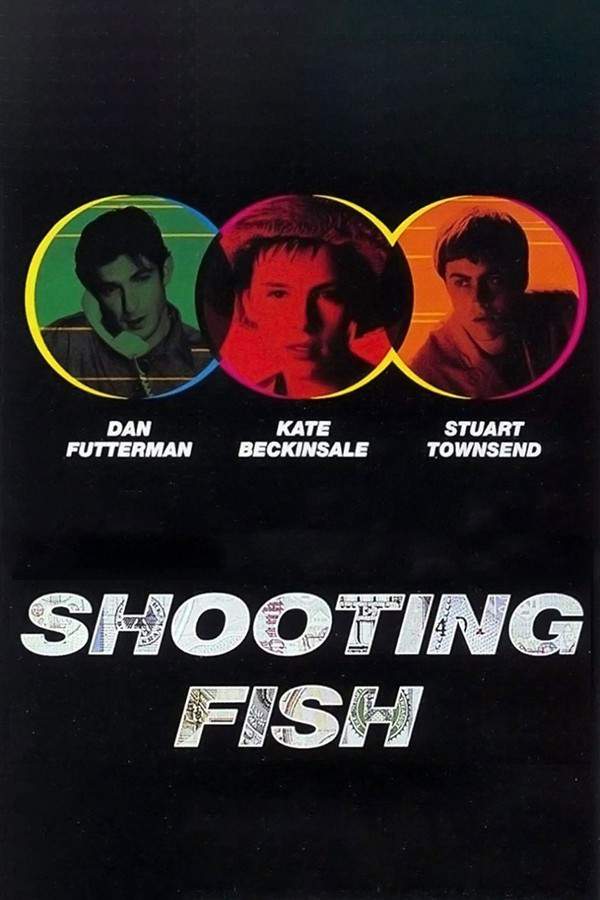
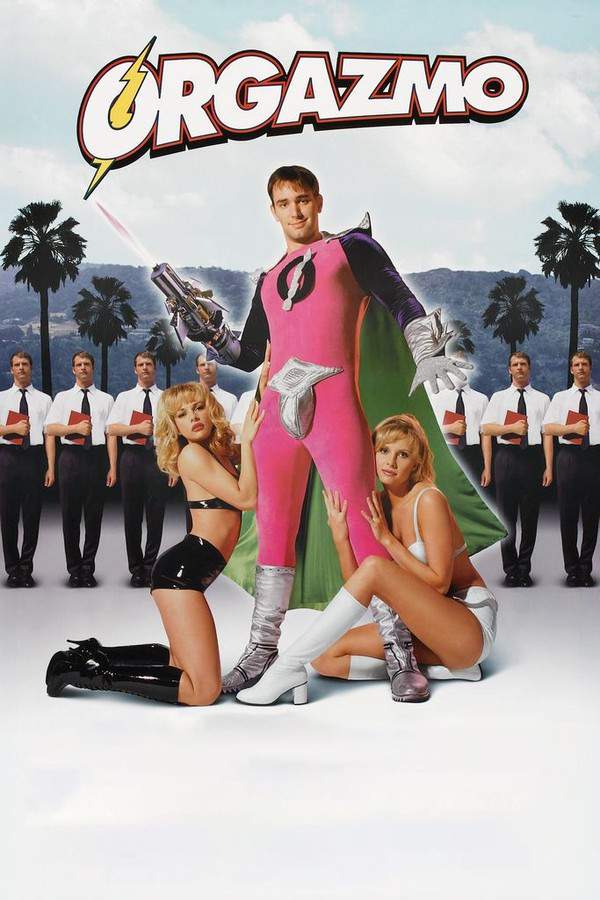
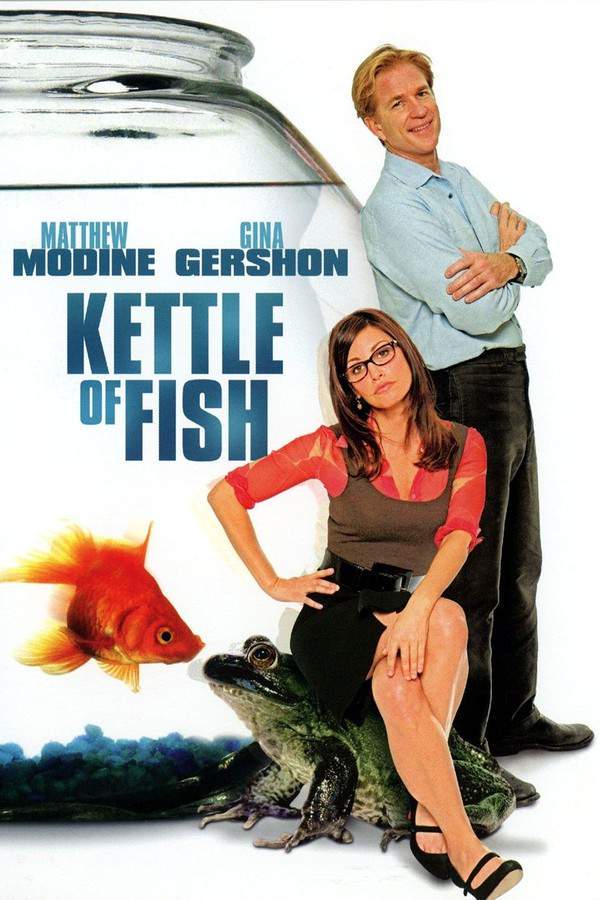
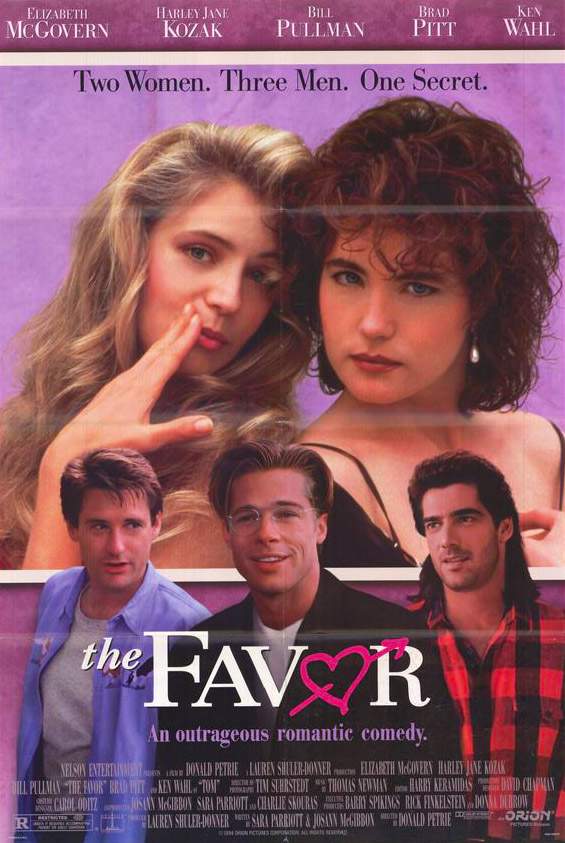


Featured on this page

What's After the Movie?
Not sure whether to stay after the credits? Find out!
Check out our other apps:

SAT Sphere
Build confidence for the Digital SAT.

Mori Atlas
Discover wild places worth protecting.

Luntero
Search smarter for a home in Amsterdam.

Plot Explained
Unravel movie endings and hidden clues.

Pokechamp
Dive into Pokémon data and battle logic.

Driving Theory
Get ready for your European theory test.

Movie Dust
Plan your next cinema trip with ease.

Musemap
Find art and culture as you travel.

Selkobase
Compare credentials before committing.

Local Manual
Turn an unfamiliar country into practical next steps.

Lernavi
Compare school systems before your next move.

GymRoam
Find a workout stop wherever your plans take you.
Explore Our Movie Platform
New Movie Releases (2026)
Famous Movie Actors
Top Film Production Studios
Movie Plot Summaries & Endings
Major Movie Awards & Winners
Best Concert Films & Music Documentaries
Movie Collections and Curated Lists
© 2026 What's After the Movie. All rights reserved.
Privacy Policy