What Is The Day After About?
The premise of The Day After in 286 words, with nothing given away. The full story follows below.
In the mid‑1980s, America hovers on the brink of a conflict that could reshape the world, and the quiet rhythm of a small Kansas community feels the tremor of that tension. The landscape is dotted with farm fields, modest homes, and a nearby missile silo, while television and radio news feeds flicker with reports of Soviet moves along the East German border. The film’s tone is deliberately unflinching, pairing the ordinary sounds of daily life—church bells, school bells, and the hum of a kitchen stove—with an ever‑present undercurrent of dread, hinting that the ordinary can be shattered in an instant.
Dr. Russell Oakes works at a hospital in Kansas City, trying to keep his professional duties and family responsibilities in balance as his daughter prepares to leave home. Across town, Denise Dahlberg is caught up in wedding preparations, embodying the small‑town optimism that still clings to the future. Stephen Klein, a graduate student, is immersed in his thesis work, while Billy McCoy serves at the nearby Minuteman missile site, representing the stark military presence that looms over the countryside. Their lives intersect in the shared spaces of a town that values community, duty, and personal ambition, each character carrying a quiet hope that the looming crisis will pass without touching their world.
Against this backdrop, the narrative explores how a community accustomed to routine confronts an unimaginable shift. The film’s visual style leans toward muted palettes and lingering shots of empty streets, underscoring a sense of isolation that deepens as the threat grows. Conversations are tinged with both bravado and anxiety, revealing how ordinary people grapple with fear, responsibility, and the fragile promise of normalcy when the world outside their town seems poised to change forever.
What Happens in The Day After?
The complete story of The Day After, from the first scene to the last, in 790 words (about 3 minutes). Spoilers throughout. Names in the text link to 8 cast member pages.
Spoilers ahead
Dr. Russell Oakes, Jason Robards, is a hospital physician in Kansas City, Missouri who tries to keep his life steady as his daughter Marilyn prepares to move away. In nearby Harrisonville, farmer Jim Dahlberg, John Cullum, and his family prepare for Denise’s wedding rehearsal, with Denise, Lori Lethin, stepping toward adulthood even as the day’s chores press on around them. Not far from the farm, Airman Billy McCoy, William Allen Young, is stationed at a Minuteman missile site near Sweetsage, one of many silos that gird western Missouri, while the Hendry family tends to their fields and watches their children grow up in a world already humming with unease. Across the airwaves, television and radio reports track a Soviet buildup along the East German border, as East German forces block West Berlin and the United States issues warnings and raises its alert level.
As the tension escalates, NATO attempts to blunt the assault with airstrikes, and a cascade of shocking moves reverberates through Europe. At the University of Kansas in Lawrence, word travels quickly that the Soviets have invaded West Germany, and the conflict spills into civilian life. Stephen Klein, Steve Guttenberg, a pre-med student, decides to hitchhike home to Joplin, Missouri, while Denise’s fiancé Bruce, Jeff East, watches crowds flee as shoppers strip shelves bare and battles unfold offshore. The war’s first blows touch Kansas City in a frantic, almost surreal immediacy, and Jim Dahlberg’s household, the Oakes family, and McCoy’s unit all feel the tremors of a world careening toward collapse.
With the skies darkened by war and the air thick with fallout, Oakes finds himself stranded on the highway and carves a path to University Hospital at Lawrence, where he assumes responsibility for caring for the overwhelmed patients. He is counseled by Joe Huxley, KU’s professor of science, John Lithgow, whose shortwave broadcasts carry grim fallout warnings that travel outdoors is deadly. Klein locates the Dahlberg home and begs for refuge in the basement, a fragile shelter that stands in for the last, quiet spaces left in a city already losing its grip on normal life. Denise’s world grows smaller as the radiation dust darkens the air, and Klein’s own body begins to fail as he and others are exposed to the radioactive plume while seeking shelter.
As days bleed into nights, Oakes struggles to treat patients with dwindling supplies, his hospital colleagues growing delirious and exhausted as the fallout continues. Nurse Nancy Bauer, JoBeth Williams, forms a sudden bond with him, sharing the heavy burden of keeping someone alive under impossible conditions; she eventually succumbs to meningitis, a stark reminder of mortality amid devastation. A pregnant woman pleads for assurance, and Oakes offers what comfort he can, clinging to the belief that some futures remain possible, even as the basement shelter becomes a fragile lifeboat in a sea of despair.
A national address interrupts the silence, with the President declaring a ceasefire and vowing to persevere on “American principles,” a speech meant to steady a shattered populace. Yet the promise rings hollow in a landscape where aid is slow, infrastructure is failing, and summary executions grow increasingly commonplace as order dissolves. Jim Dahlberg’s family and Denise’s circle face their final fates in a world where neighbors turn into threats and shelter becomes the new battleground. McCoy reaches Sedalia only to learn of its destruction and dies of radiation poisoning, a lonely end that marks the human cost of the conflict.
Oakes, meanwhile, returns to a Kansas City ruined beyond recognition, a city where looters are simply forced aside by National Guardsmen who act with grim severity. He confronts squatters in the ruins of his former home and, instead of anger, receives a quiet offer of food before collapsing in exhaustion and grief. The return to the shattered heart of the city becomes a meditation on memory and loss, and as he weeps, a sense of shared humanity flickers in the eyes of a stranger sheltering him. The final moment carries the voice of Huxley one last time over the radio, asking if anybody can still hear him, followed by a profound silence that lingers until the credits roll, punctuated by a Morse code message: M-A-D.
This stark, uncompromising portrayal of a nuclear strike and its aftermath remains grounded in the ordinary lives of people who wake up to a world that has suddenly changed, showing how resilience, fear, and compassion coexist even as the lights go out. In the end, the film invites viewers to reflect on the fragility of civilization and the human costs of conflict, reminding us that the line between order and chaos can disappear in an instant, and that even in the ruins, there are moments of grace and humanity that endure.
The Day After Timeline: Every Key Event in Order
14 key events in the order they happen, from “Rising tensions and personal lives in Missouri” to “Ending with the MAD message”. 14 events name a place, across 14 locations.
- 1
Rising tensions and personal lives in Missouri
Background reports reveal a Soviet buildup and a looming confrontation. Dr. Russell Oakes continues his work at a Kansas City hospital as his daughter Marilyn prepares to move away. In nearby Harrisonville, Jim Dahlberg's family holds a wedding rehearsal, while airman Billy McCoy remains stationed at a Minuteman silo, all while tensions mount.
When:Day 0 Where:Kansas City area, Missouri
- 2
NATO and Warsaw Pact actions
The following day, NATO attempts to break the blockade at Helmstedt-Marienborn as Warsaw Pact MiGs attack Würzburg. Moscow is evacuated amid the escalation, while East Germany tightens border pressures. The conflict expands beyond the Atlantic into Europe.
When:Day 1-2 Where:West Germany and Brussels
- 3
KU learns invasion underway
At the University of Kansas in Lawrence, news spreads that Soviets have invaded West Germany, triggering a broader conflict. Soviet armored thrusts push toward the Rhine, signaling an immediate threat to Western Europe. The mood shifts from concern to urgent fear on campus and beyond.
When:Day 1 Where:Lawrence, Kansas
- 4
Klein hitchhikes home
Pre-med student Stephen Klein decides to hitchhike home to Joplin, Missouri, hoping to reach his family. Denise's fiancé Bruce witnesses frantic shoppers pulling items from shelves as both sides conduct naval operations in the Persian Gulf. The journey foreshadows the personal costs of the war.
When:Day 2 morning Where:Lawrence to Joplin, Missouri
- 5
Emergency broadcasts and urban panic
The Emergency Broadcast System is activated and people begin fleeing Kansas City as authorities scramble to respond. Fear and confusion spread as residents imagine the unthinkable while alarms and sirens pierce the air. The city edges toward a chaotic wartime reality.
When:Day 2-3 Where:Kansas City, Missouri
- 6
Missile launches and EMP devastate the region
A wave of ICBMs is launched toward Russia after U.S. command activates missile protocols. A high-altitude nuclear detonation triggers an EMP that disables vehicles and destroys the power grid. The Midwest and surrounding areas plunge into darkness and breakdown.
When:Day 2-3 Where:Midwestern United States
- 7
McCoy flees to the hospital and dies
McCoy leaves the now-empty silo and tells his fellow airmen that the war is effectively over. He travels toward Sedalia with a mute man and, upon reaching the hospital, dies of radiation poisoning. His journey embodies the cost of strategic decisions on ordinary lives.
When:Day 3-4 Where:Road toward Sedalia; hospital in Missouri
- 8
Oakes treats patients amid dwindling resources
Oakes, stranded on the highway, finally reaches University Hospital in Lawrence to begin treating the growing stream of patients. Shortwave fallout reports from KU professor Joe Huxley warn that travel outdoors is fatal, and supplies steadily dwindle. The hospital becomes a frontline against a spreading catastrophe.
When:Day 4-5 Where:University Hospital, Lawrence, Kansas
- 9
Fallout exposure at the Dahlberg home
Klein finds the Dahlberg home and begs refuge in the family's basement; Denise runs outside and both are exposed to thick radioactive dust. The basement offers temporary shelter, but the danger from fallout remains pervasive and unseen. The community fractures as fear takes its toll.
When:Day 4-5 Where:Dahlberg home, Missouri
- 10
Nurse Bauer and a dying hope
Oakes bonds with Nurse Nancy Bauer, who later dies of meningitis, and a pregnant woman pleads with him to tell her she isn’t doomed. The hospital crew faces emotional strain as medical staff fall to illness and exhaustion. Hope clashes with the harsh reality of a collapsing medical system.
When:Day 4-6 Where:University Hospital, Lawrence
Show the other 4 events of The Day After Hide the last 4 events
- 11
Ceasefire speech and failed relief
In a radio address, the U.S. President announces a ceasefire and promises relief, but attempts at aid from the National Guard and infrastructural redevelopment prove fruitless. Looting becomes commonplace as order dissolves and humanity clings to dwindling resources. The nation slides toward a grim aftermath.
When:Day 5-6 Where:United States
- 12
Fates converge: Dahlbergs, Denise, Klein, and Oakes
Jim Dahlberg (and, it is implied, his remaining family) is killed by squatters, while Denise, Klein, and Oakes waste away from radiation sickness. The film juxtaposes personal tragedy with a collapsing civilization as survivors grapple with inevitability. The losses underscore the indiscriminate reach of nuclear war.
When:Day 6-7 Where:Dahlberg farm and surrounding areas; Lawrence/Kansas City region
- 13
Oakes returns to a ruined Kansas City
Returning to an irradiated Kansas City to see his old home one last time, Oakes confronts squatters who offer him food. He collapses and weeps as a grim realization settles in that there is no easy return to normal. The scene crystallizes the film's bleak vision of postwar life.
When:Day 8-9 Where:Irradiated Kansas City, Missouri
- 14
Ending with the MAD message
The film ends with an audio overlay of Huxley's warning on the radio, asking if anybody can still hear him. The screen fades to black as Morse code transmits a single message to the viewer: MAD. The final moment cements the nightmare of nuclear brinkmanship.
When:End credits Where:Kansas City / credits sequence
Who Are the Main Characters in The Day After?
11 characters, among them Dr. Russell Oakes (Jason Robards), Joe Huxley (John Lithgow) and Stephen Klein (Steve Guttenberg): who each one is and the part they play in the story. Every profile links to the actor’s page.
-
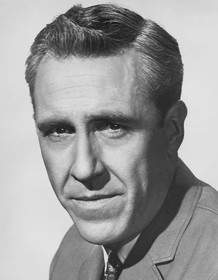
Dr. Russell Oakes (Jason Robards)
Played by Jason Robards
A dedicated hospital physician who takes charge as patients overwhelm the limited resources; he navigates dwindling supplies, chaotic scenes outside, and the moral weight of making life-and-death decisions. He bonds with Nurse Nancy Bauer and becomes a focal point of medical hope amid the collapse.
- 👨⚕️ Doctor
- 🧭 Leadership
- 🫂 Compassion
-

Joe Huxley (John Lithgow)
Played by John Lithgow
A University of Kansas professor who provides critical fallout information via radio broadcasts, outlining the danger of outdoor exposure and the spread of radioactive dust. His voice becomes a lifeline of scientific reality as panic spreads.
- 🧠 Scholar
- 📡 Radio Information
-
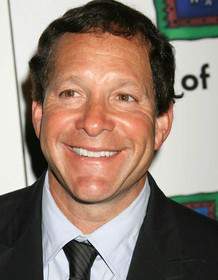
Stephen Klein (Steve Guttenberg)
Played by Steve Guttenberg
A pre-med student hitchhiking home who becomes entangled with the Dahlberg family, seeking refuge as the world falls apart. He exhibits resourcefulness and fear in equal measure as radiation threats loom.
- 🎓 Student
- 🧭 Refugee
- DD
Denise Dahlberg (Lori Lethin)
Played by Lori Lethin
Jim Dahlberg’s daughter and Denise’s fiancée Bruce’s partner; she confronts panic and danger, ultimately exposed to fallout while seeking safety and connection with loved ones.
- 👩🎓 Young Adult
- 💔 Relationship
- JD
Jim Dahlberg (Clayton Day)
Played by Clayton Day
A diligent farmer who hosts a wedding rehearsal for Denise; his family’s safety becomes precarious as squatters move into ruined homes, illustrating the collapse of social order.
- 👨🍳 Farmer
- 🛡️ Protector
- BG
Bruce Gallatin (Jeff East)
Played by Jeff East
Denise’s fiancé who witnesses the growing panic and disruption in society; he embodies the fear and urgency of impending disaster among civilians.
- 💍 Fiancé
- 🧭 Fear
-

Nurse Nancy Bauer (JoBeth Williams)
Played by JoBeth Williams
A compassionate nurse who bonds with Oakes under pressure; she ultimately dies from meningitis, highlighting the human cost of catastrophe.
- 💉 Nurse
- 🕊️ Sacrifice
- BM
Billy McCoy (William Allen Young)
Played by William Allen Young
Airman stationed at a Minuteman silo who flees toward safety but succumbs to radiation poisoning, symbolizing the perishing of the everyday military and civilian alike.
- 🛩️ Airman
- 💀 Sacrifice
- ED
Eve Dahlberg (Bibi Besch)
Played by Bibi Besch
Mother in the Dahlberg family who endures the chaos surrounding her, representing parental concern in a world unraveling at the seams.
- 👩👧 Family
- 🛡️ Maternal
- DL
Dr. Landowska (George Petrie)
Played by George Petrie
A doctor encountered in the medical environment; part of the network of professionals trying to stabilize patients amid shortages and danger.
- 👨⚕️ Doctor
- 🧭 Guidance
- HO
Helen Oakes (Georgann Johnson)
Played by Georgann Johnson
A member of the Oakes family; her presence underscores the family dynamics and concerns for loved ones during crisis.
- 👵 Family
- 🛟 Stability
Where and When Is The Day After Set?
The Day After is set in Kansas City, Harrisonville, Sweetsage and Lawrence. Here is why the place matters to the story.
Where
Kansas City, Harrisonville, Sweetsage, Lawrence
Set across Kansas City and nearby Missouri towns, the story centers on hospitals, farms, and a network of missile silos. The landscape shifts from normal family life to shelters, emergency broadcasts, and ruined urban centers as the conflict unfolds. The film juxtaposes rural and urban environments under siege, highlighting how place shapes survival and fear.
- ☢️ Nuclear War
- 🏥 Medical Crisis
- 🏚️ Social Collapse
What Are the Themes of The Day After?
3 ideas the story keeps returning to, among them Nuclear War, Survival and Family and Community.
-
01
Nuclear War
The narrative chronicles a rapid escalation to nuclear exchange, with EMPs disabling power grids and the skies filled with missiles. Civilians and military alike face instantaneous breakdown of safety nets as infrastructure collapses and radiation takes its toll. The film explores the ambiguity of responsibility in a world where leadership and survival collide, leaving little room for hope.
-
02
Survival
Survival hinges on finding shelter, securing dwindling supplies, and managing fear under relentless pressure. Medical staff race to treat victims with limited resources while the outside world falls apart. The story emphasizes resilience and the thin line between persistence and despair when life itself is under threat.
-
03
Family and Community
Families and neighbors attempt to protect one another amid chaos, with the Oakes, Dahlberg, and Klein circles illustrating intimate bonds fraying and reforming under stress. Acts of care persist even as lawlessness spreads and society breaks down. The film uses domestic scenes to counterbalance the vast destruction, showing how love and duty endure.
What Kind of Film Is The Day After?
Bleak in tone, with variable pacing and a moderate story, going by the plot summary.
- Tone
- Bleak
- Pacing
- Variable
- Story
- Moderate
- Intensity
- High
- Ending
- Bleak
A profoundly grim and unsettling descent into nuclear apocalypse that follows ordinary people facing unimaginable devastation, characterized by an oppressive atmosphere of dread, loss, and the fragile remnants of humanity.
- anxious
- grim
- oppressive
- somber
- horrifying
- despairing
- nuclear war
- survival
- apocalypse
- civilization collapse
Content notes: nuclear war violence, mass death, radiation sickness, child endangerment, summary executions.
Quiz
How well do you remember The Day After? Test yourself on the story.
Where to Watch The Day After
. US availability and prices from JustWatch.
Streaming availability in the US, powered by