The Day After 1983


In the mid‑1980s America teeters on the edge of nuclear war, casting a shadow over a small Kansas town. Doctor Russell Oakes works at the hospital, Denise Dahlberg plans her wedding, and graduate student Stephen Klein studies for his thesis. When the missiles strike, the community faces the bleak reality of nuclear winter.


Does The Day After have end credit scenes?
No!
The Day After does not have end credit scenes. You can leave when the credits roll.
Meet the Full Cast and Actors of The Day After
Explore the complete cast of The Day After, including both lead and supporting actors. Learn who plays each character, discover their past roles and achievements, and find out what makes this ensemble cast stand out in the world of film and television.

John Lithgow
Joe Huxley
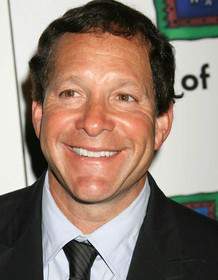
Steve Guttenberg
Stephen Klein
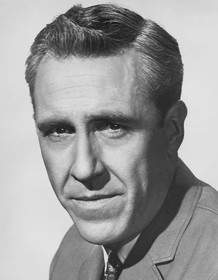
Jason Robards
Dr. Russell Oakes

Barbara Harris
TV Host

Pamela Brown
Nurse
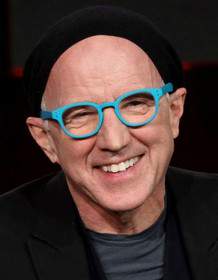
Arliss Howard
Tom Cooper
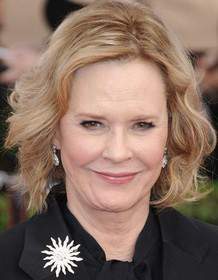
JoBeth Williams
Nurse Nancy Bauer
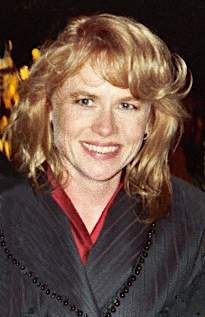
Amy Madigan
Alison Ransom

George Petrie
Dr. Landowska
Dennis Lipscomb
Reverend Walker
Bibi Besch
Eve Dahlberg
Stephen Furst
Aldo
John Cullum
Jim Dahlberg
Jeff East
Bruce Gallatin
Billy Beck
Dying Old Man Squatter (uncredited)
William Allen Young
Airman Billy McCoy
Georgann Johnson
Helen Oakes
Lori Lethin
Denise Dahlberg
Calvin Jung
Dr. Sam Hachya
Ellen Anthony
Joleen Dahlberg
Bill Baker
College Student (uncredited)
Rosanna Huffman
Dr. Wallenberg
Glenn Robards
Barber #2
Alston Ahern
Cynthia
Jonathan Estrin
Julian French
Vahan Moosekian
Mack
Stan Wilson
Vinnie Conrad
Clayton Day
Dennis Hendry
Lin McCarthy
Dr. Austin
Doug Scott
Danny Dahlberg
Kyle Aletter
Marilyn Oakes
William Allyn
Professor
Antonie Becker
Ellen Hendry
Bob Meister
Cody
Tom Spratley
Barber #1
Arthur Ashe
TV Newscaster (uncredited)
Brian Beltran
College Student (uncredited)
External Links and Streaming Options
Discover where to watch The Day After online, including streaming platforms, rental options, and official sources. Compare reviews, ratings, and in-depth movie information across sites like IMDb, TMDb, Wikipedia or JustWatch.






Take the Ultimate The Day After Movie Quiz
Challenge your knowledge of The Day After with this fun and interactive movie quiz. Test yourself on key plot points, iconic characters, hidden details, and memorable moments to see how well you really know the film.
The Day After Quiz: Test your knowledge of the 1983 television film *The Day After*, which depicts the sudden onset of nuclear war and its aftermath in the Midwest.
Which actor portrayed Dr. Russell Oakes, the Kansas City hospital physician?
Full Plot Summary and Ending Explained for The Day After
Read the complete plot summary of The Day After, including all major events, twists, and the full ending explained in detail. Explore key characters, themes, hidden meanings, and everything you need to understand the story from beginning to end.
Dr. Russell Oakes, Jason Robards, is a hospital physician in Kansas City, Missouri who tries to keep his life steady as his daughter Marilyn prepares to move away. In nearby Harrisonville, farmer Jim Dahlberg, John Cullum, and his family prepare for Denise’s wedding rehearsal, with Denise, Lori Lethin, stepping toward adulthood even as the day’s chores press on around them. Not far from the farm, Airman Billy McCoy, William Allen Young, is stationed at a Minuteman missile site near Sweetsage, one of many silos that gird western Missouri, while the Hendry family tends to their fields and watches their children grow up in a world already humming with unease. Across the airwaves, television and radio reports track a Soviet buildup along the East German border, as East German forces block West Berlin and the United States issues warnings and raises its alert level.
As the tension escalates, NATO attempts to blunt the assault with airstrikes, and a cascade of shocking moves reverberates through Europe. At the University of Kansas in Lawrence, word travels quickly that the Soviets have invaded West Germany, and the conflict spills into civilian life. Stephen Klein, Steve Guttenberg, a pre-med student, decides to hitchhike home to Joplin, Missouri, while Denise’s fiancé Bruce, Jeff East, watches crowds flee as shoppers strip shelves bare and battles unfold offshore. The war’s first blows touch Kansas City in a frantic, almost surreal immediacy, and Jim Dahlberg’s household, the Oakes family, and McCoy’s unit all feel the tremors of a world careening toward collapse.
With the skies darkened by war and the air thick with fallout, Oakes finds himself stranded on the highway and carves a path to University Hospital at Lawrence, where he assumes responsibility for caring for the overwhelmed patients. He is counseled by Joe Huxley, KU’s professor of science, John Lithgow, whose shortwave broadcasts carry grim fallout warnings that travel outdoors is deadly. Klein locates the Dahlberg home and begs for refuge in the basement, a fragile shelter that stands in for the last, quiet spaces left in a city already losing its grip on normal life. Denise’s world grows smaller as the radiation dust darkens the air, and Klein’s own body begins to fail as he and others are exposed to the radioactive plume while seeking shelter.
As days bleed into nights, Oakes struggles to treat patients with dwindling supplies, his hospital colleagues growing delirious and exhausted as the fallout continues. Nurse Nancy Bauer, JoBeth Williams, forms a sudden bond with him, sharing the heavy burden of keeping someone alive under impossible conditions; she eventually succumbs to meningitis, a stark reminder of mortality amid devastation. A pregnant woman pleads for assurance, and Oakes offers what comfort he can, clinging to the belief that some futures remain possible, even as the basement shelter becomes a fragile lifeboat in a sea of despair.
A national address interrupts the silence, with the President declaring a ceasefire and vowing to persevere on “American principles,” a speech meant to steady a shattered populace. Yet the promise rings hollow in a landscape where aid is slow, infrastructure is failing, and summary executions grow increasingly commonplace as order dissolves. Jim Dahlberg’s family and Denise’s circle face their final fates in a world where neighbors turn into threats and shelter becomes the new battleground. McCoy reaches Sedalia only to learn of its destruction and dies of radiation poisoning, a lonely end that marks the human cost of the conflict.
Oakes, meanwhile, returns to a Kansas City ruined beyond recognition, a city where looters are simply forced aside by National Guardsmen who act with grim severity. He confronts squatters in the ruins of his former home and, instead of anger, receives a quiet offer of food before collapsing in exhaustion and grief. The return to the shattered heart of the city becomes a meditation on memory and loss, and as he weeps, a sense of shared humanity flickers in the eyes of a stranger sheltering him. The final moment carries the voice of Huxley one last time over the radio, asking if anybody can still hear him, followed by a profound silence that lingers until the credits roll, punctuated by a Morse code message: M-A-D.
This stark, uncompromising portrayal of a nuclear strike and its aftermath remains grounded in the ordinary lives of people who wake up to a world that has suddenly changed, showing how resilience, fear, and compassion coexist even as the lights go out. In the end, the film invites viewers to reflect on the fragility of civilization and the human costs of conflict, reminding us that the line between order and chaos can disappear in an instant, and that even in the ruins, there are moments of grace and humanity that endure.

Coming soon on iOS and Android
The Plot Explained Mobile App
From blockbusters to hidden gems — dive into movie stories anytime, anywhere. Save your favorites, discover plots faster, and never miss a twist again.
Sign up to be the first to know when we launch. Your email stays private — always.
Explore the mobile appDiscover Film Music Concerts Near You – Live Orchestras Performing Iconic Movie Soundtracks
Immerse yourself in the magic of cinema with live orchestral performances of your favorite film scores. From sweeping Hollywood blockbusters and animated classics to epic fantasy soundtracks, our curated listings connect you to upcoming film music events worldwide.
Explore concert film screenings paired with full orchestra concerts, read detailed event information, and secure your tickets for unforgettable evenings celebrating legendary composers like John Williams, Hans Zimmer, and more.


Cars Featured in The Day After
Explore all cars featured in The Day After, including their makes, models, scenes they appear in, and their significance to the plot. A must-read for car enthusiasts and movie buffs alike.
The Day After Themes and Keywords
Discover the central themes, ideas, and keywords that define the movie’s story, tone, and message. Analyze the film’s deeper meanings, genre influences, and recurring concepts.
The Day After Other Names and Titles
Explore the various alternative titles, translations, and other names used for The Day After across different regions and languages. Understand how the film is marketed and recognized worldwide.
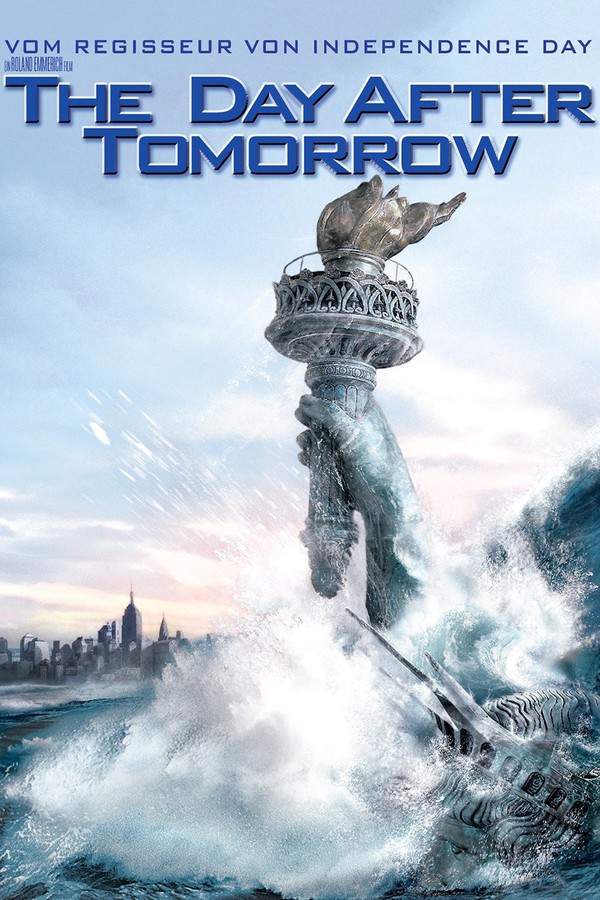
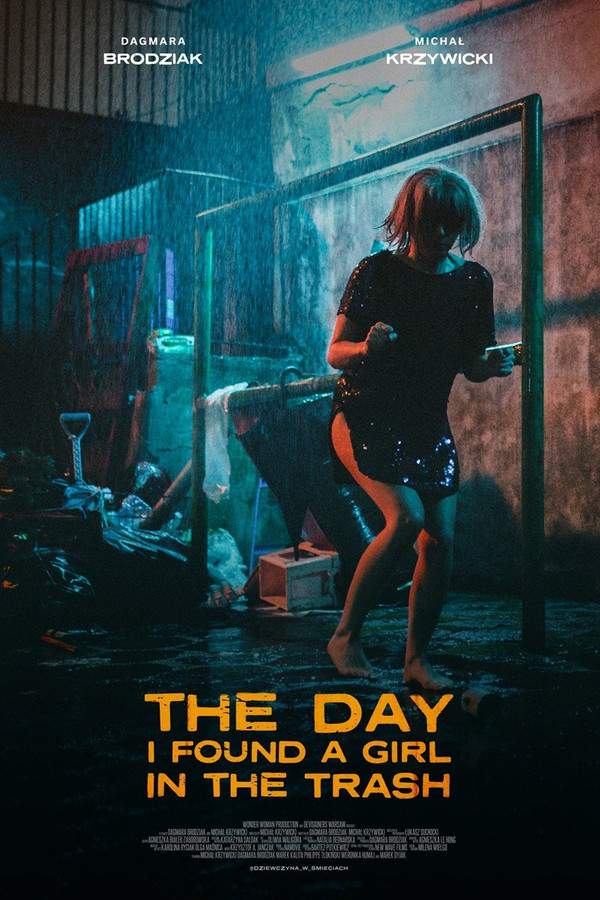
Similar Movies To The Day After You Should Know About
Browse a curated list of movies similar in genre, tone, characters, or story structure. Discover new titles like the one you're watching, perfect for fans of related plots, vibes, or cinematic styles.


Quick Links: Summary, Cast, Ratings, More

What's After the Movie?
Not sure whether to stay after the credits? Find out!
Check out our other apps:

SAT Sphere
Build confidence for the Digital SAT.

Mori Atlas
Discover wild places worth protecting.

Luntero
Search smarter for a home in Amsterdam.

Plot Explained
Unravel movie endings and hidden clues.

Pokechamp
Dive into Pokémon data and battle logic.

Driving Theory
Get ready for your European theory test.

Movie Dust
Plan your next cinema trip with ease.

Musemap
Find art and culture as you travel.

Selkobase
Compare credentials before committing.

Local Manual
Turn an unfamiliar country into practical next steps.

Lernavi
Compare school systems before your next move.

GymRoam
Find a workout stop wherever your plans take you.
Explore Our Movie Platform
New Movie Releases (2026)
Famous Movie Actors
Top Film Production Studios
Movie Plot Summaries & Endings
Major Movie Awards & Winners
Best Concert Films & Music Documentaries
Movie Collections and Curated Lists
© 2026 What's After the Movie. All rights reserved.
Privacy Policy