
The Day They Robbed the Bank of England 1960

Directed by

John Guillermin
Made by

Summit Film
The Day They Robbed the Bank of England Plot Summary
Read the complete plot summary and ending explained for The Day They Robbed the Bank of England (1960). From turning points to emotional moments, uncover what really happened and why it matters.
In London, 1901, amid Ireland’s struggle for independence, Charles Norgate — an Irish American with a shadowy past — is recruited by Irish revolutionaries to rob the Bank of England. Iris Muldoon, the widow of a martyr for Irish freedom, volunteers to bring Norgate into the inner circle and help steer the plan. Led by O’Shea, the group intends to seize one million pounds in gold bullion as a bold political statement. At first, Norgate’s background raises suspicion, but he gradually earns their trust by openly acknowledging his Irish roots and proving his resolve.
Norgate forges an uneasy alliance with Lieutenant Monte Fitch of the Guards and, through a daring break-in to the bank’s museum, gains access to the building’s architectural blueprints. Inside this evolving web of loyalties, Walsh, another revolutionary who shares Muldoon’s admiration, remains watchful yet hopeful that the enterprise might succeed. Norgate’s research uncovers an underground sewer that runs beneath the bank vaults, a discovery that could turn a rambling fantasy into a possible route for escape. To translate theory into practice, he adopts the guise of an archaeologist and persuades a professional tosher — Albert Tosher Sparrow — to assist in locating the sealed sewer entrance. With this new route, the revolutionaries begin digging toward the vaults, carefully plotting a heist that would unfold over a long August weekend when the bank would be closed.
As the plan tightens, Lt. Fitch grows increasingly suspicious and starts to investigate. The dig itself proves perilous: the crew punctures a gas pipe, and the bank’s gas lights dim, raising alarm potential at any moment. Yet a keyholder being away on holiday buys them precious time, delaying an immediate inspection of the vaults. In a parallel turn of events, O’Shea publicly reintroduces the Irish Home Rule Bill in Parliament, a development the conspirators weigh against the risk of derailing the broader political cause. Muldoon urges Walsh to warn Norgate, but when he discovers that Norgate has already breached the vault, Walsh chooses silence and sides with the others.
The breakthrough comes as the tunneling steadily penetrates toward the vaults, and the revolutionaries eventually move a million pounds’ worth of gold through the connecting tunnel. Muldoon has already dispatched their escape boat, yet, despite her pleas, [Norgate] and [Walsh] press on and load the treasure onto a horse-drawn cart. As the plan barrels forward, the tosher outside the sewers remains unseen, and Norgate must decide whether to wait or push ahead. Realizing the tosher has not emerged, he revisits the shaft only to find the man exhausted by gas, who climbs the ladder into the bank vault by a fortunate misstep. Norgate follows, and the two men shoulder the heavy loot into the street where fate tightens its grip.
The city’s attention is drawn when the overloaded cart collapses, and a passing policeman closes in. In the end, Norgate and Walsh are arrested and led away in handcuffs, while Muldoon can only watch with tears in her eyes. The tosher, bearing a fragment of a statue from the tunnel that appears to be a Roman relic, disappears into the crowd, leaving a puzzle about what else might survive beneath the surface.
This tale weaves together loyalty and deception, personal histories, and a high-stakes gamble that tests not only courage but the broader political aims of a world on the edge of change. It remains a layered portrait of a daring scheme, where every choice could alter the course of many lives and the view of a nation’s struggles.
The Day They Robbed the Bank of England Timeline
Follow the complete movie timeline of The Day They Robbed the Bank of England (1960) with every major event in chronological order. Great for understanding complex plots and story progression.
Norgate recruited by Irish revolutionaries
Charles Norgate is recruited by Irish revolutionaries led by O'Shea to plan a Bank of England heist. Iris Muldoon, widow of an Irish independence martyr, also joins the effort. The group aims to steal one million pounds in gold bullion as a bold political statement.
Norgate proves his Irish roots to gain trust
Initially mistrusted by the group, Norgate proves his loyalty by revealing his Irish roots. This revelation helps him win confidence from O'Shea and Muldoon. The gang begins to see him as a true ally rather than a mere outsider.
Access to bank plans and museum
Norgate befriends Lieutenant Monte Fitch, a Guards officer, and uses the connection to gain access to the Bank of England's architectural plans through the bank's museum. He studies the layout and security features to inform the plan. This information helps the conspirators tailor their tunneling approach.
Discovery of the underground sewer system
Norgate uncovers an underground sewer running beneath the bank vaults and enlists a tosher to locate the sealed entrance. The plan evolves from a surface raid to a covert tunneling operation beneath the building. This discovery sets the stage for a long, hidden advance toward the vaults.
Planning the long weekend heist
The revolutionaries begin tunneling toward the vaults as they plan to strike during a long August weekend when the bank is closed. They rely on Muldoon's leadership and the tosher's local knowledge to chart the route. The plan hinges on minimal guard attention and a window of opportunity.
Lt. Fitch grows suspicious
Lt. Monte Fitch grows suspicious of Norgate's activities and begins investigating the unusual digging and access to restricted areas. His probing adds pressure on the conspirators and risks exposing the operation. The sense of impending discovery heightens the tension among the group.
Gas leak alerts guards
During the dig, the crew punctures a gas pipe, causing the bank's gas lights to dim and alert the guards. The temporary dimming gives them a narrow window while the vault remains uninspected. The risk escalates as minutes pass without a full security sweep.
Keyholder delay buys time
With one keyholder on holiday, the vault inspection is delayed, buying extra time for the tunneling operation. The delay increases the chance that the team can reach the vaults without triggering a full security check. The conspirators press forward, balancing caution with urgency.
Home Rule Bill reintroduced; heist paused
O'Shea announces that the Irish Home Rule Bill has been reintroduced in Parliament, prompting the group to pause the heist to avoid jeopardising the political process. Muldoon convinces Walsh to warn Norgate, but Norgate has already breached the vault. Walsh ultimately chooses to join the theft.
The heist succeeds: gold is retrieved
Using the tunnel, the conspirators extract a million pounds' worth of gold from the vaults and begin moving it toward the surface. Muldoon has arranged an escape by boat, but she has sent it away, leaving the team to improvise a ground withdrawal. The stolen gold is loaded onto a horse-drawn cart for the outdoor departure.
Tosher's emergence and vault entry
The tosher, overcome by gas, revives and climbs the ladder into the bank vault by mistake, with Norgate following him. This unforeseen entry tangles the last-minute escape and ties the tosher into the central crime. The crew's plan becomes precarious as they confront two sets of exits.
Cart collapse and arrests
The overloaded cart collapses in the street, drawing a passing policeman's attention. Norgate and Walsh are arrested and taken away in handcuffs, while Muldoon watches the setback with tearful resignation. The audacious plan ends in capture rather than triumph.
Tosher departs with a relic fragment
The tosher leaves the scene carrying a fragment of a statue from the tunnel, a Roman relic, suggesting a hidden prize or clue from the abandoned tunnel. He walks away seemingly untouched by the arrests that follow. His solitary exit leaves a lingering mystery surrounding the tunnel's secrets.
The Day They Robbed the Bank of England Characters
Explore all characters from The Day They Robbed the Bank of England (1960). Get detailed profiles with their roles, arcs, and key relationships explained.
Charles Norgate (Peter O'Toole)
An Irish American recruited by Irish revolutionaries to rob the Bank of England, Norgate uses his heritage to earn trust and access restricted areas. He is calm, calculating, and able to mask his real motives behind a confident exterior. His actions drive both the plan and the personal tensions among the conspirators.
Iris Muldoon (Elizabeth Sellars)
Widow of an Irish independence martyr, she recruits Norgate and keeps the operation focused on political symbolism. Iris is charismatic, determined, and willing to risk everything for her cause. Her leadership guides the team, even as personal temptations threaten the mission.
Capt. Monty Fitch (Peter O'Toole)
Lt. of the Guards who grows increasingly suspicious of Norgate and starts to investigate. He represents law and order, keeping a careful eye on the conspirators and the bank's inner workings. His cautious scrutiny raises the stakes for the heist.
O'Shea (Hugh Griffith)
Leader of the revolutionary group, O'Shea is pragmatic and forceful, pushing for a bold political statement. He balances ideological goals with the risks of their plan and tries to maintain cohesion within the team. He remains relentless in pursuing Ireland's independence.
Walsh (Kieron Moore)
A fellow revolutionary who is infatuated with Muldoon and initially skeptical of Norgate. He ultimately chooses to stay loyal to the group’s cause and participates in the theft, revealing the fragility of trust within the team.
Albert Tosher Sparrow (Albert Sharpe)
The tosher who helps locate the sealed sewer entrance and navigate the bank’s underground routes. He is overcome by gas during the dig, but survives and emerges with a Roman relic fragment, underscoring the film’s blend of archaeology and crime.
Bank Official (Arthur Lowe)
An uncredited bank official who embodies the routine of a financial institution. His presence anchors the bank’s day-to-day operations, making the eventual breach feel more credible when the conspirators exploit it.
Cohoun (Joseph Tomelty)
A conspirator within the revolutionary group who participates in the plan. He contributes to the crew’s dynamics, balancing camaraderie with the tensions of a high-stakes heist.
The Day They Robbed the Bank of England Settings
Learn where and when The Day They Robbed the Bank of England (1960) takes place. Explore the film’s settings, era, and how they shape the narrative.
Time period
1901
The events take place in 1901, a period of political tension over Ireland's independence. The reintroduction of the Home Rule Bill in Parliament situates national politics at the heart of a daring financial crime. Gas-lit streets, era-specific architecture, and urban life set the tone for a city on the cusp of modernity.
Location
London, Bank of England
The story unfolds in London at the start of the 20th century, centering on the Bank of England. The bank's halls, its museum, and the surrounding city create a backdrop of financial power and public life. The action also spills into the hidden tunnels and sewers beneath the city, a stark contrast to the grandeur above ground.
The Day They Robbed the Bank of England Themes
Discover the main themes in The Day They Robbed the Bank of England (1960). Analyze the deeper meanings, emotional layers, and social commentary behind the film.
🗝️
Heist Risk
A meticulously planned heist drives the plot, built on gleaning bank plans and tunneling beneath the vaults. The group maneuvers through authentication checks, holiday staffing, and the bank's vulnerability hewed by a punctured gas line. The plan hinges on timing, secrecy, and the danger of discovery, heightening tension as the weekend closes in.
🏛️
Independence Politics
The heist is tangled with Irish political aims, as the Home Rule Bill's reintroduction creates pressure to halt the operation. The revolutionaries weigh political victory against criminal risk, balancing patriotic rhetoric with the practicalities of theft. The outcome of the plan could affect Ireland's push for independence and Britain's governance.
🤝
Trust
Trust forms and fractures within the group as identities and loyalties shift. Norgate's revealed Irish roots help him win entry, while Walsh's loyalty is tested by Muldoon's influence. The coalition's cohesion is punctured by suspicion, romance, and the lure of gold, culminating in difficult moral choices.

Coming soon on iOS and Android
The Plot Explained Mobile App
From blockbusters to hidden gems — dive into movie stories anytime, anywhere. Save your favorites, discover plots faster, and never miss a twist again.
Sign up to be the first to know when we launch. Your email stays private — always.
Explore the mobile appThe Day They Robbed the Bank of England Spoiler-Free Summary
Discover the spoiler-free summary of The Day They Robbed the Bank of England (1960). Get a concise overview without any spoilers.
In the fog‑laden streets of turn‑of‑the‑century London, a city poised between empire and modernity, the undercurrent of political unrest simmers just beneath the polished façade of its institutions. The looming question of Irish self‑determination casts long shadows over the bustling financial hub, where the weight of history hangs as heavily as the soot on the rooftops. Against this backdrop, the grandeur of the Bank of England stands as both a symbol of national pride and a tempting focal point for those willing to challenge the status quo.
Charles Norgue arrives on the scene as a man marked by a murky past and a quiet resolve. An Irish‑American with a reputation that borders on legend, he is drawn into a covert operation that promises to reshape the balance of power. His willingness to embrace his heritage and to navigate the perilous line between patriotism and pragmatism makes him the reluctant heart of the undertaking, while his enigmatic presence forces allies and opponents alike to reevaluate their own loyalties.
Among the conspirators, Iris Muldoon brings a determined, personal stake to the venture, her connection to the cause rooted in loss and conviction. O’Shea, the charismatic leader of the group, offers political ambition that intertwines with the clandestine mission, while Lieutenant Monte Fitch provides a tense bridge between the law and the underground world. Walsh and the seasoned tosher Albert Tosher Sparrow round out the ensemble, each embodying a different facet of the city’s hidden underbelly, from scholarly curiosity to street‑wise practicality.
The film weaves these characters into a tense tapestry of intrigue, where the atmospheric gloom of soot‑filled alleys meets the polished corridors of power. A subtle, almost cinematic sense of urgency permeates the narrative, hinting at the delicate dance between daring ambition and the immutable forces of an empire on the brink of change. The stage is set for a bold enterprise that promises to test the limits of loyalty, ingenuity, and the very notion of freedom itself.
Movies with Similar Twists and Themes
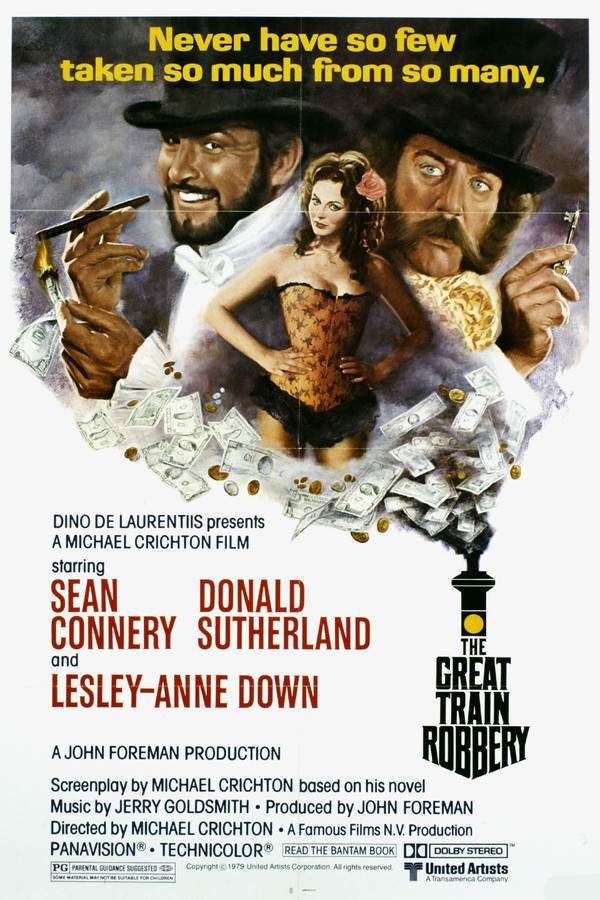
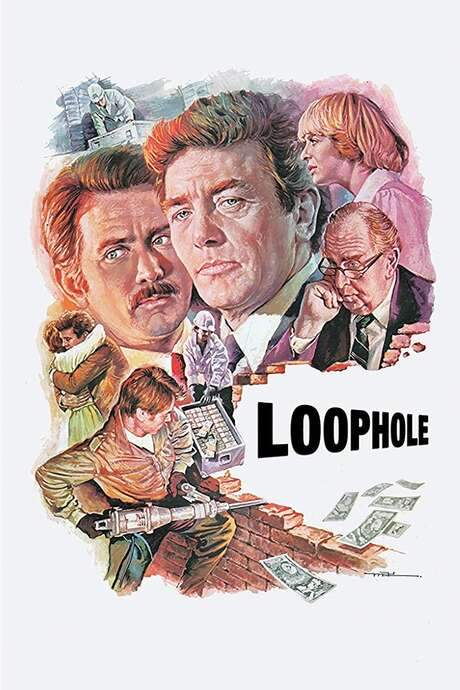
Uncover films that echo the narrative beats, emotional arcs, or dramatic twists of the one you're exploring. These recommendations are handpicked based on story depth, thematic resonance, and spoiler-worthy moments — perfect for fans who crave more of the same intrigue.



Featured on this page

What's After the Movie?
Not sure whether to stay after the credits? Find out!
Check out our other apps:

SAT Sphere
Build confidence for the Digital SAT.

Mori Atlas
Discover wild places worth protecting.

Luntero
Search smarter for a home in Amsterdam.

Plot Explained
Unravel movie endings and hidden clues.

Pokechamp
Dive into Pokémon data and battle logic.

Driving Theory
Get ready for your European theory test.

Movie Dust
Plan your next cinema trip with ease.

Musemap
Find art and culture as you travel.

Selkobase
Compare credentials before committing.

Local Manual
Turn an unfamiliar country into practical next steps.

Lernavi
Compare school systems before your next move.

GymRoam
Find a workout stop wherever your plans take you.
Explore Our Movie Platform
New Movie Releases (2026)
Famous Movie Actors
Top Film Production Studios
Movie Plot Summaries & Endings
Major Movie Awards & Winners
Best Concert Films & Music Documentaries
Movie Collections and Curated Lists
© 2026 What's After the Movie. All rights reserved.
Privacy Policy