What Is Loophole About?
The premise of Loophole in 312 words, with nothing given away. The full story follows below.
London hums beneath a relentless drizzle, its historic streets and modern towers sharing the same fog‑choked skyline. In this capital of restrained elegance, the world of high‑finance and high‑design intersect in quiet, almost surgical precision. The city’s hidden infrastructure—its tunnels, its vaults, its unseen arteries—provides a backdrop that feels both familiar and unnervingly secret, setting the stage for a story that craves measured tension over flash‑bulb spectacle.
At the heart of the narrative is Stephen Booker, an architect whose reputation once commanded respect but whose recent professional setbacks have left his livelihood teetering on the edge. The loss of a pivotal partnership forces him to confront dwindling finances, the expectations of a bank manager, and the ambitions of his wife, whose own entrepreneurial dream adds another layer of pressure. Booker’s meticulous nature and intimate knowledge of London’s subterranean geometry make him uniquely valuable, yet his pride and yearning for legitimacy keep him wary of shortcuts.
Enter Daniels, a composed and methodical planner who perceives Booker’s expertise as the missing piece in a venture that promises both danger and discretion. Daniels proposes a non‑violent, highly calculated engagement, appealing to Booker’s sense of order while hinting at the allure of an extraordinary challenge. Their interaction is a study in quiet persuasion, where professional respect clashes with personal desperation, and the promise of a single, decisive opportunity begins to outweigh the fear of losing everything.
The film unfolds in a tone that balances cold, almost clinical planning with the human weight of compromise. It invites the audience to linger over the atmospheric streets, the echoing corridors of power, and the precise calculations that could redraw the characters’ lives. As the stakes rise, the story teeters on the edge of brilliance and ruin, leaving viewers eager to see whether an architect’s exacting mind can navigate a world that rewards audacity as much as it punishes error.
What Happens in Loophole?
The complete story of Loophole, from the first scene to the last, in 410 words (about 2 minutes). Spoilers throughout.
Spoilers ahead
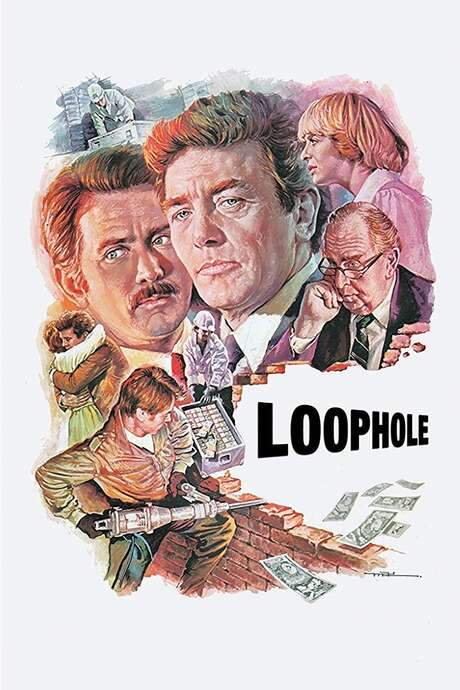
The film opens with a bank heist that yields far less than the robbers expected, setting a slower burn of tension than a typical flashy break-in. Daniels [Albert Finney] is the mastermind behind the plan, driven by the discovery that the main subterranean vault, long thought impregnable, sits within a short radius of a major sewer. With a steady hand and a careful eye, he recruits a crew and secures the tools they’ll need by enlisting a boat-dealer for specialized equipment. His target is Booker [Martin Sheen], an architect whose precise skill is essential to pinpoint the vault’s exact underground location.
Booker is initially resistant, troubled by professional risk and personal finances, including pressure from a bank manager [Robert Morley] and the need to support a new business venture pursued by his wife [Susannah York]. Yet Daniels’ pitch is persuasive enough to sway him, as long as the plan remains non-violent and strictly professional. The arrangement hinges on Booker’s exacting expertise to map the underground route, a critical thread that ties the whole operation together.
Gardner [Colin Blakely], who keeps watch from a rented nearby office, helps coordinate the crew from the periphery, ensuring the operation stays hidden from nearby eyes. The gang exploits the sewer access to enter the vault from beneath, triggering the vault alarms as they begin to empty the contents. When the police arrive, a tense, almost clinical moment unfolds as the officers opt to treat the alarms as defective and effectively turn them off for the night, buying the robbers precious minutes.
As the crew prepares to depart, a heavy downpour pounds the city and floods the sewer system, turning the underworld route into a treacherous current. The robbers struggle against a raging torrent while still lugging their stolen goods. Booker, however, makes a stubborn choice to stay inside the vault, hoping the water will recede before normal business hours. In the chaos, one of Daniels’ associates, Harry [Alfred Lynch], appears to have been overcome by sewer gas and is later seen floating away, leaving the fate of the group uncertain and the operation morally unsettled.
The film closes on Booker’s solitary moment in his studio, where the consequences of the night’s events linger in the air. Daniels returns to offer him another job, a quiet reminder of the perilous line they walked between ingenuity and excess, and of how the plan’s fragile logic could always be rebuilt—or undone—by a single, unpredictable twist of fate.
Loophole Timeline: Every Key Event in Order
13 key events in the order they happen, from “Opening failed safe-break spurs a bigger plan” to “Daniels visits Booker after the job”. 13 events name a place, across 10 locations.
- 1
Opening failed safe-break spurs a bigger plan
The film opens with a safe-break that yields unexpectedly low gains for the robbers. This failure motivates Daniels to devise a larger, more calculated heist. The outcome prompts him to start plotting a bank robbery with a clearer objective.
When:Opening scene Where:Bank (opening scene)
- 2
Daniels plots the bank robbery
Daniels begins to plot the bank robbery, aiming to exploit a main subterranean vault near a sewer. He studies the bank's layout and coordinates the operation with precision. He sees the sewer route as the key to reaching the vault.
When:Planning stage Where:Planning/strategy room
- 3
Enlisting equipment from a boat-dealer
Daniels enlists a boat-dealer to supply specialized equipment for the underground approach. The plan relies on the sewer access to infiltrate the vault without direct confrontation. The crew begins assembling the necessary tools.
When:Preparation stage Where:Planning space/warehouse
- 4
Daniels targets Booker the architect
Daniels identifies Booker, an architect whose skill could pinpoint the vault’s exact underground location. He approaches Booker with the plan, hoping to recruit him for the job. The opening moments show his initial attempt to convince Booker’s cooperation.
When:Initial approach Where:Booker's studio
- 5
Booker refuses at first
Booker angrily rejects the proposal when first approached. The pressure mounts as his bank manager and his wife’s new business add to his stress. He remains hesitant about becoming involved in a robbery.
When:Initial contact Where:Booker's studio
- 6
Booker agrees on one condition
After negotiation, Booker agrees to participate only if no violence is used. He weighs the risk against his family’s welfare and his professional integrity. The line about non-violence becomes a guiding constraint for the operation.
When:Agreement stage Where:Booker's studio
- 7
Gardner keeps watch from a rented office
Gardner is tasked with monitoring the situation from a rented nearby office. He coordinates with the team and keeps an eye on external threats. His surveillance helps time the crew’s moves during the heist.
When:Pre-heist Where:Nearby rented office
- 8
Sewer access used to reach the vault
The crew uses the sewer access to slip beneath the bank and reach the vault, triggering the alarms on entry. They begin to remove the contents as the vault is compromised. The plan relies on the element of surprise from below.
When:During heist Where:Underground sewer to bank vault
- 9
Police suspect alarms and turn them off
Police arrive but decide the alarms are defective and switch them off for the evening. This decision allows the robbers to continue without immediate pursuit. The shift in police action becomes a critical moment for the crew.
When:Evening Where:Bank interior
- 10
Heavy rain floods the sewer
A heavy downpour floods the sewer system, turning the escape route into a dangerous torrent. The robbers struggle to carry their spoils as water rises around them. The flood dramatically changes the balance of risk and opportunity.
When:During the escape Where:Sewer beneath bank
Show the other 3 events of Loophole Hide the last 3 events
- 11
Booker stays in the vault to wait
Booker refuses to leave the vault, hoping the water will subside before business hours. He isolates himself as the others push forward with the escape plan. The scene emphasizes his resolve and the high stakes.
When:During flood Where:Bank vault/sewer
- 12
Harry dies or presumed dead
One robber, Harry, is seen floating away after inhaling sewer gas and is presumed dead. The incident underscores the danger of the sewer route. The crew's peril adds gravity to the heist.
When:During flood Where:Sewer
- 13
Daniels visits Booker after the job
In the final scenes, Booker is in his own studio when Daniels visits him to offer another job. The two men discuss the future as the immediate aftermath settles. The ending hints at a continued, though precarious, collaboration.
When:Final scene Where:Booker's studio
Who Are the Main Characters in Loophole?
6 characters, among them Stephen Booker (Martin Sheen), Mike Daniels (Albert Finney) and Gardner (Colin Blakely): who each one is and the part they play in the story. Every profile links to the actor’s page.
-

Stephen Booker (Martin Sheen)
Played by Martin Sheen
An architect by trade who becomes the mastermind behind locating the vault. He is initially reluctant, agreeing to the plan only if no violence is used, and is pressured by his bank manager and family obligations. His preference for careful strategy clashes with Daniels’ ambition and Gardner's surveillance. He ends up staying in the vault during the flood, showing resolve and risk.
- 🧭 Architect
- 🧠 Strategist
-
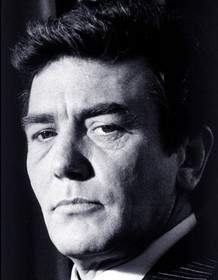
Mike Daniels (Albert Finney)
Played by Albert Finney
Leader of the crew and the driving force behind the robbery; he orchestrates the plan and keeps the crew focused on the prize. He pushes forward despite the risks and the initial low gains. His ambition and confidence shape the course of the operation.
- 🗝️ Mastermind
- 💰 Ambitious
-
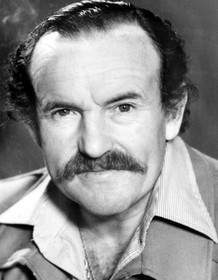
Gardner (Colin Blakely)
Played by Colin Blakely
The lookout who monitors from a rented office, coordinating movement and timing. He acts as the link between surface and underground actions, ensuring timing stays intact.
- 👁️ Surveillance
- 🗂️ Coordinator
- H(
Harry (Alfred Lynch)
Played by Alfred Lynch
One of the robbers who is injured by sewer gas and later seen floating away, presumed dead. His fate underscores the human cost of the plan and the dangers of the underground environment.
- 🧰 Robber
- 💨 Sewer danger
- DB
Dinah Booker (Susannah York)
Played by Susannah York
Booker’s wife who is pushing for a new business venture, creating external financial pressure and motivating Booker to take decisive action.
- 👩💼 Partner
- 💼 Entrepreneurial
-
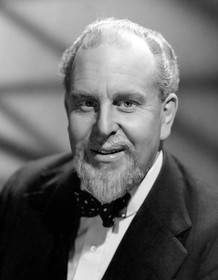
Godfrey (Robert Morley)
Played by Robert Morley
The bank manager who pressures Booker and influences the financial stakes of the plan; his role adds institutional tension to the heist.
- 👔 Bank Manager
- 🕵️ Authority
Where and When Is Loophole Set?
Loophole is set in Bank vault, Main sewer, Booker's studio and Rented office. Here is why the place matters to the story.
Where
Bank vault, Main sewer, Booker's studio, Rented office
The film centers on a downtown bank and its subterranean vault accessed via the main sewer. A rented nearby office coordinates the plan, while Booker operates from a nearby studio. A boat-dealer provides equipment, linking surface operations to the underground heist.
- 💼 Bank
- 🚰 Sewer
- 🎨 Studio
- 🏢 Office
What Are the Themes of Loophole?
4 ideas the story keeps returning to, among them Planning, Greed and Nonviolence.
-
01
Planning
Booker’s architectural skill enables precise pinpointing of the vault's underground location. The plan relies on underground access, sewer routes, and careful timing, coordinated from a rented office. The crew’s success depends on meticulous preparation and technical know-how rather than brute force. This emphasis on procedure makes the heist as much a test of intellect as of nerve.
-
02
Greed
Daniels is driven by the lure of money, pushing the crew toward a risky plan despite limited gains. The potential riches blind the robbers to mounting hazards, including surveillance, alarms, and police interest. The downpour and flooding create moral and practical peril that greed cannot mitigate. The tension centers on whether the prize justifies the peril.
-
03
Nonviolence
Booker insists that no violence be used, shaping the operation into a stealth-focused crime. The crew must rely on timing, precision, and restraint to succeed, testing their ethics under pressure. This boundary creates moral tension when the environment becomes adversarial. The film uses this constraint to explore the costs of crime carried out without force.
-
04
Nature's Interference
A heavy rainstorm unleashes a flood in the sewer as the heist unfolds. Water rushes through the tunnels, threatening to trap the crew and scupper the plan. The weather turns the mission into a race against time and nature. The fate of the loot and crew hangs on whether the water recedes in time.
What Kind of Film Is Loophole?
Tense in tone, with steady pacing and a straightforward story, going by the plot summary.
- Tone
- Tense
- Pacing
- Steady
- Story
- Straightforward
- Intensity
- Medium
- Ending
- Mixed
A steadily paced and tense heist film that follows a desperate man's calculated gamble, creating a claustrophobic and anxious atmosphere with a lingering sense of moral ambiguity and loss.
- desperate
- claustrophobic
- anxious
- methodical
- grim
- suspenseful
- heist
- financial desperation
- crime and consequence
- architect protagonist
Content notes: peril, character death.
Quiz
How well do you remember Loophole? Test yourself on the story.